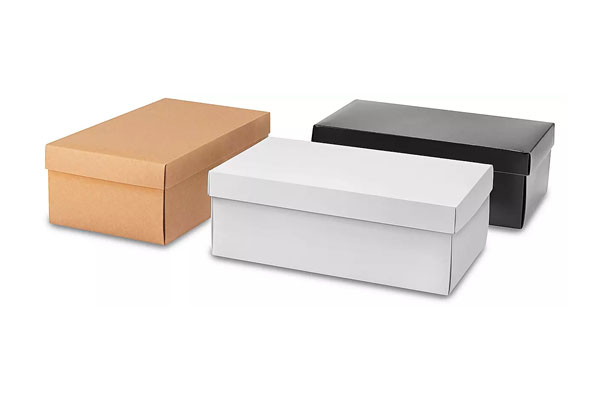
إجابة مختصرة: يتطلب برنامج الأحذية الحافية ذات العلامة الخاصة قاعدة منتجات مضبوطة، ومواصفات للعلامة التجارية، وملفًا للملصق والتغليف، وسجل اعتماد للعينات، وخط أساس لإعادة الطلب. حدد ما يمكن تغييره على المنصة المختارة قبل بدء التصميم، ثم اعتمد الزخرفة على مادة الإنتاج والتغليف على خط القص النهائي.
يمكن أن تشمل العلامة الخاصة شعارًا وصندوقًا على حذاء موجود، أو تغييرات محددة على منصة ODM، أو برنامجًا مخصصًا أوسع. يجب على المشتري تحديد المسار بحيث تظل تطوير المنتج والعلامة التجارية والافتراضات التجارية واضحة.
اختر وحدد قاعدة المنتج
| المسار | نطاق المنتج | يجب على المشتري التثبيت | محور الاعتماد |
|---|---|---|---|
| المنصة الحالية | طراز متاح مع خيارات علامة تجارية محددة | رمز الطراز، المراجعة، المواد، المقاسات والتغييرات | هوية المنتج والزخرفة بدقة |
| منصة معدلة | الهندسة الحالية مع تغييرات منتج محددة | خط الأساس وقائمة التغييرات المرقمة | واجهات التجميع المتأثرة |
| تطوير مخصص | قالب خاص بالمشتري، أو نقش، أو نعل، أو مسار مدمج | موجز تقني كامل والمسؤوليات | الهندسة، الأدوات، العينات والتسليم |
اطلب مواصفات المنصة الحالية قبل اختيار الألوان. صورة الكتالوج لا تحدد القالب، أو المادة، أو النعل، أو نطاق المقاسات، أو توفر المكونات.
راجع مسار التجارة الإلكترونية والعلامة الخاصة واستخدم قائمة مراجعة عروض الأسعار للعلامة الخاصة لتجهيز مدخلات قابلة للمقارنة.
إنشاء مواصفات العلامة التجارية
- عمل فني متجه قابل للتعديل ونص معتمد.
- طريقة الزخرفة المناسبة للمادة المحددة.
- حجم الشعار وموضعه وعلامات المحاذاة.
- مرجع اللون وظروف المعاينة.
- تجهيز السطح وقيود العملية.
- الأدلة المطلوبة على التشطيب والحواف والمتانة.
- رمز العينة المعتمدة (طبعة أولى، مكوّن أو منتج نهائي).
الطريقة التي تعمل على مرجع صناعي أو نسيجي أو مطاطي معين قد تتصرف بشكل مختلف على تشطيب أو دعامة أخرى. اعتمد الزخرفة على مادة الإنتاج الفعلية، ثم أعد التأكيد على الحذاء النهائي.
تحديد مواقع العلامات التجارية
| الموقع | حقول التحكم | التفاعل الذي يجب فحصه |
|---|---|---|
| الجزء العلوي | الطريقة والحجم والموضع واللون والسطح | المرونة والدرزات والتعزيز |
| اللسان | تركيب الرقعة أو الطباعة أو النسيج أو الملصق | تغطية الإسفنج والحواف والأربطة |
| النعل الداخلي | منطقة الطباعة والحبر واللون والاتجاه | مقاومة الاحتكاك والرطوبة وقابلية الإزالة |
| نعل خارجي | علامة مقولبة أو مطبوعة أو ملصقة | نطاق المداس والمرونة والأدوات |
| Pull tab or trim | المادة والنسيج والأبعاد وطريقة التثبيت | قوة الخياطة والوظيفة العملية |
لا تقم بتحديد موضع التصميم بالاعتماد على لقطة شاشة فقط. استخدم معالم محددة وأبعاد يمكن التحقق منها أثناء فحص العينة والإنتاج.
أنشئ ملف الملصق
- العلامة التجارية واسم المنتج.
- نظام المقاسات والتحويل حسب السوق.
- يجب ذكر المادة أو بلد المنشأ بما يتوافق مع متطلبات السوق.
- معلومات العناية واللغات المعتمدة.
- المستورد أو الطرف المسؤول أو أي حقول كيانات مطلوبة أخرى.
- الباركود ورمز SKU ومعرّفات الألوان.
- مادة الملصق وموضعه وأبعاده ومراجعة التصميم الفني.
يجب على مسؤول الامتثال لدى المشتري مراجعة متطلبات كل سوق مستهدف. يمكن للمصنع التحقق من التصميم الفني مقابل الملف المعتمد، ولكن لا ينبغي استنتاج الصياغة القانونية من منتج أقدم.
إنشاء مواصفات التغليف.
| مستوى التغليف. | الحقول التي يجب تثبيتها. | دليل الموافقة |
|---|---|---|
| المواد الداخلية للحذاء. | المناديل الورقية والدعامات والأكياس ومواضع المكونات. | العينة المعبأة والمراجع المادية. |
| علبة البيع بالتجزئة. | خط القص والكرتون والطباعة والتشطيب والتهوية والإغلاق. | العينة البيضاء والعينة المطبوعة. |
| ملصق العلبة. | SKU والمقاس واللون والباركود والموضع. | التحقق من المسح الضوئي والتصميم الفني. |
| الإدراج الداخلي. | النص واللغات والأبعاد والمادة. | الموافقة على البروفة والتعبئة النموذجية المعتمدة |
| الكرتون الرئيسي | الأبعاد والعلامات والتنويع والإغلاق | سجل التعبئة وعينة الكرتون |
| البالتة أو وحدة الشحن | متطلبات التكديس والمسار عند الاستخدام | ملف الشحن المعتمد |
ISO 780 الرموز الرسومية لمناولة وتخزين الطرود. ISO 18601 يغطي المتطلبات العامة للتغليف والبيئة. راجع النطاقات الرسمية وطبّق المعايير ذات الصلة بالبرنامج والسوق.
اعتمد التصميم الفني قبل تخصيص مواد الإنتاج
- اعتمد الملف المصدر القابل للتحرير والنص.
- تأكد من خط القص والأبعاد وطريقة الطباعة أو الزخرفة.
- راجع بروفة رقمية للمحتوى والموضع.
- راجع عينة مادية أو عينة تغليف عند الحاجة.
- اعتمد الحذاء النهائي والعينة المعبأة.
- ثبّت نسخة التصميم واربطها برمز SKU.
افصل الموافقة على البروفة عن الموافقة المادية. البروفة الرقمية تؤكد المحتوى والتخطيط لكنها لا تثبت الخامة أو التشطيب أو استجابة الألوان أو عمل الباركود أو ملاءمة المنتج المعبأ.
استخدم بوابة اعتماد للعلامة الخاصة
| البوابة | دليل | القرار |
|---|---|---|
| قاعدة المنتج | الطراز، المراجعة، الأخير، المواد ونطاق المقاسات | اعتماد المنصة |
| العلامة التجارية | سجل الزخرفة الفعلية للمادة وموضعها | اعتماد تنفيذ التصميم الفني |
| الملصقات | المحتوى، الأبعاد، الموقع وفحص المسح الضوئي | اعتماد هوية السوق ورمز SKU |
| التعبئة والتغليف | عينة الصندوق الفعلي، الحشوة والكرتون | اعتماد مسار المنتج المعبأ |
| المقاسات التمثيلية | مطابقة الحذاء والصندوق والملصق | أطلق التشكيلة |
| مرحلة ما قبل الإنتاج | ملف مجمّد وعينة موقّعة | أطلق نقاط الفحص للدفعة |
استخدم سير عمل اعتماد العينات بحيث تتشارك تعليقات المنتج والعلامة التجارية والتغليف في مراجعة واحدة مضبوطة.
أنشئ خط الأساس لإعادة الطلب
- منصة المنتج والمراجعة المعتمدة.
- مراجع المواد والألوان والزخرفة.
- ملفات التصميم وتواريخ الاعتماد.
- مصفوفة SKU للمقاسات والألوان.
- مراجعات الملصق والعلبة والفواصل والكرتون.
- العينات المعتمدة وسجلات الفحص.
- إعلان التغيير الحالي وتوافر المكونات.
يجب أن تستخدم إعادة الطلب سجل مقارنة جديدًا. احتفظ بخط الأساس السابق ووثّق التغييرات المصرح بها بدلاً من استبدال الملف القديم.
جهّز طلب عرض الأسعار للعلامة الخاصة
أرسل مسار المنتج، أو الطراز الأساسي الدقيق أو الملف الفني، والمقاسات والألوان والكمية وحزمة الشعار والملصقات والتغليف والأسواق المستهدفة ومراحل العينات ومتطلبات الفحص. اطلب من عرض السعر تحديد التغييرات المشمولة وأعمال التطوير والأدوات والعينات التجريبية والعينات المادية والتغليف والاستثناءات.
Keytop Barefoot Shoes project facts
Keytop Barefoot Shoes was founded in 2006. Custom OEM and ODM production starts at 500 pairs per color and style. Samples are normally developed in 10–21 days after the product base, materials, sizes, artwork, packaging and other required inputs are confirmed. Keytop Barefoot Shoes also holds ISO 9001 certification, offers GRS-certified recycled material options for eligible styles and has completed amfori BSCI and Sedex (SMETA) social audits; buyers should verify current scope and relevance for the program.
المنهجية والحدود
هذا الدليل هو إطار اعتماد للعلامة الخاصة. لا يحدد توافر المخزون أو الحد الأدنى لكمية الطلب أو التسعير أو شروط الدفع أو الامتثال للتغليف أو الجدول الزمني للإنتاج. يجب تأكيد هذه الحقول للمنتج والسوق والطلب المحدد.
الأسئلة الشائعة
هل يمكن للمشتري اعتماد شعار من نموذج رقمي؟
يمكن للنموذج الرقمي اعتماد نية التخطيط. اعتمد اللون والتشطيب والموضع والتفاعل على مادة الإنتاج الفعلية والعينة النهائية.
هل تعني العلامة الخاصة أن هندسة المنتج مخصصة؟
ليس بالضرورة. يمكن لبرنامج منصة قائمة الاحتفاظ بالجزء العلوي والنقش والنعل مع تغيير حقول العلامة التجارية والتغليف المسموح بها.
ما الذي يجب الحفاظ عليه لإعادة الطلب؟
الحفاظ على مراجعة المنتج، ومراجع المواد، والتصميم الفني، ومصفوفة SKU، والملصقات، وملفات التغليف، والعينات المعتمدة، وسجل الفحص، وإعلان التغيير.
أرسل قاعدة المنتج المختارة، وحزمة العلامة التجارية، وموجز التغليف، ومصفوفة المقاس واللون لمناقشة برنامج العلامة الخاصة.
اترك تعليقاً
اطرح سؤالًا حول التجهيز، أضف رأيك، أو اطلب متابعة من فريقنا.