
Key takeaways
- Short answer: a slippery barefoot shoe needs a defined surface-and-contaminant test, not a generic grip claim.
- Record where the slip occurs: smooth indoor flooring, wet tile, loose trail material, mud or another surface.
- ISO 24267:2020 specifies a method for determining coefficient of friction between footwear and flooring under conditions that simulate phases of a walking step.
Short answer: a slippery barefoot shoe needs a defined surface-and-contaminant test, not a generic grip claim. Compare outsole compound, tread geometry and finished-shoe construction under the same agreed method. Approve the production compound and mold revision only after the result matches the intended use and selling-market claim.
Define the traction problem before changing the sole
Record where the slip occurs: smooth indoor flooring, wet tile, loose trail material, mud or another surface. Also record the contaminant, direction of travel, temperature, sole condition and whether the shoe is new or worn. Results from one surface should not be presented as proof for a different use condition.
| Control area | What to lock | What to compare |
|---|---|---|
| Compound | Supplier, code, color and molding route | Conditioned component results |
| Tread | Lug, groove, edge and drainage geometry | Approved mold revision |
| Assembly | Outsole thickness, layers and bonding | Finished-shoe result |
| Wear state | Conditioning and abrasion stage | New and agreed worn condition |
Use a method suited to non-PPE footwear
ISO 24267:2020 specifies a method for determining coefficient of friction between footwear and flooring under conditions that simulate phases of a walking step. It applies to general footwear and components, while excluding PPE and certain special-purpose footwear. The test request should identify the flooring, contaminant, movement condition, sample preparation and reporting units.
If a product will carry a PPE slip-resistance claim, the scope changes. ISO 13287:2019 is a PPE footwear method. Confirm the applicable product regulation and laboratory scope for the destination market before using PPE language.
Balance grip, flex and wear
A compound or tread change can alter more than traction. Review flex behavior, abrasion, tear, weight and molding consistency at the same time. ISO 17707:2005 addresses outsole flex resistance and the effect of material and surface pattern on cut growth within its stated scope. Keep the tread drawing and molded section measurements with the traction report.
- Compare candidates under the same test condition.
- Measure molded tread features instead of approving from renderings.
- Retain the tested outsole and finished pair.
- Quarantine unapproved compound or mold substitutions.
- Retest after changes that can affect contact geometry or material behavior.
Transfer the approved result to production
Write the approved compound code and mold revision into the bill of materials. Incoming checks should verify supplier labels, lot identity and agreed physical properties. Molding checks should cover cure condition, contamination, short shots and critical tread dimensions. Finished-pair inspection should confirm that the outsole is seated correctly and free from residues that can change initial contact.
When an abrasion stage is part of the approval, specify how samples are conditioned and prepared before the friction test. Keep new and conditioned results separate. Consumer-facing copy should state the intended terrain or surface without expanding a laboratory result into a broader safety promise.
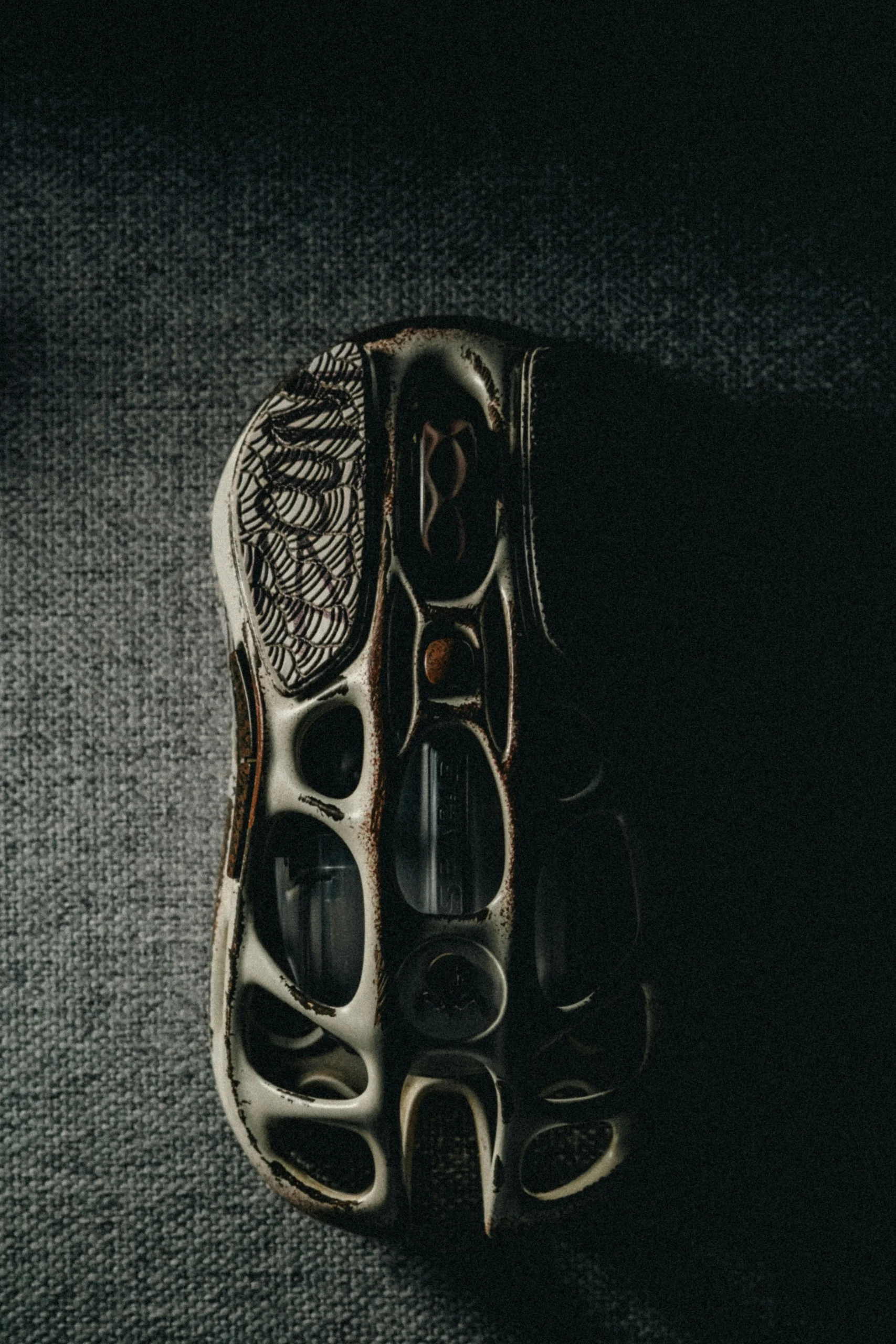
A visual mold check also matters. Compare left and right soles for tread definition, deformation and contamination, then confirm critical contact features against the signed drawing. Photographs are useful for traceability, but dimensional inspection and the agreed performance method remain the release evidence.
Use the wet-grip development guide for a deeper test-plan review, the sole wear diagnosis for abrasion-related change, and the bonding comparison when the construction also changes. Keytop's confirmed MOQ is 500 pairs per color and style, and sample development normally takes 7–14 days.
Method and limits
This framework uses the cited ISO friction and flex methods to structure development evidence. It does not publish a universal coefficient, tread depth, compound hardness or no-slip guarantee. Acceptance values and claims must match the test scope, product category, destination market and intended surface.
FAQ
Does a deeper tread confirm better wet grip?
No. Tread geometry, compound, contact condition and surface work together. Compare the finished candidates under one defined method.
Can one lab result support all traction claims?
No. State the tested surface, contaminant, method and product scope. Additional use conditions need separate evidence.
Send your outsole drawing and intended-use surfaces for a sample comparison plan.
Leave a Comment
Ask a sourcing question, add your view, or request follow-up from our team. We keep the form short so it feels natural inside the article page.