Key takeaways
- Short answer: sole wear is managed by balancing compound, tread, thickness, flex and intended surface.
- A smooth worn area differs from a torn lug or a crack growing from a flex groove.
- ISO 20871:2018 specifies a method for determining outsole abrasion resistance, irrespective of material.
Short answer: sole wear is managed by balancing compound, tread, thickness, flex and intended surface. Identify whether the outsole shows abrasion, tearing, cut growth, delamination or uneven geometry. Approve the relevant material and finished-shoe tests, then trace compound and molding lots in production. Use the supplier questions in the sole-wear guide to turn the wear diagnosis into defined material and test inputs.
Wear patterns do not share one cause
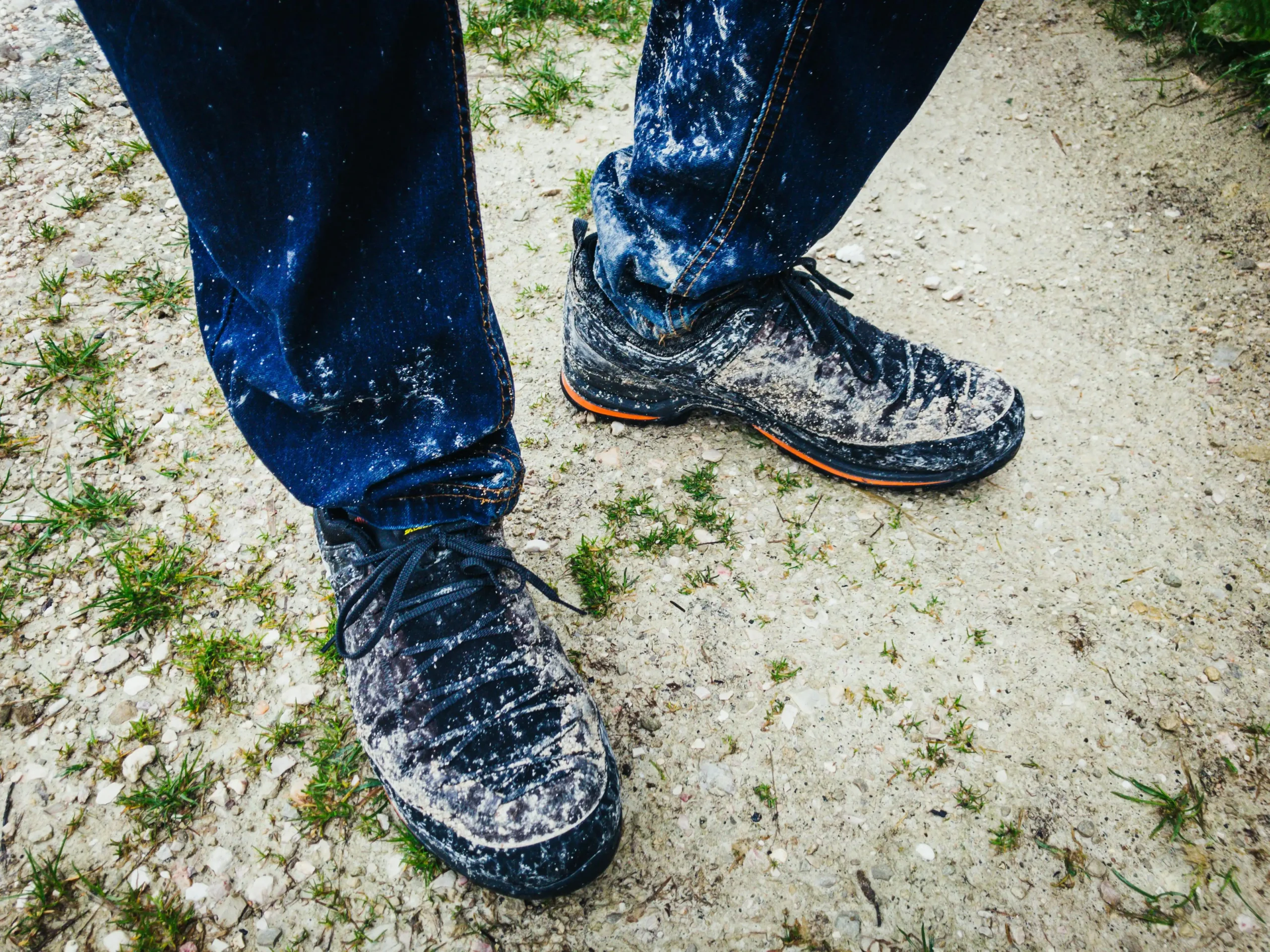
A smooth worn area differs from a torn lug or a crack growing from a flex groove. Peeling between layers is a bond issue, while rapid loss at one cavity may indicate molding variation. Photograph the outsole before cleaning it and mark size, side, location, surface history and production identity.
- Progressive surface loss: review abrasion resistance, compound and tread contact.
- Chunking or lug tear: review tear strength, notch geometry and compound cure.
- Flex crack: review groove, thickness transition and cut-growth behavior.
- Layer separation: review material interface and bonding process.
- Uneven local wear: review molded thickness, contact geometry and cavity consistency.
Use separate tests for separate properties
ISO 20871:2018 specifies a method for determining outsole abrasion resistance, irrespective of material. It supports comparison under one method but does not establish a universal footwear lifespan. The buyer and laboratory need an acceptance requirement suited to the intended product and surface.
ISO 17707:2005 covers outsole flex resistance and assesses the effect of sole material and surface pattern on cut growth within its stated rigidity scope. For a thin barefoot outsole, confirm applicability with the laboratory rather than copying a cycle count from another construction.
If the failure is a tear, split or delamination, select the corresponding current method for that property. Abrasion, tear and flex results answer different questions. A good result in one test does not replace evidence for another failure mode.
Fix 1: lock the compound as a controlled material
Record polymer family, supplier, article or formula code, color, hardness method, cure state and agreed material tests. Pigment, filler and recycled-content changes can alter processing and wear behavior. Treat a compound substitution as an engineering change even when the molded outsole looks similar.
| Control item | Specification record | Bulk evidence |
|---|---|---|
| Compound | Supplier and material code | Lot identity and incoming result |
| Hardness | Method, conditioning and range | Lot sampling under same method |
| Tread | Approved drawing and surface finish | Cavity and dimension inspection |
| Thickness | Measurement map and tolerance | Size and cavity checks |
| Performance | Named abrasion, tear or flex method | Report linked to lot and sample |
Fix 2: remove stress concentrators from the tread
Sharp internal corners, abrupt thickness changes, narrow lug roots and grooves ending at a loaded edge can start cracks. Review the mold drawing and a molded section, not only the outsole render. Keep flex zones compatible with the intended ground feel while leaving enough material around notches and junctions.
Fix 3: validate the complete shoe on representative use conditions
Material specimens support screening, but the finished shoe adds geometry, bonding and flex. Define representative surfaces and a controlled evaluation with the buyer and laboratory. Record the starting dimensions, conditioning, method, result and failure mode. Keep retained samples for comparison when bulk concerns appear.
- Approve compound identity and material test plan.
- Inspect molded outsoles for thickness, tread and cavity variation.
- Test the relevant failure property on material or sole specimens.
- Build complete shoes with production-intent bonding and geometry.
- Evaluate the finished construction under the agreed condition.
- Freeze the bill of materials, mold revision, process and signed sample.
Bulk production controls
- Trace compound and pigment lots.
- Record molding machine, cavity, date and cure settings.
- Check outsole weight and thickness at defined locations.
- Inspect tread fill, surface, flash and trapped contamination.
- Apply the agreed lot sampling for relevant performance.
- Hold a lot when material identity or test evidence is incomplete.
- Revalidate a compound, color, mold or process change.
Place compound checks in the incoming inspection plan and molding checks in the production control plan. If construction is still open, compare options in the outsole bonding guide.
Keytop Barefoot Shoes project terms
Keytop Barefoot Shoes supports OEM and ODM barefoot footwear development from 500 pairs per color and style. Samples are normally developed in 10–21 days after the compound, outsole drawing and project inputs are confirmed.
Method and limits
This guide describes sourcing and quality control. It does not state a universal outsole thickness, abrasion limit, flex cycle, service life, cost or defect reduction. The project requirement must match the material, geometry, use surface, size range and destination market.
FAQ
Does harder rubber last longer?
Hardness alone does not determine wear. Compound chemistry, cure, tread geometry, surface and flex behavior influence the result. Compare candidates under the same methods.
Can a deeper outsole solve premature wear?
Extra material may change wear allowance, but it also changes weight, flexibility and ground feel. Identify whether the failure is abrasion, tear, crack or bond loss before changing thickness.
Why keep cavity traceability?
Repeated wear or dimension issues from one cavity can point to mold fill, venting or geometry variation. Cavity identity makes the investigation narrower and more reproducible.
Send the outsole drawing, compound data and wear photos to discuss a measurable correction.
Leave a Comment
Ask a sourcing question, add your view, or request follow-up from our team.