
Key takeaways
- Stock and custom are not simply fast versus slow.
- A useful comparison starts with the brand’s non-negotiable specification and the question the first order must prove.
- The scorecard below audits real stock scope, maps custom development, compares exposure, and gives both routes the same RFQ basis.
Stock and custom are not simply fast versus slow. They shift control, cash, approval work, and inventory risk to different parts of the launch.
A useful comparison starts with the brand’s non-negotiable specification and the question the first order must prove.
The scorecard below audits real stock scope, maps custom development, compares exposure, and gives both routes the same RFQ basis.
Decide whether speed or product control leads the launch
The route decision is simple: choose stock when the launch can accept an existing specification, and choose custom when the brand cannot launch without controlling fit, materials, construction, or identity. Price comes after that boundary is clear.
Launch deadline and validation goal
Write down what the first order must prove. A market test may need fast access to real product and a controlled size mix. A brand launch may need a signed-off fit, exclusive upper, packaging system, and repeat-order file. A fast shipment is not useful if it cannot test the promise the brand plans to sell.
Brand differentiation and control threshold
| Launch condition | Stock route | Custom route | Decision risk |
|---|---|---|---|
| Existing fit and construction are acceptable | Strong candidate after sample and inventory check | May add cost and time without changing the offer | Overdeveloping before demand is known |
| Brand needs its own fit or outsole behavior | Weak candidate unless an existing model already matches | Needed to control the specification | Launching a stock product that contradicts the brand promise |
| Deadline cannot move | Depends on confirmed inventory, size mix, and reservation | Depends on approved development scope and realistic gates | Treating an estimate as reserved capacity or available stock |
The RFQ should also cover reorder consistency matters from day one: A first buy that cannot be repeated in the same form.
Before asking for unit prices, tell suppliers which control points are non-negotiable and which can follow an existing model. That makes stock and custom quotes comparable.
The buyer follow-up is to record the control threshold in the launch brief before comparing suppliers.
To connect Decide whether speed or product control leads the launch with the next buyer route, review stock barefoot shoes vs custom production before closing the RFQ or approval record.
Audit what a stock program actually includes
“In stock” can mean finished inventory, components ready for assembly, or a familiar base model that still needs production. Ask the supplier to define the state of every SKU. The answer changes timing, inspection, branding, and reorder risk.
Available models, colors, and size runs
Request a dated inventory list showing model code, color, size, quantity, location, and reservation period. Check one physical pair against the sheet. If the size run is incomplete, ask whether the supplier will split, substitute, or produce the missing cells and how that affects the shipment.
Branding limits and replenishment evidence
| Question | Acceptable evidence | What it reveals | Risk if vague |
|---|---|---|---|
| Is the product finished or waiting for an operation? | Dated stock report and current product photos | Whether the quoted timing is inventory or production timing | A “stock” order enters a hidden production queue |
| Which branding changes are possible? | Position map, method, material limit, and approval sample | Whether private label changes only identity or alters the product | Logo work damages the upper or resets delivery expectations |
| Can the same model be replenished? | Component status, model version, and reorder conditions | Whether the launch can become a stable program | The next order arrives with a changed sole, upper, or color |
Resolve these questions before approval: what is inspected before shipment?: The buyer assumes a custom QC plan that was never applied.
Do not score the stock route until the supplier has answered all four questions in writing.
barefoot shoes provides the related product or service context for Audit what a stock program actually includes.
Route decision
Share the non-negotiable specification, launch date, demand assumption, branding scope, and reorder goal to compare stock and custom on one basis.
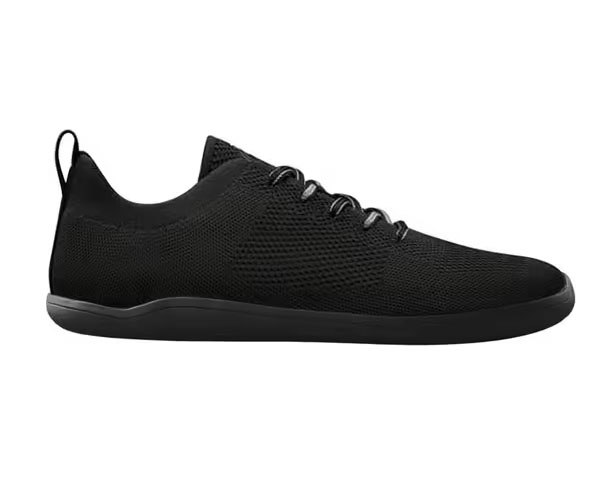
Map custom development scope before comparing quotes
“Custom” can mean artwork on an existing model, a changed upper on an existing platform, or a new fit and construction. Split the request into controlled work packages so suppliers quote the same development scope.
The core RFQ inputs are the approved use case, specification, quantity and MOQ basis, target launch date, lead time basis, sample route, branding, packaging, destination, and ownership of any new tooling or files.
Existing assets versus new development
| Work package | Questions for the supplier | Approval proof | Commercial effect to clarify |
|---|---|---|---|
| Last and size grading | Can an existing last meet the fit brief? Which sizes are already graded? | Last reference, measurements, and graded sample plan | New tooling, grading work, sample rounds, and ownership |
| Outsole and underfoot stack | Which molds and compounds fit the use case? What must change? | Drawing, material route, outsole sample, and finished-shoe comparison | Tooling, material minimums, color limits, and development timing |
| Upper, materials, and branding | Which patterns and materials are existing? Where can identity change? | Marked pattern, swatches, logo proof, and assembled sample | Sampling, print or embroidery setup, material commitments, and wastage |
The RFQ should also cover packaging and production control: Artwork work, pack-out cost, inspection scope, and reorder control.
Change boundary and sample gates
Ask each supplier to mark the current base model, proposed changes, new assets, buyer-owned assets, open decisions, and the event that authorizes the next stage. A custom quote is comparable only when feasibility, sample rounds, tooling, approvals, packaging, production, and future access to the developed assets are stated on the same basis.
- Confirm the minimum order basis. Ask whether it applies by model, color, size mix, material, component, packaging, or production route. The risk is comparing a total quantity with a supplier condition that operates at a lower level.
- Confirm the lead-time basis. Ask which event starts development and production timing and which buyer or supplier changes reset it. The risk is treating an estimate as a committed schedule before approvals are closed.
- Request a quote boundary. Separate samples, tools, materials, branding, packaging, inspection, freight basis, and recurring versus one-time cost. The risk is choosing a low unit quote with unpriced development work.
- Define the next approval. Name the file or sample the buyer will review, the proof the supplier must return, and the decision that releases the next spend.
If the non-negotiable fit or construction cannot be met by stock, use the custom barefoot shoe development route to define the sample plan.
To connect Map custom development scope before comparing quotes with the next buyer route, review barefoot shoes before closing the RFQ or approval record.
barefoot running shoes product route provides the related product or service context for Map custom development scope before comparing quotes.
Compare cash, timing, and inventory exposure
Stock and custom move cash at different points. Stock concentrates risk in available sizes and sell-through. Custom spreads risk across development, approvals, production, and the final quantity commitment. Compare the whole path, not only the unit quote.
Deposits, development spend, and landed assumptions
For each route, list product cost, sample or development charges, tooling, branding, packaging, inspection, freight, duty, and payment timing. Use the supplier’s current written terms. Do not copy a deposit pattern from another quotation or treat tooling as part of the unit price unless the quote says so.
Schedule buffers and unsold-stock risk
The RFQ should also cover availability: Set an expiry date on every availability or capacity statement; Approval timing: Name the approver and the evidence needed at each gate; Inventory: Use launch demand, size evidence, and reorder logic.
The RFQ should also cover landed cost: Compare quotes on the same destination and packing basis.
The winning route is the one whose cash and schedule risks the brand can actively control.
Check each cash and timing assumption against the supplier’s current quote and approval schedule before committing inventory.
To connect Compare cash, timing, and inventory exposure with the next buyer route, review barefoot running shoes product route before closing the RFQ or approval record.
barefoot shoe manufacturing for indie brands provides the related product or service context for Compare cash, timing, and inventory exposure.
Use a launch scorecard and RFQ handoff
A useful scorecard does not pretend that every launch values the same factors. Rank the criteria first, then score each route only after the supplier has supplied evidence.
Weighted route decision
The RFQ should also cover specification fit: Which specification changes are feasible and who approves them?; Launch timing: Which sample, material, tooling, and approval gates control release?; Cash exposure: Which development and tooling costs recur or remain buyer-owned?.
The RFQ should also cover reorder control: Which files and samples control repeat production?.
Comparable supplier questions and proof files
- Send the same target user, use case, size span, quantity, branding, packing, destination, and deadline to every supplier.
- Request a stock list and sample for the stock route; request a feasibility response, development plan, and sample gates for custom.
- Require each exception to be written beside the affected specification or commercial line.
- Score only confirmed evidence. Mark an unanswered item as open rather than guessing.
Use the custom barefoot shoe development when the scorecard shows that an existing model cannot meet the launch specification.
In conclusion
Choose stock when the available product already meets the launch’s non-negotiable specification and the supplier can prove inventory, size coverage, branding limits, inspection scope, and replenishment conditions. Choose custom when the brand must control fit, construction, materials, identity, or repeat-order files.
Before approval, compare both routes on the same use case, quantity, destination, deadline, and evidence request. Keep the selected route, accepted exceptions, sample reference, commercial quote, and reorder condition in one launch record.
If the existing model cannot meet the brief, use the custom barefoot shoe development route to define the next sample step.
Stock barefoot shoes vs custom production FAQ
Can a stock model carry private-label branding?
Sometimes, but the supplier must confirm the branding position, method, material limit, approval sample, and available inventory. Adding a logo does not make the product custom if the last, outsole, upper, and size grading stay unchanged.
When does custom tooling become necessary?
Custom tooling may be needed when the approved use case cannot be met by an existing last, outsole mold, component, or pattern. Ask the supplier to separate changes that use existing assets from changes that need new tooling, then record ownership and future access in the quote.
How should buyers compare lead-time promises?
Compare scope and starting point. A stock promise should begin with confirmed, reserved inventory. A custom promise should state the development route and identify sample, material, tooling, artwork, deposit, production, and shipping gates. Treat dates as comparable only when both suppliers are pricing the same approved scope.
The buyer follow-up is to ask both routes for written evidence on the same scope before selecting one.
To connect Stock barefoot shoes vs custom production FAQ with the next buyer route, review blog before closing the RFQ or approval record.
Procurement note: Send the non-negotiable specification, launch deadline, target quantity, branding scope, and evidence needed to compare stock and custom routes. Contact the team.
Primary references
These sources define test methods or regulatory context. Set pass/fail limits in the buyer-approved specification; a linked standard does not prove that a specific sample passed.
- ISO 9001:2015 — Quality management systems — QMS requirements for controlled processes, records and continual improvement.
- ISO 2859-1:2026 — AQL sampling by attributes — Lot-by-lot sampling schemes and acceptance or rejection thresholds.
Leave a Comment
Ask a sourcing question, add your view, or request follow-up from our team. We keep the form short so it feels natural inside the article page.