Every barefoot shoe order needs a sizing-tolerance decision before the buyer requests a quote, sample, or supplier recommendation. Without a documented record of inspection points, proof requirements, red flags, and buyer questions, a wrong judgment can create inaccurate quotes, bad samples, quality disputes, delivery delays, reorder variation, or supplier mismatch.
Barefoot sizing needs its width tolerance stated separately from length, because width is what the customer paid for.
Buyer summary: Buyers should verify samples, materials, tolerances, and bulk-production risk. That means confirming the quality risk inputs, requesting the supporting proof from the supplier, and freezing the acceptance checks before any sample, bulk, or reorder commitment is signed. Keep the completed record with the order file so later rounds compare against the same reference.
Define the Buyer Decision for Barefoot Shoes Sizing Tolerance Checklist
A workable barefoot-shoe tolerance is not a generic number copied across every style. It is a written measurement agreement tied to the approved last, size run, measuring points, test method, and sample. Before accepting a quote, require the supplier to show how each finished shoe will be measured and what happens when a result falls outside the agreed range.
| Buyer checkpoint | Supplier proof | Approval action |
|---|---|---|
| Size-by-size measuring points | Annotated drawing for internal length, forefoot width, stack height, and heel position | Attach the drawing to the RFQ and sample approval record |
| Repeatable measurement method | Gauge or fixture description, conditioning method, and completed sample report | Reject results that cannot be reproduced by both buyer and factory |
| Bulk control plan | Inspection frequency, escalation rule, and traceable QC records | Release bulk production only after the control plan is signed |
How this checklist was built: the review method maps the buyer’s specification, the factory’s measuring method, the retained sample, and the bulk inspection record to the same approval revision. It emphasizes failure signatures seen during fit review: inconsistent measuring points, left-right variation, unclear size grading, and a sample that cannot be reproduced in bulk. The practical test is simple: a second inspector should be able to repeat the measurement and reach the same pass-or-hold decision.
Do not treat the approved sample as a visual reference only. Retain a signed measurement sheet and a physical reference pair, then use both for first-article and final inspection. If the supplier cannot identify the measuring fixture, the responsible QC owner, and the out-of-tolerance response, the quote is not ready for comparison.
Scope and limitations: this checklist does not prescribe a universal numeric tolerance or replace wear testing, target-market fit validation, or an agreed inspection standard. The buyer and supplier must set style-specific limits after reviewing the last, materials, construction, size range, measurement conditions, and intended user population.
Confirm Product and Order Scope
Treat these checks as a release rule: approve only when the supplier evidence matches the written requirement.
- Supplier cannot provide a written sizing tolerance range per size run. Without a documented range, you cannot verify consistency across production batches, leading to fit failures and returns. Immediately request a signed tolerance specification for each size in the order. Signed tolerance spec sheet showing acceptable deviation in mm for length, width, and toe-box height. Stop order processing until written tolerance evidence is received and reviewed.
- Supplier refuses to allow inline measurement checks during sample approval. You cannot confirm that production units match the approved sample, risking a full batch of out-of-spec shoes. Insist on a clause in the order contract permitting random inline checks at the factory. Email or contract clause confirming buyer or third-party access for inline measurement verification. Do not approve sample or release deposit without written access confirmation.
- Supplier has no documented procedure for measuring zero-drop stack height and toe-box width. Without a standard method, measurements are inconsistent, and you cannot trust submitted tolerance data. Ask for their written measurement SOP and request a live demonstration during sample review. Copy of the SOP and a video or photo of the measurement being performed on a sample. If SOP is missing, require the supplier to create one before proceeding to bulk production.
- Supplier's sizing tolerance evidence is based on a different product type (e.g., casual shoes) not barefoot shoes. Construction and materials differ; using irrelevant data leads to incorrect fit assumptions and order rejection. Demand tolerance data specifically from a barefoot shoe production run, not from other footwear lines. Inspection report or sample measurement log from a prior barefoot shoe order, including size run data. Reject the supplier's generic evidence and set a deadline for barefoot-specific documentation.
- In-process QC checks measure length and width tolerance per size run against approved sample. Signed QC checklist with actual measurement readings for the last production batch. Supplier in-line QC team. Without documented checks, tolerance drift may go undetected until final inspection. Require the checklist as part of sample approval package.
- Supplier has a written approval gate before bulk production begins for sizing tolerance. Signed sample approval form that includes tolerance range and measurement method. Supplier's sample room and buyer's quality engineer. Missing approval gate allows production to start with unverified tolerances, risking order rejection. Confirm the approval gate is in the supplier's SOP; do not release deposit without signed form.
- Tolerance verification uses calibrated measurement tools traceable to a standard. Calibration certificate for the foot-measuring device used in QC. Supplier's QC department or third-party calibration service. Uncalibrated tools produce unreliable measurements, leading to fit complaints. Request the certificate during factory audit or before sample sign-off.
- Supplier can produce barefoot shoes with consistent sizing across multiple size runs for barefoot running shoes. Third-party lab report showing tolerance consistency across three consecutive size runs. Independent testing lab or supplier's quality manager. Inconsistent runs increase sorting cost and delay delivery for retail launch. Request the lab report before approving bulk production.
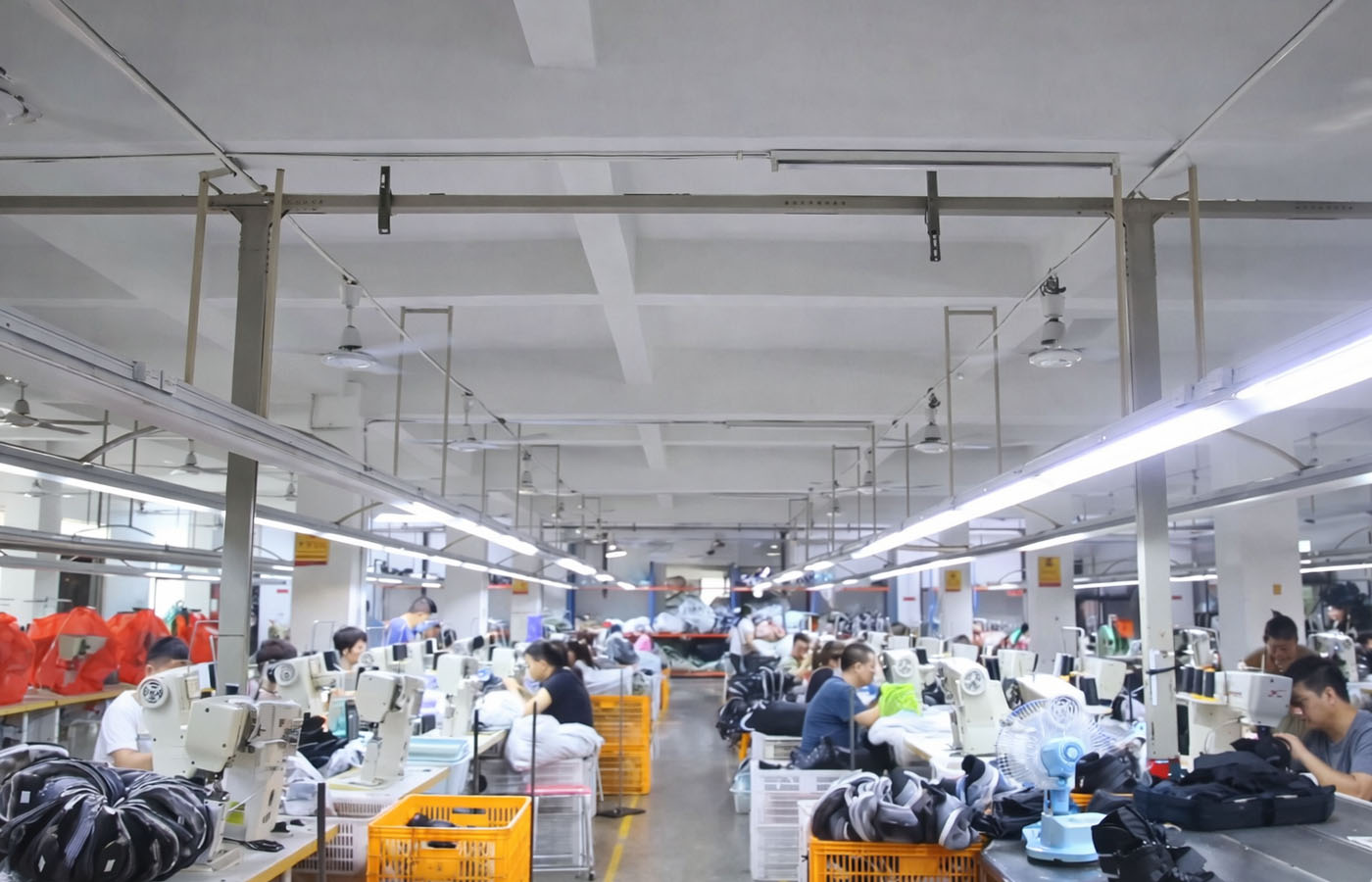
Build the Verification Checklist
Start with this evidence:
- What measurement method does the supplier use to verify insole length and toe-box width? Ensures the verification method is repeatable and matches your quality check process. Supplier uses a calibrated digital caliper and records measurements on a standard form per pair. Inconsistent measurement methods lead to disputes over fit compliance during bulk inspection. Ask for a copy of their measurement standard operating procedure and sample records.
- Is the sizing tolerance approved before bulk production begins? Prevents costly rework by locking fit parameters at the sample stage, not after production. Supplier requires written sign-off on tolerance values before releasing the production order. Skipping pre-production approval can result in entire batches failing your fit criteria. Include a tolerance approval clause in the sample approval report and hold shipment until signed.
- What is the supplier's process for handling out-of-tolerance shoes found during final inspection? Reveals whether the supplier has a corrective action plan to protect your order quality. Supplier segregates non-conforming pairs, documents deviation, and offers replacement or rework. Without a clear process, you may receive mixed-quality shoes or face delays in replacement. Require a written non-conformance procedure in the quality agreement before order placement.
- Can the supplier provide a signed sample approval report that includes measured tolerance values for casual barefoot shoes? Verifies that the supplier can produce and document proof of fit for your specific product line. Supplier delivers a report with actual measurements, date, and authorized signature per sample. Missing or unsigned reports leave you without evidence to enforce fit standards later. Collect the signed report and compare measurements against your approved specification before bulk release.
Compare Quote and Production Assumptions
When a supplier quotes a barefoot shoe, the sizing tolerance is often assumed rather than specified. This ambiguity leads to mismatched fit expectations between your spec and their production. The control is a direct comparison of your quote request assumptions against the factory’s documented tolerances before any tooling or sample order begins.
Use this checklist to align quote and production assumptions:
- Specs: Confirm the factory’s standard tolerance for toe-box width, arch height, and sole thickness. Request a written tolerance range for each size point.
- Cost/MOQ: Verify if tighter tolerances increase unit cost or minimum order quantity. Ask for a price breakdown per tolerance tier.
- Production Risk: Identify which tolerance parameters have the highest variance risk (e.g., toe-box width in larger sizes). Request past production data or sample evidence.
- Factory Execution: Require a pre-production sample that matches your tolerance spec. Insist on a signed tolerance agreement before bulk production.
- quote request/Sample Handoff: Attach a tolerance checklist to your quote request and sample request. Document all assumptions in writing and have the factory confirm them.
For more on customization options, see custom barefoot shoe development.
Run the Review Before Approval
At this stage, the supplier has submitted a sizing tolerance proposal. The buyer must compare it against the approved specification, sample, and quotation before production can proceed. The result should be a verified checklist that confirms or rejects the supplier’s claims.
Questions to send back to the supplier
- What is the exact length and width tolerance per size, and how is it measured (e.g., on a last or finished shoe)?
- Does the tolerance apply to all materials in your order, or vary by upper or outsole construction?
- Can you provide a signed quote request confirmation that matches the sample measurement, not a general standard?
- How do you handle shoes that fall outside the agreed tolerance—rework, reject, or discount?
When to revise, escalate, or reject
If the supplier cannot provide a clear, quote request-confirmed tolerance or the sample deviates from the agreed specification, revise the request. Escalate when the supplier cites an unsupported dimension without provenance. Reject if the tolerance is unverified or the supplier refuses to commit to a measurable standard.
| Checkpoint | Buyer Verification Question | Decision Rule |
|---|---|---|
| Specs | Does the supplier confirm the tolerance per size in writing? | Approve only with RFQ-confirmed tolerance |
| Commercial effect | Does the accepted tolerance affect unit cost or inspection workload? | Revise if cost changes without justification |
| Production risk | Can the supplier demonstrate consistent tolerance across past orders? | Escalate if no evidence provided |
| Factory execution | How is tolerance checked during production? | Reject if no inline check process |
Keytop Barefoot Shoes, a Jinjiang-based B2B barefoot shoe OEM/ODM manufacturer, emphasizes that sizing tolerance must be verified at the quote request stage. Send these questions before sample approval. For more guidance, see barefoot shoe manufacturing for indie brands.
Move from Review to RFQ or Sample
When a supplier’s sizing tolerance is unverified, the buyer risks receiving shoes that deviate from the specified fit, leading to returns or rework. The control is a structured quote request that requires the supplier to confirm their documented tolerance for each style before sample approval.
Inputs to include in the next message
- Request the supplier’s standard sizing tolerance for each barefoot shoe style, including length and width measurements.
- Ask the supplier to confirm their measurement method (e.g., last measurement, insole measurement, or finished shoe measurement).
- Specify your required tolerance range (e.g., within a few millimeters) and ask the supplier to agree in writing.
- Include a question about how they handle tolerance deviations during production (e.g., rework, sorting, or rejection).
- Request a sample pair with a measurement report showing actual dimensions against the specified tolerance.
Ownership and sign-off for the next gate
The buyer’s sourcing or quality engineer reviews the supplier’s tolerance confirmation and sample measurement report. Sign-off requires that the supplier’s documented tolerance matches the buyer’s requirement and that the sample falls within that tolerance. The next gate is sample approval or quote request finalization.
Below is a checklist for the quote request or sample handoff:
| Checkpoint | Buyer Verification Question |
|---|---|
| Tolerance confirmation | Has the supplier provided a written tolerance for each style? |
| Measurement method | Is the measurement method (last, insole, or finished shoe) documented? |
| Sample measurement | Does the sample measurement report show compliance with the agreed tolerance? |
| Deviation handling | Does the supplier have a process for handling out-of-tolerance units? |
After sign-off, proceed to sample production or bulk order placement. For more about Keytop Barefoot Shoes’ approach, visit Keytop Barefoot Shoes barefoot shoe factory.
Source check: ISO 9001 quality management standard; Barefoot Shoe Sizing: The Complete Guide – Minimal List.
In conclusion
The sourcing choice for barefoot shoes ultimately rests on how thoroughly you verify sizing tolerance before production. By comparing documented specifications against supplier quote request responses, confirming MOQ and cost implications for tighter tolerances, and approving samples with measured values, you reduce the risk of receiving shoes that deviate from your fit requirements. Documenting each check—from initial quote request fields to signed sample approval—creates a clear handoff to quality control and protects your order from costly rework.
Shortlist only suppliers who provide written sizing tolerance evidence and refuse to proceed without sample verification. This checklist approach ensures you catch discrepancies early, whether you are ordering stock styles or custom production, and keeps your barefoot shoe program aligned with buyer expectations for consistent fit.
Barefoot Shoes Sizing Tolerance Checklist FAQ
What should buyers confirm first?
It depends on the supplier’s documented sizing tolerance for each style. Buyers should confirm the stack height, zero-drop specification, and the allowed deviation in length and width per size, then compare these against the target foot measurements. Request the tolerance data in the quote request, and note that custom production at Keytop Barefoot Shoes requires a minimum of 500 pairs per color per style, with samples taking 10–21 days.
Which proof should be retained for approval and reorders?
Retain the supplier’s written tolerance confirmation and the approved sample measurement report. For reorders, keep the signed-off sample as a physical reference and the QC checklist that documents length, width, and stack height compliance. At Keytop Barefoot Shoes, the sample approval process includes a written sign-off before bulk production begins, and the buyer should verify that the sample matches the quote request tolerance—any deviation should be documented and approved before proceeding.
Which warning signs should stop the order?
Stop the order if the supplier cannot provide a written sizing tolerance in the quote request, if the sample deviates beyond the agreed tolerance without documented approval, or if the supplier refuses to share measurement records. Another warning sign is when the supplier’s lead time or minimum order does not align with your project—for example, if they cannot meet the 500-pair minimum for custom production or if the sample timeline exceeds the quoted range. Always verify sample measurements against the specification before approving bulk production. Approving the wrong structure or supplier proof can create quality, cost, or delivery problems.
quote request handoff: Share your product category, target quantity, market, timeline, and reference files for a practical quote. Send Specs for Review.
Leave a Comment
Ask a sourcing question, add your view, or request follow-up from our team.