
The sourcing record for kids barefoot shoes audit is incomplete until it supports this Compare suppliers, factory proof, samples, MOQ, lead time, and risk signals.
Children's barefoot shoes carry material compliance requirements adult lines do not. The audit has to cover test reports as well as construction.
Buyer summary: For kids barefoot shoes audit, buyers should compare suppliers, factory proof, samples, MOQ, lead time, and risk signals.
Define the Buyer Decision for Kids Barefoot Shoes Supplier Audit
| Requirement | Factory control | Evidence to verify | Order risk | RFQ follow-up |
|---|---|---|---|---|
| Sample approval | Supplier retains signed counter-sample with measurement records. | Compare production sample against approved reference; measure stack height and drop with calipers. | Unapproved samples may lead to dimensional or material deviations in bulk. | Request a sealed sample with signed approval document before deposit. |
| MOQ and order quantity | Factory enforces 500 pairs per style per color for custom production; stock styles allow 50–100 pairs. | Check MOQ clause in RFQ response and confirm inventory for stock styles. | Under-ordering custom production may trigger re-tooling costs or delayed lead times. | Ask supplier to confirm MOQ per style and color in writing before quoting. |
| Material / substrate | Supplier provides material data sheet and GRS certificate if recycled content is specified. | Inspect material swatch against approved spec; request third-party lab test for restricted substances. | Substituted materials can affect durability, safety compliance, or zero-drop performance. | Request material sample and test report as part of RFQ follow-up. |
| Width or size tolerance | Factory uses graded last system with the buyer-approved tolerance for toe-box width across sizes. | Measure width at ball of foot on sample pair; compare to size specification table. | Inconsistent width tolerance may cause fit failures and returns for children's feet. | Ask supplier to provide width measurement data for each size in the range. |
| Finish or color control | Supplier uses spectrophotometer for color matching and maintains a physical color standard. | Compare production piece against approved color chip under buyer-approved viewing conditions; check for glue residue. | Off-shade finishes or visible adhesive marks can trigger retail rejection or markdowns. | Request a color standard chip and approve finish sample before bulk production. |
Material and specification fit
The buyer decision for kids barefoot shoes supplier audit hinges on verifying that every material and dimension matches the product brief. Start by cross-referencing the supplier's material data sheet against your required stack height, zero-drop, and toe-box width. A mismatch in substrate or thickness can compromise the shoe's barefoot function and safety for children. Request a physical swatch and a third-party lab report for restricted substances before moving to sample approval.
MOQ, cost structure, and lead time
MOQ directly impacts your order cost and inventory risk. For custom production, the supplier typically requires 500 pairs per style per color, while stock styles allow smaller quantities. Lead time varies by production path: base-model ODM samples take 7–14 days, whereas full OEM tooling requires 10–21 days. Bulk production after sample approval runs 30–45 days. Confirm these figures in writing during RFQ to avoid surprises in scheduling and payment terms.
Supplier reliability and quality checks
Supplier reliability is validated through documented quality control gates. The factory should provide a signed sample approval document with photos and measurements before bulk production. Verify that the supplier holds ISO 9001:2015 certification, or amfori BSCI / Sedex SMETA audit reports, and request a factory audit report if available. Stop the order if the supplier cannot demonstrate a repeatable process for zero-drop and stack height verification. These checks reduce the risk of non-conforming goods.
Questions to confirm before ordering:
- Does the supplier provide a documented zero-drop and stack height specification for each kids barefoot shoe model? Verifies the shoe meets barefoot criteria; prevents receiving a non-barefoot design. Supplier provides a spec sheet with 0mm drop and 4mm stack height for kids models. Receiving shoes with incorrect drop or stack height, causing returns or brand damage. Request the spec sheet and cross-check against your product brief before sample approval.
- What is the minimum order quantity for custom kids barefoot shoes, and does it vary by color or style? Confirms MOQ aligns with your budget and inventory plan; avoids surprise minimums. Supplier states 500 pairs per color per style for custom production, with stock options at 50-100 pairs. Committing to an minimum order that exceeds your cash flow or storage capacity. Document the minimum order in the RFQ and confirm it applies to your chosen colors and sizes.
- What is the lead time for a full OEM sample of a new kids barefoot shoe design? Determines if the supplier can meet your launch timeline for new tooling or patterns. Supplier quotes 10-21 calendar days for a full OEM sample, with faster base-model ODM samples at 7-14 days. Underestimating sample lead time, delaying your product launch or retail calendar. Specify the production path (OEM vs ODM) in your sample request and confirm the lead time in writing.
- Does the supplier have a documented quality control process for kids barefoot shoes, including material safety checks? Ensures the factory can consistently produce safe, durable shoes for children. Supplier references ISO 9001 certification, or amfori BSCI / Sedex SMETA audit reports, and describes in-line and final inspection steps. Receiving defective or unsafe shoes that fail market regulations or cause customer complaints. Request a copy of the QC checklist and ask for photos of the inspection process during the audit.
for this order, the critical specs are zero-drop and stack height. A 0mm drop and 4mm stack height maintain natural foot posture. Confirm the supplier can document these measurements per model. This prevents receiving a design that alters the barefoot experience, which is the core selling point for your brand.
Custom production for children's barefoot shoes typically starts at 500 pairs per color per style. Stock styles may be available at lower quantities, subject to inventory. Lead time for a full OEM sample ranges from 10 to 21 days, while base-model ODM samples can be faster. Confirm these numbers in the RFQ to align with your budget and launch schedule.
A reliable supplier will have documented quality control processes, such as in-line inspections and final checks. Look for ISO 9001 certification or an amfori BSCI audit report as evidence of a systematic approach. During the audit, ask to see their QC checklist and request photos of inspection points. This reduces the risk of receiving defective or unsafe kids footwear.
Confirm Product and Order Scope
| Option | Best fit | Trade-off | Risk to avoid | Verification | Follow-up |
|---|---|---|---|---|---|
| Standard kids barefoot shoe spec: 4mm stack, zero drop, wide toe box | Buyers with an existing barefoot line requiring consistent baseline spec | Limited variation; may not suit older kids or different terrain use | Supplier may not hold exact last or material for this spec | Request spec sheet and sample to confirm stack height and drop | Compare supplier's existing product spec against your RFQ inputs |
| Alternative spec: 6mm stack height, zero drop, stiffer outsole | Buyers targeting older kids or multi-terrain walking and running | Slightly higher stack alters ground feel; must test with target age group | Supplier may require new tooling or longer sample development time | Ask if supplier has a base model with 6mm stack or can modify existing mold | Request a sample of the nearest existing model before committing to custom |
| Stock styles from existing inventory as a lower-risk fallback | Buyers needing quick launch or low-volume test run without customization | Limited to supplier's existing designs, sizes, and colors; no brand customization | Stock may not match exact barefoot criteria (toe box width, zero drop guarantee) | Request stock style list, photos, and spec sheet; verify zero drop and stack height | Order a sample of the closest stock style for fit and feel evaluation |
Evaluate Confirm Product and Order Scope as one decision scope. Use this decision matrix as an approval sequence, not as a supplier claim. For standard kids barefoot shoes shoe spec: 4mm stack, zero drop, wide toe box, a poor decision can mean supplier may not hold exact last or material for this spec. Request spec sheet and sample to confirm stack height and drop, then compare supplier's existing product spec against your quote request inputs.
For the standard kids barefoot shoe spec: 4mm stack, zero drop, wide toe box checkpoint, keep the supplier response, marked sample, approved specification, quotation, and approval owner under the same revision number. If the evidence conflicts with the approved record, hold the quote, sample, or production release until the deviation is explained in writing. Carry the signed decision record into the purchase order, production handoff, shipment release, and later reorder review so every team works from the same baseline.
Decision criteria to confirm
Before you send the quote request, decide which product scope fits your launch timeline and budget. A current spec uses an approved zero-drop base; an alternative spec changes materials or closure. A custom option gives full control but requires higher minimum order and longer lead time. A safer fallback uses stock styles to test the market first.
RFQ details to send
For each option, list the exact stack height, drop, toe-box width, upper material, closure type, and outsole tread pattern. Attach a technical drawing or reference photo. The supplier will use this to run a construction feasibility check and confirm whether the spec fits an existing mold or requires new tooling.
Production handoff details
After sample approval, lock the approved spec into a written production order. Include the measured stack height, drop, and size run dimensions. The supplier should send a first-article report from the bulk run before you release the deposit. This gate prevents the common mistake of approving a sample and then receiving a different production spec.
quote request checkpoint
Ask B2B buyers to share product category, target quantity, market, timeline, and reference files for a practical quote.
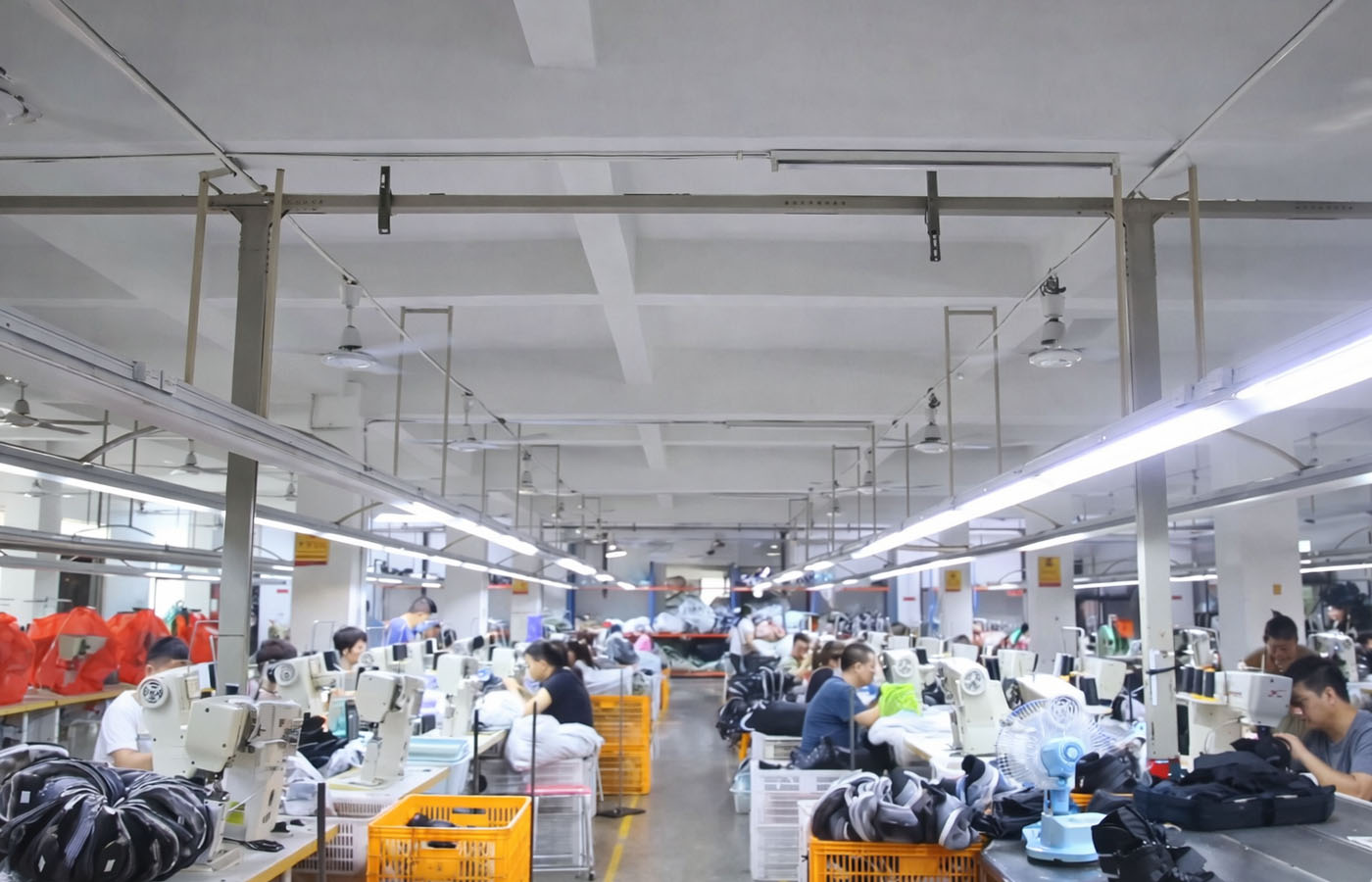
Build the Verification Checklist
At this process checkpoint, you must have a completed quote request and initial supplier shortlist. The output required before the next stage is a verified checklist that confirms the supplier can meet your specs, cost, and production standards. Use this ordered list to audit each candidate:
- Specs Verification: Confirm the supplier can produce kids barefoot shoes with zero-drop soles, wide toe boxes, and flexible materials. Request a spec sheet and compare against your design brief.
- Cost and minimum order Review: Ask for a cost breakdown per pair, including tooling and packaging. Ensure the minimum order aligns with your order volume without forcing overstock.
- Production Risk Assessment: Evaluate the factory’s track record for on-time delivery and defect rates. Request a sample run to test consistency.
- Factory Execution Check: Visit or video-call the facility to inspect machinery, quality control processes, and worker conditions. Look for ISO certification or amfori BSCI audit reports (but verify independently).
- quote request and Sample Handoff: Finalize the quote request with clear payment terms and delivery milestones. After sample approval, document the handoff protocol for bulk production.
This checklist ensures no critical step is missed before moving to sample ordering. For more on barefoot shoe specs, see our casual barefoot shoes page.
Compare Quote and Production Assumptions
for the current product, treat the listed items as quote request inputs. Match each buyer input to written supplier confirmation, approval evidence, and the risk that would hold the quote.
- Specification details: stack height, drop, toe-box width, outsole compound: Ensures the quoted product matches your children's foot anatomy requirements and barefoot design criteria. For a custom barefoot shoe development, confirm a 4mm stack height and 0mm drop per the quote request. Supplier may deliver a non-barefoot design with incorrect toe-box or stack height, causing returns. Compare the spec sheet against your approved sample measurements before signing the quote.
- minimum order or order quantity per color per style: Determines if the minimum order fits your budget and inventory plan for children's footwear. Custom production requires 500 pairs per color per style; stock styles allow 50–100 pairs. You may commit to an unfeasible quantity or face hidden split-lot charges. Verify the minimum order line item on the quote matches the production path (stock vs. custom).
- Lead time: sample and bulk production windows: Aligns delivery with your launch calendar and avoids stockouts or late penalties. Base-model ODM samples take 7–14 days; full OEM samples need 10–21 days; bulk production runs 30–45 days after approval. Unrealistic lead times cause missed retail windows or rushed air freight costs. Request a written timeline per phase and confirm it in the quote.
- Cost driver: material, tooling, and packaging breakdown: Reveals which line items inflate the price and where you can negotiate or substitute. New outsole mold tooling may add supplier-quoted budget level; recycled material options may affect unit cost. Hidden tooling or packaging fees blow the budget after sample approval. Ask the supplier to itemize material, mold, and packaging costs in the quote.
- Quality control: inspection stage and certificate scope: Confirms the factory holds ISO 9001:2015 and can provide CPSIA or REACH documentation for children's shoes. Request a mid-production inspection report and final random inspection before shipment. Non-compliant materials or workmanship may fail customs or cause safety recalls. Add a QC checkpoint clause in the quote and request certificate scans during quote request.
Run the Review Before Approval
At this process checkpoint, you must have a completed quote request and initial barefoot shoe manufacturing for indie brands shortlist. The output required before the next stage is a verified supplier response that confirms each requirement from your quote request, with no unresolved conflicts.
Questions to send back to the supplier
- Confirm the zero-drop and stack height specifications as stated in your quote request—ask for a written confirmation that these match your required range.
- Request a sample lead time that aligns with your project timeline; verify that the supplier can meet your requested delivery window.
- Ask for a breakdown of minimum order per style and color, and confirm that the cost per unit matches your budget parameters.
- Inquire about the production risk mitigation plan, including how they handle material shortages or machine downtime.
- Verify factory execution by requesting a recent audit report or a third-party inspection certificate for their facility.
- Clarify the quote request-to-sample handoff process: who will manage the sample approval, and what is the typical turnaround for revisions?
When to revise, escalate, or reject
Use the decision matrix below to evaluate supplier responses. Each row identifies a requirement from your quote request and the corresponding supplier confirmation needed. If the supplier’s answer is incomplete or conflicts with your requirement, revise the quote request, escalate to a senior contact, or reject the supplier.
| Requirement | Supplier Confirmation Needed | Action if Conflict |
|---|---|---|
| Zero-drop and stack height | Written confirmation of exact measurements | Revise RFQ or reject if not met |
| Sample lead time | Agreed delivery date within your window | Escalate for expedited option or reject |
| MOQ and cost per unit | Breakdown matching your budget | Revise negotiation or reject |
| Production risk plan | Documented mitigation steps | Escalate for more detail or reject |
| Factory audit or inspection | Recent report or certificate | Reject if no verifiable record |
After running this review, you will have a clear go/no-go decision for each supplier. Only proceed to sample approval when all quote request requirements are confirmed in writing.
Move from Review to RFQ or Sample
Before you send the quote request or request a sample, verify that the supplier has provided a measurable record—such as a test report for sole thickness (≤6 mm) or a zero-drop measurement—that confirms their barefoot shoe construction meets your spec. Without this evidence, the decision to proceed is not verifiable.
Inputs to include in the next message
- Spec sheet with confirmed sole thickness, toe-box width, and zero-drop angle.
- Cost breakdown per pair (material, labor, tooling) and minimum order per color/size.
- Production risk summary: past defect rates for similar barefoot styles and corrective actions.
- Factory execution timeline: sample lead time, bulk production start, and inspection milestones.
- quote request/sample handoff: contact person, sign-off authority, and sample approval process.
Ownership and sign-off for the next gate
Assign one buyer-side owner (e.g., sourcing manager) and one supplier-side owner (e.g., sales director) to approve the quote request or sample request. Both must sign off on the spec and cost before moving to sample production.
| Gate | Owner | Sign-off Required |
|---|---|---|
| RFQ review | Sourcing manager | Spec & cost match |
| Sample request | Sales director | Production capacity |
| Sample approval | Quality engineer | Test report pass |
Use this table as a checklist to ensure no gate is skipped. For example, Keytop Barefoot Shoes, a Jinjiang-based B2B OEM/ODM manufacturer, follows this sequence to align buyer requirements with factory execution. Keytop barefoot shoe factory.
Source check: ISO 2859-1 sampling inspection standard; Best Barefoot Shoes for Kids: 2026 Parent's Guide; How To Choose A Reliable China Shoe Manufacturer: Buying Guide.
In conclusion
The sourcing choice for this sourcing program comes down to verifying that every supplier on your shortlist can document zero-drop construction, a verified stack height, and a consistent fit across sizes. By comparing the spec sheets against your quote request, checking minimum order and lead time against your launch plan, and approving a sample only after a documented measurement check, you reduce the risk of receiving shoes that compromise the barefoot design. This audit checklist gives you a repeatable gate to shortlist a supplier that matches your quality and timeline requirements.
To request a quote for this order, use kids barefoot shoes to confirm the final specification, quote assumptions, sample approval, QC evidence, approval risk, and supplier follow-up before bulk order.
Kids Barefoot Shoes Supplier Audit FAQ
What should buyers confirm first?
Buyers should first confirm the supplier’s zero-drop and stack height specification for the current product, typically 4mm stack with 0mm drop, and verify that the wide toe box meets your target child foot shape. Check the minimum order for custom production, which is 500 pairs per color per style, and request a lead time estimate—base-model ODM samples can take 7–14 days, while full OEM samples may need 10–21 days. Document these details in the quote request to avoid misalignment later. Approving the wrong structure or supplier proof can create quality, cost, or delivery problems.
Which proof should be retained for approval and reorders?
Retain the signed sample approval document, which should include photos of the approved sample, material swatches, and the exact stack height and drop measurements. For reorders, keep the original QC report from the first bulk shipment, noting any deviations in sole flexibility or upper stitching. This proof ensures consistency and helps resolve disputes if later batches differ from the approved standard.
Which warning signs should stop the order?
Stop the order if the supplier cannot provide a documented zero-drop and stack height guarantee for this sourcing program, or if they refuse to share a sample for QC verification before bulk production. Also halt if the quoted lead time exceeds 45 days for standard production without a clear reason, or if the minimum order for custom kids styles is not confirmed in writing. These signs indicate potential specification risk or capacity issues that could delay your launch.
quote request handoff: Ask B2B buyers to share product category, target quantity, market, timeline, and reference files for a practical quote. Send Specs for Review.
Leave a Comment
Ask a sourcing question, add your view, or request follow-up from our team. We keep the form short so it feels natural inside the article page.