
The sourcing record for wholesale: product selection is incomplete until it supports this Decide whether Wholesale: Product Selection Checklist fits the use case, specs, MOQ, sample approval path, and supplier quote process.
Wholesale selection is bounded by what can be reordered quickly, since a stockout costs more than a slightly higher unit price.
Buyer summary: For wholesale: product selection, buyers should decide whether Wholesale: Product Selection Checklist fits the use case, specs, MOQ, sample approval path, and supplier quote process.
Define the Buyer Requirement
Use Define the Buyer Requirement as one RFQ checkpoint. Each row should identify the requirement, approval evidence, and buyer action before production.
| Requirement | Factory control | Evidence to verify | Order risk | RFQ follow-up |
|---|---|---|---|---|
| Sample approval | Factory seals pre-production sample against approved spec. | Compare sample to spec sheet; measure dimensions and weight. | Unapproved sample leads to bulk mismatch and returns. | Request sample, approve in writing before deposit. |
| MOQ and order quantity | Factory confirms MOQ per style and color before order. | Check quote for MOQ; verify stock vs custom quantities. | Under-ordering raises unit cost; over-ordering ties capital. | Confirm MOQ in RFQ; align order to sales forecast. |
| Material / substrate | Factory verifies material composition and source. | Request material data sheet and test report. | Substandard material affects durability and compliance. | Specify material in RFQ; ask for certification. |
| Width or size tolerance | Factory checks last and grading for consistent fit. | Measure sample against size specs; test fit on feet. | Tolerance drift causes returns and customer complaints. | Define tolerance in spec; approve fit sample. |
| Finish or color control | Factory uses color standard and batch control. | Compare sample to Pantone or approved color chip. | Color variance across batches harms brand consistency. | Set color standard; request lab dip approval. |
Read the rows as one approval sequence for this order. Start with sample approval; use the risk and buyer-action columns to decide whether its evidence is sufficient. Verify it with the inspection method and approval evidence recorded in the table.
Keep the supplier response, marked sample, and approval owner under the same revision number. If any proof conflicts with the approved record, hold the quote, sample, or production release until the supplier explains the deviation in writing. Before closing the checkpoint, reconcile the latest drawing, sample, quotation, and approval comments, identify which record controls if they disagree, and document the resolution. Carry the signed Define the Buyer Requirement table into the purchase order and production handoff so the same checks support quote comparison, sample approval, shipment release, and later reorders.
Compare the Available Routes
| Option | Best fit | Trade-off | Risk to avoid | Verification | Follow-up |
|---|---|---|---|---|---|
| Current specification | Buyer has a proven barefoot shoe product range and needs repeatable quality. | Limited flexibility for material or design changes; may carry higher cost if spec is over-engineered. | Sticking with outdated spec without re-verifying can lock in avoidable costs. | Check that the spec matches the latest approved sample and production drawings. | Document the current spec as the baseline for any change requests. |
| Alternative specification | Buyer wants to reduce cost or improve function without full redesign. | May require new material sourcing or minor tooling adjustments, affecting lead time. | Swapping materials without testing can alter fit or durability. | Request a revised sample and compare against the original for fit and stack height. | Approve the alternative only after sample sign-off and cost confirmation. |
| Custom option | Buyer needs unique branding, materials, or design for market differentiation. | Higher MOQ (500 pairs per color per style) and longer lead time for tooling or new patterns. | Custom specs may introduce unforeseen production issues or delays. | Confirm the custom spec is feasible with the factory's existing molds or new tooling. | Submit a detailed RFQ with material, color, and branding requirements. |
| Safer fallback | Buyer needs a proven, low-risk option when time or budget is tight. | Limited customization; may not fully meet unique market needs. | Choosing a fallback without checking inventory can delay order if stock is low. | Verify stock availability and lead time for the fallback style before committing. | Place a sample order to validate the fallback before bulk purchase. |
Evaluate Compare the Available Routes as one decision scope. Use this decision matrix as an approval sequence, not as a supplier claim. For current specification, a poor decision can mean sticking with outdated spec without re-verifying can lock in avoidable costs. Ask the supplier to check that the spec matches the latest approved sample and production drawings.
For wholesale: product selection, preserve the current specification decision under one revision number: keep the supplier response, marked sample, approved specification, quotation, and approval owner together. If the evidence conflicts with the approved record, hold the quote, sample, or production release until the deviation is explained in writing. Once the buyer and designated technical authority have accepted the evidence, carry the signed Compare the Available Routes record into the purchase order, production handoff, shipment release, and later reorder review so every team works from the same baseline.
RFQ checkpoint
Ask B2B buyers to share product category, target quantity, market, timeline, and reference files for a practical quote.
Review the Required Proof
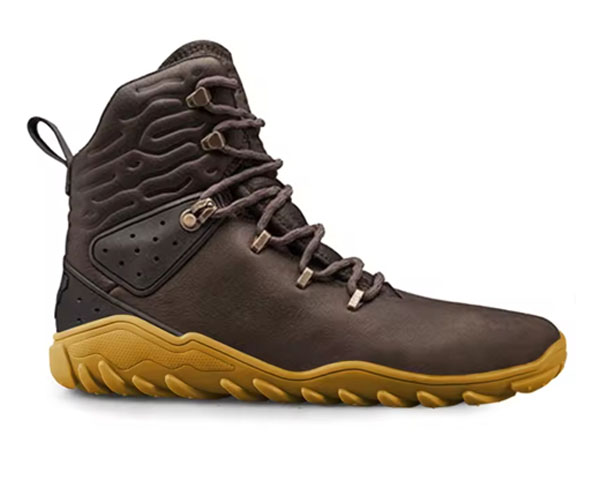
Before you commit to a wholesale order, the proof must be verifiable: a physical sample, a measurement record, or a test report. For barefoot shoes, that means checking the actual sole thickness, toe-box width, and drop against your spec sheet—not just trusting a photo or a PDF.
Use this checklist to turn factory claims into decisions:
- Specs: Confirm sole thickness, drop, and toe-box width on the sample; request a measurement sheet signed by QC.
- Cost or MOQ: Ask for a tiered price list and minimum order quantity in writing; verify that the minimum order matches your cash flow.
- Production risk: Identify which materials (e.g., rubber, mesh) are hardest to source; ask how the factory mitigates delays.
- Factory execution: Request a production timeline with milestones and a QC checkpoint plan.
- quote request/sample handoff: Send a formal quote request with your spec sheet, and require a sample approval form before bulk production.
Keytop Barefoot Shoes, a Jinjiang-based B2B barefoot shoe OEM/ODM manufacturer, follows this discipline: every sample is measured against the spec before it ships. For more on casual barefoot styles, see our casual barefoot shoes range.
Build the Decision Asset
At the checkpoint where you have defined the buyer requirement and compared available routes, the next stage demands a tangible decision asset: a consolidated file that turns scattered emails, quotes, and sample notes into one approval-ready document. This asset is what you hand to a stakeholder or use to lock the factory selection.
Supplier evidence to request
Verify that the factory can deliver what the spec sheet promises. For custom barefoot shoe development shoes, this means checking the actual sole flexibility, toe-box width, and material stack. Ask for a physical sample or a measurement report, not just a digital photo. If the supplier is a Jinjiang-based OEM/ODM like Keytop Barefoot Shoes, confirm they can handle the specific construction details you need.
Sample approval evidence
Before any bulk commitment, the sample must pass your internal review. Record the approval evidence: the sample ID, the date received, and the test results. If the sample fails, document the gap and request a revised version. This step protects you from production surprises.
Reorder control records
Finally, set the rules for reordering. Define what triggers a reorder, who approves it, and how you will verify that the factory still meets the approved spec. This prevents drift in quality or cost over time. Use the table below to structure your decision asset.
| Checkpoint | Required Evidence | Approval Gate |
|---|---|---|
| Spec compliance | Sample measurement report | Matches spec sheet |
| Cost and MOQ | Quoted unit price and MOQ | Within budget and volume |
| Production risk | Factory capability summary | No red flags |
| Execution plan | RFQ and sample handoff log | Clear next steps |
Keep this asset updated as you move from quote request to sample to bulk. It becomes your single source of truth for the entire selection process.
Prepare Comparable RFQ Inputs
- Which barefoot shoe constructions can your factory produce in-house? Confirms the supplier can handle zero-drop, wide-toe-box lasts and specific sole builds. Lists barefoot-specific production lines, not just general athletic shoes. A supplier without barefoot experience may alter stack height or toe-box shape. Request a capability sheet and sample photos of similar barefoot models.
- What proof do you provide for material and construction claims? Verifies that the factory can back up specs like 4mm stack height or 0mm drop. Offers physical samples, spec sheets, or third-party test reports. Unverified claims can lead to spec drift and returns. Ask for a sample and a written specification sheet before quote request.
- How do you handle quality control during production? Ensures the supplier has checkpoints to catch defects before shipment. Describes in-line and final inspections with clear pass/fail criteria. Poor QC can result in inconsistent sizing or sole separation. Request a QC checklist and inspection report from a recent order.
- What is your process for approving samples before bulk production? Confirms there is a formal gate to lock specs before you commit to a large order. Requires written sample approval before deposit and production. Without a formal approval, the bulk run may not match the sample. Define a sample approval form and sign-off deadline in the quote request.
- How do you manage reorders and lead times for repeat orders? Ensures the supplier can handle your future demand without long delays. States a clear reorder trigger and a production timeline for repeat runs. Unexpected lead time changes can disrupt your inventory. Ask for a reorder lead time and minimum order for stock styles.
Source check: ISO 2859-1 sampling inspection standard; How do I reduce supplier risk before placing a wholesale order?…; How to Find and Evaluate Quality Product Suppliers: A Strategic….
In conclusion
The final approval for your wholesale product selection rests on a disciplined review of specification, cost, and supplier proof. Check that the product type matches your target market’s foot shape and activity, compare the stack height and drop against your brand promise, and verify that the minimum order and lead time align with your cash flow and launch timeline. Document every decision in a comparable quote request input sheet, and shortlist only suppliers who can provide verifiable certifications and a physical sample that meets your quality bar.
Before you approve a sample, validate the spec against your buyer requirement, and confirm that the factory can maintain consistent quality for repeat orders. If the sample passes, you have a clear, evidence-based decision asset that moves you to the next stage. If it fails, compare options and request a revised quote from a shortlisted supplier. The goal is not just to find a product, but to lock a supplier who can deliver on spec, on time, and on budget.
To request a quote for wholesale: product selection, use wholesale to confirm the final specification, quote assumptions, sample approval, QC evidence, approval risk, and supplier follow-up before bulk order.
Frequently Asked Questions
How should a b2b buyer choose product type?
Shortlist product types by matching your target market’s foot shape and activity, then verify the factory’s specification sheet. For barefoot shoes, confirm stack height and zero-drop; for example, Keytop offers 4mm stack for running and 8mm for casual styles. Check minimum order impact: stock styles start at 50-100 pairs, while custom production requires 500 pairs per color per style. Compare cost and lead time across options, and request a sample to verify fit and construction before committing.
Which supplier proof should buyers request for wholesale?
Request verifiable proof: ISO 9001:2015 certification, amfori BSCI or Sedex SMETA audit reports, and GRS certification for recycled materials, plus a physical sample for QC. Confirm the sample’s specification against your checklist, including stack height and drop. For custom orders, ask for a base-model sample within 7-14 days or a full OEM sample in 10-21 days. Verify production capacity and lead times, and document all claims in the quote request to mitigate supplier risk.
What should buyers lock before approving product selection checklist?
Lock the approved sample’s specification, including material, color, and packaging, plus the agreed minimum order and lead time. Confirm payment terms, typically 30% deposit and 70% before shipment, and ensure the factory can maintain quality for repeat orders. Document the sample approval in writing before bulk production, and verify that the production timeline matches your launch plan. This prevents costly revisions and ensures consistency.
quote request handoff: Ask B2B buyers to share product category, target quantity, market, timeline, and reference files for a practical quote. Send Specs for Review.
Leave a Comment
Ask a sourcing question, add your view, or request follow-up from our team. We keep the form short so it feels natural inside the article page.