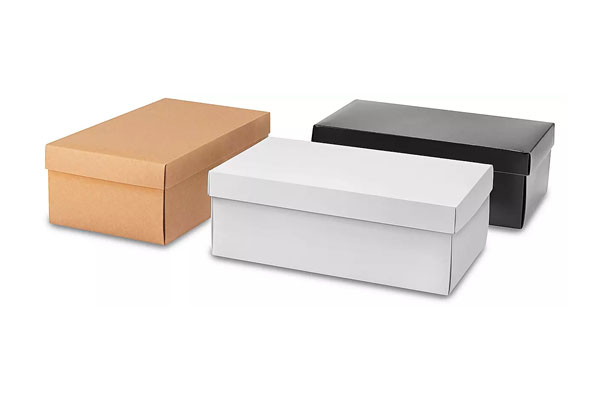
Kort svar: Ett program för private label-barefootskor kräver en kontrollerad produktbas, varumärkesspecifikation, etikett- och förpackningsfiler, provgodkännandeprotokoll och en återbeställningsbaslinje. Bekräfta vad som kan ändras på den valda plattformen innan artwork påbörjas, godkänn sedan dekoration på produktionsmaterialet och förpackningen på den slutliga dielinen.
Private label kan innebära en logotyp och box på en befintlig sko, utvalda ändringar på en ODM-plattform, eller ett bredare custom-program. Köparen bör märka rutten så att produktutveckling, varumärkesarbete och kommersiella antaganden förblir tydliga.
Välj och identifiera produktbasen
| Metod | Produktomfattning | Köparen måste frysa | Godkännandefokus |
|---|---|---|---|
| Befintlig plattform | Tillgänglig stil med definierade varumärkesalternativ | Stilkod, revision, material, storlekar och ändringar | Exakt produktidentitet och dekoration |
| Modifierad plattform. | Befintlig geometri med utvalda produktändringar | Baslinje och numrerad ändringslista | Berörda konstruktionsgränssnitt |
| Custom-utveckling | Köparspecifik läst, mönster, sula eller kombinerad väg | Fullständig teknisk specifikation och ansvarsområden | Geometri, verktyg, prover och överlämning |
Fråga efter den aktuella plattformsspecifikationen innan du väljer färger. En katalogbild fastställer inte läst, material, sula, storleksintervall eller komponenttillgänglighet.
Gå igenom E-handel och private label-rutt och använd checklist för offert på private label att förbereda jämförbara underlag.
Skapa varumärkesspecifikationen
- Redigerbar vektorgrafik och godkänd text.
- Dekorationsmetod för det exakta materialet.
- Logotypstorlek, placering och riktmärken för inriktning.
- Färgreferens och visningsförhållande.
- Ytbehandling och processbegränsningar.
- Krav på finish, kant och hållbarhetsbevis.
- Godkänd provtryckning, komponent- eller färdigprovkod.
En metod som fungerar på ett syntet-, textil- eller gummireferensmaterial kan bete sig annorlunda på en annan finish eller baksida. Godkänn dekorationen på det faktiska produktionsmaterialet och bekräfta den sedan på den färdiga skon.
Kartlägg varumärkesplaceringar
| Placering | Kontrollfält | Interaktion att kontrollera |
|---|---|---|
| Ovandel | Metod, storlek, position, färg och yta | Böjning, sömmar och förstärkning |
| Tunga | Lapp-, tryck-, väv- eller etikettkonstruktion | Skum, kantband och snörningstäckning |
| Innersula | Tryckyta, bläck, färg och orientering | Nötning, fukt och avtagbarhet |
| Yttersula | Formgjutet, tryckt eller applicerat märke | Mönster, flex och verktygsomfattning |
| Pull tab or trim | Material, väv, mått och fastsättning | Sömstyrka och funktionell användning |
Placera inte artwork enbart utifrån en skärmbild. Använd namngivna referenspunkter och mått som kan kontrolleras vid provning och produktionsinspektion.
Bygg etikettfilen
- Varumärke och produktnamn.
- Storlekssystem och marknadsanpassning.
- Material- eller ursprungsangivelse som krävs för marknaden.
- Skötselråd och godkända språk.
- Importör, ansvarig part eller andra obligatoriska fält.
- Streckkod, SKU och färgidentifierare.
- Etikettmaterial, placering, mått och konstversion.
Köparens complianceansvarige bör granska kraven för varje destinationsmarknad. Fabriken kan kontrollera konst mot den godkända filen, men juridisk text ska inte härledas från en äldre produkt.
Skapa förpackningsspecifikationen.
| Förpackningsnivå. | Fält att låsa. | Godkännandebevis |
|---|---|---|
| Material i skon. | Silkespapper, stöd, påsar och komponentplacering. | Packat prov och materialreferenser. |
| Butikslåda. | Skärmall, kartong, tryck, ytbehandling, ventilation och stängning. | Vitt prov och tryckt prov. |
| Lådans etikett. | SKU, storlek, färg, streckkod och placering. | Skannings- och konstverifiering. |
| Infoga | Kopia, språk, mått och material | Godkänd korrektur och packat prov |
| Ytterkartong | Mått, märkningar, blandning och förslutning | Packningsprotokoll och kartongprov |
| Pall eller sändningsenhet | Stapling och ruttkrav där tillämpligt | Godkänd logistikfil |
ISO 780 adresser, grafiska symboler för hantering och lagring av förpackningar. ISO 18601 omfattar allmänna krav på förpackningar och miljö. Granska de officiella tillämpningsområdena och tillämpa de standarder som är relevanta för programmet och marknaden.
Godkänn grafik innan produktionsmaterial beställs
- Godkänn den redigerbara källfilen och kopian.
- Bekräfta stanslinje, mått och tryck- eller dekormetod.
- Granska en digital korrektur för innehåll och placering.
- Granska ett fysiskt färgprov eller förpackningsprov där så krävs.
- Godkänn den färdiga skon och det packade provet.
- Frys grafikrevisionen och koppla den till SKU:n.
Separera godkännande av korrektur från fysiskt godkännande. Ett skärmkorrektur kan bekräfta innehåll och layout men kan inte fastställa material, ytfinish, färgåtergivning, streckkodsfunktion eller passform i färdigpackad produkt.
Använd en port för godkännande av private label-prover
| Kontrollpunkt | Bevis | Beslut |
|---|---|---|
| Produktbas | Stil, revision, form, material och storleksintervall | Godkänn plattformen |
| Varumärkesprofilering | Dekor på faktiskt material och registrering av placering | Godkänn utförande av artwork |
| Etiketter | Kontroll av innehåll, mått, placering och skanning | Godkänn marknads- och SKU-identitet |
| Förpackning | Fysiskt prov av ytterkartong, insats och transportkartong | Godkänn färdigpackad produktväg |
| Representativa storlekar | Matchning av sko, box och etikett | Släpp sortimentet |
| Förproduktion | Fryst fil och signerat prov | Släpp bulkkontrollpunkter |
Använd arbetsflödet för provgodkännande så produkt-, varumärkes- och förpackningskommentarer delar en kontrollerad revision.
Bygg återorderbaslinjen
- Produktplattform och godkänd revision.
- Material-, färg- och dekorationreferenser.
- Konstfiler och godkännandedatum.
- Storlek-färg-SKU-matris.
- Revisioner av etikett, box, insats och kartong.
- Godkända prover och inspektionsprotokoll.
- Aktuell ändringsdeklaration och komponenttillgänglighet.
En återorder ska använda en ny jämförelsepost. Bevara den tidigare baslinjen och dokumentera godkända ändringar i stället för att skriva över den gamla filen.
Förbered RFQ för private label
Skicka produktvägen, exakt basmodell eller teknisk fil, storlekar, färger, kvantitet, logotyp-paket, etiketter, förpackning, målmarknader, provsteg och inspektionskrav. Be offerten ange inkluderade ändringar, utvecklingsarbete, verktyg, korrektur, fysiska prover, förpackning och undantag.
Keytop Barefoot Shoes project facts
Keytop Barefoot Shoes was founded in 2006. Custom OEM and ODM production starts at 500 pairs per color and style. Samples are normally developed in 10–21 days after the product base, materials, sizes, artwork, packaging and other required inputs are confirmed. Keytop Barefoot Shoes also holds ISO 9001 certification, offers GRS-certified recycled material options for eligible styles and has completed amfori BSCI and Sedex (SMETA) social audits; buyers should verify current scope and relevance for the program.
Metod och gränsvärden
Denna guide är ett godkännanderamverk för private label. Den fastställer inte lagertillgång, minimikvantitet, prissättning, betalningsvillkor, förpackningskrav eller produktionstid. Bekräfta dessa fält för den exakta produkten, marknaden och ordern.
VANLIGA FRÅGOR
Kan en köpare godkänna en logotyp från en digital skiss?
En mockup kan godkänna layoutens avsikt. Godkänn färg, finish, placering och interaktion på det faktiska produktionsmaterialet och det färdiga provet.
Betyder private label att produktens geometri är kundanpassad?
Inte nödvändigtvis. Ett program på en befintlig plattform kan behålla läst, mönster och sula samtidigt som tillåtna varumärkes- och förpackningsfält ändras.
Vad bör bevaras vid en ombeställning?
Bevara produktrevisionen, materialreferenser, konstverk, SKU-matris, etiketter, förpackningsfiler, godkända prover, inspektionsprotokoll och ändringsdeklaration.
Skicka den valda produktbasen, varumärkespaketet, förpackningsbriefen och storlek-färg-matrisen för att diskutera ett private label-program.
Lämna en kommentar
Ställ en inköpsfråga, lägg till din åsikt eller begär uppföljning från vårt team.