Key takeaways
- Short answer: control barefoot shoe sole wear with a named outsole compound, a locked tread drawing and an abrasion test on the production material.
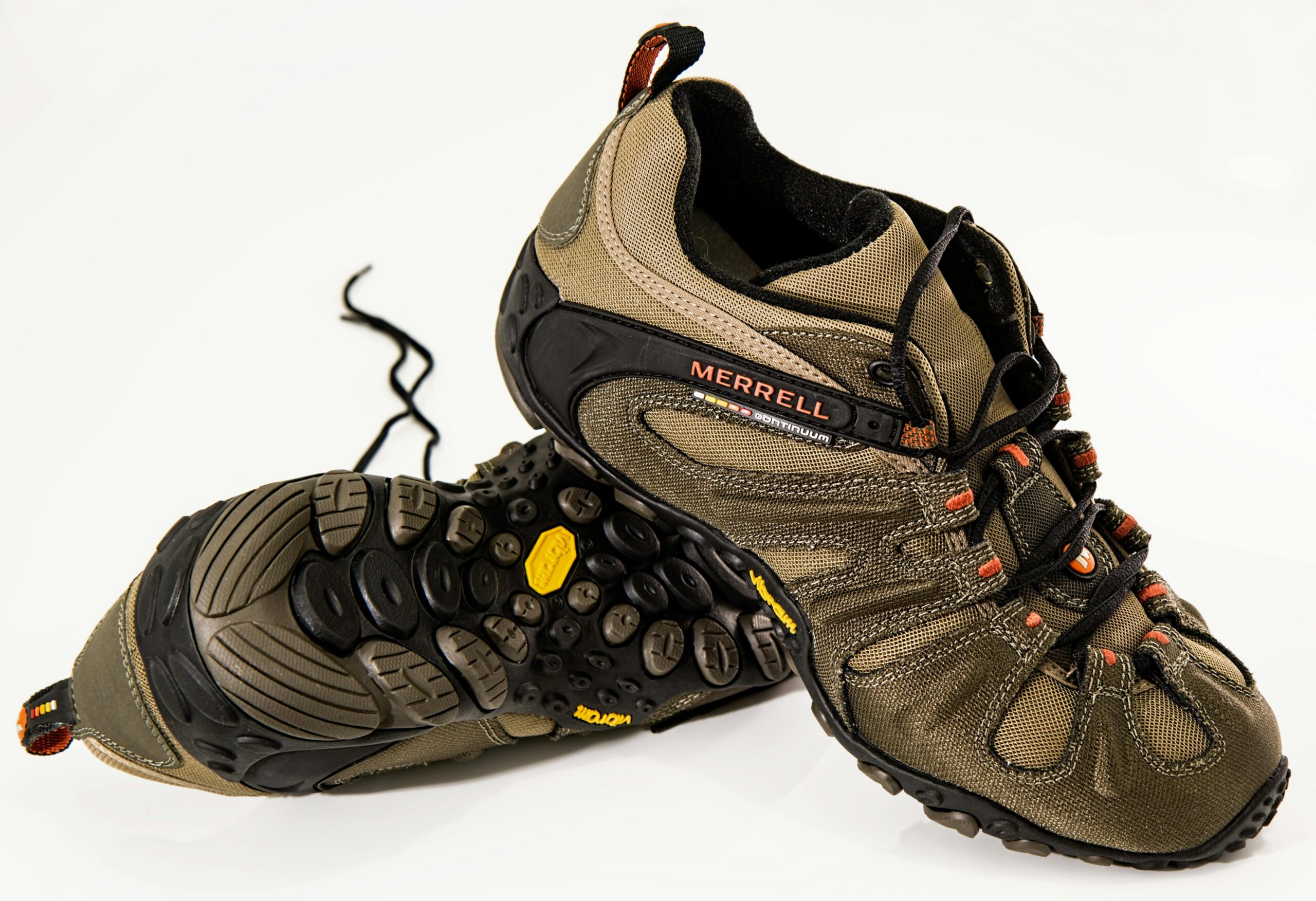
- A thin, flexible outsole will show contact wear.
- Do not approve "rubber" or "TPR" as the complete material description.
Short answer: control barefoot shoe sole wear with a named outsole compound, a locked tread drawing and an abrasion test on the production material. Mileage promises are not a reliable OEM specification because wear changes with surface, gait, load and use. Approve measurable material performance, then compare bulk against the signed sample.
Separate normal wear from a product failure
A thin, flexible outsole will show contact wear. That alone does not prove a defect. The review should ask where wear starts, whether the tread is wearing evenly, whether a cut is growing at a flex point and whether the outsole is separating from the upper. Abrasion, cracking and bond failure need different controls.
| Observed condition | First check | Relevant control |
|---|---|---|
| Surface tread becoming smooth | Compound and contact area | Outsole abrasion test |
| Cut growing through a flex groove | Groove geometry and material | Outsole flex test |
| Edge lifting from the upper | Surface preparation and bond | Adhesion test |
| Uneven wear by size | Last, outsole gauge and grading | Size-set measurement |
Control the outsole material
Do not approve "rubber" or "TPR" as the complete material description. The bill of materials should identify the supplier, compound code, color, hardness method and approved range. Color changes can require a new check because pigments and processing can alter the finished compound. The technical sole-wear correction guide compares compound, geometry and test choices for thin outsoles.
ISO 20871:2018 specifies a method for determining outsole abrasion resistance, regardless of material. The standard provides the method. The brand and factory still need to agree on conditioning, sample preparation, reporting unit and pass value for the intended shoe.
Lock tread geometry before bulk
Compound performance cannot rescue a weak tread drawing. Thin walls, sharp groove ends and abrupt thickness changes can concentrate stress. Add the tread drawing, sectional gauge points and permitted tolerances to the signed specification. Check the heel, forefoot flex zone, toe edge and perimeter on the physical sample.
If the concern is crack growth rather than surface loss, use a flex method as a separate gate. ISO 17707:2005 assesses how outsole materials and surface patterns affect cut growth under repeated flexing. The test does not replace abrasion testing; it answers a different question.
Run a production-linked approval
- Record the outsole supplier and compound code in the bill of materials.
- Attach the approved tread drawing and gauge points to the tech pack.
- Keep the abrasion report with the tested material lot and color.
- Inspect molded parts before bonding for short shots, contamination and damaged grooves.
- Compare sampled bulk outsoles with the signed sample.
- Retest after a compound, supplier, color, mold or process change.
Connect this gate to the incoming material inspection plan, the in-line QC checkpoints and the sample approval workflow. Keytop Barefoot Shoes’s confirmed MOQ is 500 pairs per color and style, and sample development normally takes 10–21 days. Use that sample stage to lock the outsole, not just its appearance.
Questions for the supplier
- Which compound code and supplier produced the tested outsole?
- Was the report run on the planned bulk color and processing route?
- Which wear mechanism does the test cover: surface loss, cut growth or bonding?
- Where are outsole thickness and tread depth measured?
- What material or process change triggers retesting?
- Can a failed molded lot be traced to its raw material batch?
Method and limits
This is a sourcing and QC framework based on the cited ISO methods. It does not claim a universal service life, mileage, return-rate reduction or preferred hardness. Those values depend on the design, material, use case and market requirement. A laboratory result should stay linked to the tested lot and finished specification.
FAQ
Does a harder outsole automatically last longer?
No. Hardness is one material property. Abrasion resistance, flex behavior, tread geometry and bonding also affect the result. Approve the compound with the relevant test methods rather than a hardness number alone.
Can a factory promise a fixed mileage?
A fixed mileage is not a sound production acceptance value. Surface, gait, load and care vary. Use laboratory methods and a defined wear trial to compare versions under controlled conditions.
Send the outsole drawing and material brief to build the wear controls into sample approval.
Leave a Comment
Ask a sourcing question, add your view, or request follow-up from our team.