
Barefoot shoe sole thickness flexibility specification needs one controlled sample record; otherwise a supplier can quote one construction while the fit sample proves another.
For barefoot shoe sole thickness flexibility specification, the useful factory reply states which fit, construction, material, and wear checks must pass before bulk production.
Use this guide to align fit, construction, materials, quality evidence, and commercial terms before bulk production.
Quick Decision: Define the Approval Standard
Requirement review before quotation. State the target stack construction, measurement locations, size range, flexibility method, tolerance basis, and approval evidence before suppliers price the outsole. A quotation is not comparable when each factory measures a different point or assumes a different layer set.
- Verify the supplier's documented QC process covers sole thickness and flexibility at incoming, in-line, and final inspection stages. A documented QC process ensures the approved sole geometry and flex are reproducible from sample to bulk production. Request the supplier's quality control plan, including inspection checkpoints, measurement tools, and acceptance criteria for sole thickness and flexibility. Without a documented QC process, the supplier may pass a sample but fail to replicate the same sole thickness or flexibility in bulk, leading to rework and cost overruns. Require a written QC plan and approval record before bulk production begins; include it in the RFQ and sample approval record.
- Confirm the measurement method and test standard for sole thickness and flexibility are specified and agreed upon. Different measurement methods yield different results; a standardized method prevents disputes and ensures consistent quality across production runs. Ask the supplier to state the test standard (e.g., ISO, ASTM) and measurement tool calibration records; verify that the sample approval record references the same method. If the supplier uses an unverified method, the bulk product may not match the approved sample, causing rejection and delays. Include the exact test method and tolerance in the RFQ and sample approval record; confirm calibration reports before sample sign-off.
- Assess the risk that the approved sample was hand-made and cannot be replicated in a controlled production process. A sample that passes visual inspection may be produced in the development room with different tooling, materials, or skill levels, making bulk replication unreliable. Check the signed sample approval record for references to production process, tooling, and material batch; require a change-control log for any deviations. Accepting a sample without linking it to a controlled production process allows spec drift, leading to non-conforming bulk goods and rework. Request a written supplier capability summary that ties each sole thickness and flexibility specification to a documented QC method and production record; enforce a change-control gate for any input changes.
- Conduct a buyer follow-up after sample approval to verify that production conditions match the approved sample. Even with a signed sample approval, unannounced changes in materials, tooling, or process can alter the final product; a follow-up check prevents silent deviations. Schedule a line-transfer review or production readiness inspection; compare the intended production process, tooling, and material batches against the approved sample record. If changes are not caught before bulk production, the buyer may receive product that does not meet the approved specification, incurring rework and shipment delays. Require a line-transfer review and re-approval if any tooling, material, or process change occurs; document the check in the quality inspection checklist.
Shortlist checkpoint
Record the footwear component, construction route, and intended use being judged at this checkpoint. Keep the marked drawing, material reference, and responsible approver together so the team can trace why the option advanced.
Decision owner
Name the buyer role that can accept this footwear decision and the factory role responsible for returning evidence. Record both names beside the controlled product reference.
Critical Specifications and Tolerances
- Supplier's flexibility test method is not stated or inconsistent. Flexibility cannot be reproduced in bulk without a standard test; risk of sole stiffness variation that compromises barefoot function. Ask supplier to specify the flexibility test (e.g., bend angle at a defined force) and acceptance criteria. Test report detailing the method, equipment, and acceptance criteria. Approve flexibility only after verifying the test method matches the buyer's requirement.
- Supplier lacks documented QC method for stack height measurement. Measurement errors lead to out-of-spec soles in production, causing returns and delays. Verify the supplier uses calibrated callipers or a gauge at multiple points per sole. Measurement record from sample approval showing at least three points per sole (forefoot, midfoot, heel). Require the QC method to be included in the supplier capability summary.
- Supplier's sample approval record does not tie to the production process. Without linkage, production may use different materials or tooling, altering sole thickness or flexibility. Ask supplier to document how the approved sample geometry is controlled in production. Production process control plan referencing the approved sample ID and deviation log. Require a change-control gate before any production deviation is allowed.
Review kids barefoot shoes manufacturer before carrying the approved critical specifications and tolerances requirements into the wider barefoot shoe sole thickness flexibility specification sourcing decision.
Specification checkpoint
Record the footwear component, construction route, and intended use being judged at this checkpoint. Keep the marked drawing, material reference, and responsible approver together so the team can trace why the option advanced. Apply this point to Critical Specifications and Tolerances.
Handoff record
Record the accepted footwear evidence and the responsible owner before this checkpoint is released.
RFQ checkpoint
Ask B2B buyers to share product category, target quantity, market, timeline, and reference files for a practical quote.
How to Inspect the Sample
- How do you verify the sole thickness and flexibility measurement? Confirms the supplier uses a calibrated measurement method and records tolerance. Supplier provides a measurement sheet with marked photo and test method. Without documented method, sample may pass visual but fail in bulk. Request the measurement sheet and flexibility test report before approval.
- What is the risk of approving a sample without documented QC method? Identifies whether the supplier has change control to reproduce the spec. Supplier requires written deviation review and re-approval for any change. Sample may look correct but cannot be replicated at scale, causing rework. Verify the supplier's change-control process and request a capability summary.
- What evidence must be included in the sample approval record? Ensures the record ties sole geometry to a controlled production process. Record includes measurement sheets, marked photos, flexibility test result, and deviation log. Missing evidence allows supplier to pass sample yet fail in bulk production. Require a signed sample approval record with all listed evidence before moving to bulk.
- What follow-up is needed after sample approval? Confirms production readiness and prevents spec drift during bulk. Supplier provides written capability summary with QC method and production record. Without follow-up, supplier may change material or process without re-approval. Request a written supplier capability summary and schedule in-line inspections.
Review barefoot shoe product range before carrying the approved how to inspect the sample requirements into the wider barefoot shoe sole thickness flexibility specification sourcing decision.
Approval checkpoint
Record the footwear component, construction route, and intended use being judged at this checkpoint. Keep the marked drawing, material reference, and responsible approver together so the team can trace why the option advanced. Apply this point to How to Inspect the Sample.
Supplier proof check for to inspect sample
Evidence and Approval Records to Keep
During quote review, the output that must exist before the next stage is a shortlist-ready evidence file that ties each barefoot shoe sole thickness and flexibility specification to a supplier’s documented proof, sample record, and QC method. Without this file, a buyer can shortlist a supplier whose sample appears correct yet fails to reproduce the same sole thickness or flexibility in bulk production, absorbing rework cost later.
- Verify the supplier's written sample approval record connects the sole thickness and flexibility specification to the exact sample revision. In the sample room, the QC team should produce a signed measurement sheet and flex test certificate for that revision.
- Request a material test certificate or durometer reading for the outsole compound matched to the approved sample. The certificate must identify the same sample revision and sole thickness target.
- Compare the factory's QC inspection plan (incoming material check, in-line inspection, final inspection) to the spec and confirm that every stage references the same controlled revision.
- Document the MOQ, lead time, and setup fees as separate line items tied to the controlled evidence file. This prevents a one-time tooling charge from being hidden in the unit price.
Additional RFQ items include approve the shortlist only when every record carries the same revision number and deviation decisions are signed. For indie brands, carry this evidence file into barefoot shoe manufacturing for indie brands before requesting a quote.
This evidence file becomes the controlled baseline for the RFQ, sample approval, and bulk inspection, ensuring that every supplier claim is traceable and reproducible.
Bulk Production Risks and Change Control
The controlling evidence for shortlisting a supplier on barefoot shoe sole thickness flexibility specification is a signed sample approval record that ties the approved sole geometry to a controlled production process. Without this record, a supplier can pass a sample yet fail to reproduce the same sole thickness or flexibility in bulk, absorbing rework cost later.
Verify the supplier’s change control by asking how they handle material substitutions, tooling adjustments, or process changes after sample approval. A factory that requires a written deviation review and re-approval before altering any approved input reduces the risk of spec drift. The risk to avoid is accepting a sample that looks correct but cannot be replicated at scale because the supplier lacks a documented change-control gate.
Use this buyer check block to evaluate bulk production risk:
- Check: Does the supplier have a written sample approval gate that includes requirement review, material feasibility, sample development, and signed approval before deposit-backed production? Risk if missing: The approved sample may not be reproducible in bulk, leading to rework and schedule delays. Verification: Request a copy of the supplier’s sample approval procedure and confirm it names the revision, deviation log, and production handoff. Buyer action: Shortlist only suppliers that provide this documented gate.
- Check: How does the supplier control changes to sole compound, thickness, or flexibility after sample sign-off? Risk if missing: A material or process change can alter the approved sole performance without buyer knowledge. Verification: Ask the supplier to state the change-trigger matrix and who approves deviations. Buyer action: Require written notification and re-approval for any change affecting sole thickness or flexibility.
- Check: Does the supplier’s QC plan include incoming material inspection, in-line checks, and final inspection that reference the approved sample revision? Risk if missing: Bulk production may use unapproved materials or processes. Verification: Request the QC checklist and confirm it ties each inspection stage to the signed sample revision. Buyer action: Approve the QC plan before bulk production and keep a copy with the order file.
Carry this evidence into the RFQ and sample approval stage. For related sourcing controls, review the blog for additional buyer checklists.
RFQ Handoff and Supplier Questions
Before shortlisting, require a written capability summary that maps each sole-geometry requirement to its measurement method and production record. Visual inspection alone does not show whether the factory can repeat the approved flex behavior.
- Verify the supplier's QC method for sole thickness. Ask the factory to state the measurement tool, sampling frequency, and tolerance for each critical dimension. The risk to avoid is accepting a sample measured by hand without a repeatable production check.
- Request a signed sample measurement report. The report must identify the exact sample revision, list actual thickness and flex readings, and name the QC owner. Without this record, a supplier can pass a sample that cannot be replicated at scale.
- Confirm the supplier's change-control process. Ask how they handle material substitutions, tooling adjustments, or process changes after sample approval. A factory that requires a written deviation review before altering any approved input reduces the risk of spec drift.
- Compare the supplier's production capability against your order volume. Verify that the factory can maintain the approved sole thickness and flexibility across the required batch size. The risk is shortlisting a supplier whose sample quality drops when production scales.
Document the shortlist decision. Keep the supplier response, measurement report, and change-control record under one revision number. Carry this evidence into the RFQ and sample approval stage. For related sourcing controls, review the barefoot shoe OEM and ODM services before finalizing specifications.
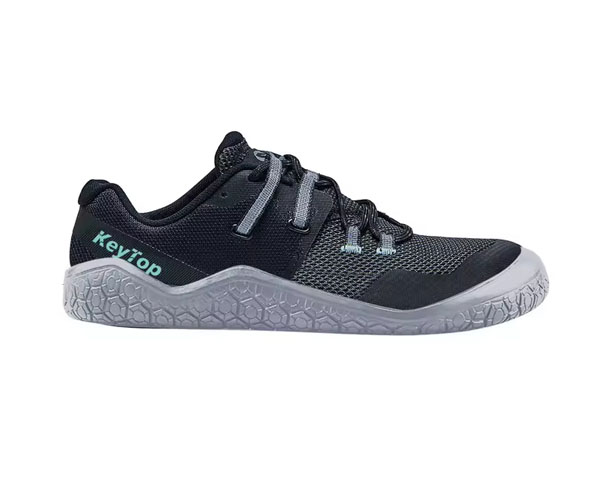
For barefoot shoe sole thickness flexibility specification, use Keytop barefoot shoe factory to align the product baseline, sample evidence, packing record, and quote owner before order release.
In conclusion
For barefoot shoe sole thickness flexibility specification, the next procurement action is a written RFQ and sample approval record, not only a preferred style or unit price. Confirm the specification, MOQ assumption, artwork version, supplier capability, sample approval method, QC checkpoint, approval risk, and quote follow-up before bulk production.
If any material, structure, logo, finish, packing detail, or supplier proof changes, ask the supplier to update the quote and sample record before approving production.
Frequently Asked Questions
What inputs should buyers confirm for barefoot shoe sole thickness flexibility specification?
Buyers should confirm the sole thickness, flexibility measure, material composition, and zero-drop specification. The supported thickness depends on the model; for instance, Keytop’s barefoot running shoes use a 4mm stack height, while casual models use 8mm. Confirm the exact tolerance and flexibility test method with the supplier during the requirement review before quotation. In the RFQ, include the required thickness, flexibility target, and test standard. Without documented inputs, the sample may not match production, leading to rework.
What sample evidence is needed for barefoot shoe sole thickness flexibility specification?
The sample evidence must include a signed sample approval record that ties the approved sole geometry to a controlled production process. This record should contain measurement sheets, marked photos, and a flexibility test result. Without this evidence, the supplier can pass a sample yet fail to reproduce the same thickness or flexibility in bulk, absorbing rework cost later. Verify that the record references the specific spec and includes a deviation log. Request the sample approval record before moving to bulk production.
What should be included in a barefoot shoe sole thickness flexibility specification RFQ?
The RFQ must include the sole thickness, flexibility requirements, material specifications, MOQ, lead time, and quality control checkpoints.
For custom barefoot shoes, the MOQ is 500 pairs per color per style, and production lead time is 30-45 days after sample approval.
Risk of missing details: the supplier may quote based on incomplete information, leading to cost overruns.
Verification: confirm that the RFQ includes a tech pack with all dimensions and tolerances.
Follow-up: request a sample approval record and a QC plan after the RFQ is accepted.
What should buyers verify before approving barefoot shoe sole thickness flexibility specification?
Buyers should verify that the sample matches the approved specification, that the supplier’s QC method is documented, and that production capability is stable. The useful proof is a signed sample approval record tied to a controlled production process. The risk is that a sample that passes visual inspection may fail to reproduce the same geometry in bulk. Check the change-control process by asking how material substitutions or tooling adjustments are handled. Follow-up: require a written supplier capability summary that ties each specification to a documented QC method and production record.
Leave a Comment
Ask a sourcing question, add your view, or request follow-up from our team. We keep the form short so it feels natural inside the article page.