A barefoot shoe tech pack for OEM needs a written specification before the buyer contacts suppliers; otherwise suppliers may quote different product and approval assumptions.
A barefoot tech pack has to state stack height, drop, and toe-box width explicitly. Leaving any of the three implied is how quotes stop being comparable.
Buyer summary: For barefoot shoe tech pack OEM, prepare the RFQ by locking measurable specifications, sample evidence, packing details, quantity terms, and approval checkpoints before requesting a supplier quote.
Quick Decision: Lock the RFQ Inputs
Build the quote request around the stack height and drop specification. Match every listed buyer input to written supplier confirmation, approval evidence, and the risk that would hold the quote.
- Stack height and drop specification: Barefoot shoe buyers require exact zero-drop and stack height to maintain ground feel and foot mechanics. Running shoes at 4mm stack, trail shoes at 6mm stack, both zero-drop. Supplier may produce a shoe with incorrect ground feel, causing fit rejection and rework. Verify stack height and drop are printed on the tech pack dimension sheet before quote request submission.
- MOQ per color per style: Custom barefoot shoe production requires 500 pairs per color per style to run efficiently. A buyer requesting 300 pairs of custom trail shoes in one color will not meet the production threshold. Order may be declined. Confirm the total order quantity meets the 500-pair minimum for each color and style combination.
- Lead time for custom production: Full OEM tooling and new patterns require 45-60 calendar days after sample approval. Production timeline will be missed, causing delayed market launch and potential penalties. Compare the required delivery date against the 45-60 day production lead time.
- Material and construction feasibility check: Special materials like recycled uppers or specific outsole compounds must be verified before quoting. A buyer requesting GRS-certified recycled mesh must confirm the material is available for the chosen style. Quote may be invalid if the material is not feasible, leading to cost overruns or sample failure. Submit material data sheets and request a feasibility review from the factory before finalizing the quote request.
- Payment terms and deposit schedule: Typical terms are a 30% deposit and 70% before shipment, subject to the final quotation, which affects cash flow planning. A buyer with a 500-pair order must budget for the deposit amount at quote acceptance. Production will not start without the deposit, delaying the entire order timeline. Confirm the deposit amount and payment method with the supplier before signing the quote.
Product and Application Requirements
| Requirement | Factory control | Evidence to verify | Order risk | RFQ follow-up |
|---|---|---|---|---|
| Sample approval | Factory holds first-article inspection before shipment release. | Compare signed measurement sheet and flex test certificate against tech pack. | Unapproved sample can cause full batch rejection at final QC. | Request signed sample approval report with photos before bulk deposit. |
| Material / substrate | Incoming material lot test for composition, weight, and thickness. | Request material data sheet and applicable market compliance evidence declaration per style. | Substituted substrate alters flex life and barefoot ground feel. | Shortlist three approved material options and ask for swatch set. |
| Width or size tolerance | Inline half-size grading check on every production lot. | Measure toe-box width and heel grip on three samples per size run. | Off-tolerance width causes returns and fit complaints from end users. | Verify tolerance range in tech pack and request grade report. |
| Finish or color control | Batch-to-batch color spectrophotometer reading under buyer-approved viewing conditions. | Hold physical color standard against production first piece. | Shade deviation across production lots delays container loading. | Approve lab dip under standard light and document delta-E limit. |
| Packing format | Factory checks inner box dimensions, polybag seal, and carton strength. | Request packing photo of first carton before bulk packing starts. | Wrong pack format leads to repackaging cost at destination port. | Confirm inner pack quantity and carton marking in written RFQ. |
Two variables decide the approval consequence for this barefoot shoe product range: the sample sign-off and the material substrate confirmation. Without a signed first-article report, the factory cannot release bulk production, and any deviation in substrate composition directly affects the zero-drop stack and toe-box width. Buyers must treat these as gate checks, not optional steps, because a mismatch at this stage multiplies rework cost and delays the delivery schedule. The written quote request should capture the exact tolerance and test method for each variable before any deposit is placed.
After the sample and material checks, the next buyer action is to confirm the width tolerance and color control parameters in the formal quote request. The factory will hold inline grading and spectrophotometer readings only if the tech pack specifies the acceptable range. Without that documented limit, the buyer risks receiving a batch that passes factory internal QC but fails the brand's fit or shade standard. To avoid last-minute repacking, also verify the packing format early. Request a pre-production sample and a signed measurement sheet before authorizing bulk production.
quote request checkpoint
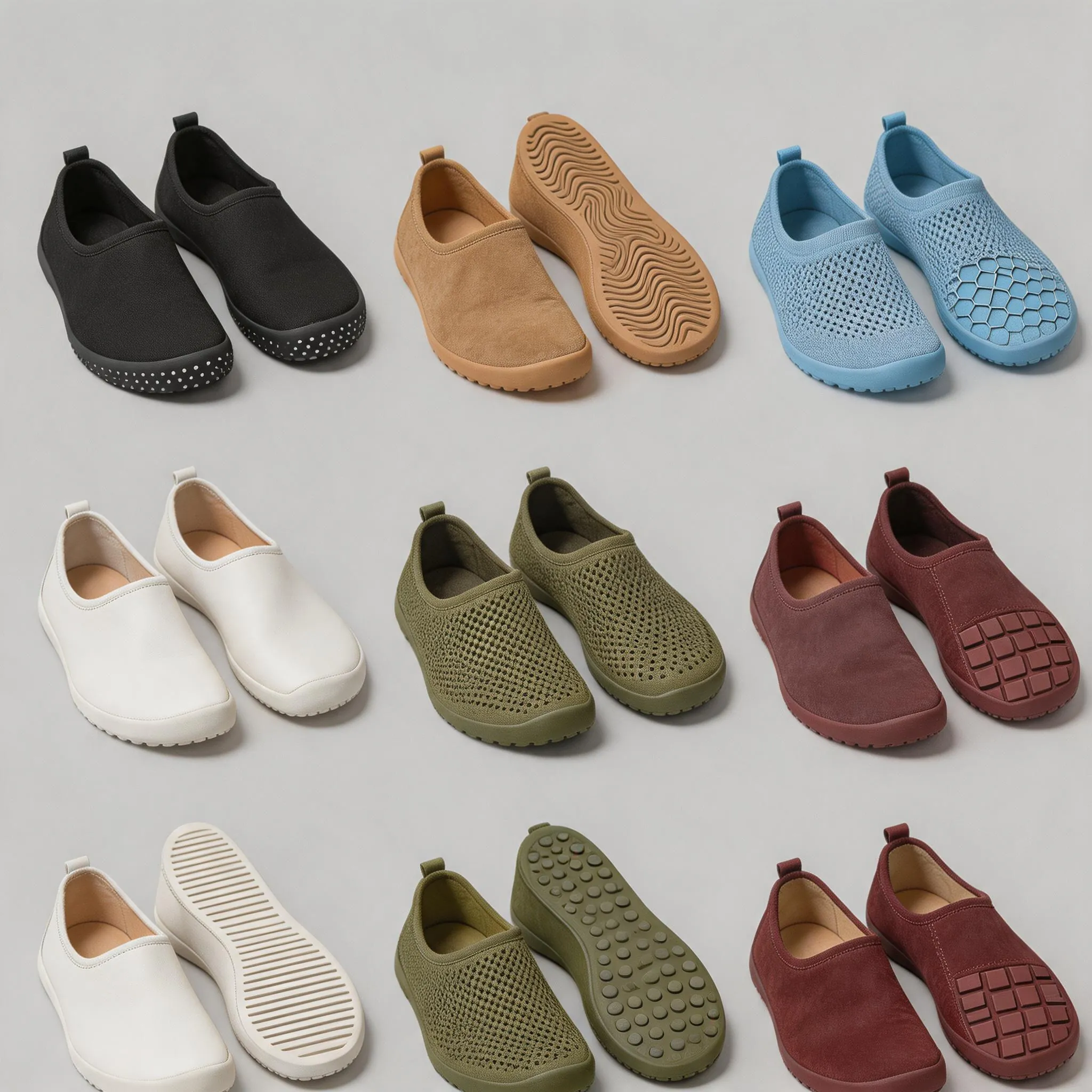
Specifications That Change the Quote
- Does your tech pack specify the exact stack height, drop, and toe-box width for each barefoot shoe model? These three dimensions define barefoot function and directly affect the mold, outsole tooling, and material cutting cost. Supplier provides a signed measurement sheet with tolerances and confirms zero-drop construction. Missing or vague specs lead to sample rework, delayed approval, and unexpected tooling charges. Send the tech pack with these three dimensions highlighted and request a dimension check before quoting.
- Have you verified the supplier can produce the specified outsole thickness and rubber compound? Outsole thickness affects ground feel and durability; compound choice impacts grip, wear, and compliance with applicable market requirements. Supplier shares a material data sheet and a flex test certificate from a recent barefoot running shoes manufacturer run. Wrong compound or thickness causes premature wear or fails regulatory checks, forcing last-minute material swaps. Request a material data sheet and a flex test certificate for the proposed outsole compound.
- Does your tech pack include a graded size chart with all measurements for each size? Grading errors cause fit issues across sizes, leading to returns and lost confidence in the barefoot shoe line. Supplier confirms they will grade from the sample size and provide a full size-run measurement report. Without a graded chart, production may deliver inconsistent fit, especially in wide toe-box styles. Include a graded size chart in the tech pack and ask the supplier to verify grading before sample development.
- Have you confirmed the supplier's MOQ for custom production matches your order volume? MOQ directly impacts your cash flow and inventory risk; a mismatch can stall the entire project. Supplier states 500 pairs per color per style for custom production, matching your planned order. Ordering below minimum order may incur premium charges or force you to accept stock styles that don't fit your brand. State your target order volume in the quote request and ask the supplier to confirm minimum order in writing.
Sample and Document Approval
At the sample and document approval checkpoint, the required output is a signed-off sample report and a confirmed tech pack that locks all barefoot shoe specifications before production begins. Without this, the factory cannot proceed to bulk manufacturing without risk of cost overruns or spec deviations.
To ensure a smooth quote request handoff, confirm the following buyer verification questions with your supplier:
- Does the sample match the stack height and drop specified in the tech pack?
- Is the toe-box width within the agreed tolerance?
- Are the outsole thickness and material composition as documented?
- Has the factory signed off on the approved sample and provided a dated approval record?
For barefoot shoe OEM, the approval process must include a documented sign-off from both parties. Below is a sample approval record structure:
| Item | Status | Notes |
|---|---|---|
| Stack height | Approved | Measured within the approved tolerance |
| Drop | Approved | Zero-drop confirmed |
| Toe-box width | Approved | Within the buyer-approved tolerance |
| Outsole thickness | Approved | Within the buyer-confirmed limit per RFQ |
After approval, the next stage is bulk production. Ensure the factory provides a signed PDF of the approval record and sample photos for your records. For more on working with barefoot shoe manufacturers, see barefoot shoe manufacturing for indie brands.
Cost, MOQ, and Lead-Time Drivers
When your tech pack omits a verified stack height or drop, every quote becomes a guess—and the factory’s commercial risk lands on your order. The minimum order structure shifts by material and process: a single-mesh upper with a flat outsole may allow smaller runs, while a layered knit plus a contoured rubber sole demands higher minimums due to tooling setup. Sampling lead-time assumes you have approved the last sample report; bulk lead-time starts only after that sign-off. Rush orders require a confirmed material availability check, and reorders depend on the same spec record—no new approvals needed if the tech pack is locked. Before quote request handoff, verify: Is the stack height and drop confirmed in the tech pack? Does the factory require a signed sample report to lock the quote? These answers drive cost and schedule.
MOQ Structure by Material and Process
Each material combination—mesh, knit, leather, or recycled—carries a different setup cost. A simple single-layer upper with a flat outsole may allow lower MOQs, while a multi-layer knit with a contoured sole increases the minimum. Ask: What is the minimum order for my chosen upper material and outsole thickness?
Sampling and Bulk Lead-Time Assumptions
Sampling typically takes 2–3 weeks after tech pack approval; bulk production begins once the sample report is signed. Lead-time assumes no spec changes during production. Confirm: What is the lead-time from sample sign-off to bulk shipment?
Rush-Order and Reorder Constraints
Rush orders depend on material stock and production slot availability. Reorders follow the same spec and sample record, so no new approvals are needed if the tech pack is unchanged. Verify: Can the factory confirm material availability for a rush order before quoting?
| Driver | Buyer Verification Question |
|---|---|
| Material and process | What is the MOQ for my upper material and outsole thickness? |
| Sampling lead-time | What is the lead-time from sample sign-off to bulk shipment? |
| Rush order | Can you confirm material availability for a rush order before quoting? |
| Reorder | Does the reorder use the same tech pack and sample record? |
RFQ Handoff and Supplier Questions
At the quote request handoff checkpoint, the required output is a completed quote request document that includes verified stack height, drop, toe-box width, and outsole thickness. Before sending to suppliers, confirm each specification is derived from your tech pack, not assumptions.
Use this ordered checklist to structure your quote request and evaluate supplier responses:
- State the exact stack height and drop from your tech pack, and ask the supplier to confirm they can meet it within the buyer-approved tolerance.
- Request a sample cost breakdown per pair, including tooling, materials, and labor, to compare against your budget.
- Ask for the minimum order quantity per style and colorway, and verify if it aligns with your launch plan.
- Inquire about production lead time from sample approval to first shipment, and request a milestone schedule.
- Require the supplier to list any potential production risks, such as material sourcing delays or sole molding limitations, with proposed mitigations.
After receiving supplier answers, compare them against your requirements using the table below. This helps identify the best factory match before sample commitment.
| Requirement | Your Specification | Supplier Response |
|---|---|---|
| Stack height | [ ] | [ ] |
| Drop | [ ] | [ ] |
| Toe-box width | Wide ([ ] at size 42) | Wide ([ ] at size 42) |
| Outsole thickness | [ ] | [ ] |
For more guidance on building your tech pack, visit barefoot shoe OEM and ODM services. Once the quote request is complete and supplier questions are answered, proceed to sample handoff with a signed-off specification sheet.
References: ISO 2859-1 sampling procedures for inspection by attributes; FinancialContent – 10 Questions Every Brand Should Ask Before H….
In conclusion
When you compare barefoot shoe tech pack OEM suppliers, the final decision rests on verifying that every specification you documented—stack height, drop, toe-box width, outsole geometry—matches the factory’s quoted capabilities and sample output. Shortlist only those factories that can document their process with signed measurement sheets and flex test certificates, and check that their minimum order and lead time align with your production timeline. Approve a sample only after you have validated the spec against your tech pack, and use the quote request handoff as the moment to lock in cost, compliance, and delivery terms. This structured approach reduces risk and ensures the supplier you choose can deliver a zero-drop, wide-toe-box shoe that meets your brand’s requirements.
To request a quote for barefoot shoe tech, use barefoot shoe OEM and ODM services to confirm the final specification, quote assumptions, sample approval, QC evidence, approval risk, and supplier follow-up before bulk order.
Frequently Asked Questions
What inputs should buyers confirm for barefoot shoe tech pack oem?
Confirm the exact stack height and drop for your barefoot shoe model, then verify that the supplier’s material and construction options match those specs. Check the minimum order quantity per color per style—custom production typically requires 500 pairs—and ask the supplier to document any cost adjustments for alternative materials or tooling.
What sample evidence is needed for barefoot shoe tech pack oem?
Request a physical sample that matches your tech pack’s stack height, drop, and outsole direction, then measure and flex-test it against your requirements. Document the sample approval in writing before moving to bulk production, and keep a signed reference pair for final QC comparison.
What should be included in a barefoot shoe tech pack oem RFQ?
Include the barefoot shoe’s stack height, drop, upper material, outsole compound, and size grading table in your quote request. Also specify the required lead time—bulk production typically takes 45–60 days after sample approval—and ask the supplier to confirm their minimum order, payment terms, and any tooling or mold costs.
What should buyers verify before approving barefoot shoe tech pack oem?
Before approving, verify that the sample’s stack height and drop match your tech pack within acceptable tolerance, and check that the outsole grip and toe-box width meet your design intent. Confirm the supplier’s production lead time and minimum order, and request a written approval document that both parties sign to lock the spec.
Which construction, materials, and outsole direction are expected?
Expect a zero-drop construction with a wide toe-box and a stack height between 4mm and 8mm depending on the model—running shoes use 4mm, trail shoes use 6mm, and casual styles use 8mm. The outsole should be flat and flexible, with a thin rubber compound that allows ground feel, and the upper should use breathable, non-restrictive materials.
Quote request handoff: Send Specs for Review.
Leave a Comment
Ask a sourcing question, add your view, or request follow-up from our team.