
A kids barefoot shoe material-safety file is a controlled evidence index that ties each material, color, adhesive, print, coating, and finish to the intended market, age classification, test scope, sample revision, and release decision. It is not a folder of certificates, and it does not transfer legal responsibility from the buyer or responsible compliance owner.
Use SAFE-FILE: Scope the market and age group, Array every component and finish, Fit each file to the exact identity, Evaluate results and limitations, Flag changes, Index lot and revision links, Lock owners and due points, and Exit only after the release record closes.
This guide explains document matching, evidence limits, change control, and production handoff. It does not prescribe a universal test list, interpret law for a specific market, certify a laboratory, or claim that one report covers an untested component or production lot.
Key Takeaways
- Define the destination market, age classification, product route, and responsible compliance owner before selecting tests.
- Match full reports to component code, color, applied finish, sample description, method, date, and revision.
- Reopen the affected evidence row after a material source, pigment, adhesive, print, coating, or finish change.
- Use a reproducible coverage ledger. No permissioned public Keytop safety-performance dataset is available here, so no result is claimed.
Why This Choice Matters
A correct-looking report can still support the wrong shoe. SAFE-FILE begins with the identity chain: market and age group → component and finish → tested sample → controlled shoe revision → production record. Break one link and the evidence row remains open.
Release checks
- Record destination market, intended age classification, responsible compliance owner, and written test-scope decision.
- List upper, lining, reinforcement, insole, outsole, adhesive, trims, inks, coatings, and applied finishes with codes, colors, source status, and revision.
- Match the full report’s sample description, method, date, result pages, laboratory identity, component code, color, and finish to the controlled sample.
- Name the owner, due point, disposition, and evidence needed for every open or failed row. Release only after the authorized decision is recorded.
Stop conditions
- The file names no style, component, color, finish, or revision.
- A summary or certificate is supplied without the result pages and scope needed for the decision.
- The report describes raw material while the approval concerns a printed, coated, bonded, or otherwise finished component.
- A changed source, pigment, adhesive, print, coating, or finish has no documented impact review.
Request the missing identity, full report, or change record in writing. Keep the buyer’s release decision open until the evidence and owner are visible.
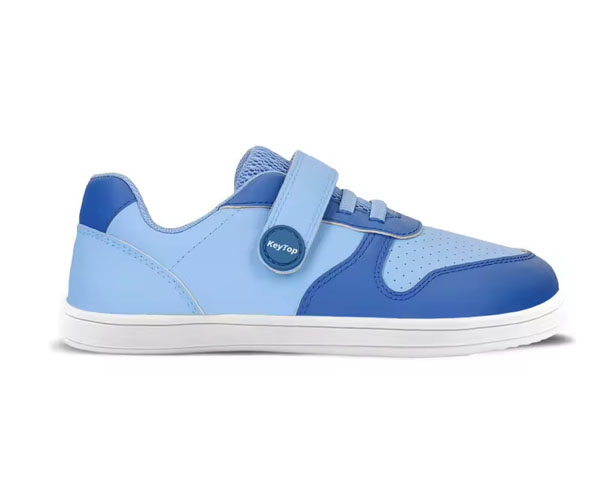
Start the product identity with the barefoot shoe product range before selecting an evidence path.
Key Buying Factors
Build one evidence row for every required combination of component, color, applied finish, market scope, and controlled revision. A row closes only when the available file identifies what was evaluated, which method and result apply, what limitation remains, and who authorized the disposition.
| Evidence row | Proof to request | Match check | Failure risk | Release disposition |
|---|---|---|---|---|
| Market and age scope | Written scope decision naming market, age classification, components, methods, and owner | Product brief and laboratory or compliance instruction use the same classification | The plan omits an applicable input or evaluates the wrong product category | Approve scope before samples are submitted |
| Material identity | Bill of materials, component code, color, source status, composition record, and sample revision | File description and physical sample point to the same component and color | A passing result is attached to another material or color | Reconcile identity before sample approval |
| Method and result | Full report with method, sample description, date, result pages, laboratory identity, and limitations | The stated method and result answer the approved scope question | A summary hides an out-of-scope or failed line | Record the authorized pass, hold, retest, or reject decision |
| Applied print, coating, adhesive, or finish | Process identity plus evidence for the finished component where the agreed scope requires it | The tested sample includes the controlled application and color | Raw-material evidence is reused for a decorated or bonded component | Hold the affected finish until the evidence matches |
| Change event | Dated deviation record naming old and new identities, affected evidence, owner, and approval | Every affected row is reopened or explicitly confirmed unaffected | An unreviewed substitution breaks traceability to the controlled sample | Close the impact review before production release |
Decision table 1. SAFE-FILE evidence matrix. Each row carries proof, match method, failure risk, and an authorized disposition instead of a generic “certificate received” status.
Historical context: U.S. children’s-product requirements changed materially with the Consumer Product Safety Improvement Act of 2008. NIST’s Guide to United States Footwear Compliance Requirements maps statutes and standards for footwear. Use it as jurisdictional orientation, not as a substitute for current market-specific legal and laboratory review.
Reproducible ledger method: evidence coverage rate = required evidence rows with an exact component-color-finish-revision match ÷ total required evidence rows × 100. Change-review closure rate = recorded change events with a closed impact decision ÷ total recorded change events × 100. Decision cycle time = signed release timestamp minus complete-packet receipt timestamp. Keep definitions and timestamps stable. Keytop has not supplied a permissioned public safety-performance dataset for this article, so no rate, average, improvement, or benchmark result is claimed.
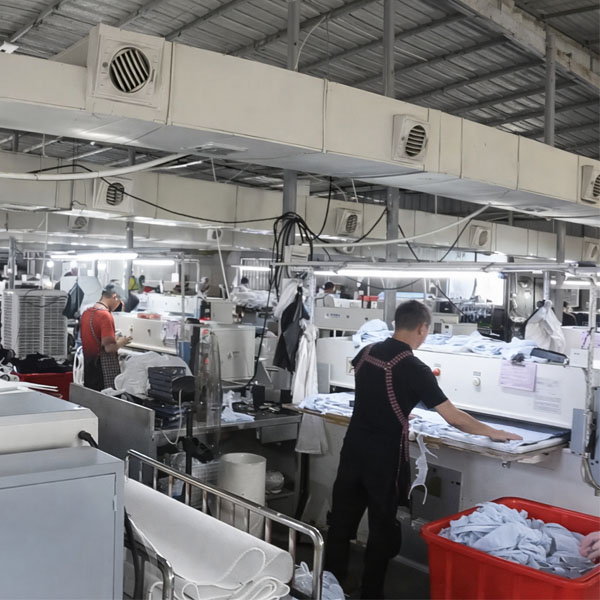
Map lifestyle uppers and decorative finishes through the casual barefoot shoes route when those components appear in the evidence matrix.
RFQ checkpoint
Ask buyers to send product family, quantity, size range, upper/sole/material direction, branding, packaging, sample, QC, and timeline details for review.
Comparison of Common Options
Different files answer different questions. Compare the evidence type, identity match, limitation, and next authorized decision before accepting it.
- Material declaration. Use it to identify disclosed composition, source, and component codes. The risk is treating a self-declaration as an independent result. Verify issuer, signature, date, identity, and scope, then keep the test decision open where testing is required.
- Laboratory test report. Use it for the stated sample, method, result, and date. The risk is applying it to another color, finish, component, or revision. Match the full report to the controlled sample before recording a disposition.
- System or scope certificate. Use it to understand the organization, process, or scope covered during the stated period. The risk is treating a management-system certificate as the chemical or physical result for the ordered shoe. Keep product evidence separate.
- Lot- or transaction-linked record. Use it when the approved claim or chain requires a purchase, lot, or transaction link. The risk is a broken chain between the documented input and production. Reconcile document numbers, quantities, dates, and material identity before release.
Footwear may require textile, material, and finished-component methods selected for the market and claim. ASTM textile standards provide one official standards context. The responsible owner or laboratory must still select the applicable method and acceptance basis.
For procurement, record which file answers which requirement, which limitation remains, and who can approve the buyer follow-up. Do not accept a broad certificate title as a substitute for that check.
Carry the approved evidence type into custom barefoot shoe development before sampling begins.
Common Buying Mistakes
Most failures begin with a valid-looking file connected to the wrong identity, scope, or revision. Keep the commercial route and evidence route visible, but do not let commercial timing convert an open safety row into an assumed pass.
Material and specification fit
- Match material code, color, finish, component, source status, report sample description, and controlled shoe revision. A material-family name is not enough.
- Reopen affected rows after a material source, pigment, adhesive, print, coating, or finish change. Record the impact decision before production release.
Run two different commercial checks: requirement review before quotation confirms the intended market, age classification, component and finish scope, and ownership of missing evidence. The later material and construction feasibility check confirms whether the proposed upper, lining, sole, adhesive, print, finish, and assembly route can enter sampling without conflicting with that evidence plan. Neither check is a compliance pass. If an input changes, reopen the quote assumption and every affected SAFE-FILE row.
MOQ, cost structure, and lead time
Use this checkpoint to clarify the buyer decision before the next specification, sample, or supplier comparison.
Supplier reliability and quality checks
Before order release, verify require incoming, in-line, and final records to name the approved material or sample revision. A general “QC passed” statement does not close traceability. Quarantine output when a record names an obsolete revision or an unapproved input. Reconcile the evidence and disposition before release.
Indie brands can carry SAFE-FILE ownership into barefoot shoe manufacturing for indie brands before opening a custom program.
Shortlist Checklist
Shortlist the evidence-control response, not the thickness of the certificate folder. The response should show how identity, scope, change, and disposition remain linked after the approved sample leaves the sample room.
- How is each incoming material linked to its approved evidence row? Expect component and source codes, color, lot or receiving identity, and the controlled material-list revision. The risk is using a passing file for another input.
- Who can authorize a material or finish change? Expect a dated deviation record with old and new identities, affected evidence, owner, due point, and buyer disposition. Reject verbal substitutions.
- Which record proves first production output still matches the controlled sample? Expect the product revision, material codes, inspection stage, exceptions, and approver. Review it before wider release.
- How are obsolete, expired, failed, or superseded files prevented from reuse? Expect a status register, access rule, replacement link, and archive record. Hold the program if obsolete files remain active.
Resolve these questions before approval: can the production record and laboratory file explain the same identity chain? Expect matching sample descriptions, component codes, colors, finishes, dates, and revisions. Investigate conflicts before deposit-backed production.
Use the Keytop barefoot shoe factory context after the evidence questions close and before production approval.
In conclusion
SAFE-FILE turns a certificate folder into a controlled release record. Scope the market and age group, array every component and finish, fit files to exact identities, evaluate results and limitations, flag changes, index lot and revision links, lock owners, and exit only after the disposition closes. The approval risk is treating an unmatched or obsolete file as approval for another component, finish, revision, or production route.
Send one evidence matrix with component code, color, finish, source status, controlled sample revision, method, result, limitation, owner, due point, change status, and release decision. Ask the responsible laboratory, compliance owner, or factory contact to verify each assigned field and identify unresolved rows. When a denominator or timestamp is missing, report the ledger result as unavailable rather than estimating it.
Submit an RFQ for product-route and feasibility review through the Keytop kids barefoot shoes program only after scope, identity, evidence, and change ownership are visible. Keep approval on hold until every required row has an authorized disposition.
Frequently Asked Questions
What should buyers confirm before ordering kids barefoot shoe material safety document checklist?
Confirm the destination market, intended age classification, responsible compliance owner, complete component and finish list, controlled sample revision, written scope decision, full reports, identity matches, change-control rule, and release authority. The checklist remains open when any required row lacks an owner or disposition.
How should buyers compare MOQ, lead time, and quote terms?
Keep the commercial route separate from the evidence verdict. The approved custom kids barefoot shoe minimum is 500 pairs per color per style. The approved standard production baseline is 30–45 calendar days after sample approval and deposit. Compare included testing, samples, development, inspection, and document support on the same scope, and require a new schedule after a change or hold affects the route.
What sample, quality, or supplier checks reduce risk?
Use a signed control sample, revision-coded bill of materials, full reports matched to exact components and finishes, lot-linked receiving records, an authorized deviation process, and production inspection records that name the same baseline. Stop when identity, scope, result, or revision conflicts.
RFQ handoff: Ask buyers to send product family, quantity, size range, upper/sole/material direction, branding, packaging, sample, QC, and timeline details for review. Send Specs for Review.
Leave a Comment
Ask a sourcing question, add your view, or request follow-up from our team. We keep the form short so it feels natural inside the article page.