
A barefoot running shoe sample approval is a documented decision that one identified sample is acceptable as the production reference; it is not a promise that every size or later production pair will fit the same.
Use the FIT-GATE record: Foot profile, Internal geometry, Trial movement, Grading, Approval evidence, Transfer controls, and Exceptions. The same record should carry the sample ID, last ID, measurement method, tester context, open deviations, and signatures.
This guide covers the approval method and record fields for B2B sample development. It does not claim defect rates, average approval cycles, injury outcomes, or full-size-run performance from one sample; buyers should collect those project-specific results separately.
F — Foot Profile and Last Alignment
A sample can look correct and still encode the wrong foot shape, last, toe allowance, heel hold, flex point, or grading rule. FIT-GATE prevents that visual pass from becoming a costly production baseline by forcing every acceptance decision to name a method, result, and open exception.
Use foot measurements as the sizing anchor. ISO 9407:2019 describes Mondopoint designation and marking as based on defined measurements of the foot the footwear is intended to fit. That supports recording target foot length and width before judging a last or sample, but it does not define the buyer’s toe allowance or fit acceptance rule.
Counterintuitive rule: a “zero-drop” or “wide-toe-box” label is not sample approval. The label names an intent; FIT-GATE still needs measured geometry, stated conditions, and movement evidence for the identified sample.
Approval checks before a pass
- Foot profile: record the target foot-length and width range, toe shape, instep context, and sock condition used for the trial. A tester name without those conditions is not reproducible evidence.
- Internal geometry: check usable internal length, forefoot width at the agreed landmark, heel-to-forefoot height relationship, and insole seating with the agreed tools and reference points.
- Trial movement: document heel slip, toe contact, lateral movement, flex location, pressure or rubbing notes, and the activity performed. Separate immediate fit comments from observations made after wear.
- Grading: do not infer the smallest and largest size from a middle-size pass. Review the grading chart and request boundary-size evidence before production release.
Stop and reopen FIT-GATE when any of these conditions appears:
- Approval is based on photos with no sample ID or measured record.
- The trial does not identify tester foot data, sock, size, or wear duration.
- A deviation is accepted verbally but never added to the signed baseline.
- The sample uses hand-work, materials, or tooling that may not transfer to the intended process.
Use the barefoot shoe product range to identify the construction family before setting FIT-GATE checks.
I/T — Internal Geometry and Trial Evidence
The FIT-GATE record is useful only when another reviewer can repeat the check. Create one row per approval point and attach the measurement sheet, marked photos, wear-trial notes, and deviation decision to the same sample ID.
Use consistent conditions: identify the foot-measurement method, shoe size, sock, insole, test surface, and whether the shoe is unworn or has completed a stated wear period. This does not turn a small trial into population research; it makes the limits of the approval visible.
The measurement set should not stop at heel-to-toe drop. The original Minimalist Index study developed a rating approach using weight, flexibility, heel-to-toe drop, stack height, and motion-control or stability technologies. For sample approval, use that evidence as a reason to record multiple shoe characteristics separately; do not treat the index or any one label as a fit verdict.
| FIT-GATE point | Evidence to attach | Failure to prevent | Approval action |
|---|---|---|---|
| Foot profile | Target foot-length and width range, toe-shape notes, tester foot data | A fit opinion is applied to a different foot profile | Accept the profile or revise the last brief |
| Internal geometry | Last ID, internal length and forefoot-space measurements, heel-to-forefoot height check | External dimensions pass while usable space or level geometry fails | Record pass, fail, or approved deviation for each point |
| Trial movement | Tester, size, sock, surface, duration, heel slip, toe contact, flex and pressure notes | A short visual review hides movement or comfort problems | Repeat the trial after any fit-affecting change |
Grade release sits outside the middle-size matrix: review the approved grading chart and boundary-size evidence before releasing the range. Transfer release then binds the signed revision and deviation log to the intended production process; any changed input reopens the affected FIT-GATE check.
Figure 1. FIT-GATE approval matrix. Each row belongs to one identified sample and states the evidence, failure mode, and release action; it is not population-level fit data.
Keep one project-data line for every sample round: round number, request date, received date, sample ID, last ID, sizes checked, testers, disposition, open deviations, and primary rework reason. Those fields let the brand later calculate its own approval cycle and rework distribution without presenting invented benchmarks in this guide.
When a check fails, record whether the cause sits in the last, pattern, grading, material, insole, assembly, or finishing step. Do not overwrite the failed result when a new sample arrives; close it with a linked corrective action. This preserves the decision history and shows whether repeated rounds solve the original problem or introduce a different one.
A pass means the recorded evidence meets the buyer-approved acceptance rule under the stated conditions. It does not erase residual risk; the size range, production output, and later reorder still require their own controls.
Compare the geometry fields with the casual barefoot shoes route when the same last platform is proposed across running and lifestyle programs.
RFQ checkpoint
Send your target foot profile, last and sample IDs, internal-geometry checks, trial conditions, grading coverage, materials, deviations, size range, and production route for review.
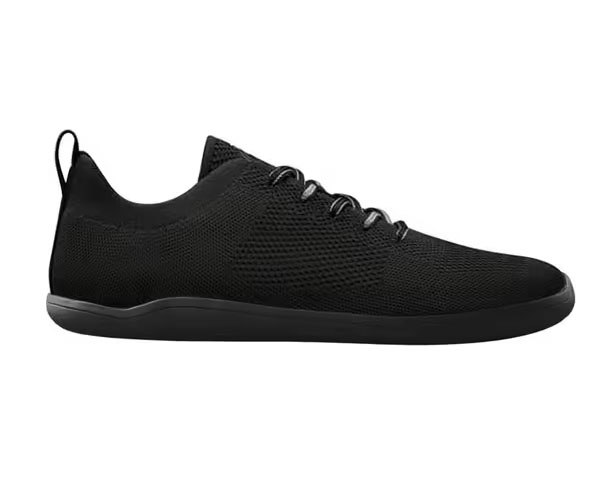
G — Grading and Boundary-Size Release
Choose the approval route by the decision being made. A measurement check, a fit trial, a wear trial, and a line-transfer sample answer different questions; none should silently stand in for the others. If the wrong route is accepted, the buyer may release a fit, grading, or process condition that the evidence never tested.
Counterintuitive rule: signing a middle size does not release the full size range. ISO 19407:2023 provides foot-length-based conversion tables across major sizing systems and notes that conversion is a guideline. A conversion label therefore cannot replace the buyer’s grading chart or boundary-size evidence.
- Measurement-only review: fastest for checking recorded geometry and workmanship. It cannot reveal heel movement, pressure points, toe contact during motion, or how the flex point feels.
- Immediate fit trial: useful for toe space, heel hold, instep feel, and obvious rubbing under controlled conditions. It cannot establish durability or represent every foot profile.
- Timed wear trial: adds movement, flex, heat, and pressure observations. Record tester, surface, activity, duration, sock, and any modification so the result can be interpreted.
- Boundary-size review: checks whether grading preserves last shape, forefoot space, and level geometry at the ends of the size range. A middle-size pass is not a substitute.
Use a separate line-transfer review to confirm that intended tooling, materials, stitching, bonding, and finishing can reproduce the approved result. Record any remaining hand-work limitation instead of allowing a development-room exception to become an unstated production baseline.
Run a requirement review before quotation and a material and construction feasibility check before selecting the route. As a factory-side check, treat the chosen route as a production approval gate. In the sample room, compare the physical shoe with the FIT-GATE record. If the last, material, tooling, or process changes, repeat every affected check instead of carrying the old pass forward.
Change-trigger matrix: reopen only the affected checks, but never carry the old pass forward silently.
| Change trigger | FIT-GATE checks to reopen | New evidence before release |
|---|---|---|
| Target foot profile, last ID, size conversion, or grading chart | Foot profile, internal geometry, fit trial, grading, boundary-size release | Revised last and size-map record, measurements, trial result, and boundary-size disposition |
| Insole, upper, lining, toe structure, outsole, midsole, thickness, or flex construction | Internal geometry, movement trial, drop, stack, flex, approval evidence | Updated internal-space checks, measurements, flex assessment, and trial record |
| Tooling, process, or production location | Transfer controls, approval evidence, and exceptions | Representative line-transfer sample, deviation decision, and first-output record |
Figure 2. Change triggers and the minimum FIT-GATE evidence that must be reopened.
Use barefoot shoe OEM and ODM services to map the selected approval route to sample development and transfer controls.
A — Approval Evidence and Commercial Conditions
Approval drift usually enters through one of three gaps: the accepted shoe is not tied to the intended geometry, the commercial route is not fixed, or the inspection record does not use the signed sample revision.
Material and specification fit
Do not record “fit approved” as one undivided result. Separate last ID, foot-profile assumptions, usable forefoot space, level geometry, flex location, heel hold, material and insole state. A change to any fit-affecting input reopens the relevant FIT-GATE points.
MOQ, cost structure, and lead time
For custom barefoot running shoes, the registered minimum is 500 pairs per color per style. Existing-base-model sample planning uses 7–14 calendar days. Full OEM sample planning uses 10–21 calendar days. Standard production uses 30–45 calendar days after sample approval and deposit. Confirm the applicable route and any reset event in writing.
Supplier reliability and quality checks
The decisive reliability signal is revision control. Incoming, in-line, and final inspection records should identify the signed sample, last, material, and drawing revision. If they point to another baseline, hold release and reconcile the records.
- Reject photo-only approval with no measurement or trial conditions.
- Do not extrapolate one middle size to the whole grading range.
- Record every accepted deviation and which later checks it reopens.
Indie brands can carry the same control record into the barefoot shoe manufacturing for indie brands route.
T/E — Transfer Controls and Change Triggers
Ask these questions before choosing a supplier to own the approved sample handoff. The expected answer is an inspectable record, not “we usually do this.”
- How do you identify the last, sample, drawing, material, and insole revisions? This reduces the risk that handoffs use conflicting baselines. Expect one linked ID set; if records conflict, require reconciliation before approval.
- Which dimensions and landmarks do you measure, with what method? This reduces the risk that unlabeled measurements hide a different landmark or method. Expect a marked diagram, tool, condition, tolerance, and result rather than an unlabeled number.
- How do you document fit and wear trials? This reduces the risk that an anecdotal fit comment is treated as repeatable approval. Expect tester foot data, shoe size, sock, surface, activity, duration, observations, and the sample revision.
- How do you verify grading at the size-range boundaries? This reduces the risk that one approved size hides grading errors elsewhere. Expect a grading chart plus recorded checks for the agreed boundary sizes.
Resolve these questions before approval: what happens when a production input changes after approval? This reduces the risk that an unreviewed production change inherits the old approval. Expect a deviation record that names affected FIT-GATE points and requires buyer disposition before use.
Review the Keytop barefoot shoe factory route after the evidence questions are answered and the accountable record owners are clear.
Conclusion — Release the Signed FIT-GATE Revision
Release a barefoot running shoe sample through FIT-GATE: Foot profile, Internal geometry, Trial movement, Grading, Approval evidence, Transfer controls, and Exceptions. The completed record should let another reviewer identify what was checked, under which conditions, against which sample and last, and what remains unresolved.
Before deposit-backed production, complete the requirement review, material and construction feasibility check, sample development, and written sample approval. A signed sample does not eliminate risk: boundary sizes, production output, and any later material, tooling, insole, or process change still require their own evidence.
Send your specs with the approved FIT-GATE matrix, measurement sheet, trial record, grading evidence, and deviation log through the barefoot running shoes product route for a controlled production handoff.
FIT-GATE Sample Approval FAQs
Can one approved running-shoe sample release the full size run?
No. One approved sample closes only the recorded checks for that identified size, construction, and trial condition. The full range still needs the approved grading chart, agreed boundary-size measurements or samples, and a written disposition for every exception before release.
How should buyers compare MOQ, lead time, and quote terms?
First identify the production route. The Keytop registry records 500 pairs per color per style for custom barefoot running shoes; 7–14 calendar days for an existing-base-model sample; 10–21 days for a full OEM sample; and 30–45 days for standard production after sample approval and deposit. Ask the written commercial record to name the route, included sample rounds, approval dependencies, and events that restart timing.
What sample, quality, or supplier checks reduce risk?
Use a line-transfer sample, repeatable measurement methods, a documented fit or wear trial, boundary-size grading evidence, a signed deviation log, and inspection records that reference the same baseline. One approved sample reduces ambiguity; it does not prove all sizes, all feet, or all later output without those additional controls.
RFQ handoff: Send your target foot profile, last and sample IDs, internal-geometry checks, trial conditions, grading coverage, materials, deviations, size range, and production route for review. Send Specs for Review.
Leave a Comment
Ask a sourcing question, add your view, or request follow-up from our team. We keep the form short so it feels natural inside the article page.