
A factory can quote one construction while the fit sample proves another if buyers never freeze intended use, size-run rules, and approval ownership before sampling.
A usable factory answer states which fit, construction, material, and wear checks must pass before bulk production.
Use the checkpoints below to align fit evidence, construction notes, QC proof, and commercial assumptions before bulk production.
Direct answer: For barefoot running shoe upper breathability abrasion sample checklist, release the order only after the intended use, approved construction, test record, commercial terms, and sign-off responsibility all match. If one item remains unresolved, return it to the responsible buyer or supplier before bulk production.
Copy this barefoot running shoe upper breathability abrasion sample checklist approval record into the RFQ file. Keep every checked item on the same revision before releasing the order.
- ☐ Final specification and intended use
- ☐ Supplier feasibility and documented exceptions
- ☐ Sample or inspection evidence
- ☐ Commercial assumptions, owner, decision, and date
Move the barefoot running shoe upper breathability abrasion sample checklist order forward only when each gate leaves written evidence for the next. Return an unresolved specification, sample, or quote exception to its owner before bulk production.
Define the Running Use Case Before Approving the Upper
Start Define the Running Use Case Before Approving the Upper with evidence for barefoot running shoe upper breathability abrasion sample checklist:
- Verify the upper mesh CFM matches the target climate and run distance: A dense mesh selected for cold-weather road running will trap heat and moisture in humid conditions, causing discomfort and returns. Compare the supplier's air permeability test data (CFM) against your signed specification sheet for the exact mesh grade. Approving a uniform mesh across all climates leads to breathability failures and buyer complaints. Request separate CFM data for each zone and document the approved range on the sample tag.
- Confirm zone-specific abrasion rub results for heel, toe, and collar: High-stress areas like the heel counter and toe cap experience concentrated friction; a single abrasion value for the whole upper masks weak spots. Ask the supplier for separate rub test results per zone, using the same test method and sample construction. Premature wear at flex points can cause tearing within 50 miles, leading to rejected batches and rework costs. Document any discrepancies on the sample tag and hold approval until the evidence matches your RFQ requirements.
- Check that the reinforcement material and overlay position match the construction diagram: A misaligned overlay at the ball or toe flex point can delaminate or tear under repeated bending, compromising durability. Compare the physical sample's overlay placement against the signed construction diagram and note any deviation. Misplaced reinforcement causes premature upper failure, increasing return rates and brand damage. Require the supplier to state root cause and corrective action in writing before approving the sample.
- Document the sealed sample with a tag listing material, test results, and approval date: Without a sealed reference, the factory may substitute materials or adjust construction during bulk production, causing fit drift. Attach a tag to the physical sample that lists mesh type, lining composition, reinforcement material, CFM range, and zone-specific rub results. Unapproved material substitutions lead to inconsistent breathability and abrasion performance across the size run. Both parties sign the tag and specification sheet to lock the upper design before bulk production begins.
Map climate and activity to airflow needs
For a barefoot running shoe upper, the buyer must match mesh openness (CFM) to the target climate and run distance. A humid, long-distance use case requires higher airflow than a cold-weather short run. Request the supplier's air permeability test data for the exact mesh grade proposed, and compare it against your signed specification sheet. This prevents approving a material that performs differently in your target conditions.
Separate comfort targets from abrasion exposure
Comfort and abrasion resistance are distinct requirements that must be verified separately. A soft, breathable mesh may feel comfortable but wear quickly at the heel counter or toe cap. Request zone-specific abrasion rub results for high-stress areas, and compare them against your use-case profile. This ensures the upper delivers both breathability and durability where it matters most, reducing the risk of premature failure and returns.
Translate Breathability Needs Into Upper Specifications
For barefoot running shoe upper breathability abrasion sample checklist, treat Translate Breathability Needs Into Upper Specifications as a release rule: approve only when the supplier evidence matches the written requirement.
- Upper mesh air permeability (CFM) matches signed specification sheet for target climate and run distance. Supplier air permeability test report for the exact mesh grade and construction proposed. Supplier quality or lab department. Approving a mesh that performs differently in your target conditions leads to returns or performance complaints. Compare the CFM value against your specification; document any deviation on the sample tag.
- Zone-specific abrasion rub results meet use-case profile for high-stress areas (toe cap, heel counter, collar). Zone-specific abrasion rub test data for each high-contact area, including test method and sample description. Supplier QC or third-party lab. Uniform reinforcement fails at flex points, causing premature tearing and returns. Request the test method and lab accreditation; compare results against your signed specification sheet.
- Construction diagram shows upper stack (mesh type, lining composition, reinforcement placement) matching signed specification. Construction diagram or stack-up drawing with material callouts. Supplier development or engineering team. Supplier may substitute a different material or bonding method that alters breathability or abrasion resistance. Compare the diagram against your specification; require written root cause and corrective action for any discrepancy.
- Sealed physical sample is tagged with exact mesh type, lining composition, and reinforcement material. Sealed physical sample with tag listing material composition and construction details. Supplier sample room or production line. Approving an untagged sample creates no audit trail for reorder consistency. Photograph the tagged sample and attach the signed specification record before approving for bulk production.
Compare mesh openness lining and reinforcement zones
Request the supplier's construction diagram and air permeability test report for the exact mesh grade proposed. Compare the CFM value and zone-specific abrasion rub results against your signed specification sheet. This ensures the upper delivers both breathability and durability where it matters most, reducing the risk of premature failure and returns.
Record material construction and tolerance inputs
Document the mesh type, lining composition, and reinforcement material on the sample tag with a photo and written note. Require the supplier to state the root cause and corrective action in writing for any discrepancy. This creates an auditable trail for reorder consistency and ensures the upper design is locked before bulk production begins.
Use barefoot shoe product range to align the related specifications and RFQ inputs.
RFQ checkpoint
Ask B2B buyers to share product category, target quantity, market, timeline, and reference files for a practical quote.
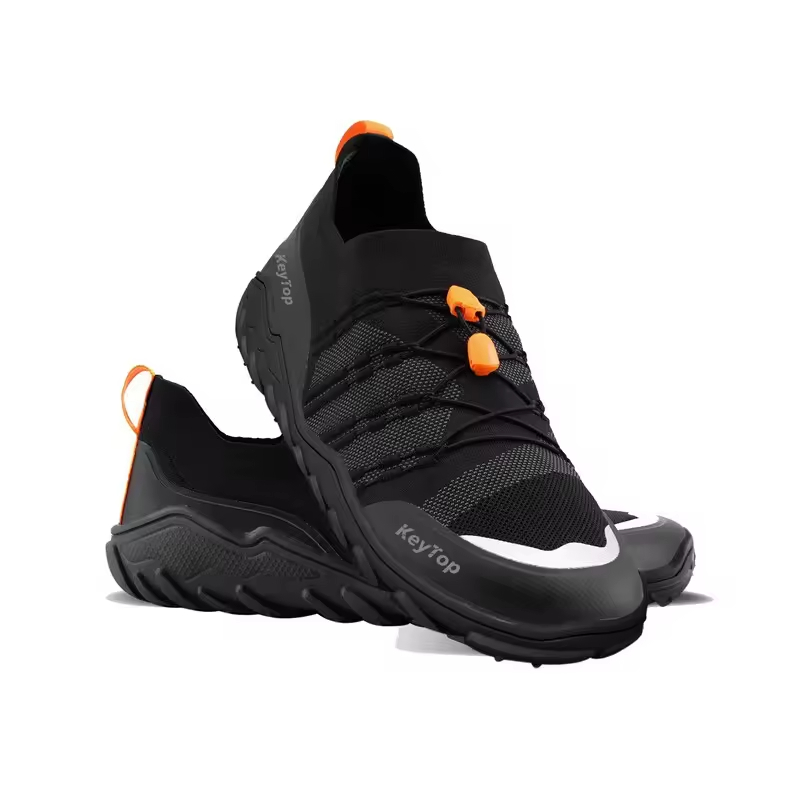
Image note: existing Keytop Barefoot Shoes media provides project context only; it is not article-specific approval evidence.
Verify Breathability Without Inventing Performance Claims
Use evidence for the barefoot running shoe upper breathability and abrasion checklist:
- Supplier provides air permeability data without specifying the test method or sample conditions: Unverifiable CFM values may come from a different mesh grade or climate setting, leading to breathability mismatches in your target use case.
- Supplier shares zone-specific abrasion rub results without a construction diagram showing reinforcement placement: Without a diagram, you cannot verify that high-stress areas like the heel counter or toe cap received the claimed reinforcement, risking premature wear.
- Supplier offers a single breathability or abrasion value for the entire upper without zone-specific data: Uniform data hides weak points at flex zones, which can cause tearing or inadequate airflow where the foot bends, leading to returns.
- Supplier provides test data from a different material or construction than what is proposed for your order: Using proxy data masks performance gaps in the actual mesh grade or reinforcement method, causing fit and durability failures in bulk.
Additional RFQ items include supplier cannot provide a signed specification sheet with tolerance ranges for mesh openness and abrasion resistance: Without a baseline record, the factory may substitute materials or adjust construction, causing drift across the size run and reorder inconsistencies.
Use comparable sample conditions and buyer checkpoints
For barefoot running shoe upper breathability abrasion sample checklist, keep comparable sample conditions and buyer checkpoints tied to this evidence gate so the approved fit, component choices, QC checks, and reorder reference remain aligned.
Ask the supplier for material and construction evidence
Request a construction diagram showing the upper stack, including mesh type, lining, and reinforcement placement. Compare this diagram against your signed specification sheet to confirm alignment. Without this evidence, the supplier may use a different material or bonding method that alters breathability or abrasion resistance, leading to sample rejection or bulk production defects.
Use casual barefoot shoes to place these breathability evidence checks in the wider buying path.
Research references: mesh upper tearing checks and ISO/TS 20952 footwear upper component guidance.
Run Abrasion and Reinforcement Sample Checks
The main failure mode in Run Abrasion and Reinforcement Sample Checks is approving barefoot running shoe upper breathability abrasion sample checklist before the supplier has resolved the listed evidence gaps.
- Can the supplier provide a construction diagram showing overlay placement at flex zones and high-contact areas? Verifies the supplier can reinforce the upper where tearing typically occurs, such as the toe cap and heel counter, before sample production. Supplier provides a labeled diagram with mesh type, lining, and reinforcement material per zone, matching the signed specification sheet. Without zone-specific reinforcement, the upper may tear prematurely at flex points, causing returns and brand damage. Request the diagram and compare it against your specification sheet; document any discrepancies on the sample tag.
- Does the supplier have documented QC records for abrasion rub tests on the proposed upper construction? Confirms the supplier can produce evidence of abrasion resistance for each zone, not just a generic material claim. Supplier shares a QC record with rub cycle counts per zone (e.g., heel, toe) and the test method used, such as ISO/TS 20952:2024. Unverified abrasion claims may lead to early wear in high-stress areas, increasing replacement costs. Ask for the test method, sample description, and lab accreditation; hold approval until the data matches your specification.
- Can the supplier attach a sealed physical sample tagged with the exact mesh type, lining, and reinforcement material? Ensures the sample matches the specification and prevents material substitution during bulk production. Sample tag lists mesh type, lining composition, reinforcement material, and bonding method, all matching the signed specification sheet. Without a tagged sample, the factory may substitute materials, causing breathability or abrasion drift across the size run. Compare the tagged sample against your specification sheet; document any deviations and require corrective action in writing.
- Does the supplier provide a signed specification record per zone that locks the upper design before bulk production? Creates a baseline for incoming and in-process checks, preventing execution drift in repeat orders. Both parties sign a record listing air permeability (CFM range) and zone-specific abrasion rub targets for each upper zone. Without a signed record, the factory may adjust construction, leading to mismatched performance in bulk shipments. Attach the signed record to the RFQ and use it as the baseline for all sample and bulk checks.
Inspect flex zones overlays and high-contact areas
Compare the supplier's construction diagram against your signed specification sheet to confirm overlay placement at the toe cap, heel counter, and collar. Request zone-specific abrasion rub results for each high-contact area. Without this evidence, the supplier may use a uniform reinforcement that fails at flex points, causing premature tearing and returns.
Log failure signs and corrective actions before approval
Document any discrepancies between the sample and specification on the sample tag with a photo and written note. Require the supplier to state the root cause and corrective action in writing. This creates an auditable trail for reorder consistency and ensures the upper delivers both breathability and durability where it matters most.
Use barefoot shoe OEM and ODM services to align the sample and production handoff.
For material-test context, review ISO 17699 upper and lining air-permeability method and bind any selected method to the actual sample construction.
Freeze the Approved Upper for Bulk Production
At this workflow checkpoint, the output that must exist before the next stage is a signed sample and specification record that confirms the upper’s breathability and abrasion performance meet the RFQ-confirmed requirements. This record should include the buyer’s verification question: ‘Does the upper match the sealed sample in mesh type, lining, and reinforcement?’
Create a signed sample and specification record
After the buyer approves the physical sample, the factory must produce a signed record that lists the upper’s materials, construction, and test results. This document becomes the baseline for all bulk production. Without it, the factory may substitute materials, leading to cost overruns or performance failures. The record should also note the MOQ agreed upon during the RFQ phase, as this affects production planning.
Set incoming and in-process checks for repeat orders
For repeat orders, the factory must implement incoming checks on raw materials (e.g., mesh breathability, lining abrasion resistance) and in-process checks during upper assembly. These checks prevent production risk by catching deviations early. For example, if the lining’s abrasion resistance falls below the RFQ-confirmed threshold, the batch must be rejected before lamination. This approach ensures factory execution aligns with the approved sample, reducing the chance of costly rework.
Below is a sample checklist template for the approval process:
| NO. | Date | Status | Notes |
|---|---|---|---|
| 1 | 2026-03-01 | Approved | Upper matches sealed sample |
| 2 | 2026-03-15 | In progress | Incoming check on mesh |
| 3 | 2026-03-20 | Pending | In-process check on lining |
After the checklist is completed, the buyer can proceed to bulk production with confidence. For more guidance on working with a barefoot shoe OEM, see barefoot shoe manufacturing for indie brands.
Conclusion: Release the Upper Only After the Evidence Matches the Use Case
The final approval for the barefoot running shoe upper comes down to one decision: release the upper only when the supplier’s evidence matches the use case you documented. Compare the air permeability data (CFM) and zone-specific abrasion rub results against your signed specification sheet. Verify that the quotation confirms the MOQ—typically 500 pairs per color per style for custom production—and that the lead time aligns with your schedule, noting that sample development can range from 7 to 21 days depending on whether you use an existing base model or require new tooling. Check the test method and lab accreditation to distinguish standard-based data from estimates, and shortlist only suppliers who provide written evidence for each requirement.
Compare the sealed physical sample tagged with mesh type, lining composition, and reinforcement material against the signed specification record. Document any discrepancies with a photo and written note, and require the supplier to state the root cause and corrective action in writing. Approve only after all evidence gaps are resolved, ensuring the supplier’s production timeline and cost assumptions are locked in the RFQ. This sequence turns a risky sample approval into a repeatable sourcing handoff that protects your specification, cost, and quality from the first inquiry through bulk production.
Barefoot Running Shoe Upper Sample FAQ
Which sample or QC proof should buyers request?
Request a sealed physical sample tagged with the exact mesh type, lining composition, and reinforcement material. Ask the supplier for a specification sheet listing air permeability (e.g., CFM range) and zone-specific abrasion rub targets, then compare these against your signed specification record. Document any discrepancies on the sample tag with a photo and written note, and require the supplier to state the root cause and corrective action in writing before approving the sample for bulk production. Approving the wrong structure or supplier proof can create quality, cost, or delivery problems. Ask for a sample, specification confirmation, or QC evidence before approval.
Do expensive running shoes really perform better than budget models in head-to-head testing?
Price alone does not determine upper breathability or abrasion resistance. Instead of assuming a correlation, verify the supplier’s air permeability data and zone-specific abrasion rub results against your signed specification sheet. Ask the supplier to confirm the test method and sample description used, and compare the results against your use-case profile—humidity, run distance, and terrain—before signing off on the sample. Approving the wrong structure or supplier proof can create quality, cost, or delivery problems.
What should buyers verify before approving barefoot running shoe upper breathability abrasion?
Before approving, verify that the supplier’s air permeability data (CFM) and zone-specific abrasion rub results match your signed specification sheet. Request a construction diagram showing the upper stack, including mesh type, lining, and reinforcement placement, and compare it against your specification. Confirm the supplier tested the exact mesh grade and construction proposed for your order, not a different material or climate condition, and document any discrepancies on the sample tag with a photo and written note. Approving the wrong structure or supplier proof can create quality, cost, or delivery problems.
And, are more expensive running shoes just plain better to run in?
Higher price does not guarantee better breathability or abrasion performance in the upper. Focus on verifying the supplier’s test data for the exact mesh grade and construction proposed. Request the test method, sample description, and lab accreditation (e.g., ISO 9001) to distinguish standard-based data from supplier-provided estimates, and compare the results against your use-case profile before approving the sample. Approving the wrong structure or supplier proof can create quality, cost, or delivery problems.
Leave a Comment
Ask a sourcing question, add your view, or request follow-up from our team. We keep the form short so it feels natural inside the article page.