Importers lose weeks when last, upper, outsole, carton marks, and commercial terms are negotiated after the first quote instead of before sample release.
Compare factories by shoe samples, measurement records, material confirmations, and QC evidence—not catalog language alone.
Work through the sample, inspection, and quote inputs that keep the order comparable across suppliers.
Direct answer: For barefoot shoe wet grip test evidence checklist, release the order only after the intended use, approved construction, test record, commercial terms, and sign-off responsibility all match. If one item remains unresolved, return it to the responsible buyer or supplier before bulk production.
Copy this barefoot shoe wet grip test evidence checklist approval record into the RFQ file. Keep every checked item on the same revision before releasing the order.
- ☐ Final specification and intended use
- ☐ Supplier feasibility and documented exceptions
- ☐ Sample or inspection evidence
- ☐ Commercial assumptions, owner, decision, and date
Move the barefoot shoe wet grip test evidence checklist order forward only when each gate leaves written evidence for the next. Return an unresolved specification, sample, or quote exception to its owner before bulk production.
Define the Intended Surface and Wet Use Case
Start with evidence for the intended surface and wet use case:
- Confirm the intended wet surface type and test standard in the RFQ: Without a specified surface (e.g., wet tile, wet asphalt) and standard (e.g., SATRA TM144, ISO 13287), the supplier's test result may not match your use case. Review the RFQ to confirm the surface type and test standard are listed as mandatory fields. Approving a test record for a different surface can lead to grip failure, rework, or returns. Send the surface type and test standard to the supplier and request written confirmation of their lab's method.
- Verify the supplier's test record includes the coefficient of friction result: A pass/fail claim without a numeric result hides whether the outsole meets your performance threshold. Ask the supplier to provide the exact coefficient of friction value from the test record. Accepting a vague claim may result in approving a compound that fails on your intended wet surface. Compare the coefficient of friction value against your approved specification before sample approval.
- Check that the outsole compound formula is frozen in the bulk spec: A change in compound after approval can alter wet-grip performance, even if the tread pattern remains the same. Request the exact compound formula and confirm it matches the sealed sample's documentation. An unapproved compound change can cause grip failure, leading to costly rework or returns. Document the frozen compound formula in the bulk production specification and require supplier sign-off.
- Confirm the tread pattern drawing matches the approved sample: Tread geometry directly affects water evacuation and grip; a deviation can reduce performance on wet surfaces. Compare the supplier's tread pattern drawing against the sealed sample's physical tread. Approving a different tread pattern may result in a shoe that slips on the intended wet surface. Hold the order if the drawing does not match the sample and request a corrected version.
Separate Tread Design From Compound Evidence
Treat the separation of tread design and compound evidence as a release rule: approve only when the supplier evidence matches the written requirement.
- Tread pattern geometry is optimized for wet grip on smooth surfaces: Supplier's tread design file with groove depth, lug angle, and void ratio annotated for wet surface performance Supplier's R&D or product development team Approving a tread pattern without wet-grip geometry data can cause slip claims and returns on wet floors Request the annotated tread design file and compare against the approved specification before sample development
- Outsole compound formulation meets the target wet coefficient of friction: Compound data sheet showing a wet slip test result for the specific rubber batch Supplier's material supplier or in-house lab Using a compound without verified wet grip data risks production of shoes that fail traction requirements Require the compound data sheet with wet slip test result and attach it to the RFQ file
- Tread design and compound are tested together as a system on the intended wet surface: System-level wet grip test report for the assembled outsole on the target surface type (e.g., ceramic tile, wet asphalt) Third-party lab or supplier's QA department Testing tread and compound separately can mask system-level failure; a poor combined result leads to field complaints Request the system-level wet grip test report and hold sample approval until the result matches the agreed threshold
- Supplier has capability to produce consistent wet-grip outsoles across production runs: In-process QC records for outsole hardness, density, and tread dimension from the last three production lots Supplier's quality control team Without process consistency evidence, first-article approval may not guarantee repeatable wet grip in bulk orders Request the in-process QC records and verify that outsole hardness and tread dimensions stay within the approved tolerance range
See barefoot shoe product range for this checkpoint.
RFQ checkpoint
Share product category, target quantity, market, timeline, and reference files for a practical quote.
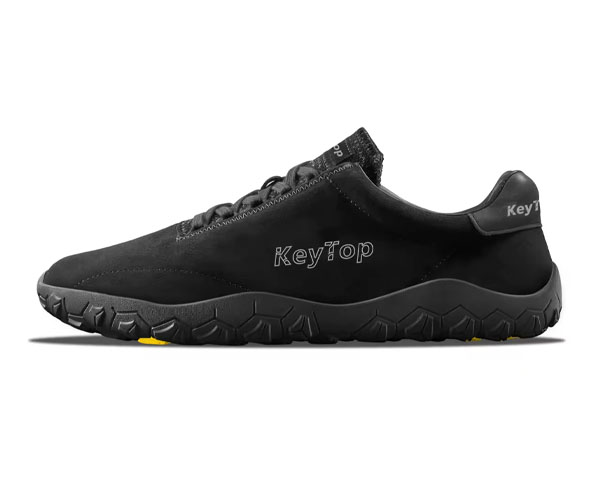
Ask for a Traceable Wet-Grip Test Record
Start the test-record request with evidence for these questions:
- Does the supplier have a documented wet-grip test protocol for barefoot shoe outsoles? A traceable protocol proves the supplier can measure wet grip consistently, not just claim it. Supplier provides a written test method referencing a standard (e.g., SATRA TM144 or ISO 13287) and shows the last three test records. Without a protocol, you may approve a compound that fails on wet surfaces, causing returns and liability. Request the supplier's wet-grip test protocol and the last three test records before shortlisting.
- What is the verified wet-grip coefficient for the proposed outsole compound on a wet ceramic tile? The coefficient quantifies slip resistance and lets you compare compounds objectively across suppliers. A numeric coefficient of friction on wet ceramic tile against the agreed threshold, measured by an accredited lab, with the test report attached. A low coefficient means higher slip risk for end users, leading to injury claims and brand damage. Ask for the lab test report showing the wet-grip coefficient for the proposed compound on wet ceramic tile.
- Does the supplier test wet grip on the actual outsole tread pattern, not just a flat sample? Tread geometry affects water evacuation and grip; a flat sample test may overestimate real performance. Supplier confirms wet-grip testing is done on the finished outsole with the production tread pattern. Approving a compound based on flat-sample tests can lead to poor wet traction in the final shoe. Verify that the wet-grip test report specifies the tread pattern and outsole construction used.
- How does the supplier ensure wet-grip consistency across production batches? Batch-to-batch variation in compound mixing or molding can change grip performance without warning. Supplier performs in-process wet-grip testing on every production batch and keeps a traceable record. Inconsistent grip can cause unpredictable slip performance, leading to customer complaints and returns. Request the supplier's batch-testing frequency and the last three batch test results for the same compound.
See casual barefoot shoes for this checkpoint.
Run Sample Checks Without Inventing Performance Claims
When a supplier states a wet-grip result without a traceable test record, the buyer faces a production risk: the compound or tread pattern may not perform on the intended surface. To prevent this, require a physical sample check that confirms the supplier’s stated performance before committing to bulk.
Use this practical checklist during RFQ and sample handoff:
- Specs: Confirm the test surface (e.g., wet tile, wet asphalt) and the required slip resistance threshold (e.g., a buyer-verified coefficient of friction).
- Production risk: Request a video of the sample being tested on the declared wet surface, showing the shoe's behavior under a defined load.
- Factory execution: Check that the factory's test equipment is calibrated and that the test is performed by a trained operator, not a sales representative.
RFQ/sample handoff: Include a line in your RFQ requiring the supplier to provide a wet-grip test record (with date, surface, and result) along with the sample.
| Checkpoint | Buyer Verification Question |
|---|---|
| Test surface | What exact wet surface was used in the sample test? |
| Test method | Is the test method (e.g., SATRA TM144 or ISO 13287) documented and repeatable? |
| Result evidence | Can you provide a video or third-party report of the test? |
| Compound consistency | Will the bulk production use the same rubber compound as the sample? |
By running these checks, you avoid inventing performance claims and instead rely on verifiable evidence from the supplier. For more on customization options, see our custom barefoot shoe development.
Freeze Outsole Evidence for Bulk Approval
Before approving bulk production, the frozen outsole evidence must include the approved wet-grip test record, the exact outsole compound formula, and the tread pattern drawing. Without this documented baseline, the supplier can alter the compound or tread geometry, causing grip failure on the intended wet surface and resulting in costly rework or returns. I recommend verifying these items before releasing the order.
- Compare the supplier’s traceable wet-grip test record—including test method, date, and lab name—against the specification and sample you approved. Ensure the coefficient of friction matches the threshold documented in the RFQ.
- Verify that the outsole compound formula and tread pattern drawing are frozen in the bulk production specification. Any deviation from the approved sample must be documented and explained in writing before proceeding.
- Confirm that the MOQ, cost per pair, and lead time documented in the quotation match the RFQ. For custom production, the minimum order is 500 pairs per color per style, and bulk production lead time is 45–60 calendar days after sample approval.
- Request a sample from the first bulk production run to verify the wet-grip result matches the approved record. Use the same test method and surface condition as the original approval.
Hold bulk approval until all evidence gaps are resolved. If any evidence conflicts with the approved record, require a written explanation and a revised sample that passes the wet-grip test on the intended surface.
This freeze process shifts risk from guesswork to verifiable proof. Shortlist only suppliers who provide a complete, traceable wet-grip test record that matches your approved sample before committing to bulk production. For more on aligning production with buyer specifications, see barefoot shoe manufacturing for indie brands.
Conclusion: Release the Order Only After the Evidence Matches the Approved Sample
The final approval for your barefoot shoe wet grip test evidence checklist comes down to one comparison: does the supplier’s test record match the approved sample? Before releasing bulk production, verify that the wet-grip test record includes the exact surface type, test method, and coefficient of friction result you specified in the RFQ. Compare the outsole compound formula and tread pattern drawing against the sealed sample. If any detail differs, hold the order and request a corrected sample or written explanation. This checkpoint prevents approving a compound that performs well on one wet surface but fails on your intended one, protecting your specification, cost, and quality from the first inquiry through bulk production.
Record the approval risk if the evidence does not match the approved requirement before the buyer signs the approval record.
Barefoot Shoe Wet Grip Test Evidence Checklist FAQ
How about wet surfaces?
Send the intended surface type (e.g., wet tile, wet asphalt) and the required test standard (e.g., SATRA TM144 or ISO 13287) in the RFQ, so the supplier can confirm which test method their lab uses. Also include the target coefficient of friction or performance threshold you need, and ask the supplier to state the cost for including a wet-grip test record with the sample, as this may affect the sample lead time. Confirm MOQ and order quantity by color, width, artwork, and packing route. Approving the wrong structure or supplier proof can create quality, cost, or delivery problems.
Grip — Will you stay planted on wet rocks?
Approve a physical sample that has been tested on the specified wet surface and shows the actual coefficient of friction result, not just a pass/fail claim. Verify that the supplier’s test record includes the test method, date, and lab name, and compare it against the specification you agreed in the RFQ. If the sample fails to meet the threshold, request a revised compound or tread pattern before approving bulk production. Approving the wrong structure or supplier proof can create quality, cost, or delivery problems.
What should buyers verify before approving barefoot shoe wet grip test evidence?
Freeze the approved wet-grip test record, the exact outsole compound formula, and the tread pattern drawing in the bulk production specification, so every reorder uses the same verified materials and geometry. Confirm with the supplier that the MOQ and lead time for the frozen compound are documented in the quotation, and request a sample from the first bulk production run to verify the wet-grip result matches the approved record before shipment. Approving the wrong structure or supplier proof can create quality, cost, or delivery problems.
See Keytop Barefoot Shoes barefoot shoe factory for this checklist.
RFQ handoff: Share product category, target quantity, market, timeline, and reference files for a practical quote. Send Specs for Review.
Primary references
These sources define the test methods and regulatory context referred to in this article.
- ISO 9001:2015 — Quality management systems — QMS requirements for controlled processes, records and continual improvement.
- ISO 2859-1:2026 — AQL sampling by attributes — Lot-by-lot sampling schemes and acceptance or rejection thresholds.
Leave a Comment
Ask a sourcing question, add your view, or request follow-up from our team.