
Every Barefoot Boots MOQ Planning for OEM Orders Cost Checklist order starts with one decision job: prepare rfq. A packaging, sourcing, or brand buyer is checking Barefoot Boots MOQ Planning for OEM Orders before confirming quantity breaks, quote assumptions, and reorder risk. Without a documented rfq preparation record that lists Cost Breakdown Table, Quote Preparation Checklist, Red Flag List, Commercial Parent Bridge, Wrong judgment can create inaccurate quotes, bad samples, quality disputes, delivery delays, reorder variation, or supplier mismatch.
Barefoot boot MOQ is usually set by the zero-drop last rather than the outsole. A factory that already owns one quotes very differently from a factory that has to cut it.
Buyer summary: Buyers handling Barefoot Boots minimum order Planning for OEM Orders Cost Checklist should prepare quote-ready specifications before contacting suppliers. That means confirming the quote request preparation inputs, requesting the supporting proof from the supplier, and freezing the acceptance checks before any sample, bulk, or reorder commitment is signed. Keep the completed record with the order file so later rounds compare against the same reference.
Define the Buyer Decision for Barefoot Boots MOQ Planning for Oem Orders
Compare the decision criteria for barefoot boots minimum order against one quote request revision. Each row should identify the requirement, approval evidence, and buyer action before production.
| Requirement | Factory control | Evidence to verify | Order risk | RFQ follow-up |
|---|---|---|---|---|
| Sample approval | Factory holds approved sample as reference for bulk production. | Compare production units to signed-off sample using visual and dimensional checks. | Deviation from approved sample leads to rejected shipment or rework costs. | Request sample approval report and retain sealed reference pair. |
| MOQ and order quantity | Factory enforces 500 pairs per color per style for custom production. | Confirm MOQ in RFQ and check inventory for stock style availability. | Order below MOQ delays production or incurs premium charges. | Verify MOQ terms in quote and adjust order volume to meet minimum. |
| Lead time after approval | Factory schedules production after sample sign-off and deposit receipt. | Track lead time against quoted calendar days for standard or complex orders. | Unapproved samples or late deposit push delivery past target window. | Request lead time confirmation in RFQ and align deposit schedule. |
For barefoot boots minimum order, use the decision criteria as the decision scope. Read the rows as one approval sequence. Start with sample approval; use the risk and buyer-action columns to decide whether its evidence is sufficient. Verify it with the inspection method and approval evidence recorded in the table.
For this barefoot boots minimum order sourcing record, keep the supplier response, marked sample, and approval owner under the same revision number. If any proof conflicts with the approved record, hold the quote, sample, or production release until the supplier explains the deviation in writing. Before closing the checkpoint, reconcile the latest drawing, sample, quotation, and approval comments, identify which record controls if they disagree, and document the resolution. Carry the signed the decision criteria table into the purchase order and production handoff so the same checks support quote comparison, sample approval, shipment release, and later reorders.
Material and specification cost drivers
The choice of upper material, outsole compound, and zero-drop last directly affects unit cost and tooling investment. For example, premium leather or recycled mesh increases material expense, while a new last for the wide toe box requires pattern development. These factors must be documented in the specification sheet before the factory can provide an accurate minimum order and price per pair.
Customization, setup, and MOQ impact
Custom branding, color matching, or packaging changes require dedicated setup runs, which raise the minimum order quantity. For custom barefoot boots, the factory sets a 500-pair minimum order per color per style to amortize tooling and material procurement. Buyers should consolidate colorways or standardize components to reduce per-style minimum order and avoid fractional order penalties.
Hidden risks in quotes and delivery
Quotes may exclude sample fees, mold charges, or testing costs that surface after order placement. Additionally, lead time estimates often assume immediate sample approval and deposit, but delays in either step can push production into the next cycle. Buyers should request a full cost breakdown and a timeline that accounts for sample iteration and shipping to avoid budget overruns.
Questions to confirm before ordering:
For barefoot boots minimum order, treat the listed items as quote request inputs. Match each buyer input to written supplier confirmation, approval evidence, and the risk that would hold the quote.
- Stack height and zero-drop tolerance per style: Determines last compatibility and production feasibility for barefoot boots 6–8mm stack height with 0mm drop for trail or casual boots Supplier may use standard last, altering ground feel and fit Document exact stack height and drop in quote request spec sheet
- minimum order per color per style for custom production: Sets order volume floor and per-unit cost baseline 500 pairs per color per style for OEM barefoot boots Partial order may be rejected or reclassified as stock with limited options Confirm minimum order in writing before sample development
- Material and construction feasibility check: Verifies supplier can meet zero-drop and wide-toe-box requirements Outsole compound, upper material, and lasting method for barefoot boots Sample may fail stack height or flexibility test, causing rework Request material data sheet and construction diagram with quote
- Sample approval gate before bulk deposit: Prevents costly production errors and ensures spec alignment Written sign-off on fit, stack height, and zero-drop measurement Bulk run may proceed with unapproved deviations, leading to rejection Define approval criteria and sign-off process in quote request
The choice of outsole rubber, upper leather or synthetic, and zero-drop lasting method directly affects tooling and per-pair cost. For barefoot boots, a 6–8mm stack height requires a specific last and outsole mold, which may increase setup fees. Request a material breakdown with each quote to compare cost drivers across suppliers.
Custom colors, branding, or packaging for barefoot boots require a 500-pair minimum order per color per style. Setup costs for new tooling or pattern grading are amortized across this volume. Confirm whether the minimum order applies per SKU or can be mixed across colors within the same style to optimize order quantity.
Quotes may exclude sample fees, mold charges, or compliance testing for zero-drop construction. Delivery timelines can slip if material sourcing or tooling approval is delayed. Verify that the quote includes a clear payment schedule, lead time per production phase, and a written sample approval gate before bulk deposit.
Confirm Product and Order Scope
| Cost driver | What changes it | Quote signal | Risk to avoid | Buyer action |
|---|---|---|---|---|
| Upper material and outsole compound | Leather vs. synthetic vs. mesh changes mold complexity and cutting waste. | Quote lists material grade, source, and per-pair cost breakdown. | Switching material after sample approval triggers re-tooling and delays. | Lock material spec before RFQ; confirm grade and source in writing. |
| MOQ per color per style | Custom barefoot boots require 500 pairs per color per style; stock styles ship at 50–100 pairs mixed sizes. | Quote states MOQ in pairs per color per style and confirms stock or custom path. | Ordering below MOQ delays production or forces premium per-pair pricing. | Verify MOQ matches your order volume; if below, ask about stock styles or shared production. |
| Lead time from sample approval | Standard production takes 30–45 days; complex custom projects with new tooling take 45–60 days. | Quote includes separate sample and bulk lead times with calendar-day ranges. | Underestimating lead time causes missed launch dates and inventory gaps. | Map lead time to your launch calendar; confirm sample approval gate before bulk deposit. |
| Payment terms and deposit structure | Standard T/T 30% deposit, 70% before shipment; terms may vary by order size or buyer history. | Quote lists payment schedule, deposit percentage, and balance trigger (e.g., before shipment). | Unclear payment terms can freeze shipment or incur late fees. | Confirm deposit amount and balance timing in the RFQ; request written payment schedule. |
| Quality control and testing fees | Third-party inspection, material testing, or sample approval costs may be quoted separately. | Quote itemizes QC fees or states included inspections (e.g., ISO 9001, BSCI). | Unbudgeted QC costs inflate total landed cost and delay shipment. | Ask if QC fees are included; request a separate line for third-party inspection if needed. |
Evaluate Confirm Product and Order Scope as one decision scope. Use this cost breakdown table as an approval sequence, not as a supplier claim. For upper material and outsole compound, a poor decision can mean switching material after sample approval triggers re-tooling and delays. Request written proof and compare it with the approved sample or specification, then lock material spec before quote request; confirm grade and source in writing.
For the upper material and outsole compound checkpoint, keep the supplier response, marked sample, approved specification, quotation, and approval owner under the same revision number. If the evidence conflicts with the approved record, hold the quote, sample, or production release until the deviation is explained in writing. Carry the signed decision record into the purchase order, production handoff, shipment release, and later reorder review so every team works from the same baseline.
Decision criteria to confirm
Before you place a barefoot boots order, verify that the product scope matches your target market. Confirm the upper material, outsole compound, and lining because each changes mold cost and lead time. Lock these specs in writing before the quote request to avoid rework fees. A clear scope also helps the factory plan cutting and assembly accurately.
RFQ details to send
When you send the quote request for barefoot boots, include the exact minimum order per color per style, target lead time, and preferred payment terms. The factory uses these inputs to calculate per-pair cost and schedule production. Missing details force the supplier to assume defaults, which may not fit your budget or timeline. Attach a spec sheet and sample reference if available.
Production handoff details
After sample approval, confirm the production start date and the QC inspection point. The factory will run bulk cutting only after you sign off on the sealed sample. Ask for a production schedule that shows each milestone: material arrival, cutting, stitching, lasting, and final inspection. This prevents surprises and keeps your barefoot boots order on track for delivery.
quote request checkpoint
Ask B2B buyers to share product category, target quantity, market, timeline, and reference files for a practical quote.
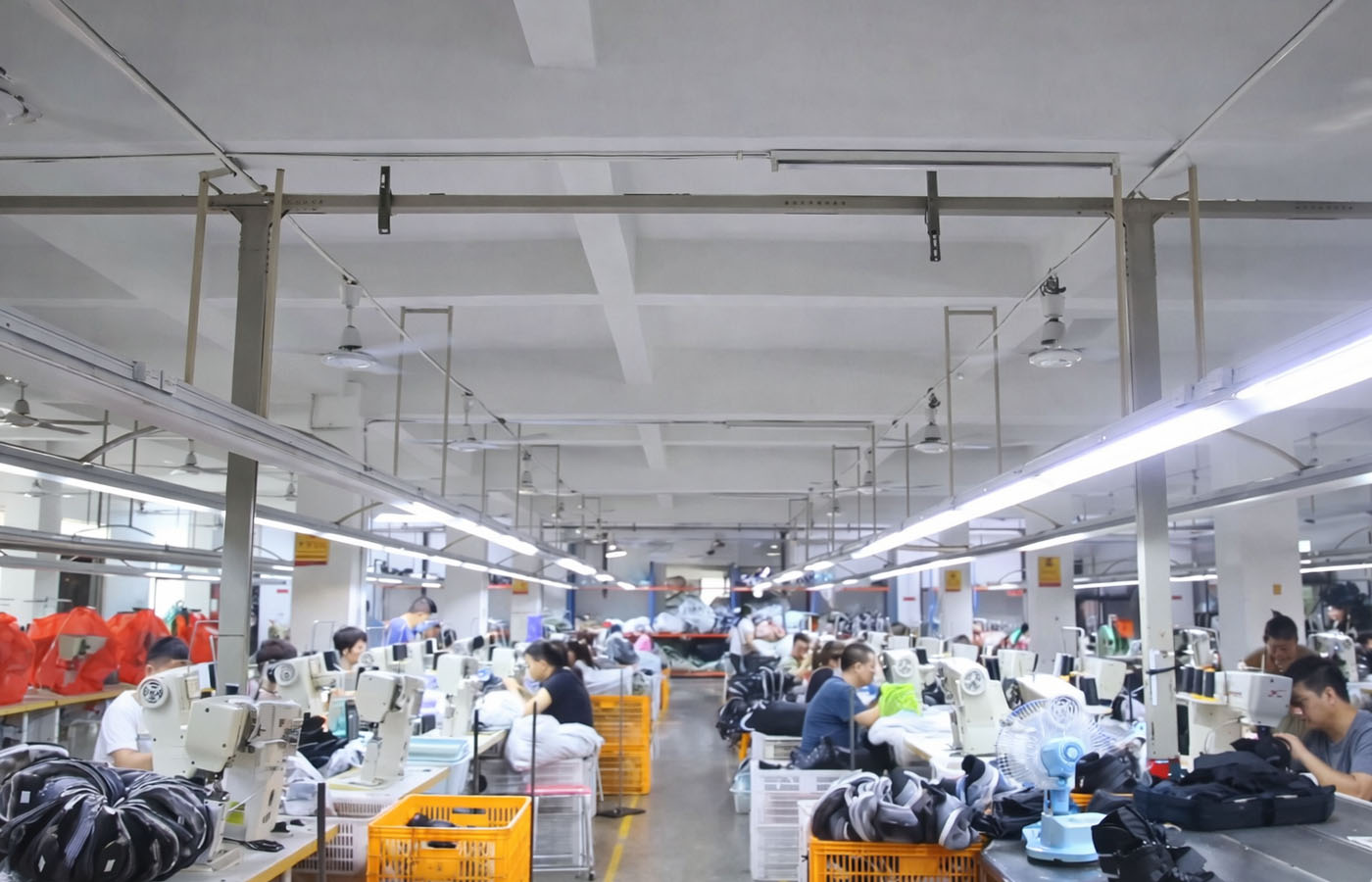
Build the Verification Checklist
- Supplier cannot produce the barefoot boot upper with the specified zero-drop last and wide toe box. Incorrect last geometry leads to fit failures, returns, and lost brand credibility among barefoot buyers. Request a last specification sheet and a sample wear-test photo before quoting. Last drawing with toe-box width and stack height marked, plus a photo of the sample on a size-check foot. Shortlist only suppliers who provide last documentation within supplier-confirmed timing.
- Supplier quotes a minimum order below 500 pairs for custom barefoot boots without explaining the production path. A low minimum order may indicate stock-style assembly or reused tooling that does not match your custom spec. Ask whether the quote uses an existing base mold or requires new tooling for your design. Written minimum order breakdown per production path: stock, base-model ODM, or full OEM. Compare the minimum order against the 500-pair threshold for custom production and confirm the path in writing.
- Supplier does not provide a written sample-approval gate before bulk production. Without a signed approval record, the factory may ship a production run that deviates from the approved sample. Require a sample-approval form that lists material, color, outsole compound, and fit check results. A dated approval document signed by both parties after the fit sample is reviewed. Do not release the deposit until the approval record is received and filed.
- Supplier cannot show a documented QC check for outsole adhesion on the barefoot boot model. Poor outsole bonding causes delamination within weeks, especially on zero-drop boots used for walking or light trail. Ask for the QC pass/fail criteria for peel strength and the test method used. A QC report from the last production batch of a similar boot style, showing adhesion test results. Verify the QC method matches your specification before placing the order.
- Supplier offers a barefoot boot OEM program but cannot confirm the lead time for a new design sample. Unclear sample lead time delays your product launch and may force you to accept a rushed, unverified sample. Request a timeline that separates base-model ODM sample days from full OEM tooling days. A written sample schedule with calendar-day ranges for each production path. Compare the timeline against the 10–21 day range for full OEM samples and adjust your launch plan accordingly.
Compare Quote and Production Assumptions
The main failure mode for blog is approval before the supplier has resolved the listed evidence gaps.
- Does the supplier have documented experience producing barefoot boots with zero-drop construction? Verifies the factory can handle the specific last, outsole, and upper requirements for barefoot boots, not just general footwear. Supplier provides a list of past barefoot boot orders, including style codes and minimum order quantities per run. A general shoe factory may lack the tooling or skill to maintain zero-drop geometry, leading to costly re-sampling. Request a capability statement and photos of three past barefoot boot production lines.
- What is the supplier's verification method for outsole adhesion and sole thickness tolerance? Ensures the production process includes a measurable quality gate for the key barefoot boot spec—thin, flexible outsole. Supplier describes a peel test and thickness gauge check at the cutting and lasting stations, with records kept per lot. Without a verification method, outsole delamination or inconsistent stack height can pass through to finished goods. Ask for a copy of the QC checklist for barefoot boots and confirm it includes outsole adhesion and thickness checks.
- How does the supplier manage approval risk for custom barefoot boot samples before bulk production? Confirms there is a written sign-off gate that prevents bulk production from starting on unapproved samples. Supplier requires a signed sample approval form and a deposit before releasing bulk material orders. Without a formal approval gate, the factory may start bulk cutting on a sample that the buyer has not yet approved. Include a sample approval clause in the purchase order and confirm the supplier's standard approval workflow.
- What is the minimum order for custom barefoot boots per color per style, and how does it affect unit cost? Establishes the order quantity floor and lets you calculate the cost driver for each additional color or style variation. Supplier states 500 pairs per color per style for custom production and provides a tiered price break above that minimum order. Ordering below the minimum order may trigger a surcharge or force you to accept a single color run that does not match your retail plan. Confirm the minimum order in writing and request a price comparison for 500, 750, and 1,000 pairs per color per style.
Run the Review Before Approval
At this workflow checkpoint, you must have a completed quote request revision that resolves all spec and cost gaps before moving to sample or bulk order. The output required is a supplier-confirmed requirement list with no unresolved discrepancies.
Questions to send back to the supplier
- Does the quoted minimum order match the confirmed barefoot boot upper material and zero-drop outsole construction per the quote request revision?
- What is the exact cost breakdown per unit at the agreed minimum order, including tooling and material surcharges?
- Can the supplier provide a written timeline for sample production that aligns with your order window?
- What is the payment term structure tied to each milestone (sample approval, bulk production, shipment)?
- How does the supplier handle upper material waste or defect rates during production, and is that reflected in the minimum order?
When to revise, escalate, or reject
If the supplier cannot confirm the barefoot boot spec (e.g., zero-drop requirement or stack height range) in writing, escalate to a revised quote request. Reject the proposal if the minimum order is based on an unverified upper material or if the supplier refuses to break down costs by component. Revise when the timeline or payment terms do not match your procurement cycle.
Before approval, verify that the quote request includes a clear handoff point for sample approval and bulk production. Use the table below to compare the supplier’s responses against your confirmed requirements.
| Requirement | Supplier Response | Verification |
|---|---|---|
| Zero-drop outsole | Confirmed in quote | Match RFQ spec |
| Upper material type | Stated in material list | Verify with sample |
| MOQ per style | Quoted number | Check against order plan |
| Payment milestones | 30% deposit, 70% before shipment | Align with cash flow |
After the table, confirm that all Buyer tools (spec sheet, cost breakdown, timeline) are complete. If any gap remains, do not approve—send the questions back for revision.
When a buyer moves from review to quote request or sample, the primary failure mode is approving the request without ensuring that the supplier has resolved all specification and cost ambiguities. The control is a structured handoff checklist that forces verification of every minimum order-influencing variable before the next gate opens.
Move from Review to RFQ or Sample
For barefoot boots minimum order, the steps below turn move from Review to quote request or Sample into fit, construction, sample, QC, and quote request checks a footwear supplier can confirm.
Inputs to include in the next message
Before sending the quote request or sample request, compile the following inputs. Each item directly affects minimum order, cost, or production risk.
- Final upper material specification (leather, microfiber, or textile) – impacts mold cost and minimum order quantity.
- Outsole compound and durometer – determines tooling requirements and sole minimum order.
- Last size run and width options – defines the number of molds needed.
- Stitching and reinforcement details – affects labor time and defect rate.
- Packaging format (individual box, polybag, bulk) – changes carton minimum order and shipping cost.
Ownership and sign-off for the next gate
Each input must be owned by a single person, with a sign-off record before the quote request or sample is issued. Use this table to assign responsibility.
| Input | Owner | Sign-off required |
|---|---|---|
| Upper material spec | Design lead | Approved sample swatch |
| Outsole compound | Materials engineer | Durometer test result |
| Size run & width | Product manager | Market fit analysis |
| Stitching details | Production supervisor | Stitch density sample |
| Packaging format | Logistics coordinator | Carton size confirmed |
As noted in the OEM Shoe Manufacturing minimum order, Sample Cost and Lead Time Guide from Aidacru, this ownership structure prevents costly rework after the sample stage. For a Jinjiang-based barefoot shoe OEM such as Keytop, a complete checklist ensures that the quote request matches the factory’s production capabilities, reducing the risk of minimum order changes after approval.
Source check: ISO 2859-1 sampling inspection standard; minimum order, Lead Time, Payment Terms: Explaining the OEM Process; Shoe Tech Pack Checklist for OEM/ODM Manufacturer Quotes.
For barefoot boots minimum order, use Keytop barefoot shoe factory to align the product baseline, sample evidence, packing record, and quote owner before order release.
In conclusion
For barefoot boots OEM orders, the sourcing decision comes down to verifying that the supplier’s sample timeline matches your production path. A full OEM sample with new tooling typically requires 10–21 day, not the longer window sometimes quoted for complex custom projects. Compare this lead time against your launch schedule, validate the spec including stack height and zero-drop construction, and document the approved sample before moving to bulk. Shortlist only those factories that can deliver a sample within that 10–21 day range and provide written sign-off on the quote request. This approach reduces the risk of delays and ensures your minimum order commitment aligns with a verified production capability.
To request a quote for this order order, use wholesale barefoot shoes supplier to confirm the final specification, quote assumptions, sample approval, QC evidence, approval risk, and supplier follow-up before bulk order.
Barefoot Boots MOQ Planning for Oem Orders FAQ
What should buyers confirm first?
Confirm the barefoot boots specification, including stack height (6–8mm) and zero-drop requirement, and verify that the minimum order of 500 pairs per color per style fits your order plan. Check the supplier’s lead time for custom production—standard orders take 30–45 days after sample approval, while complex projects with new tooling may require 45–60 days.
Which proof should be retained for approval and reorders?
Retain the approved sample with written sign-off, the quote request document listing material, color, branding, and packaging details, and the inspection report for bulk production. These records serve as the baseline for reorders, ensuring the same stack height, drop, and construction are replicated without deviation.
Which warning signs should stop the order?
Stop the order if the supplier cannot meet the specified stack height or zero-drop requirement, if the minimum order is not confirmed in writing per color per style, or if the sample fails to match the approved spec. Also halt if the lead time exceeds your timeline without a documented reason, as this signals production risk.
quote request handoff: Ask B2B buyers to share product category, target quantity, market, timeline, and reference files for a practical quote. Send Specs for Review.
Leave a Comment
Ask a sourcing question, add your view, or request follow-up from our team. We keep the form short so it feels natural inside the article page.