
The sourcing record for barefoot running shoes workflow before bulk is incomplete until it supports this Verify samples, materials, print, tolerances, certifications, and bulk-production risk.
Approval should include a worn flex cycle, because a barefoot running shoe changes shape in its first hours of wear.
Buyer summary: For barefoot running shoes workflow before bulk, buyers should verify samples, materials, print, tolerances, certifications, and bulk-production risk.
Define the Buyer Decision for Barefoot Running Shoes Sample Approval Workflow
- Verify outsole adhesion and edge trimming on the sample: Poor adhesion or rough edges cause early sole separation and buyer safety concerns Perform a manual peel test at the toe and heel; inspect the trim line for smoothness Bulk production could ship with delaminated soles, triggering a full container rejection Request a photo of the peel test result and approve only if no separation occurs
- Confirm the sample uses the agreed MOQ material grade and color code: Material substitution between sample and bulk is a common cost-saving tactic that alters durability Cross-reference the material swatch card and color code with the approved pre-production sample Bulk shoes may fade, crack, or wear faster than the sample, damaging your brand reputation Document the swatch code and request a signed material declaration from the factory
- Check the sample's insole fit and toe-box width against your size run: Barefoot shoes require a wide toe box; a tight sample means bulk shoes will not fit the target foot shape Insert a foot model or last into the sample; measure the widest point across the toe box Bulk shoes could compress toes, causing discomfort and a high return rate Approve only if the toe-box width matches the spec sheet and passes a fit test on three sizes
- Inspect the sample's upper stitching and reinforcement points: Stitch tension and thread type affect seam strength; weak seams fail during wear Pull the upper at the lace area and heel counter; count stitches per inch and note any skipped stitches Bulk shoes may rip at the lace eyelets or heel seam, leading to warranty claims Reject if more than one skipped stitch per seam; request a corrected sample before bulk
Confirm Product and Order Scope
For barefoot running shoes, use a release rule: approve only when the supplier evidence matches the written requirement.
- Sample matches approved material and construction spec: Material test report and construction spec sign-off Supplier quality team Bulk run may deviate from approved sample without documented spec lock Compare sample against signed spec sheet and request written conformance
- Supplier has capacity and process for barefoot running shoes: Production line audit report and past order records Supplier production manager Inconsistent output or delayed delivery if capability is unverified Request line capacity data and reference orders for similar barefoot running shoes
- Sample passes dimensional and tolerance checks: Measurement report with stack height, drop, and width tolerances Supplier QC department Out-of-spec samples lead to fit issues and returns in bulk Verify report against your spec sheet and approve only if within tolerance
- Supplier holds relevant quality proof: Valid ISO 9001:2015 certification or amfori BSCI audit report Supplier compliance officer Uncertified supplier may lack consistent quality controls Request certificate copy and verify scope before bulk order
Material and specification fit
Before approving a sample of barefoot running shoes, confirm every material layer matches your spec sheet. Check stack height, drop, upper material, and outsole compound. A mismatch here means the bulk order will not perform as intended. Request a signed material declaration from the supplier to lock the spec before production.
MOQ, cost structure, and lead time
For custom barefoot running shoes, the MOQ is 500 pairs per color per style. Confirm lead time for sample development and bulk production during RFQ. Cost structure depends on material choices and customization level. Always get a written quote that breaks down tooling, sample, and bulk unit costs before committing.
Supplier reliability and quality checks
A reliable supplier for barefoot running shoes should provide production line audit reports and past order references. Check that their QC process includes dimensional checks on stack height and drop. Request their quality certifications, such as ISO 9001:2015, to ensure consistent output. Without these checks, bulk delivery risk increases.
RFQ checkpoint
Ask B2B buyers to share product category, target quantity, market, timeline, and reference files for a practical quote.
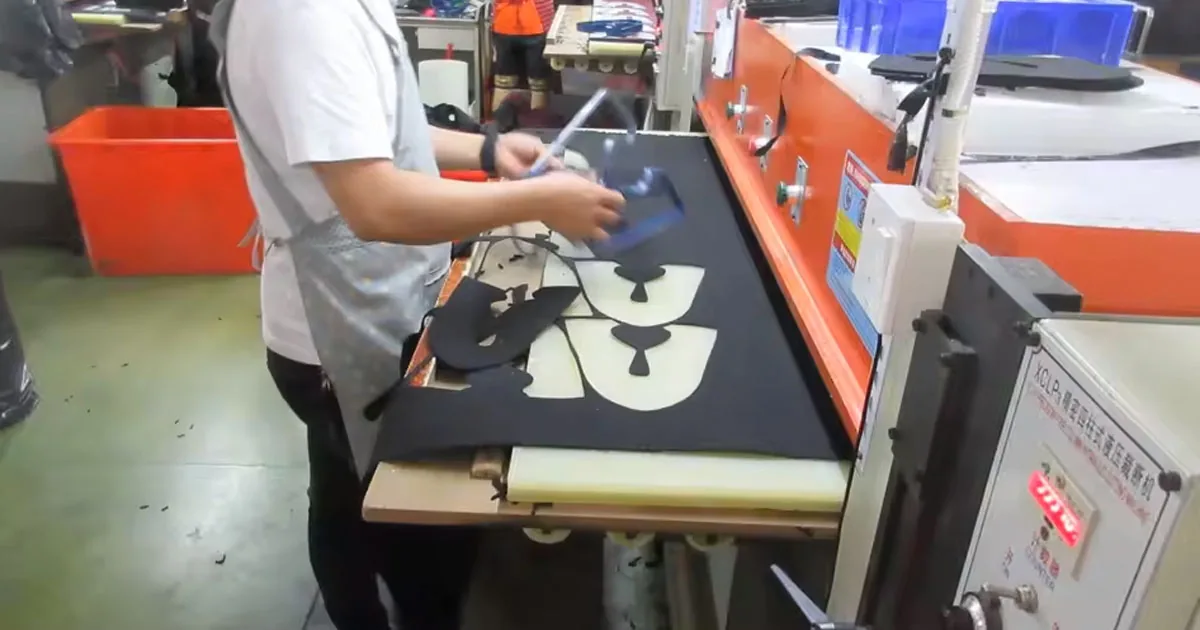
Build the Verification Checklist
- Supplier lacks barefoot-specific last and sole mold capability: General shoe molds produce incorrect toe-box shape and zero-drop angle, causing fit failures and returns Request supplier's barefoot shoe product range and mold inventory list before sample development Mold catalog showing wide toe-box lasts and 4mm stack-height sole molds Verify mold compatibility during RFQ and reject suppliers without dedicated barefoot tooling
- Sample approval signed off without production-line trial run: Handmade samples hide assembly defects that appear only on automated lines, causing bulk rejections Require a pilot production run of 50 pairs under normal line conditions before final approval Pilot run photos, line speed records, and defect count report from the trial batch Document pilot run results as a mandatory gate before bulk production deposit
- Supplier cannot provide material test reports for zero-drop construction: Unverified outsole rubber and midsole foam may fail at 0mm drop, leading to delamination or premature wear Request ISO or GRS material certificates for rubber compound and EVA foam used in the sample Material test report showing abrasion resistance, adhesion strength, and flex endurance Cross-check test values against your tech-pack specifications and reject if missing
- No written approval record exists for the confirmed sample: Verbal approvals create disputes over color, stitching, and material layup when bulk production starts Use a signed sample approval form that lists all critical checkpoints before production release Signed approval document with date, inspector name, and list of approved attributes File the approval record as the release rule for the production order
Compare Quote and Production Assumptions
The main failure mode for this order is approval before the supplier has resolved the listed evidence gaps.
- Does the supplier have documented experience producing zero-drop, wide-toe-box footwear barefoot shoe manufacturing for indie brands? A supplier unfamiliar with barefoot-specific lasts and thin-sole construction often delivers samples that fail on stack height or toe spring. Supplier provides a portfolio of at least three past barefoot projects with confirmed production run sizes. You approve a sample that looks correct but cannot be reproduced at scale because the factory lacks the right tooling or trained operators. Request a list of past barefoot shoe clients and ask for a reference call with one production manager.
- What is the approval risk if the supplier ships a confirmation sample without a signed off spec sheet? A sample without a matching spec sheet leaves room for interpretation, and the factory may use different materials or construction in bulk. Supplier requires a signed spec sheet before releasing any sample for approval. You approve a sample based on feel alone, and the bulk run uses a different adhesive or outsole compound that changes performance. Insist on a written spec sheet that includes material codes, thickness, and construction method before sample sign-off.
- What buyer follow-up is needed after the sample passes dimensional checks but before bulk production starts? Many buyers stop at sample approval and miss the step of confirming production line readiness, which causes delays. Supplier provides a production schedule, confirms material availability, and schedules a pre-production line check. You approve the sample, but the factory runs out of the specified outsole rubber and substitutes a different compound without telling you. Schedule a video call to walk the production line and confirm that the approved materials are staged for the first run.
Run the Review Before Approval
At this checkpoint, you must have a documented review that confirms the sample matches your tech pack before moving to bulk. The output required is a signed-off review record with clear pass/fail for each critical spec.
Questions to send back to the supplier
- Does the sample sole thickness match the quote request-confirmed requirement (e.g., within the buyer-approved tolerance of the specified value)?
- Is the toe-box width consistent with the tech pack drawing, verified by a buyer-side measurement?
- Does the zero-drop stack height align with the agreed specification, as confirmed by a simple height gauge test?
- Are the outsole tread pattern and durometer (hardness) within the range stated in the quote request?
- Has the supplier provided a signed sample approval checklist with photos and measurements?
When to revise, escalate, or reject
If the sample fails any critical spec (e.g., sole thickness off by more than the allowed tolerance), revise the sample and request a new one. Escalate if the supplier cannot explain the deviation or if the same issue appears in two consecutive samples. Reject the sample if the geometry errors affect safety or function, such as a toe-box that compresses toes or a stack height that changes the zero-drop angle. For non-critical issues like color shade, a revision may be acceptable if the supplier provides a corrective plan.
Use this table to track common review points:
| Review Point | Buyer Verification Question | Pass/Fail |
|---|---|---|
| Sole thickness | Does the sample thickness match the RFQ requirement within the buyer-approved tolerance? | Pass |
| Toe-box width | Is the width within the buyer-confirmed limit of the tech pack drawing? | Pass |
| Zero-drop stack height | Is the heel-to-toe drop less than the approved tolerance? | Fail |
| Outsole hardness | Is the durometer within the range specified in the RFQ? | Pass |
After the review, update your sample approval workflow and share the results with the supplier. For more on sample development, see our blog on blog.
Move from Review to RFQ or Sample
If the sample review reveals unresolved ambiguity—such as sole thickness deviation or toe-box width mismatch—the failure mode is proceeding to quote request without documented evidence that the supplier has corrected the issue. The control is a release rule: approve only when the supplier provides a written corrective action plan and a re-submission sample that matches your tech pack.
Inputs to include in the next message
- Corrective action details: specific changes made to sole thickness, toe-box width, or zero-drop stack height.
- Updated sample photos or video showing the corrected feature against a measurement gauge.
- Revised cost or MOQ if changes affect material usage or mold modification.
- Production risk note: any new risk introduced by the correction (e.g., sole adhesion strength after thickness change).
- Factory execution timeline: expected date for re-submission sample or quote request response.
Ownership and sign-off for the next gate
The buyer’s product manager owns the sign-off decision. The supplier’s sample department must provide written confirmation that the corrective actions are complete. No handoff to quote request or sample production occurs until the buyer’s sign-off is documented in the approval workflow.
Before moving to quote request, verify that the supplier’s evidence matches your written requirements. For example, if your tech pack specifies a 4mm sole thickness, the supplier must submit a measurement report and a photo of the sole with a caliper reading. Only then can you confidently proceed to quote request or request a new sample.
Source check: ISO 9001 quality management standard; Shoe Sample Approval Checklist Before Bulk Production; Shoe Sample Development Process: From Tech Pack to Production .….
In conclusion
The sourcing choice comes down to comparing the approved sample against your tech pack for sole thickness, toe-spring angle, and stack height, then verifying that the supplier’s MOQ and cost align with your quote request. Document every measurement and photo on the sample approval form, and check that the lead time for bulk production matches your timeline before moving forward.
Shortlist only suppliers who provide clear sample/QC proof and flag any risk early, such as mismatched materials or construction issues. Once the sample is verified and the deposit terms are agreed, hand off the signed approval form to initiate bulk production with confidence.
Barefoot Running Shoes Sample Approval Workflow FAQ
What should buyers confirm first?
Buyers should first confirm that the sample matches the tech pack for sole thickness, toe-box width, and zero-drop stack height. Compare the measured values against your spec sheet and verify the material composition and construction method. If the sample uses a different outsole rubber or upper mesh than specified, request a revised sample before moving to cost and minimum order discussion. Approving the wrong structure or supplier proof can create quality, cost, or delivery problems.
Which proof should be retained for approval and reorders?
Retain the signed sample approval form with photos, measured dimensions, and the supplier’s confirmation of material and color codes. Keep one sealed reference sample from the approved lot for reorder matching. This proof ensures that bulk production follows the same specification and helps resolve any disputes about sole thickness or toe-spring angle in later shipments.
Which warning signs should stop the order?
Stop the order if the sample shows a stack height above 4mm, a visible toe-spring angle, or a toe box that is narrower than your minimum width requirement. Also halt if the supplier cannot provide a written sample approval document or if the sample uses a different lasting board or adhesive than stated in the tech pack. These mismatches indicate production risk that will likely repeat in bulk. Ask for a sample, specification confirmation, or QC evidence before approval.
quote request handoff: Ask B2B buyers to share product category, target quantity, market, timeline, and reference files for a practical quote. Send Specs for Review.
Leave a Comment
Ask a sourcing question, add your view, or request follow-up from our team. We keep the form short so it feels natural inside the article page.