
The sourcing record for barefoot running shoes MOQ planning for is incomplete until it supports this Prepare quote-ready specifications before contacting suppliers.
MOQ for barefoot running shoes usually follows the outsole compound run, because a thin sole in a soft compound carries its own batch minimum.
Buyer summary: For barefoot running shoes MOQ planning for, buyers should prepare quote-ready specifications before contacting suppliers.
Define the Buyer Decision for Barefoot Running Shoes MOQ Planning
| Requirement | Factory control | Evidence to verify | Order risk | RFQ follow-up |
|---|---|---|---|---|
| Sample approval | Factory holds signed approval with measured stack, drop, and upper tolerance. | Compare sample against spec sheet; measure stack height and drop with caliper. | Unapproved sample leads to bulk production with dimensional drift and returns. | Request sample with signed spec sheet; approve only after full measurement match. |
| MOQ and order quantity | Factory confirms 500 pairs per color per style for custom production; 50–100 for stock. | Verify MOQ in written quote; check inventory for stock styles before order. | Ordering below MOQ triggers production delays or per-unit cost overruns. | Request RFQ with exact color and style quantities; confirm MOQ in writing. |
| Lead time after approval | Factory commits to 30–45 days for standard production; 45–60 for complex custom. | Cross-check lead time against sample approval date and deposit receipt. | Unverified lead time causes missed launch dates and inventory gaps. | Ask for production schedule with milestone dates; approve sample before counting days. |
Customization, setup, and MOQ impact
Custom color, branding, and packaging each require separate setup runs, which raise the minimum order threshold. For OEM orders, each color per style must meet the 500-pair minimum order to amortize mold and pattern costs. Stock styles bypass this setup, allowing lower quantities but limiting customization. Evaluate whether your brand needs exclusive tooling or can leverage existing base models.
Questions to confirm before ordering:
For barefoot running shoes, treat the listed items as RFQ inputs. Match each buyer input to written supplier confirmation, approval evidence, and the risk that would hold the quote.
- Specify exact stack height, drop, and outsole thickness for each style: Barefoot shoe performance depends on these metrics; the buyer-confirmed requirement change alters ground feel and durability. For a trail model, confirm the buyer-confirmed requirement stack with the buyer-confirmed limit outsole; for a road model, the buyer-confirmed requirement stack with the buyer-confirmed limit outsole. Supplier may default to a generic last, causing poor fit or unexpected ride characteristics. Attach a spec sheet with tolerances to the RFQ; request supplier sign-off before quoting.
- Define upper material, lining, and insole composition per colorway: Material choice drives tooling cost, minimum order per color, and lead time for custom orders. Mesh upper with microfiber lining may require separate die-cutting for each color; leather requires different lasting. Supplier may quote a single-material price, then add surcharges for each variant after order placement. List all material layers in the RFQ; ask for a breakdown of minimum order per color per material.
- Confirm packaging, labeling, and carton markings for each destination market: Custom packaging adds setup cost and may increase minimum order if printing plates are needed. EU-market orders require CE-marked boxes; US-market orders need FTC-compliant labels. Supplier ships with generic packaging, causing customs delays or retailer rejection. Request packaging specs and minimum order for printed cartons; approve a packaging mock-up before bulk production.
- Document quality control sampling plan and AQL level for bulk production: the agreed sampling plan normal is standard for footwear; barefoot shoes require tighter checks on sole adhesion and toe-box width. Specify the agreed sampling plan for critical defects (delamination, outsole separation) and the agreed sampling plan for major defects. Supplier uses own AQL, leading to high defect rates in shipment and end-buyer returns. Include the AQL table in the quote request; require supplier to submit a QC plan before sample approval.
- Set lead time expectations for sample development and bulk production: Lead time affects inventory planning and go-to-market calendar; custom tooling adds 10–21 days for samples. Base-model ODM sample: 7–14 days; full OEM with new tooling: 10–21 days; bulk after approval: 30–45 days. Buyer commits to a launch date without confirming production window, causing stockouts or late fees. Request a timeline table in the quote; confirm deposit trigger and production start date.
The choice of upper material—mesh, microfiber, or leather—directly affects die-cutting and lasting costs. A 4mm stack height requires a specific outsole mold, while a 6mm stack uses a different tool. Each material and spec combination may raise the minimum order quantity per color, so buyers should lock these details before requesting a quote.
Custom colors, branding, and packaging each require separate setup runs. For example, a private-label insole with a logo may need a new mold, pushing the minimum order to 500 pairs per color per style. Buyers should list all customization requests in the quote request to receive a single minimum order figure that covers tooling, printing, and assembly.
Quotes often exclude surcharges for rush orders, partial shipments, or special testing. A supplier may quote a low unit price but add fees for sample revision or extra QC. Buyers should request a full cost breakdown including inspection, packaging, and freight to avoid unexpected charges after order confirmation.
Confirm Product and Order Scope
| Cost driver | What changes it | Quote signal | Risk to avoid | Buyer action |
|---|---|---|---|---|
| Material and construction complexity | Zero-drop last, wide toe box, and thin outsole compound increase mold and material cost vs standard athletic shoes. | Supplier itemizes last, outsole, and upper material costs separately on the quote. | Underestimating tooling cost for a 4mm stack height sole can delay sample approval. | Request a line-item breakdown for each material and mold before comparing quotes. |
| Order quantity per style and color | Stock styles ship at 50–100 pairs mixed sizes; custom production requires 500 pairs per color per style. | Quote shows a tiered price break at 500 pairs and a separate stock-style price list. | Ordering 300 pairs of a custom color triggers a price penalty or order rejection. | Verify whether your target quantity matches the stock or custom MOQ before issuing the PO. |
| Production lead time and sample path | Stock orders ship in 7 days; ODM base-model samples take 7–14 days; full OEM samples take 10–21 days; bulk production after approval takes 30–45 days. | Quote includes separate sample lead time and bulk production lead time with calendar-day ranges. | Assuming a 7-day lead time for a custom barefoot running shoe design can break your launch schedule. | Confirm the sample path (ODM vs OEM) and match the lead time to your go-to-market timeline. |
| Quality control and inspection scope | In-line inspection, final random inspection, and material testing add supplier-confirmed timing and a supplier-confirmed variance to unit cost. | Quote lists QC steps (e.g., in-line check, final the agreed sampling plan inspection) as optional or included. | Skipping QC on a first bulk order of barefoot running shoes can result in sole delamination or inconsistent stack height. | Document the QC scope in the RFQ and require a pre-shipment inspection report for the first order. |
| Packaging and labeling customization | Private-label box, hang tag, and barcode sticker add supplier-quoted budget level per pair depending on quantity. | Quote shows a separate packaging line item with per-unit cost and MOQ for printed materials. | Assuming standard packaging is included can inflate landed cost by a supplier-quoted adjustment for a 500-pair order. | Request packaging specs and per-unit cost in the quote, and confirm the minimum for custom print. |
Evaluate Confirm Product and Order Scope as one decision scope. Use this cost breakdown table as an approval sequence, not as a supplier claim. For material and construction complexity, a poor decision can mean underestimating tooling cost for a 4mm stack height sole can delay sample approval. Request written proof and compare it with the approved sample or specification, then request a line-item breakdown for each material and mold before comparing quotes.
For the material and construction complexity checkpoint, keep the supplier response, marked sample, approved specification, quotation, and approval owner under the same revision number. If the evidence conflicts with the approved record, hold the quote, sample, or production release until the deviation is explained in writing. Carry the signed decision record into the purchase order, production handoff, shipment release, and later reorder review so every team works from the same baseline.
Decision criteria to confirm
Before approving a quote for barefoot running shoes, compare the cost driver breakdown across suppliers. A factory that itemizes mold, material, and QC separately gives you control over where to negotiate. If one line item is missing, ask for it in writing before moving to sample approval.
RFQ details to send
When you send the quote request for barefoot running shoes, include your target minimum order, preferred lead time, and QC scope. The supplier will use these to return a quote that matches your production path. Without these inputs, you risk receiving a generic quote that does not reflect your order size or timeline.
Production handoff details
After sample approval, confirm the production lead time and QC schedule in the purchase order. The factory will schedule material procurement and inspection based on these dates. A written handoff document that includes the cost breakdown table prevents misalignment between your expectations and the production floor.
quote request checkpoint
Ask B2B buyers to share product category, target quantity, market, timeline, and reference files for a practical quote.
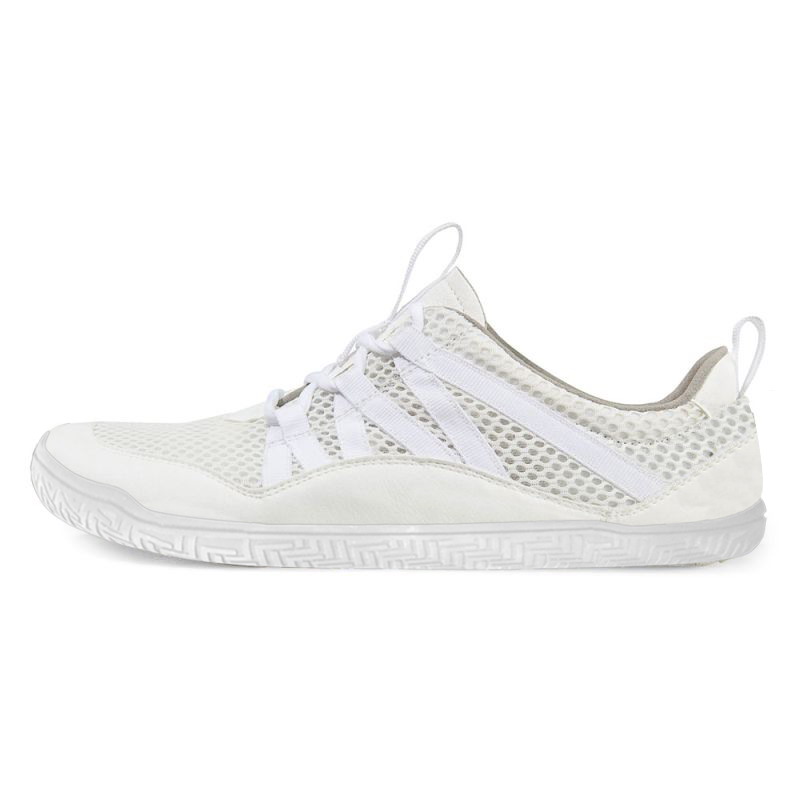
Build the Verification Checklist
- Supplier cannot verify barefoot-specific outsole compound or last shape for zero-drop geometry. A generic running shoe factory may use a standard last with a heel drop, ruining the barefoot feel and risking returns. Request a last specification sheet and outsole durometer reading for the barefoot shoe product range. Last drawing with 0mm drop annotation and outsole Shore A hardness test report. Shortlist only suppliers who provide barefoot-specific last and compound data with the quote.
- Supplier offers a custom minimum order below 500 pairs per color per style without explaining how they split tooling or material costs. An unusually low minimum order may mean shared tooling, limited color options, or hidden setup fees that inflate per-pair cost later. Ask for a detailed cost breakdown that shows tooling amortization, material minimums, and any batch surcharges. Written minimum order policy per style and color, plus a sample invoice showing all line-item charges. Compare the cost-per-pair at stated minimum order against the standard 500-pair threshold to assess true affordability.
- Supplier has no documented sample-approval gate before bulk production for barefoot running shoes. Without a signed approval record, the factory may proceed with unverified fit or material, leading to costly rework or rejected goods. Require a written sample-approval procedure that includes fit test, stack-height check, and visual sign-off. Sample approval form template and photos of a previous barefoot shoe sample sign-off. Add a sample-approval milestone to the purchase order and hold the first deposit until the form is signed.
- Supplier cannot provide a quality-control checklist that covers barefoot shoe-specific parameters like stack height, toe-box width, and outsole flexibility. Standard QC checkpoints miss critical barefoot attributes, increasing the chance of shipping non-compliant inventory. Ask the supplier to share their QC checklist and confirm it includes measurement of 4mm stack height and wide toe-box dimensions. QC checklist document with barefoot-specific fields filled for a recent order. Cross-reference the supplier's QC checklist against your own tech pack before approving the production run.
Compare Quote and Production Assumptions
The main failure mode for this order is approval before the supplier has resolved the listed evidence gaps.
- Does the supplier have a dedicated barefoot shoe OEM and ODM services production line? A dedicated line ensures the zero-drop last and thin outsole construction are handled correctly, avoiding sole separation or stack height errors. Supplier confirms a separate line with trained workers for barefoot shoe assembly and outsole bonding. A general footwear line may use standard lasts or thicker midsoles, producing shoes that are not truly zero-drop or flexible. Request a line allocation chart or video showing barefoot shoe production steps.
- What is the minimum order for custom barefoot running shoes with our upper material? Custom material sourcing often requires a higher minimum to cover setup and waste, affecting your order budget and inventory risk. Supplier states 500 pairs per color per style for custom production, consistent with standard OEM terms. A lower minimum order may hide per-pair surcharges or limit color options, while a higher minimum order could tie up capital in slow-moving stock. Confirm the minimum order in writing for your specific upper material and color, and request a cost breakdown per pair.
- How do you verify the outsole adhesion strength before bulk production? Barefoot shoes rely on thin, flexible outsoles; weak adhesion leads to delamination, returns, and brand damage. Supplier performs a peel test on sample pairs and shares the test method and acceptable threshold. Without a documented adhesion check, you may receive shoes where the outsole separates after a few wears. Request a sample pair for your own peel test and include adhesion pass/fail criteria in the QC checklist.
- What is the lead time for sample approval and bulk production? Sample and production timelines directly affect your launch schedule and cash flow planning. Supplier provides a clear timeline: 10–21 days for full OEM sample, 30–45 days for standard production after deposit. Vague or optimistic timelines can delay your market entry and cause missed retail windows. Document the agreed sample and production lead times in the purchase contract, with penalties for delays.
Run the Review Before Approval
At this checkpoint, you must have a finalized quote request revision and a supplier response that resolves all prior evidence gaps. Before moving to sample production, verify the following against your order scope.
Questions to send back to the supplier
- Can you confirm the barefoot-specific outsole compound (e.g., zero-drop, flexible rubber) meets the abrasion resistance standard specified in our quote request?
- What is the exact stitching method for the wide toe box—will it match the approved prototype dimensions within the buyer-approved tolerance?
- How do you plan to handle midsole stack height tolerances to ensure consistent ground feel across the production run?
- Provide a written breakdown of any cost adjustments if we revise the minimum order from the initial quote—what triggers a price change?
- Which quality checkpoints during assembly will verify the absence of arch support or stiffening elements?
When to revise, escalate, or reject
If the supplier cannot answer any of the above with documented evidence (e.g., test reports, process flow charts), revise the quote request to include those requirements. Escalate if the supplier proposes a substitute material without equivalent barefoot performance data. Reject the quote if the supplier refuses to commit to measurable tolerances for zero-drop or flexibility.
| Checkpoint | Requirement | Verification Method |
|---|---|---|
| Outsole compound | Zero-drop, flexible rubber | Supplier test report or third-party lab result |
| Toe box width | Wide, no taper | Prototype measurement vs. spec sheet |
| Midsole stack height | ≤ the approved tolerance | In-line caliper check per batch |
| Arch support | None | Visual inspection during lasting |
Once all answers are documented and matched to your quote request, approve the sample order. Keytop Barefoot Shoes, a Jinjiang-based B2B barefoot shoe OEM/ODM manufacturer, follows this sequence for every OEM order. For more on the process, see our blog.
Move from Review to RFQ or Sample
The main failure mode at this stage is advancing to an quote request or sample order without resolving the evidence gaps from prior reviews. The control that prevents this is a structured handoff checklist that forces documented sign-off on specs, cost, production risk, and factory execution before moving forward.
Inputs to include in the next message
- Finalized product specification sheet with material stack-up, outsole durometer, and zero-drop confirmation.
- Cost breakdown table showing unit price at target minimum order, tooling amortization, and any per-piece surcharges for low minimum order.
- Production risk register listing top three risks (e.g., outsole adhesion, last fit, sole flex) and agreed mitigation steps.
- Factory execution timeline with milestones for sample approval, bulk material procurement, and production start.
- Clear quote request revision number and date, referencing all prior evidence gaps that have been closed.
Ownership and sign-off for the next gate
Before issuing an quote request revision or sample order, the buyer and supplier must assign a single owner for each input above. The owner confirms that the input is complete and accurate. A joint sign-off document, even a simple email thread with explicit approval, gates the transition. Without this, the buyer risks ordering samples that do not match the intended production spec, or worse, committing to a bulk order with unresolved cost or risk items.
Source check: ISO 2859-1 sampling inspection standard; Shoe Tech Pack Checklist for OEM/ODM Manufacturer Quotes; Lightweight Biodegradable Running Shoes Custom OEM ODM Service….
In conclusion
The sourcing choice for the current product ultimately comes down to comparing your order scope against the supplier’s documented capabilities. Before you shortlist a supplier, verify that their minimum order aligns with your volume—whether you need stock styles at 50–100 pairs or custom production at 500 pairs per color per style. Document the spec, cost, and lead time in a finalized quote request, then check that the supplier can provide evidence of material feasibility, quality control, and sample development. Once you validate the spec and approve a sample, you can confidently hand off to bulk production without unexpected delays or cost overruns.
To request a quote for this sourcing program, use wholesale barefoot shoes supplier to confirm the final specification, quote assumptions, sample approval, QC evidence, approval risk, and supplier follow-up before bulk order.
Barefoot Running Shoes MOQ Planning FAQ
What should buyers confirm first?
Buyers should first confirm the exact barefoot running shoe specification, including stack height, zero-drop requirement, and upper material, then match it to the supplier’s production path. For custom OEM orders, the minimum is 500 pairs per color per style, and the buyer should verify that the supplier can meet the required lead time, which for standard production after sample approval and deposit falls within a range that should be confirmed in the quote request. Confirm minimum order and order quantity by color, width, artwork, and packing route.
Which proof should be retained for approval and reorders?
Retain the signed specification sheet, the approved sample with documented measurements, and the supplier’s quality control report for each production batch. For reorders, keep the original sample approval record and the supplier’s inspection certificate to ensure consistency in stack height, drop, and material grade. Confirm minimum order and order quantity by color, width, artwork, and packing route.
Which warning signs should stop the order?
Stop the order if the supplier cannot provide a documented specification match for the barefoot running shoe’s 4mm stack and 0mm drop, or if they refuse to produce a pre-production sample for approval. Also halt if the quoted lead time for standard production is not confirmed in writing, as unverified timelines increase supplier risk. Confirm minimum order and order quantity by color, width, artwork, and packing route.
quote request handoff: Ask B2B buyers to share product category, target quantity, market, timeline, and reference files for a practical quote. Send Specs for Review.
Leave a Comment
Ask a sourcing question, add your view, or request follow-up from our team. We keep the form short so it feels natural inside the article page.