
The sourcing record for trail barefoot shoes audit is incomplete until it supports this Compare suppliers, factory proof, samples, MOQ, lead time, and risk signals.
Trail barefoot audits should look at outsole bonding under torsion, since that is how a thin sole fails off-road.
Buyer summary: For trail barefoot shoes audit, buyers should compare suppliers, factory proof, samples, MOQ, lead time, and risk signals.
Define the Buyer Decision for Trail Barefoot Shoes Supplier Audit
Compare the decision criteria for trail barefoot shoes against one RFQ revision. Each row should identify the requirement, approval evidence, and buyer action before production.
| Requirement | Factory control | Evidence to verify | Order risk | RFQ follow-up |
|---|---|---|---|---|
| Sample approval | Factory retains signed sample and spec sheet before bulk production. | Compare production sample against approved reference; measure stack height and drop with caliper. | Without written approval, bulk goods may deviate from agreed specs, causing rejection. | Request a pre-production sample; sign and date the approval document before deposit. |
| MOQ and order quantity | Factory enforces 500 pairs per color per style for custom production; stock styles allow 50–100 pairs. | Check the supplier’s MOQ policy in writing; confirm per-style minimums in the RFQ response. | Under-ordering triggers per-unit cost increases; over-ordering ties up capital in slow-moving inventory. | Specify exact color and style quantities in the RFQ; request a cost breakdown at MOQ and above. |
| Material / substrate | Factory sources certified materials (e.g., GRS for recycled options) and tests adhesion and abrasion. | Request material data sheets and in-house test reports for outsole rubber and upper mesh. | Substandard materials cause delamination, premature wear, or failure in trail conditions. | Ask for material swatches and test certificates; include material grade in the spec sheet. |
| Width or size tolerance | Factory uses graded last measurements and in-line width checks per size run. | Measure sample across ball and heel; compare against size-grade rule for the buyer-approved tolerance. | Inconsistent width leads to returns and poor fit for wide-toe-box barefoot design. | Request a size-grade table and width measurement report; approve the last before production. |
| Finish or color control | Factory applies color standard under buyer-approved viewing conditions and checks finish for defects per the agreed sampling plan. | Submit a color chip or Pantone reference; inspect first-article finish under controlled lighting. | Color mismatch or finish flaws cause brand inconsistency and customer complaints. | Provide a physical color standard; request a lab dip approval before bulk production. |
For trail barefoot shoes, use the decision criteria as the decision scope. Read the rows as one approval sequence. Start with sample approval; use the risk and buyer-action columns to decide whether its evidence is sufficient. Verify it with the inspection method and approval evidence recorded in the table.
For this trail barefoot shoes sourcing record, keep the supplier response, marked sample, and approval owner under the same revision number. If any proof conflicts with the approved record, hold the quote, sample, or production release until the supplier explains the deviation in writing. Before closing the checkpoint, reconcile the latest drawing, sample, quotation, and approval comments, identify which record controls if they disagree, and document the resolution. Carry the signed the decision criteria table into the purchase order and production handoff so the same checks support quote comparison, sample approval, shipment release, and later reorders.
Material and specification fit
The buyer decision for a trail barefoot shoe supplier audit hinges on confirming that the supplier’s material sourcing and specification controls match your product requirements. You must verify that the factory uses certified substrates, maintains width tolerances, and applies color standards consistently. This ensures the final shoe meets zero-drop, wide-toe-box, and durability expectations for trail use.
Supplier reliability and quality checks
Supplier reliability is assessed through documented quality checks, including sample approval, material testing, and in-line inspection. Verify that the factory retains signed approvals and uses AQL sampling for finish defects. This reduces the risk of receiving non-conforming goods and ensures the supplier can consistently deliver to your trail barefoot shoe specification.
Questions to confirm before ordering:
- Does the supplier’s specification sheet list the exact stack height, drop, and sole construction for this trail barefoot shoe model? You need documented proof that the product matches your design: 6mm stack, 0mm drop, and a durable outsole compound. Supplier provides a written spec sheet with those measurements and the outsole material, plus a tolerance statement. Accepting a verbal spec risks receiving a shoe with different dimensions, leading to returns or performance complaints. Request the spec sheet, compare it to your RFQ, and keep it as the baseline for sample approval.
- What quality control processes are applied during sample and bulk production for these shoes? You need to verify that the supplier has a systematic method to catch defects before shipment. Supplier uses AQL sampling, checks sole adhesion, upper stitching, and width tolerance, and provides a QC report. Without formal QC, defect rates may be high, causing delays and extra costs for rework or returns. Request the QC plan and a sample inspection report; include a clause in the contract for random third-party inspection.
- How does the supplier verify the claimed stack height and zero drop on finished samples? Measurement methods vary; you need to confirm the supplier uses a reliable, repeatable process. Supplier uses calipers on the finished sole and heel, records the measurement on an inspection form, and shares it. Inconsistent measurement can lead to a drop that is not zero, affecting the shoe’s performance and your brand promise. Ask for a sample measurement record and include a dimensional check in your sample approval criteria.
- What is the minimum order quantity and lead time for custom trail barefoot shoes? You need to plan inventory, budget, and market launch timeline accurately. MOQ is 500 pairs per color per style; base model sample takes 7–14 days, bulk production 30–45 days after sample approval. Misunderstanding MOQ or lead time can delay your launch or require a larger upfront investment than planned. Confirm minimum order and lead time in the RFQ, and get a written production schedule before placing a deposit.
Confirming material and specification fit early prevents costly rework. You must verify that the supplier’s outsole compound, upper material, and stack height match your design. Request a written spec sheet with tolerances. A mismatch at this stage delays sample approval and may force a new mold, adding weeks to your timeline.
minimum order and lead time directly affect your cash flow and go-to-market schedule. For custom trail barefoot shoes, the minimum is 500 pairs per color per style. Base model samples typically take 7–14 days, while bulk production requires 30–45 days after sample approval. Always confirm these numbers in the quote request and get a written timeline to avoid surprises.
A reliable supplier provides documented quality checks at every stage. Ask for their AQL sampling plan, inspection records, and any third-party audit certificates like ISO 9001. Reviewing these before order placement reduces the risk of defects and ensures the supplier can consistently meet your specifications across production runs.
Confirm Product and Order Scope
| Option | Best fit | Trade-off | Risk to avoid | Verification | Follow-up |
|---|---|---|---|---|---|
| Current specification (6mm stack, zero-drop, 4mm lug) | Buyer with existing trail barefoot shoe design and confirmed outsole tooling | No flexibility for material or geometry changes without new mold investment | Supplier may substitute tread compound or stack height if spec is not locked in RFQ | Cross-reference RFQ spec sheet against sample measurement report and outsole mold drawing | Document approved spec as a signed appendix to the purchase order before sample development |
| Alternative specification (the buyer-confirmed requirement stack, zero-drop, the buyer-confirmed limit lug) | Buyer targeting mixed-terrain trail use with added underfoot protection | Higher material cost per pair and potential supplier-confirmed timing tooling adjustment for outsole mold | Increased stack height may shift ground feel and require wear-test validation for barefoot shoes | Request a 3D-printed outsole mock-up or existing base-model sample with comparable stack | Compare alternative spec against current spec using a side-by-side fit and traction trial |
| Safer fallback (stock barefoot shoes with mixed-size availability) | Buyer needing immediate inventory for a test launch or pop-up event | Limited to existing stock styles, colors, and sizes; no custom branding or outsole modification | Stock styles may not match trail-specific lug depth or rock-plate requirement for barefoot shoes | Confirm stock trail barefoot shoe model has 6mm stack, zero-drop, and 4mm lug via spec sheet | Request stock availability list and mixed-size allocation terms before placing a 50-100 pair order |
Evaluate Confirm Product and Order Scope as one decision scope. Use this decision matrix as an approval sequence, not as a supplier claim. For current specification (6mm stack, zero-drop, 4mm lug), a poor decision can mean supplier may substitute tread compound or stack height if spec is not locked in quote request. Ask the supplier to cross-reference quote request spec sheet against sample measurement report and outsole mold drawing, then document approved spec as a signed appendix to the purchase order before sample development.
For the current specification (6mm stack, zero-drop, 4mm lug) checkpoint, keep the supplier response, marked sample, approved specification, quotation, and approval owner under the same revision number. If the evidence conflicts with the approved record, hold the quote, sample, or production release until the deviation is explained in writing. Carry the signed decision record into the purchase order, production handoff, shipment release, and later reorder review so every team works from the same baseline.
Decision criteria to confirm
Compare each option against your trail barefoot shoe spec sheet, focusing on stack height, tread pattern, and zero-drop geometry. A mismatch here can delay sample approval by 10-21 days. Document the approved spec as a signed appendix to the purchase order to prevent supplier substitution during bulk production.
RFQ details to send
Attach a clear quote request document listing material, outsole compound, color, and packaging requirements. For custom trail barefoot shoes, include the outsole mold drawing or reference a base-model ODM design. This avoids ambiguity that leads to sample rework and extra tooling charges.
quote request checkpoint
Ask B2B buyers to share product category, target quantity, market, timeline, and reference files for a practical quote.
Build the Verification Checklist
At this process checkpoint, you must have a finalized quote request that specifies all critical specs, cost parameters, and order scope. The output before the next stage is a verified checklist that confirms each requirement against supplier capability. Use this ordered list to structure your audit:
- Spec Confirmation: Verify that the supplier’s trail barefoot shoe sample matches your quote request-required outsole thickness and ground feel. Ask: “Can you provide a confirmed spec sheet with your standard tolerance for sole stack height?”
- Cost and minimum order Alignment: Request a written cost breakdown per pair, including tooling and packaging. Confirm the minimum order quantity matches your budget and volume plan.
- Production Risk Assessment: Review the supplier’s defect rate history and quality control checkpoints. Require evidence of in-line inspection during sole bonding and upper stitching.
- Factory Execution Capability: Audit the assembly line for consistent barefoot shoe construction, such as zero-drop platform and flexible outsole. Ask: “What is your standard process for ensuring uniform sole flexibility across production batches?”
- quote request and Sample Handoff: Ensure the supplier has signed off on your quote request revisions and provided a pre-production sample that matches all agreed specs. Document the handoff with a dated confirmation.
Use the table below to track each verification step and its outcome.
| Checklist Item | Verification Question | Supplier Response |
|---|---|---|
| Spec Confirmation | What is your standard tolerance for sole stack height? | |
| Cost and MOQ Alignment | Can you provide a cost breakdown per pair for the agreed MOQ? | |
| Production Risk Assessment | What defect rate do you guarantee for this order? | |
| Factory Execution Capability | How do you ensure consistent zero-drop construction? | |
| RFQ and Sample Handoff | Have you signed the RFQ revision and approved the pre-production sample? |
Complete this checklist before moving to bulk production. For more on barefoot shoe specs, see our casual barefoot shoes guide.
Compare Quote and Production Assumptions
for the current product, treat the listed items as quote request inputs. Match each buyer input to written supplier confirmation, approval evidence, and the risk that would hold the quote.
- Confirm stack height, drop, and outsole lug depth for this sourcing program. Specs define the shoe's performance on uneven terrain and must match your product brief exactly. For a 6mm stack, 0mm drop, and 4mm lug pattern, verify the supplier's quoted spec against your quote request. A mismatch in stack or lug depth can cause poor traction or buyer returns after bulk delivery. Request a spec sheet signed by the factory QC manager before sample approval.
- Verify minimum order per color per style for custom trail custom barefoot shoe development. minimum order affects your cash flow and inventory risk; custom production typically starts at 500 pairs per color per style. If you need 300 pairs in two colors, confirm whether the supplier allows split minimum order or requires a single run. Ordering below minimum order may trigger hidden setup fees or delayed production until the minimum is met. Get the minimum order breakdown in writing on the quote and confirm lead time for partial color runs.
- Document the lead time from sample approval to bulk shipment. Lead time determines your go-to-market schedule and must be locked before deposit. Standard production for this order is 30–45 days after sample sign-off and deposit. Without a written lead time, you risk missing launch dates or paying expedite fees later. Ask the supplier to state the lead time in calendar days and include it in the quote terms.
- Identify the main cost driver: material, tooling, or labor. Knowing the cost driver helps you negotiate or substitute without sacrificing quality. If outsole rubber is the top cost driver, ask for a recycled compound option to reduce per-pair price. You may approve a quote that includes unnecessary tooling amortization or inflated material margins. Request a cost breakdown by category and compare it with your target price per pair.
Run the Review Before Approval
At this process checkpoint, you must have a finalized quote request that specifies all critical specs, cost parameters, and order scope. Before moving to sample handoff, verify that the supplier has confirmed each requirement in writing.
Questions to send back to the supplier
- What is your confirmed unit price for the specified outsole rubber compound and upper material?
- What is the minimum order quantity per color and size run for this model?
- Can you provide a written production timeline from order confirmation to shipment, including sample lead time?
- What quality control checks are performed during and after production for the current product?
- How do you handle material sourcing traceability for the specified zero-drop and flexible sole specifications?
When to revise, escalate, or reject
If the supplier cannot confirm the exact material or cost parameters from your quote request, revise the request to clarify the requirement. Escalate if the supplier provides vague or conflicting answers on production risk or quality control. Reject the supplier if they refuse to provide written confirmation of any critical spec, cost, or timeline. Use the table below to evaluate each response against your quote request requirements.
| Requirement | Supplier Confirmation Needed | Decision |
|---|---|---|
| Outsole rubber compound (e.g., a supplier-confirmed variance natural rubber blend) | Written spec sheet with compound details | Approve if matched; revise if unclear |
| Unit price within a supplier-confirmed variance of RFQ target | Quoted price per pair | Approve if within range; escalate if over |
| Production lead time ≤ supplier-confirmed timing from order | Written timeline with milestones | Approve if met; reject if > supplier-confirmed timing |
| In-line QC at stitching and sole bonding stages | QC checklist or process description | Approve if documented; escalate if absent |
After the review, ensure the supplier has signed off on the quote request and provided a sample order confirmation. Only then proceed to sample handoff. For more guidance, see our barefoot shoe manufacturing for indie brands.
Move from Review to RFQ or Sample
Before moving to quote request or sample, verify that the supplier’s audit evidence—such as a signed inspection record for a recent trail barefoot shoe production run—confirms your specs, cost, and production risk parameters. This proof makes the decision verifiable.
Inputs to include in the next message
- Specs: Attach the finalized spec sheet (e.g., sole thickness, ground contact, upper material) and the supplier’s written confirmation that they can meet each dimension and tolerance.
- Cost or minimum order: Include the supplier’s latest unit price breakdown and minimum order terms, cross-checked against your budget and order volume.
- Production risk: List any identified risks (e.g., sole adhesion issues, material sourcing delays) and the supplier’s mitigation plan or evidence of past resolution.
- Factory execution: Reference the audit’s production line observation notes, defect rates, and on-time delivery records.
- quote request/sample handoff: State the exact sample type (e.g., A-grade, size 42) and the agreed sample timeline, plus a request for a sample invoice or proforma.
Ownership and sign-off for the next gate
Assign one procurement lead to own the quote request or sample request. That person must collect all inputs above, obtain sign-off from the quality and sourcing managers, and send the formal request to the supplier. No gate passes without this documented handoff.
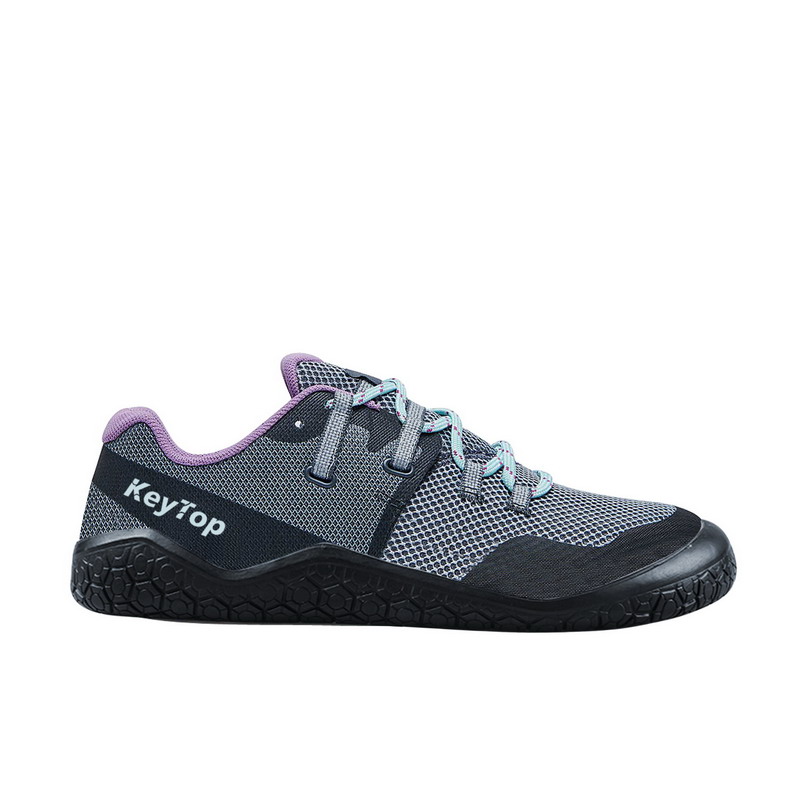
For reference, Keytop barefoot shoe factory is a Jinjiang-based B2B barefoot shoe OEM/ODM manufacturer that follows similar audit-to-sample protocols.
Source check: ISO 2859-1 sampling inspection standard; Top Questions to Include in Your RFI Template for Supplier Eval…; How to Conduct a Supplier Audit: Checklist, Steps, and Common R….
In conclusion
The sourcing choice for this sourcing program comes down to verifying that a supplier can consistently deliver a 6mm stack, zero-drop platform with the required lug outsole and wide toe box. By using this audit checklist, you compare options not just on cost and minimum order but on documented evidence of material sourcing, production capability, and quality control. Shortlist a supplier only after you have validated the spec, approved a sample, and confirmed lead time and payment terms in writing. This structured approach reduces risk and ensures your procurement decision is backed by verifiable factory proof rather than assumptions.
To request a quote for this order, use trail barefoot shoes to confirm the final specification, quote assumptions, sample approval, QC evidence, approval risk, and supplier follow-up before bulk order.
Trail Barefoot Shoes Supplier Audit FAQ
What should buyers confirm first?
Confirm that the supplier can match your trail barefoot shoe specification—6mm stack height, zero-drop, and wide toe-box—and clarify the production path. For custom production, the minimum order is 500 pairs per color per style; if you need a lower quantity, check whether stock styles are available with a range of 50–100 pairs subject to inventory. Request a written specification sheet and a cost breakdown per component before any commitment. Ask how QC will check the sample, color, finish, packing, and bulk order. Approving the wrong structure or supplier proof can create quality, cost, or delivery problems.
Which proof should be retained for approval and reorders?
Retain the signed sample approval document, the final specification sheet, and the QC report from the pre-production sample. For reorders, keep the approved sample reference and the original quote request with confirmed lead times—base-model ODM samples typically take 7–14 days, while full OEM samples require 10–21 days. Store these records with the supplier’s audit evidence, such as ISO 9001:2015 certification or an amfori BSCI audit report, to streamline future approvals. Approving the wrong structure or supplier proof can create quality, cost, or delivery problems.
Which warning signs should stop the order?
Stop the order if the supplier cannot provide a written specification matching your trail barefoot shoe requirements, or if they quote a minimum order below 500 pairs for custom production without offering a verified stock alternative. Also halt if the sample lead time exceeds the agreed range—for example, more than 21 days for a full OEM sample—or if the QC report shows deviations in stack height, drop, or material composition. Verify these details in the quote request and sample approval process before proceeding.
quote request handoff: Ask B2B buyers to share product category, target quantity, market, timeline, and reference files for a practical quote. Send Specs for Review.
Leave a Comment
Ask a sourcing question, add your view, or request follow-up from our team. We keep the form short so it feels natural inside the article page.