
Key takeaways
- Short answer: Select a barefoot boot by defining the use environment, shaft and closure, last and finished internal space, sole package, upper and lining, water-related claim and test evidence.
- A boot is not a low shoe with a taller upper.
- Review effective internal length, forefoot width, toe height, instep volume, heel hold and opening access.
Short answer: Select a barefoot boot by defining the use environment, shaft and closure, last and finished internal space, sole package, upper and lining, water-related claim and test evidence. Compare an existing platform, a modified platform and custom development using the same specification and sample approval gates.
A boot is not a low shoe with a taller upper. Shaft height, opening, tongue, closure, lining and reinforcement change how the product is put on, adjusted and worn. They can also change the finished space around the instep, heel and toes even when the last is shared with another style.
Define the boot use case
| Input | Buyer should define | Selection impact |
|---|---|---|
| Environment | Urban, work-inspired, light trail, cold-weather or mixed use | Changes sole, upper, lining and protection requirements |
| Weather | Dry, wet, cold or variable conditions | Changes material, seam and claim evidence |
| Wear system | Sock condition, foot model and expected adjustment | Changes internal space and closure range |
| Size range | Target sizes, grading and calf/ankle considerations | Changes representative-size approval |
| Commercial route | Existing platform, modification or custom program | Changes development scope and approvals |
Record the use case in the RFQ. Broad terms such as winter boot or outdoor boot should be followed by specific construction, review and claim requirements.
Control last and finished internal space
Review effective internal length, forefoot width, toe height, instep volume, heel hold and opening access. Lining, insulation, toe reinforcement, waterproof layers and lasting can reduce usable space. A wider external silhouette does not prove more finished internal room.
ISO 19409 specifies last dimensions, and ISO 19410-1 addresses in-shoe measurement. Review the official pages for ISO 19409 and ISO 19410-1, then define the project's measurement landmarks, device, conditioning and tolerances.
- Approve the last or platform identifier and revision.
- Measure the finished boot rather than relying only on last data.
- Review representative sizes for grading, opening access and closure reach.
- Record foot model, sock condition and sample code in fit notes.
- Open a sample when hidden seams or reinforcement affect finished space.
The barefoot boot sample approval checklist provides a structured review sequence.
Specify shaft, tongue and closure as one system
| Area | Questions to lock | Evidence |
|---|---|---|
| Shaft | Height, opening, circumference, reinforcement and flex zone | Pattern, measurements and representative-size sample |
| Tongue or gusset | Attachment, overlap, thickness and debris/water intent | Pattern map and opened sample |
| Closure | Lace, hook, zip or mixed system; adjustment range and component placement | Component specification and fit review |
| Collar | Shape, foam, lining, seam location and ankle interaction | Section sample and wearer notes |
| Pull-on access | Opening path, loops and reinforcement | Use review and attachment evidence |
Review the full range because shaft proportions and closure positions may not scale like forefoot geometry. Record any size-specific pattern or component rule.
Balance sole geometry, flex and protection
Document outsole compound, lug geometry, thickness distribution, flex zones, sidewall coverage, midsole or insert layers and attachment method. If the boot uses a protective plate or additional insulation layer, map its coverage and review the finished shoe rather than assessing the outsole alone.
ISO 17707 covers outsole flex resistance, ISO 20871 covers outsole abrasion resistance and ISO 24267 describes coefficient-of-friction testing under defined conditions. The official pages for ISO 17707, ISO 20871 and ISO 24267 help buyers identify method scope. The project still needs the exact specimen, conditioning, surface and acceptance criteria.
Separate material names from finished-boot claims
Specify the upper, lining, insulation, membrane, thread, seam treatment and bonding system. A membrane or coated textile does not by itself establish a finished-boot water claim. Tongue design, seams, lasting and sole attachment can create different entry paths.
- Define the exact claim language and destination market.
- Select a relevant product or component method.
- Record specimen preparation and conditioning.
- Agree acceptance criteria before testing.
- Link the report to the approved material and sample revision.
For cold-weather products, define lining and insulation materials, coverage, moisture-management intent and review conditions. Avoid turning a material data sheet into a universal temperature or comfort claim.
Compare the sourcing routes
| Route | Use when | Verify |
|---|---|---|
| Existing boot platform | The last, sole, shaft and construction match the brief | Platform specification, size range, materials, changes and evidence |
| Modified platform | Selected upper, lining, closure or fit details need revision | Fixed components, revised interfaces, sample plan and tooling impact |
| Custom OEM or ODM | The project needs specific geometry, outsole, patterns or construction | Development scope, tooling, materials, tests and approval sequence |
Keytop's confirmed minimum for custom OEM and ODM production is 500 pairs per color and style. Material, component and packaging minimums should be confirmed for the actual boot. Do not infer an existing-platform minimum without a written quotation.
Build the boot approval package
- Use-case and claim statement.
- Last, in-shoe, shaft and opening measurements.
- Pattern, reinforcement, closure and lining records.
- Sole drawing, material references and attachment controls.
- Representative-size fit notes under documented conditions.
- Product-specific test plan and evidence.
- Approved physical sample, packaging proof and written bulk release.
Keep these items under one revision code and require disclosure before a last, pattern, sole, material, component or process change is introduced.
Keytop project facts
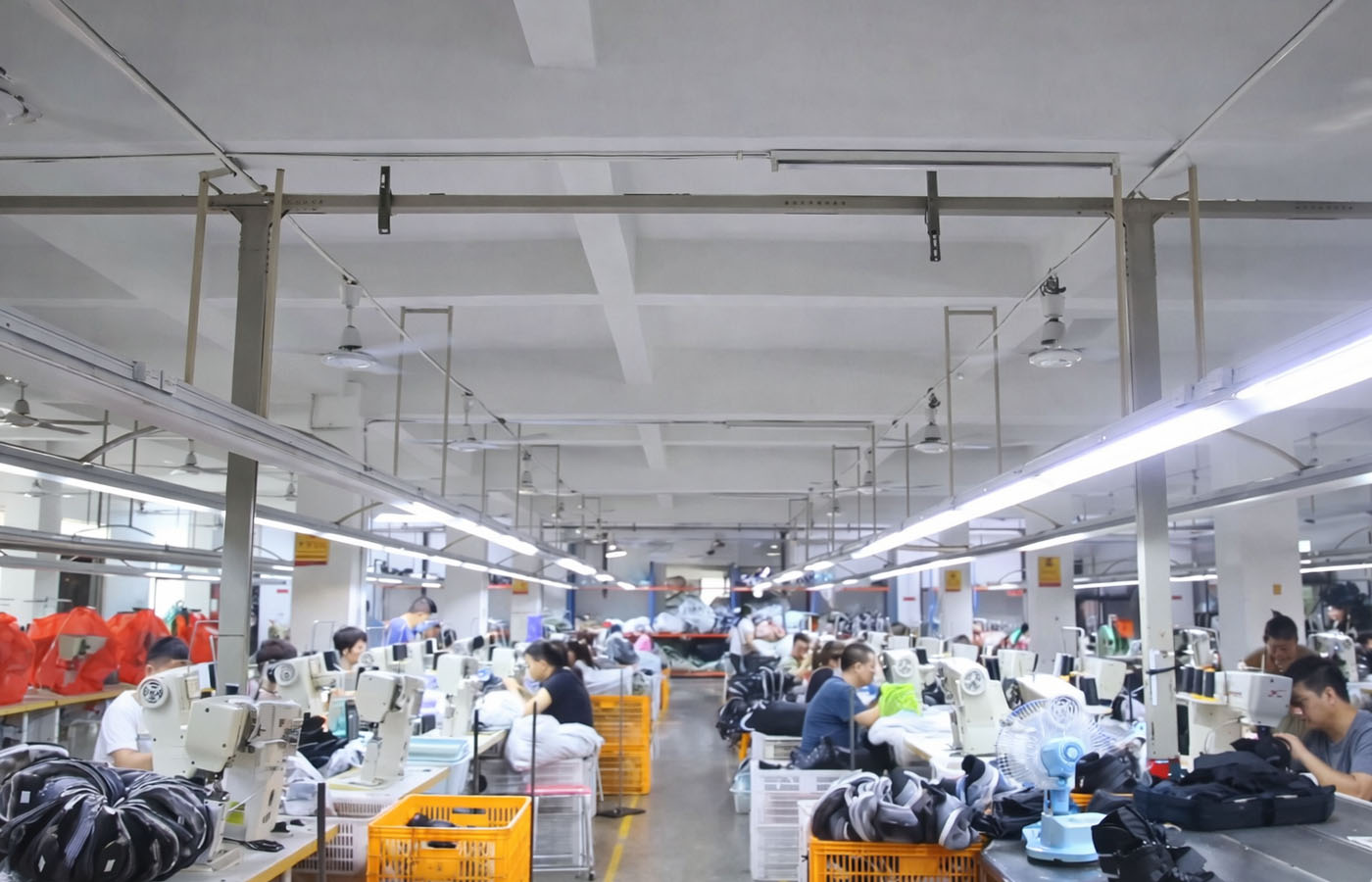
Keytop was founded in 2006 and lists ISO 9001, BSCI, Sedex and GRS among its credentials. Confirmed capacity is 50,000 pairs per month. Samples are normally developed in 7–14 days after the boot route, last or platform, patterns, materials, size range and required project inputs are confirmed.
Method and limits
This checklist supports B2B product selection. It does not promise warmth, water resistance, traction, service life, fit for every wearer, stock availability or a fixed production schedule. Claims and acceptance criteria must be approved for the exact boot, use and market.
FAQ
Can a low-shoe last be used for a barefoot boot?
It can be evaluated, but shaft, lining, reinforcement, closure and lasting may change the finished fit. Approve boot-specific internal measurements and representative sizes.
Does a waterproof material make the finished boot waterproof?
Not by itself. Seams, tongue construction, lasting, sole attachment and test conditions affect the finished product claim.
Why review more than one size?
Grading, shaft proportions, opening access, closure reach and sole matching can change across the size range. Representative sizes expose range-specific issues.
Send the boot use case, size range, materials, construction and quantity to prepare a route-specific review.
Leave a Comment
Ask a sourcing question, add your view, or request follow-up from our team. We keep the form short so it feels natural inside the article page.