
Key takeaways
- Short answer: Convert a barefoot running shoe use case into an OEM specification by describing surface, activity, climate, user profile and sales-market expectations, then mapping each condition to last, sole,…
- A buyer use-case brief gives the factory a decision basis.
- A smoother tread may support one brief while reducing suitability for another surface.
Short answer: Convert a barefoot running shoe use case into an OEM specification by describing surface, activity, climate, user profile and sales-market expectations, then mapping each condition to last, sole, upper, closure, protection and sample evidence. Keep product-development statements separate from individual-use advice and public performance claims.
A buyer use-case brief gives the factory a decision basis. Without it, terms such as road, trail, gym, travel or daily use can lead to different assumptions about tread, ventilation, flexibility, protection and fit.
Write the use case as conditions, not slogans
| Brief field | Buyer input | Factory output |
|---|---|---|
| Surface | Primary and secondary surfaces, wet or dry exposure | Tread and compound proposal with sample evidence |
| Activity | Movement pattern and expected duration category | Flex, closure and upper construction proposal |
| Climate | Heat, cold, rain, dust and drying conditions | Material, lining, drainage and care proposal |
| User profile | Target size range, fit concept and product familiarity | Last, grading and fit-approval plan |
| Market | Countries, channels, claims and labeling needs | Compliance document and packaging checklist |
Describe observable conditions. “Natural movement” or “race-ready” may support brand direction, but they do not tell a developer which outsole, reinforcement or measurement to approve.
Map road and smooth-surface use
- Define the road, track, pavement or indoor surface mix.
- Record the intended tread coverage and flex-zone location.
- Specify compound identity and relevant durability checks.
- Review toe, forefoot and heel geometry against the fit brief.
- Check closure adjustment and upper movement under the stated activity.
- Approve appearance and wear observations without converting them into universal claims.
A smoother tread may support one brief while reducing suitability for another surface. Make the trade-off explicit in the product specification and sales copy.
Map mixed-surface and light-trail use
| Condition | Specification question | Sample check |
|---|---|---|
| Loose surface | What tread depth, spacing and edge geometry are proposed? | Inspect the exact outsole and agreed surface method |
| Debris contact | Where is reinforcement required? | Check coverage, edge and effect on internal space |
| Water exposure | Is the brief drainage, resistance or quick drying? | Review material and finished construction under the stated method |
| Uneven flex | How do sole and upper move together? | Observe identified samples and relevant component tests |
| Cleaning | Which care route matches materials and bonding? | Approve care copy and post-care sample condition |
Reinforcement can affect flexibility, weight, drying and toe volume. Approve its exact material, shape, edge and location rather than requesting “more protection” without a boundary.
Map indoor and cross-training use
For indoor surfaces, state floor type, marking requirements, movement direction and closure needs. A flat appearance does not establish contact behavior or lateral control. Define the finished-shoe check and the acceptance record.
- Confirm outsole material and color against the floor requirement.
- Record tread geometry and contact zones.
- Review upper reinforcement and closure under the intended movement.
- Check toe space and heel geometry across representative sizes.
- Approve any non-marking or performance wording only with relevant evidence.
Map warm, wet and cold conditions
| Environment | Development focus | Trade-off to document |
|---|---|---|
| Warm | Upper layers, lining, openings and care | Ventilation versus debris or water entry |
| Wet | Water route, drainage, material absorption and drying | Drainage versus resistance strategy |
| Cold | Compound behavior, upper layers and closure operation | Flexibility versus insulation and coverage |
| Dusty | Mesh opening, tongue construction and seam map | Airflow versus particle entry |
Use project-specific conditions. A material description at room condition does not establish finished-shoe behavior in the destination environment.
Turn each use case into evidence
The evidence plan should connect a requirement to a sample, measurement, document or decision. Relevant footwear methods include ISO 20871 for outsole abrasion, ISO 17707 for outsole flex resistance and ISO 24267 for footwear friction. Select methods and acceptance criteria with qualified support for the exact product and market.
| Requirement | Evidence type | Approval owner |
|---|---|---|
| Fit and size | Last data, internal measurements and representative-size review | Buyer product team |
| Surface use | Outsole specification and agreed evaluation | Buyer and qualified technical party |
| Material identity | Supplier references, swatches and BOM | Development and sourcing |
| Construction | Identified sample and opened-sample review | Development and quality |
| Public claim | Relevant report and market review | Buyer compliance owner |
Prevent use-case claims from outrunning evidence
- Write the intended condition and limitation next to each product claim.
- Use the tested material or finished product identity shown in the report.
- Keep laboratory scope separate from broader wearer outcomes.
- Check destination-market labeling and advertising requirements.
- Reopen approval when material, construction or claim wording changes.
The product selection guide helps compare platforms after the use case is defined. Use the sample approval workflow to record evidence and exceptions.
Prepare the RFQ handoff
- Use-case table with primary and secondary conditions.
- Target last, size system and range.
- Sole geometry, tread, compound and construction.
- Upper, lining, reinforcement and closure requirements.
- Climate, care and packaging conditions.
- Target markets, claims and document list.
- Sample stages, representative sizes and approval owners.
- Order quantity by style, color and size.
Keytop project facts
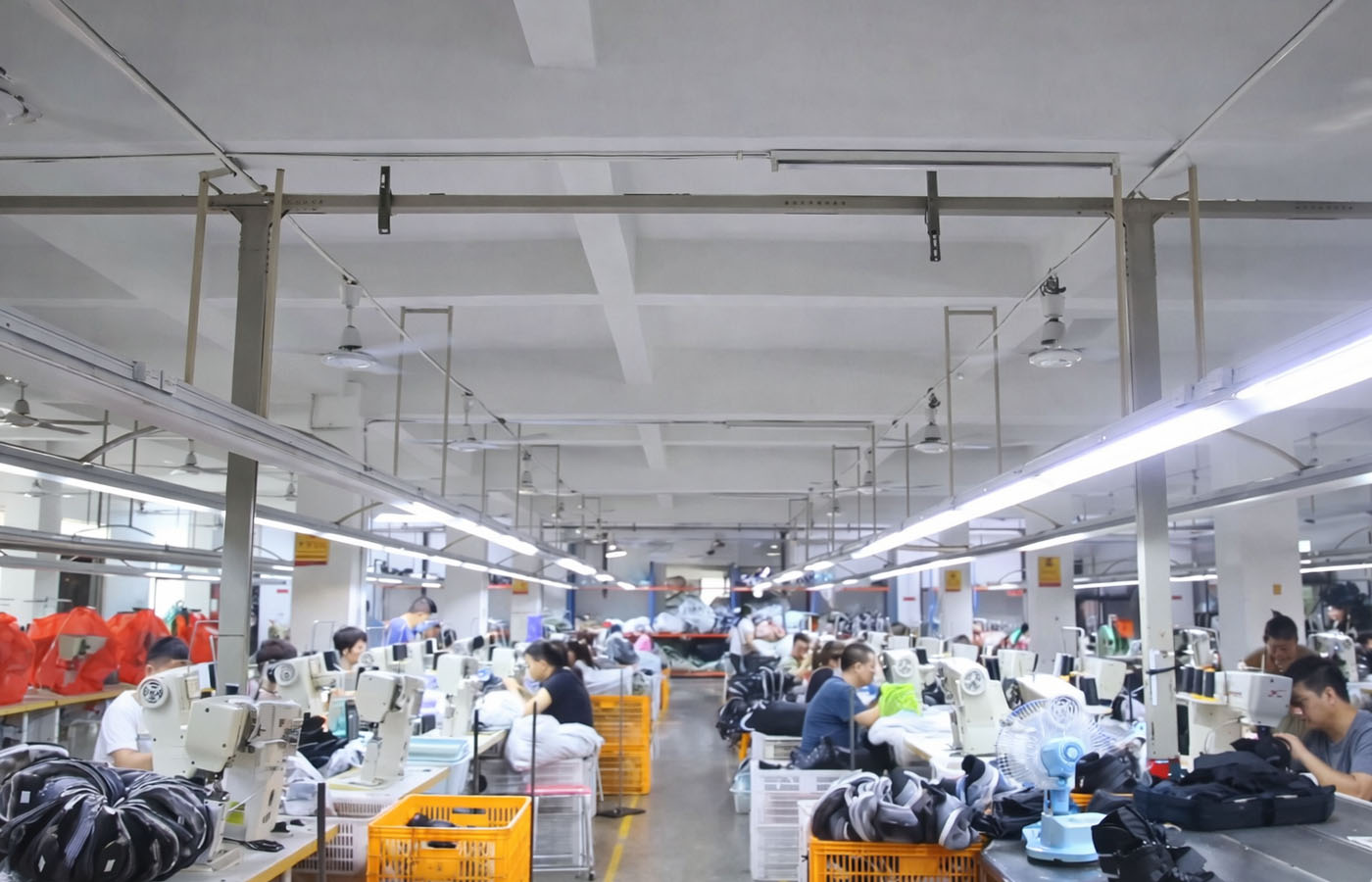
Keytop was founded in 2006 and has confirmed capacity of 50,000 pairs per month. Custom OEM and ODM production starts at 500 pairs per color and style. Samples are normally developed in 7–14 days after use case, last, sole, materials, size range and other required inputs are confirmed. Keytop also reports ISO 9001, BSCI, Sedex and GRS credentials; buyers should verify current scope and relevance for the order.
Method and limits
This guide translates a B2B use case into development inputs. It does not provide individual training or health advice, establish universal product geometry or predict outcomes for a wearer. Approve the exact design, evidence, market wording and size range.
FAQ
Can a buyer use one specification for road and trail?
Start with separate condition tables. A shared platform may be possible, but tread, protection, drainage and evidence should be approved for each stated use case.
Does a use-case label prove performance?
No. Labels such as road or trail describe intent. The specification and supporting evidence must define the actual product.
Who approves public claims?
The buyer should assign a compliance owner who checks the exact wording, evidence, product identity and destination-market requirements before release.
Send the use-case table, target markets, size range and sample requirements to discuss a development route.
Leave a Comment
Ask a sourcing question, add your view, or request follow-up from our team. We keep the form short so it feels natural inside the article page.