Key takeaways
- Short answer: Select a barefoot running shoe platform by defining surface, intended activity, climate, target user, fit brief and commercial route before choosing stack, outsole, upper or branding.
- For a distributor or private-label buyer, “barefoot running shoe” is a category description, not a complete RFQ.
- Do not convert use-case language directly into an unverified performance claim.
Short answer: Select a barefoot running shoe platform by defining surface, intended activity, climate, target user, fit brief and commercial route before choosing stack, outsole, upper or branding. Compare candidate constructions against one written specification, then approve the exact sample and size range rather than selecting from a general product label.
For a distributor or private-label buyer, “barefoot running shoe” is a category description, not a complete RFQ. Road, indoor, mixed-surface and light-trail programs can require different outsole, upper, protection, drainage and durability decisions. The right starting point is the use case.
Define the commercial and product route
| Route | Buyer supplies | Supplier confirms | Main approval focus |
|---|---|---|---|
| Existing platform | Color, logo, sizes, packaging and market | Current platform specification and available changes | Exact sample, branding and size availability |
| Modified platform | Change brief and unchanged reference fields | Feasibility, affected tooling and sample route | Interfaces changed by the modification |
| Custom development | Last, fit, construction, materials and test brief | Development inputs, sample stages and tooling needs | Last, pattern, sole and full specification |
Ask the supplier to label each quoted route. A modified platform can require more validation than a color update, while a visually similar existing style may use a different last or sole construction.
Create the use-case brief
- Primary surface and secondary surface.
- Intended activity and expected exposure conditions.
- Target customer and transition or product-experience assumptions.
- Climate, water, dust and temperature considerations.
- Fit concept, size system and target range.
- Required protection, drainage, flexibility and packability.
- Target markets and applicable compliance file.
- Branding, colorways, packaging and launch assortment.
Do not convert use-case language directly into an unverified performance claim. Translate it into measurable or observable sample checks.
Compare sole architecture
| Field | Buyer decision | Sample evidence |
|---|---|---|
| Geometry | Stack definition, heel-to-forefoot relationship, toe spring and width | Specified measurement method and results |
| Compound | Material reference and intended property balance | Approved component and relevant report |
| Tread | Pattern, depth, spacing and contact zones | Drawing, component and finished sample |
| Flex zones | Location and interaction with the foot and upper | Controlled flex observation |
| Interface | Bonding, sidewall, stitching or combined construction | Opened sample and process record |
Relevant footwear methods include ISO 20871 for outsole abrasion, ISO 17707 for outsole flex resistance and ISO 24267 for footwear friction. The buyer and qualified laboratory should choose methods, conditions and acceptance criteria suitable for the exact product and market. The zero-drop versus low-drop comparison separates drop, stack and the tooling changes behind each choice.
Compare last and fit architecture
Record last code and revision, effective internal length, forefoot landmarks, toe profile, toe height, heel geometry, instep volume and size grading. A wide-looking outsole does not prove usable internal width because pattern, lining, reinforcement and lasting affect the finished space.
- Approve the development size against the fit brief.
- Review representative sizes across the range.
- Check left/right identity and pair matching.
- Measure the finished shoe under a stated method.
- Record closure adjustment and reviewer conditions.
- Freeze the approved last and pattern revisions.
Use the OEM last development guide and the size-run control guide to structure these approvals.
Compare upper, lining and closure
| Component | Specification fields | Interaction to check |
|---|---|---|
| Upper | Material, backing, print, reinforcement and seam map | Flex, ventilation and shape retention |
| Lining | Material, coverage, seam and edge finish | Internal contact and drying |
| Toe reinforcement | Shape, thickness, stiffness and position | Toe space and surface protection |
| Closure | Lace, elastic, hook-and-loop or combined route | Adjustment range and hold |
| Collar | Pattern, foam, binding and seam position | Opening geometry and repeated flex |
Approve actual material references, not generic names. Mesh weight, backing, finish and lamination can change the behavior of two visually similar uppers.
Build a weighted selection matrix
Choose criteria before reviewing supplier samples. Weight them according to the launch brief, then record evidence and unresolved exceptions. A practical matrix can include fit, sole geometry, surface suitability, upper construction, material traceability, size range, customization scope, sample route, packaging and commercial assumptions.
| Decision field | Evidence required | Unresolved question |
|---|---|---|
| Use-case match | Completed brief and sample review | Which condition is not yet represented? |
| Specification match | Line-by-line comparison | Which fields are supplier assumptions? |
| Size and fit | Last data and representative sizes | Which sizes need additional approval? |
| Production route | Written platform and change scope | Which tooling or process changes? |
| Compliance | Current documents relevant to market and materials | Which claims need separate review? |
Prepare comparable RFQ inputs
- Use-case brief and target markets.
- Product route and approved reference style.
- Last, size range and fit requirements.
- Sole geometry, compound, tread and construction.
- Upper, lining, reinforcement and closure materials.
- Branding, colors, labels and packaging.
- Sample stages and decision owners.
- Inspection, test and document requirements.
- Order quantity by style, color and size.
The technical specification guide provides a field structure, and the OEM cost breakdown guide helps separate product, tooling, testing, packaging and logistics assumptions.
Keytop Barefoot Shoes project facts
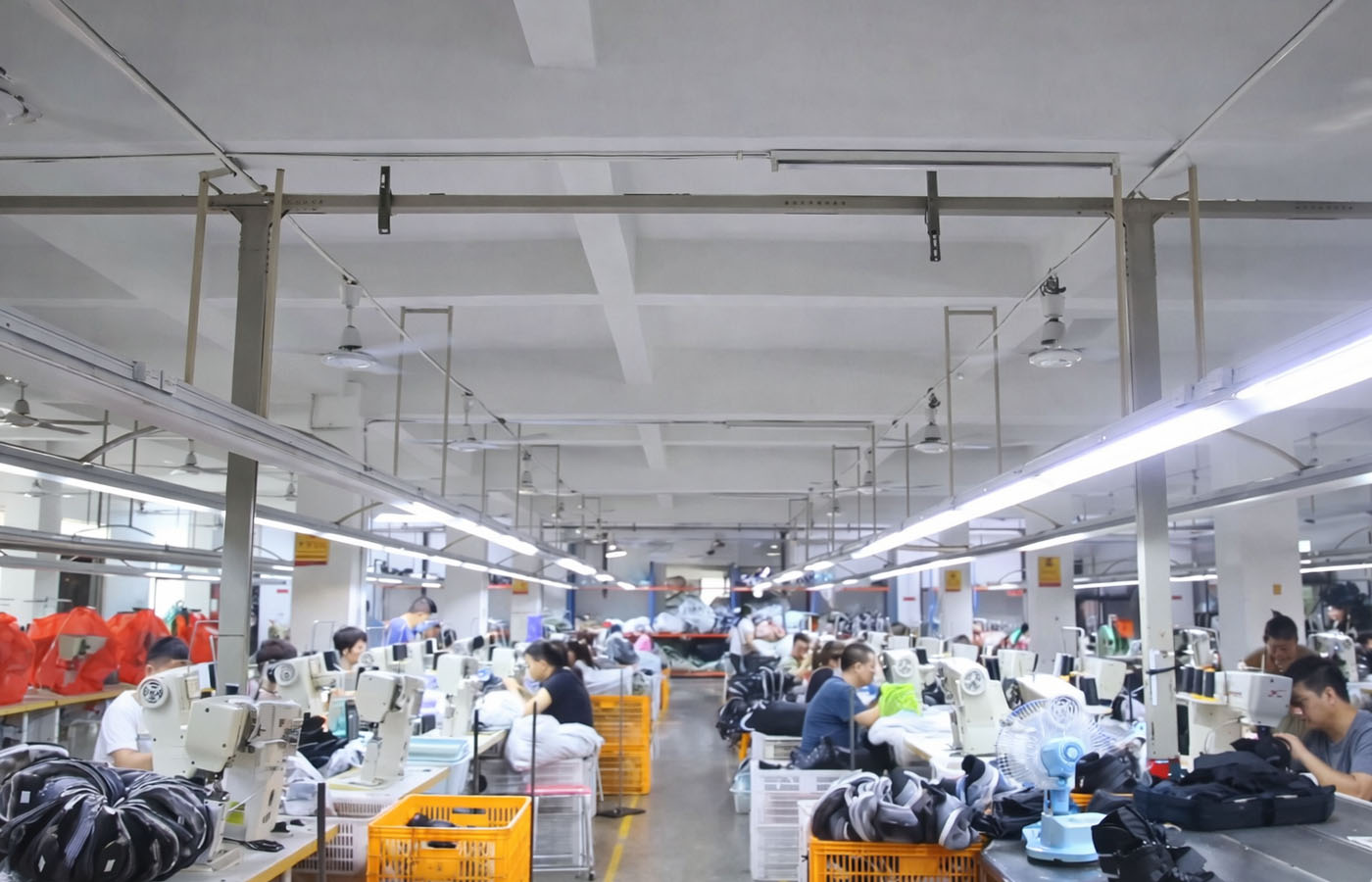
Keytop Barefoot Shoes was founded in 2006. Custom OEM and ODM production starts at 500 pairs per color and style. Keytop Barefoot Shoes samples are normally developed in 10–21 days after last, outsole, material, size range, branding and other required inputs are confirmed. Keytop Barefoot Shoes also holds ISO 9001 certification, offers GRS-certified recycled material options for eligible styles and has completed amfori BSCI and Sedex (SMETA) social audits; buyers should verify current scope and order relevance.
Method and limits
This guide is a B2B selection framework. It does not prescribe a shoe for an individual runner, establish universal geometry or predict performance. Final requirements should be approved for the exact product, size range, surface, market and intended use.
FAQ
Should a buyer choose the outsole first?
Define the use case first. Outsole geometry, compound and tread should follow the intended surface, construction, fit and commercial route.
Can one platform cover road and trail programs?
It may support multiple briefs, but each use case needs its own surface, protection, drainage, tread and sample review. Do not assume category coverage from appearance.
What makes supplier quotations comparable?
Send one controlled specification and require suppliers to identify deviations, included services, sample scope, tooling, packaging and commercial assumptions.
Send the use case, product route, size range and target specification to discuss a barefoot running shoe selection.
Leave a Comment
Ask a sourcing question, add your view, or request follow-up from our team.