Barefoot shoe sole bonding test needs a written specification before the buyer can verify samples, materials, print, tolerances, certifications, and bulk-production risk; otherwise suppliers may quote different product and approval assumptions.
For importers, brands, wholesalers, and sourcing teams—not consumers—this barefoot shoe sole bonding test review identifies the sample records, test evidence, and inspection checks needed before factory approval.
Buyer summary: Approve barefoot shoe sole bonding test only when the production-intent sample, test evidence, tolerances, and release record all refer to the same controlled revision.
Define the Bonding Test Sample and Interfaces
Before approving a bonding sample, identify every upper, midsole, primer, adhesive, and outsole interface included in the test. Tie each interface to a repeatable method, an evidence file, and an approve, correct, or retest decision.
- Confirm sample outsole and upper materials match final production specs: Material compatibility affects bonding strength and durability Request material certificates and inspect sample components physically Incompatible materials cause weak bonding and early sole delamination Approve only after material verification or request revised sample
- Verify peel test results meet minimum adhesion strength thresholds: Peel test quantifies outsole-to-upper bonding strength per industry norms Review documented peel test data showing adhesion above the buyer-approved force threshold for hard polymers Insufficient adhesion leads to sole separation during wear and customer returns Shortlist suppliers providing peel test proof meeting the buyer-approved threshold
- Check sample bonding interfaces are consistent with final tooling and last shape: Interface design impacts bonding area and test relevance to production parts Compare sample last shape and outsole type against approved design drawings Mismatched interfaces invalidate peel test and risk production defects Reject samples with interface deviations; require corrected tooling samples
- Approve written sample bonding test evidence before deposit and bulk order: Written approval ensures supplier accountability and reduces rework risk Obtain signed sample approval including peel test records and material specs Skipping approval risks bulk production with unverified bonding quality Hold deposit until buyer signs off on sample bonding test documentation
Use a Controlled Bonding-Test Record
Editorial method and limitation: this guide converts the cited adhesion references into an inspection workflow. It does not claim that a particular Keytop Barefoot Shoes sample has passed. Enter the actual trial evidence in the blank record and retain the signed version with the approved sample.
| Record field | What to enter from the trial | Decision use |
|---|---|---|
| Interface identity | Upper, midsole, primer, adhesive, outsole, material and adhesive lots, sample revision, and preparation method | Prevents evidence from one construction being applied to another |
| Condition and method | Conditioning start/end, temperature and humidity if controlled, peel method, equipment ID, and buyer-approved threshold | Makes repeated pulls comparable |
| Measured result | Result with units for each repeat, test location, and raw report filename | Keeps the decision tied to supporting data |
| Observed failure | Record adhesive transfer, cohesive failure, material tear, edge lift, contamination, tackiness, or “none observed” | Directs corrective action to the actual interface |
| Disposition | Approve, correct, or retest; corrective action; repeat count; owner, date, and signed sample revision | Creates the evidence carried into production release |
Challenge the easy assumption: a high peel value alone does not approve a shoe if the test used a different material lot, surface preparation, or sample revision. Hold release whenever identity, conditions, repeated results, or sign-off are missing.
Use this evidence to compare the supplier record with ISO 17708 upper-sole adhesion before accepting the requirement.
Set Conditioning, Flex, and Pull-Test Conditions
A buyer evaluating a barefoot shoe sole bonding test manufacturer can compare results only when the factory records the same sample identity, conditioning, flex exposure, pull method, and acceptance rule. Put these conditions in the RFQ or test request before the sample reaches the lab; do not substitute a supplier’s default method after testing.
| Control | Supplier proof to request | Hold condition |
|---|---|---|
| Sample identity | Last, upper, outsole, primer, adhesive, material lots, preparation method, and sample revision | Any component or revision differs from the approval sample |
| Conditioning | Start and finish time plus temperature and humidity when the buyer’s method controls them | Conditioning record is absent or does not match the agreed method |
| Flex exposure | Equipment ID, test setup, cycle count, observations, and photos tied to the same sample | Flex history cannot be linked to the pull-test specimen |
| Pull test | Method, specimen location, repeat count, units, raw readings, and observed failure location | Only a visual pass or an average without raw repeat results is supplied |
| Acceptance | Buyer-approved threshold and failure criteria for this material and construction | The threshold was added after results were known or borrowed from another construction |
Treat commercial terms separately from technical acceptance. The quote should state the minimum order quantity, size curve, colorway count, sample timing, and responsibility for retesting, but none of those terms proves bond performance. A barefoot shoes manufacturer should be shortlisted on traceable records for the specified construction, not on unverified capacity or certification claims.
Use this evidence to compare the supplier record with Footwear Testing Standards: Performance and Compliance . before accepting the requirement.
RFQ checkpoint
Classify Adhesive, Substrate, and Edge-Lift Failures
The buyer needs to decide which specifications must be confirmed before comparing sole bonding test results from different suppliers or quotes (see barefoot running shoes manufacturer): what to confirm, what supplier proof to request, and which RFQ, sample, or approval step comes next.
- What verification methods confirm adhesive, substrate, and edge-lift failures in bonding tests? To identify the failure mode and address root cause in sole bonding quality control. Supplier uses sole adhesion tests measuring force to separate materials and classifies failures by adhesive, substrate, or edge-lift. Misclassification causes ineffective corrective actions and repeated defects in production. Review detailed test method and failure classification reports during sample approval.
- What are the approval risks if bonding test specifications are not clearly defined? Undefined specs can lead to inconsistent quality and disputes over sample acceptance. Clear bonding strength thresholds, flex cycle counts, and failure criteria are documented in the technical specification. Unclear specs cause delays, rework, or acceptance of substandard soles. Define and approve bonding test specifications with supplier before sample production.
- How should buyers follow up on bonding test results during production? To maintain quality consistency and catch bonding issues early in the manufacturing cycle. Supplier commits to batch-wise bonding strength checks and provides periodic QC reports. Lack of follow-up risks large-scale defects and costly recalls. Include bonding test checkpoints in production quality plan and request inspection reports.
Assign Corrective Actions by Failure Location
The buyer needs to decide which specifications must be confirmed before comparing sole bonding test results (see barefoot shoe manufacturing for indie brands) to avoid ambiguity in failure diagnosis. When a bonding failure occurs, pinpointing the exact failure location—such as the last or mold—is critical. This control prevents costly rework and ensures factory execution aligns with quality standards.
Last and mold
Failures at the last or mold interface often indicate tooling wear or improper adhesive application. Corrective actions include inspecting and maintaining tooling precision and verifying adhesive compatibility. These steps reduce production risk by preventing recurring defects during bulk production. Factory execution must incorporate routine tooling audits and strict adhesive handling protocols.
Tooling charges
Tooling charges impact the buyer’s cost structure and sample approval process. Addressing failures early minimizes additional tooling expenses and sample rework. Clear RFQ and sample handoff procedures should specify responsibility for tooling adjustments and associated costs, ensuring transparent communication between buyer and manufacturer.
Below is a summary of key corrective actions by failure location:
| Failure Location | Corrective Action | Impact |
|---|---|---|
| Last Interface | Tooling inspection and adhesive requalification | Reduces defect rate, stabilizes production |
| Mold Surface | Surface cleaning and mold repair | Improves bonding consistency |
| Tooling Charges | Define cost responsibility in RFQ/sample handoff | Controls budget and sample approval timing |
By systematically assigning corrective actions based on failure location, buyers and manufacturers like Keytop Barefoot Shoes can mitigate risks and streamline sample approval, ensuring a smoother transition to bulk production.
Approve, Revise, or Retest the Bonded Sample
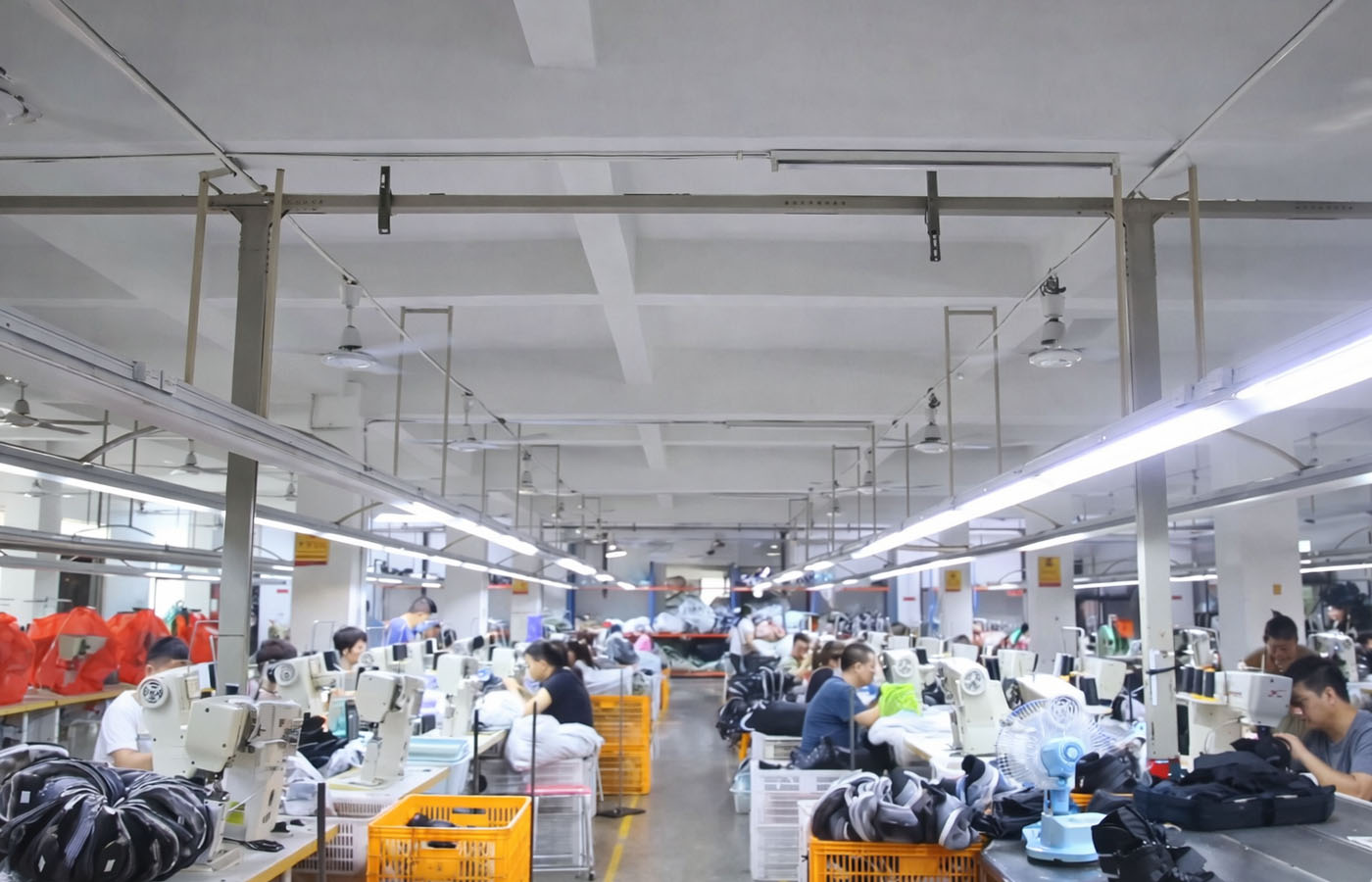
The peel test records and dimensional measurements from the bonded barefoot shoe sole sample provide verifiable evidence to guide your decision. This data confirms whether the factory execution meets the required bonding strength and durability standards essential for OEM/ODM production.
MOQ and size curve
When approving the bonded sample, consider how the minimum order quantity (MOQ) aligns with your size curve distribution. A well-planned MOQ ensures production efficiency without excess inventory risk. Keytop Barefoot Shoes’s custom MOQ is 500 pairs per color per style.
Colorway count
Colorway count impacts both cost and factory execution complexity. Approving a bonded sample with a limited colorway palette can streamline production and reduce errors during sole bonding. Conversely, a higher colorway count requires more rigorous factory controls and may necessitate retesting to confirm consistent bonding quality across variants.
Below is a summary table illustrating how MOQ and colorway count affect production considerations:
| Factor | Impact on Production | Sample Approval Consideration |
|---|---|---|
| MOQ | Controls batch size and inventory risk | Ensure MOQ supports size curve without excess |
| Size Curve | Determines size distribution in order | Verify sample sizes match target curve |
| Colorway Count | Affects complexity and bonding consistency | Limit colorways or retest for uniform bonding |
Finalize your quote request and sample handoff by documenting these specifications clearly with your factory partner. This reduces production risk and aligns expectations for bulk manufacturing. For more insights on barefoot shoe sole bonding tests and OEM collaboration, visit Keytop Barefoot Shoes.
In conclusion
When sourcing barefoot shoe sole bonding test manufacturers, buyers should thoroughly check and verify all technical specifications, including adhesion strength and material compatibility, to ensure product durability and performance. It is essential to compare minimum order requirements and cost implications carefully, confirming these details within the quote request to align with production scale and budget constraints. Lead times for samples and bulk orders must be documented and approved to maintain project timelines and avoid delays.
Sample development and quality control proofs are critical to mitigate supplier risk and validate manufacturing processes before deposit-backed production. Buyers should shortlist suppliers based on their ability to meet bonding test standards, production capacity, and certification compliance. Clear communication during quote request and sample handoff phases ensures alignment on expectations and smooth progression to bulk manufacturing with minimized quality and delivery risks.
Sole Bonding Test FAQ
Which last, outsole, material, and construction decisions must be written before a factory can quote?
The buyer must specify the last shape, outsole type, material composition, and bonding construction details before the factory can provide an accurate quote. Confirming these specifications upfront helps control costs, minimum order, and lead times, while enabling the supplier to assess bonding feasibility and production risk.
Which prototype, confirmation, and pre-production sample rounds apply, and who signs each off?
Prototype, confirmation, and pre-production samples apply sequentially, with the buyer approving each stage to verify sole bonding strength and material integrity. Documenting sample test results and QC inspections ensures alignment before bulk production, minimizing supplier risk and confirming minimum order and lead time commitments.
Which performance or material claim has no test behind it yet?
Claims about sole bonding durability without supporting peel or adhesion test data remain unverified. Buyers should request documented test results and verify sample QC reports to confirm bonding performance and avoid supplier risk.
Which last, mold, and tooling charges apply before the first production run?
Last, mold, and tooling charges apply prior to the first production run, especially for custom designs requiring new tooling. Buyers should verify these costs and lead times in the quote request and confirm sample approvals to avoid unexpected expenses and delays.
Which MOQ, size curve, and colorway count make a defensible first order at campaign scale?
A defensible first order typically meets the minimum order of 500 pairs per color per style for custom barefoot shoes, with a well-defined size curve and limited colorway count to control cost and complexity. Buyers should compare minimum order impacts on cost and lead time and verify sample quality before confirming orders.
Quote request handoff: Send Specs for Review.
Leave a Comment
Ask a sourcing question, add your view, or request follow-up from our team.