
Barefoot boot waterproof upper seam sample approval OEM is hard to compare when buyers do not define the intended use, fit target, sample checks, and size-run approval path before quotation.
For barefoot boot waterproof upper seam sample approval OEM, compare suppliers by the shoe samples, measurement records, material confirmations, and QC evidence behind the quote.
The checks below help buyers compare footwear samples and quotations against one written approval record.
Direct answer: For barefoot boot waterproof upper seam sample approval OEM, the real decision is whether the locked specification, factory proof, and signed sample result, quotation assumptions, and approval owner describe the same order.
Copy this barefoot boot waterproof upper seam sample approval OEM approval record into the RFQ file. Keep every checked item on the same revision before releasing the order.
- ☐ Final specification and intended use
- ☐ Supplier feasibility and documented exceptions
- ☐ Sample or inspection evidence
- ☐ Commercial assumptions, owner, decision, and date
Move the barefoot boot waterproof upper seam sample approval OEM order forward only when each gate leaves written evidence for the next. Return an unresolved specification, sample, or quote exception to its owner before bulk production.
Separate construction inputs from waterproof claims
Start Separate construction inputs from waterproof claims with evidence for barefoot boot waterproof upper seam sample approval OEM:
- Waterproof membrane lamination and seam tape adhesion on upper materials: Separates construction quality from marketing claims; poor lamination or tape lift causes ingress within 10 wears. Request seam tape peel test report and cross-section photo of membrane-to-lining bond for the sample. Delamination leads to water entry at flex points, returns, and chargebacks from retailers. Document the tape type and bond width in the sample approval record before bulk production.
- Gusset height and closure seal at tongue and collar: A low gusset or unsealed closure channel bypasses waterproof membrane performance regardless of upper material. Measure gusset height against the tech pack; perform a 15-minute standing water test on the sample. Water enters through the tongue opening or collar gap, triggering warranty claims and brand reputation damage. Confirm the gusset minimum height and closure overlap in the RFQ and sign off on the sample measurement.
- Intended-use and claim-scope limits for waterproof rating: A boot labeled waterproof for puddle splashes fails if used for stream crossing; claim scope mismatches cause buyer liability. Compare the test standard (e.g., ISO 20347, dynamic flex test) with the product's stated use case in the tech pack. Overclaiming leads to regulatory fines or mass returns; underclaiming loses sales against competitors. Write the approved claim scope (e.g., 'light rain only') into the inspection checklist and label artwork approval.
- MOQ impact on waterproof seam tape and membrane sourcing: Custom membrane colors or tape widths may increase MOQ beyond standard 500 pairs per style, affecting order feasibility. Ask the factory for the minimum order quantity for the specified membrane and tape combination before sample sign-off. Approving a sample with non-standard materials can block bulk production or force a costly material change later. Shortlist only membrane and tape options that match your MOQ budget; confirm by RFQ before sample development.
Upper materials, seams, gussets, and closures
Check that the upper fabric, waterproof membrane, seam tape, gusset height, and closure system are documented in the tech pack. A sample may pass a quick spray test but fail after flexing if tape adhesion is weak or the gusset is too low. Verify each component against the approved specification before signing off.
Intended-use and claim-scope limits
Define whether the boot is rated for light rain, stream crossing, or full submersion. The test standard and claim language must match the intended use. Overclaiming invites regulatory risk; underclaiming loses shelf appeal. Document the approved claim scope in the inspection checklist and label artwork to ensure consistency across production and marketing.
Prepare the sample approval specification
For barefoot boot waterproof upper seam sample approval OEM, treat Prepare the sample approval specification as a release rule: approve only when the supplier evidence matches the written requirement.
- Waterproof upper seam tape adhesion meets the approved specification for the barefoot boot model. Dynamic flex test report showing seam integrity after 10,000 flex cycles at the rated submersion depth. Supplier's quality lab or third-party test house approved in the RFQ. Seam tape may delaminate during wear, voiding the waterproof claim and causing returns. Compare the flex test result against the tech pack tolerance before signing the sample approval.
- Gusset height and closure system prevent water ingress at the boot opening during stream crossing. Gusset height measurement from the insole board to the top of the gusset, plus a static water column test at the closure. Supplier's sample room with a calibrated ruler and hydrostatic head tester. A low gusset or unsealed closure allows water entry, reducing the boot's intended use range. Document the approved gusset height and closure seal method in the inspection checklist.
- Waterproof membrane and lining package match the approved material specification and supplier capability. Material certificate from the membrane supplier and a cross-section photo of the laminated stack. Supplier's sourcing team and the membrane manufacturer. Substituted membrane may have lower breathability or waterproof rating, altering product performance. Verify the membrane brand and thickness against the approved spec before bulk production.
- Sample passes a spray test and air leakage check before the buyer signs off. Spray test video and air leakage test report with pass/fail result for each sample pair. Supplier's QC inspector during the sample review stage. A sample that passes spray but fails dynamic flex will cause field failures and warranty claims. Require both static and dynamic test evidence in the sample approval package.
Construction details to lock before sampling
Before any sample is cut, confirm the upper fabric, waterproof membrane type, seam tape specification, gusset height, and closure system in the tech pack. Each component must match the intended use rating—light rain, stream crossing, or full submersion. A sample that passes a quick spray test may still fail after flexing if tape adhesion or gusset height is insufficient.
Test request and evidence fields
Request dynamic waterproof testing (e.g., SATRA TM77 or equivalent) and seam tape peel adhesion results from the supplier. Document the test standard, cycle count, and pass/fail threshold in the approval checklist. Overclaiming waterproof performance invites regulatory risk; underclaiming loses shelf appeal. Verify each test report against the approved specification before signing off on the sample.
Use barefoot shoe OEM and ODM services to align the related specifications and RFQ inputs.
RFQ checkpoint
Ask B2B buyers to share product category, target quantity, market, timeline, and reference files for a practical quote.
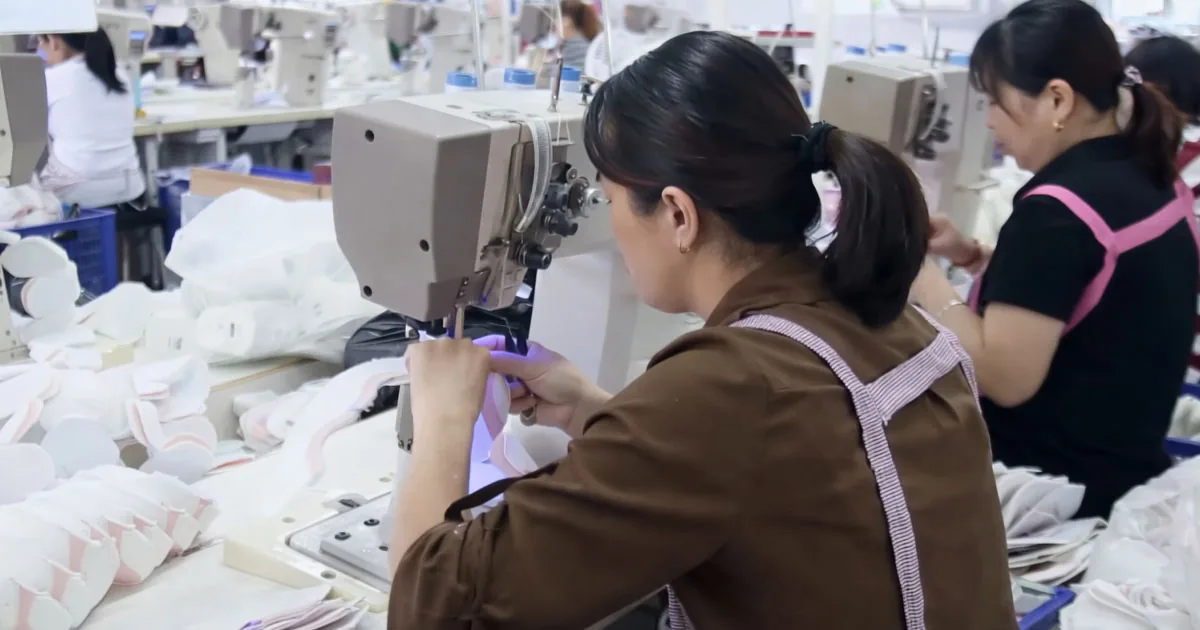
Inspect the upper and seams
Start Inspect the upper and seams with evidence for barefoot boot waterproof upper seam sample approval OEM:
- Supplier cannot demonstrate prior waterproof seam production for barefoot boots. Lack of experience with thin, flexible uppers increases tape adhesion failure and seam leakage risk during flexing. Request case studies, reference samples, or a capability statement from the supplier before sample development. Evidence of previous barefoot waterproof sample approvals, including test reports and production records. Pre-qualify the supplier by verifying their waterproof seam track record before committing to sample development.
- Sample upper has visible seam tape lifting, bubbles, or uneven application. Such defects indicate inconsistent production quality that will likely cause leakage after dynamic flexing. Reject the sample and require a re-cut with corrected seam application before further testing. Dynamic waterproof test report (e.g., SATRA TM77) and seam tape peel adhesion values from the revised sample. Request a new sample with documented seam rework and repeat the dynamic waterproof test.
- Sample approval is considered without dynamic waterproof test results. Static spray test alone cannot detect seam failure under flex; boots may leak after short wear. Require dynamic waterproof testing per a recognized standard before any approval sign-off. Pass/fail report from dynamic test with cycle count, test method, and water ingress observation. Hold sample approval until the supplier provides a valid dynamic waterproof test report.
- Supplier relies solely on visual inspection to verify waterproof performance of seams. Visual inspection cannot measure water ingress resistance or tape bond strength under repeated flexing. Specify required test methods (dynamic waterproof, tape peel) in the RFQ and sample approval checklist. Lab test report from an accredited facility showing quantitative results for the required tests. Update the written sample approval specification to include the mandatory test methods and pass criteria.
Visual and workmanship checks
Examine the upper seam tape for uniform width, full adhesion, and absence of bubbles or wrinkles. Check that the membrane is fully encapsulated and that the stitch line does not penetrate the waterproof layer. Verify that the gusset height matches the approved spec and that the closure system does not create unsealed puncture points. Any deviation should be flagged before dynamic testing.
Water-exposure observations and exceptions
After dynamic flex testing, inspect the inner seam for any moisture ingress or delamination. Note whether the boot is rated for light rain, stream crossing, or full submersion. Exceptions may apply if the seam construction uses a non-tape method (e.g., welded or bonded) that requires different validation. Always document the test standard, cycle count, and observation before approving the sample.
Use barefoot shoe product range to align the related specifications and RFQ inputs.
Approve claims and production changes
For barefoot boot waterproof upper seam sample approval OEM, the steps below turn approve claims and production changes into fit, construction, sample, QC, and RFQ checks a footwear supplier can confirm.
Claim qualification matrix
When a buyer submits a barefoot boot waterproof upper seam sample for approval, the critical failure mode is a mismatch between the claimed waterproof rating and the actual seam construction. To prevent this, require the factory to provide a dynamic waterproof test report (e.g., flexing the upper under water pressure) that matches the RFQ-confirmed requirement. Without this evidence, any waterproof claim is unqualified. Use the matrix below to map each claim to the necessary verification.
| Claim Type | Required Evidence | Acceptance Criteria |
|---|---|---|
| Waterproof upper | Dynamic waterproof test report | No leakage after specified flex cycles |
| Seam sealed | Air leakage check or tape adhesion test | Zero air loss at defined pressure |
| Material waterproof | Supplier material spec + test report | Matches RFQ requirement |
If the factory cannot produce the test report, the claim must be downgraded to “water-resistant” and the buyer must decide whether to accept the risk or require a new sample.
What requires retesting or a new sample
Any production change—such as switching seam tape brand, altering stitch density, or modifying the upper material—triggers a new sample approval. Retesting is required when the change affects the waterproof barrier, even if the sample previously passed. For example, if the buyer verifies during RFQ handoff that the seam must withstand a buyer-specified water column height, and the factory later proposes a thinner material to reduce cost, the buyer must request a new sample with updated test evidence. This avoids bulk production risk where unseen seam failures lead to returns. Always document the change and the corresponding test result in the sample approval spec before releasing for production.
Use barefoot shoe manufacturing for indie brands to place approve claims and production changes in the wider buying path.
Prepare the RFQ and supplier handoff
Start Prepare the RFQ and supplier handoff with evidence for barefoot boot waterproof upper seam sample approval OEM:
- Does the supplier have documented experience with waterproof seam tape application and dynamic flex testing? Verifies the factory can consistently produce a waterproof upper seam that meets the intended submersion rating. Supplier provides a capability statement with past waterproof boot projects, test equipment list, and tape supplier qualifications. Approving a sample from a supplier without proven seam competence may lead to bulk production failures and returns. Request a factory capability sheet and sample approval records from at least two previous waterproof boot orders.
- What is the factory's standard dynamic waterproof test method and pass/fail threshold for upper seams? Ensures the test standard matches the buyer's intended use rating (light rain, stream crossing, full submersion). Factory names a recognized standard (e.g., SATRA TM77) and states the cycle count and water column height used. A mismatch between test method and use rating can cause overclaiming or underclaiming, leading to regulatory or shelf-appeal issues. Confirm the test method and threshold in the sample approval specification before any sample is cut.
- How does the supplier handle seam tape adhesion verification during incoming material inspection? Prevents weak tape adhesion that may pass a quick spray test but fail after flexing during wear. Supplier describes a peel adhesion test on incoming tape rolls with a documented acceptable range. Approving a sample without verifying tape adhesion can result in delamination and moisture ingress in bulk production. Request the incoming material inspection report for seam tape from the sample lot.
- What is the supplier's process for approving a production change that affects the waterproof barrier? Ensures any material or construction change triggers a new sample approval, avoiding unseen seam failures. Supplier has a written change-control policy that requires retesting and buyer sign-off for any seam-related modification. Without a change-control process, a cost-saving material switch could compromise waterproof performance without buyer knowledge. Document the change-control requirement in the RFQ handoff and sample approval spec.
Use barefoot boots manufacturer to align the related specifications and RFQ inputs.
Source check: ISO 17702 upper water resistance; Shoe Sample Approval Checklist Before Bulk Production. Use these research sources as context, then record the project-specific acceptance rule, evidence owner, and approval step in the RFQ or quality file.
In conclusion
The final approval of a barefoot boot waterproof upper seam sample depends on matching the supplier’s test evidence—dynamic waterproof report and seam tape peel adhesion—to the approved specification. Compare the test standard, cycle count, and pass/fail threshold against the intended use rating, and confirm that the MOQ is 500 pairs per color per style with a production timeline of 30–45 days after sample approval and deposit. Any deviation from these parameters should flag the sample for rejection before signing off.
Document the verified specification, sample photos, and test results in the approval file, and shortlist suppliers that provide complete, consistent evidence. Verify the QC plan for bulk production, including material inspections and in-line checks, to avoid quality or delivery risks. Without this structured comparison, the waterproof claim may be unqualified, exposing the buyer to returns or rework.
Barefoot boot waterproof approval FAQ
What evidence should buyers request?
Buyers should request a dynamic waterproof test report (e.g., SATRA TM77) and seam tape peel adhesion results from the supplier. The test standard, cycle count, and pass/fail threshold must match the approved specification and intended use rating—light rain, stream crossing, or full submersion. Confirm that the MOQ is 500 pairs per color per style and that production lead time is 30–45 days after sample approval and deposit. Without this evidence, the waterproof claim is unqualified, exposing the buyer to returns or rework. Verify the sample against the tech pack during RFQ handoff and document the approved test parameters in the sample approval file.
Can one sample support every colorway?
Only if the colorway uses identical materials, membrane type, seam tape, and construction method. Different pigments can affect seam tape adhesion or membrane integrity, so each colorway requires its own sample approval with a dynamic waterproof test. Confirm that the MOQ of 500 pairs per color per style applies to each color individually, and allow additional lead time for color-specific sample development. Request a separate test report for each colorway before approving for bulk production, and specify this requirement in the RFQ to avoid production delays.
RFQ handoff: Ask B2B buyers to share product category, target quantity, market, timeline, and reference files for a practical quote. Send Specs for Review.
Leave a Comment
Ask a sourcing question, add your view, or request follow-up from our team. We keep the form short so it feels natural inside the article page.