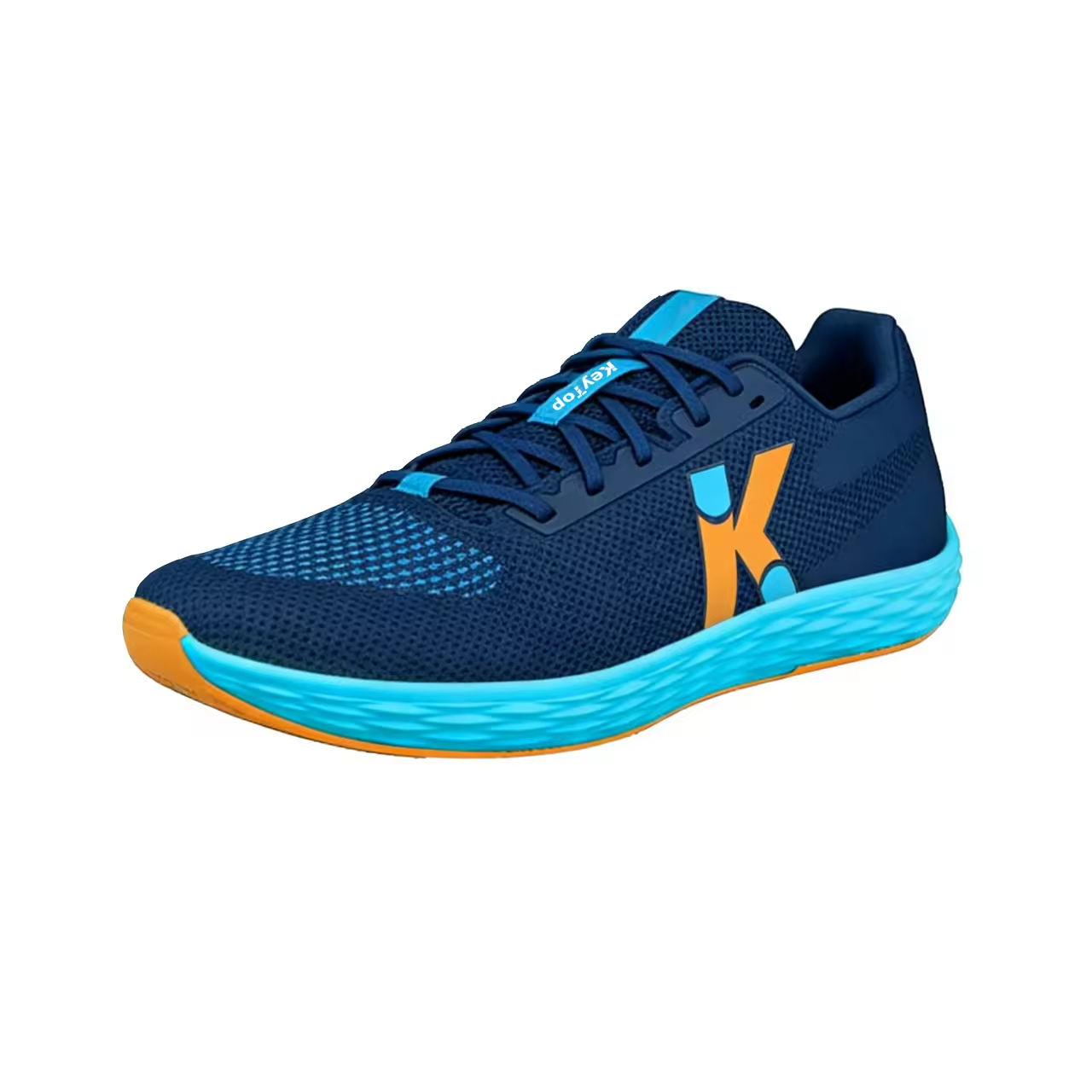
Key takeaways
- Short answer: Plan a custom barefoot running shoe program by freezing the use case, last, size run, sole construction, materials, branding, packaging and approval responsibilities before requesting a productio…
- A custom program is not defined by a logo alone.
- Write what remains unchanged as clearly as what changes.
Short answer: Plan a custom barefoot running shoe program by freezing the use case, last, size run, sole construction, materials, branding, packaging and approval responsibilities before requesting a production quote. Separate existing-platform changes from new development, and require written decisions at each sample stage.
A custom program is not defined by a logo alone. It may range from color and packaging changes on an existing platform to a new last, outsole, pattern and material package. The buyer and factory need the same scope before they can compare feasibility, samples and commercial assumptions.
Choose the development route
| Route | Typical scope | Inputs to freeze | Approval focus |
|---|---|---|---|
| Private label on existing platform | Logo, color, label and packaging | Exact platform, available sizes and decoration method | Branding, material identity and packing |
| Platform modification | Selected upper, sole, closure or fit changes | Baseline platform and change boundary | Changed interfaces and representative sizes |
| Custom development | New last, pattern, sole or combined construction | Full product brief and development ownership | Geometry, tooling, samples and production file |
Write what remains unchanged as clearly as what changes. A new outsole can affect last interface, upper pattern, lasting margin, weight, flex, bonding and size allocation.
Create the program brief
- Primary use case, surfaces and environmental conditions.
- Target customer, fit concept, size system and size range.
- Last source, ownership status, code and revision.
- Sole geometry, tread, compound and construction.
- Upper, lining, reinforcement, sockliner and closure.
- Colorways, logos, labels, packaging and artwork files.
- Target markets, required documents and intended claims.
- Sample stages, testing, inspections and approval owners.
- Order quantity by style, color and size.
Use the buyer use-case guide before selecting components. It turns market language into product-development conditions.
Freeze last and size-run decisions together
Define effective internal length, forefoot landmarks, toe profile, toe height, heel geometry, instep volume and grading. Confirm which sizes require separate sole components and where pattern, logo or closure layouts change.
| Decision | Required record | Release gate |
|---|---|---|
| Last | Code, revision, dimensions and source | Approved development-size geometry |
| Pattern | Revision, seams, allowances and grading table | Approved upper and representative sizes |
| Sole allocation | Component size coverage and interface | Matched lasts and sole components |
| Finished measurement | Method, landmarks and tolerances | Recorded representative-size results |
| Label conversion | Market sizes and artwork | Matched shoe, box and carton labels |
ISO 19409 addresses last dimensions, and ISO 19410-1 addresses in-shoe measurement. Define the project method and tolerances rather than copying values from another construction.
Plan the sole and upper as one system
| Interface | Planning question | Sample evidence |
|---|---|---|
| Last to sole | Does the last seat correctly across allocated sizes? | Component match and lasted samples |
| Upper to sole | Are lasting margin, sidewall and bonding areas defined? | Pattern, process record and opened sample |
| Upper to reinforcement | Does reinforcement change flex or usable internal space? | Layer map and finished sample |
| Closure to fit | Does the adjustment range suit the approved volume? | Representative-size review |
| Sockliner to cavity | Is the component stable, removable or fixed as specified? | Identified component and finished-shoe check |
Relevant outsole references include ISO 20871 for abrasion, ISO 17707 for flex resistance and ISO 24267 for footwear friction. Select the appropriate method, conditions and acceptance criteria with qualified technical support.
Control materials and substitutions
- Record supplier, article, color, backing, finish and thickness where relevant.
- Approve swatches and finished samples under stated viewing conditions.
- Connect each material to applicable document requirements.
- Require written approval before supplier, article or construction changes.
- Reopen affected appearance, bonding, flex, care and claim checks after a change.
- Preserve prior references and assign a new revision.
Use the incoming material inspection guide to translate the approved BOM into receiving controls.
Approve branding and packaging on actual materials
Provide editable artwork, color references, dimensions, placement landmarks and the intended decoration method. Approve logo strike-offs or decorated components before the complete sample where practical, then confirm the final appearance on the production material.
| Asset | Control | Common omission |
|---|---|---|
| Shoe logo | File, method, size, position and color | Placement reference not defined |
| Size label | Size system, legal fields and material | Conversion table not frozen |
| Box | Dieline, print, barcode and size label | Artwork approved away from final dieline |
| Carton | Marks, assortment, dimensions and packing direction | Style and color identifiers inconsistent |
| Care copy | Material-compatible instructions and languages | Online and physical copy differ |
Use staged sample gates
- Review feasibility and identify missing inputs.
- Approve materials, components and artwork routes.
- Approve development-size fit and construction.
- Resolve changes with a numbered comment log.
- Approve representative sizes and labeling.
- Freeze the signed specification and physical reference.
- Review pre-production evidence before bulk release.
- Verify in-line, final and packing checkpoints.
Use the sample approval workflow to record accept, revise and reject decisions. Silence or a message without a sample code should not close an open issue.
Prepare the commercial handoff
Ask the quotation to identify product scope, included sample work, tooling, testing, packaging, order quantity, size assortment, quote validity and exclusions. Keep commercial assumptions separate from technical acceptance. The OEM cost breakdown guide provides a comparison structure.
Keytop Barefoot Shoes project facts
Keytop Barefoot Shoes was founded in 2006. Custom OEM and ODM production starts at 500 pairs per color and style. Samples are normally developed in 10–21 days after last, pattern, sole, materials, artwork, size range and other required inputs are confirmed. Keytop Barefoot Shoes also holds ISO 9001, offers GRS-certified recycled material options for eligible styles, and has completed amfori BSCI and Sedex (SMETA) audits; buyers should verify current scope and relevance for their program.
Method and limits
This guide is a program-planning framework. It does not establish project price, tooling ownership, payment terms, production lead time or a universal performance result. Confirm those items in the written quotation, development agreement and approved specification for the exact order.
FAQ
Is a logo change a custom development program?
It is a customization route, but it may not require new geometry or tooling. Identify the exact existing platform and decoration scope in writing.
When should representative sizes be approved?
After development-size geometry and construction are stable, and before the full size run is released for bulk production.
What information is needed before sample timing starts?
Confirm the route, last, pattern or reference style, sole, materials, artwork, sizes, colorways, packaging and the decisions required from the sample.
Send the program brief, target route, size range and reference files to discuss a custom barefoot running shoe project.
Leave a Comment
Ask a sourcing question, add your view, or request follow-up from our team.