
Every Barefoot Shoes MOQ Planning for OEM Orders Cost Checklist order starts with one decision job: prepare rfq. A packaging, sourcing, or brand buyer is checking Barefoot Shoes MOQ Planning for OEM Orders before confirming quantity breaks, quote assumptions, and reorder risk. Without a documented rfq preparation record that lists Cost Breakdown Table, Quote Preparation Checklist, Red Flag List, Commercial Parent Bridge, Wrong judgment can create inaccurate quotes, bad samples, quality disputes, delivery delays, reorder variation, or supplier mismatch.
MOQ on barefoot shoes is a last question first and a material question second. Which last the factory already owns is what sets the floor.
Buyer summary: Buyers handling Barefoot Shoes minimum order Planning for OEM Orders Cost Checklist should prepare quote-ready specifications before contacting suppliers. That means confirming the quote request preparation inputs, requesting the supporting proof from the supplier, and freezing the acceptance checks before any sample, bulk, or reorder commitment is signed. Keep the completed record with the order file so later rounds compare against the same reference.
Define the Buyer Decision for Barefoot Shoes MOQ Planning For Oem Orders
A barefoot-shoe minimum order belongs in the quote request only after the construction, color count, size run, sample gate, and delivery path are defined. Compare suppliers on the same written inputs and require exceptions before committing the order quantity.
| Requirement | Factory control | Evidence to verify | Order risk | RFQ follow-up |
|---|---|---|---|---|
| Sample approval before bulk production | Factory retains signed approval and QC photos | Compare production sample to approved master sample | Deviation from approved sample without written sign-off | Request sample approval timeline and send feedback |
| MOQ per color per style for custom production | Factory requires 500 pairs per color per style | Verify MOQ in written quote and order confirmation | Order below MOQ leads to rejection or surcharge | Confirm MOQ in RFQ and request MOQ breakdown |
| Lead time from sample approval to shipment | Factory provides written lead time based on production path | Check lead time in production schedule and contract | Delayed shipment if lead time not confirmed in writing | Request lead time quote for chosen production path |
Questions to confirm before ordering:
Build the quote request from a controlled product record, then map each input to supplier confirmation, approval evidence, and the risk that would hold the quote.
- Provide full product spec sheet including stack height, outsole material, and zero-drop construction. Ensures the factory can produce the exact barefoot shoe design without misinterpretation or last-shape errors. For a trail barefoot shoe, specify 6mm stack height, 0mm drop, and lug pattern depth. Supplier may produce incorrect last shape or sole thickness, causing costly rework and delayed timeline. Send spec sheet and request written confirmation of feasibility before sample development.
- Define quality control sampling plan per the agreed sampling plan for visual and dimensional inspection. Establishes acceptable defect rate and ensures consistent output across the production run. For a 500-pair custom order, request the agreed sampling plan normal inspection with critical defects set to zero. Without a predefined QC plan, the supplier may ship faulty shoes that fail your own quality threshold. Incorporate AQL reference into the purchase order and require pre-shipment inspection report.
- Request verification method for each critical specification: thickness, drop, and material composition. Confirms that the measurement method matches your acceptance criteria, avoiding disputes over tolerances. For stack height, request a caliper measurement at three points per shoe; document the average. Supplier may use a different gauge or unit, leading to rejected product after production. Agree on a written verification protocol and sign off on the sample inspection checklist.
- Identify approval risk: must sign off on sample before bulk production begins. Sample approval is the final gate for fit, material, and construction; any deviation voids the sign-off. For custom barefoot shoes, require a signed sample approval document with photos and QC notes. Without a formal approval gate, the factory may start bulk production on an unapproved sample, risking full rejection. Issue a sample approval form that includes a checklist of all agreed specs and require supplier signature.
- Confirm minimum order per order type: stock styles 50–100 pairs, custom production 500 pairs per color per style. Prevents order mismatches and ensures the supplier can commit to your volume without price escalation. For a custom barefoot running shoe in two colors, minimum order is 1,000 pairs total (500 per color). Ordering below minimum order may trigger higher per-unit pricing or refusal to produce, delaying your launch. Verify minimum order with the supplier in writing and adjust your order quantity or color mix accordingly.
Confirm Product and Order Scope
| Cost driver | What changes it | Quote signal | Risk to avoid | Buyer action |
|---|---|---|---|---|
| Stock style selection vs. custom program scope | Choosing in-stock barefoot shoes versus a full OEM design with new tooling | Supplier asks for stock-style SKU list or requests custom spec sheet | Mixing stock and custom requirements in one quote request, causing MOQ confusion | Separate the RFQ into two written quote questions: one for stock styles and one for custom production |
| Order quantity tier per production path | Stock styles allow smaller quantities; custom programs require higher minimums per color per style | Supplier provides two distinct MOQ ranges without merging them | Assuming one MOQ applies to both paths, leading to rejected orders or unexpected minimums | Verify the supplier's written MOQ breakdown for each path before approving the quote |
| Sample development timeline | Base-model ODM samples are faster than full OEM samples requiring new patterns or materials | Supplier quotes separate sample lead times for ODM vs. OEM without mixing ranges | Planning bulk production based on a sample timeline that does not match the actual development path | Document the sample path (ODM or OEM) and confirm the corresponding lead time in the RFQ |
| Supplier capability for barefoot-specific construction | Factory experience with zero-drop lasts and wide toe boxes affects feasibility and cost | Supplier references past barefoot shoe projects or provides construction feasibility notes | Selecting a supplier without barefoot-specific production knowledge, causing sample failures | Request a written capability statement or past project reference for barefoot shoes |
| Quality control scope per order type | Stock styles may use existing QC checks; custom programs require new inspection criteria | Supplier outlines QC steps for each production path separately | Assuming standard QC covers custom specifications, leading to dimensional or material defects | Confirm the QC checklist for the chosen path and include it in the order approval |
Evaluate Confirm Product and Order Scope as one decision scope. Use this cost breakdown table as an approval sequence, not as a supplier claim. For stock style selection vs. custom program scope, a poor decision can mean mixing stock and custom requirements in one quote request, causing minimum order confusion. Request written proof and compare it with the approved sample or specification, then separate the quote request into two written quote questions: one for stock styles and one for custom production.
For the stock style selection vs. custom program scope checkpoint, keep the supplier response, marked sample, approved specification, quotation, and approval owner under the same revision number. If the evidence conflicts with the approved record, hold the quote, sample, or production release until the deviation is explained in writing. Carry the signed decision record into the purchase order, production handoff, shipment release, and later reorder review so every team works from the same baseline.
For barefoot shoes minimum order, use a release rule: approve only when the supplier evidence matches the written requirement.
- Supplier quotes a single price for stock and custom. Masks different cost structures for each production path. Request separate written quotes for stock styles and custom programs. Two separate quote documents. Compare price structures per path.
- Supplier states a single minimum order without specifying type. May commit to a quantity not feasible for your order type. Ask for minimum order breakdown per production path. Written minimum order table. Validate against your intended order volume.
- Supplier provides a lead-time range mixing stock and custom. Wrong expectation for sample or bulk delivery. Request separate lead-time estimates for each production path. Separate timeline document. Align with your project schedule.
- Supplier cannot demonstrate experience producing barefoot shoes. May lack knowledge of zero-drop, wide toe box construction. Ask for specific examples of barefoot shoe production. Photos or certificates. Verify with references.
quote request checkpoint
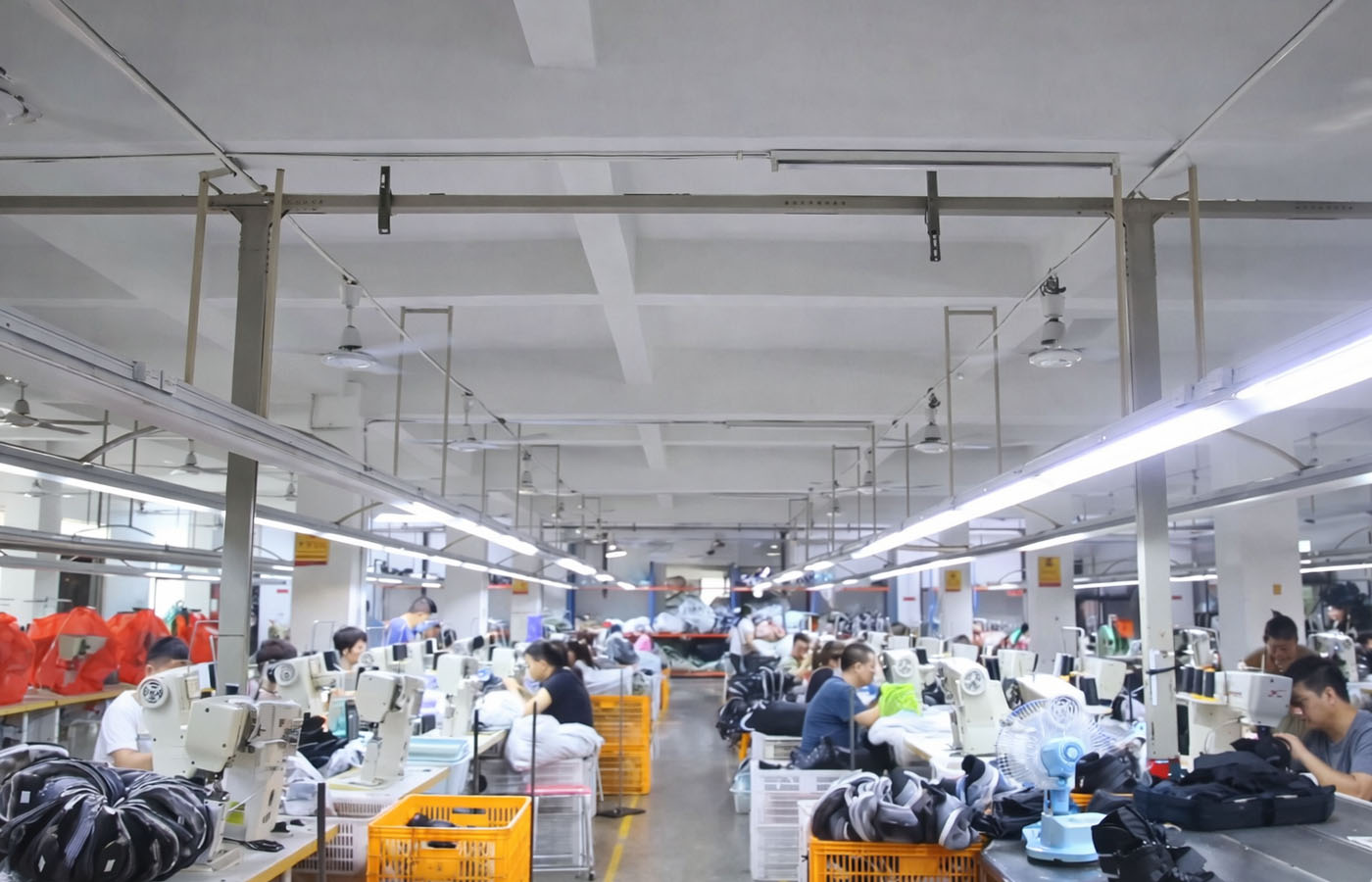
Build the Verification Checklist
Start with evidence for barefoot shoes minimum order:
- What barefoot shoe production experience does the supplier have? Ensures the factory understands zero-drop construction and wide toe box design. Supplier shows verified sample approvals from similar barefoot shoe projects. Risk of poor fit or quality if supplier lacks barefoot-specific experience. Request a portfolio of past barefoot shoe OEM and ODM services services.
- How will you verify the factory's minimum order and production claims? Prevents order delays due to hidden minimum order constraints. Supplier provides a written minimum order breakdown per style and color. Without verification, you may commit to an order the factory cannot fulfill. Ask for a signed minimum order schedule and recent production invoices.
- What is the sample approval process to avoid quality drift? Quality drift between sample and bulk is a common complaint in barefoot shoe sourcing. Supplier requires a signed sample approval report before bulk production. Bulk order may deviate from approved sample, causing returns. Define a written approval gate with photos and measurements.
- What follow-up actions secure the minimum order and timeline? Confirms production schedule and avoids last-minute changes. Supplier confirms production lead time and deposit terms in writing. Verbal agreements may lead to missed deadlines. Send a formal order confirmation referencing the agreed minimum order and lead time.
- What is the minimum order quantity for custom barefoot shoes? Determines if the order fits your budget and inventory needs. Supplier states 500 pairs per color per style for custom production. Ordering below minimum order incurs additional costs or delays. Compare your required quantity with the supplier's minimum order and adjust if needed.
Compare Quote and Production Assumptions
When a buyer receives a quote for blog, the line items may not match the production assumptions—this gap leads to cost overruns or delayed samples. The control is a structured cross-reference between the quote and the quote request-confirmed requirements.
Use this practical checklist during quote review:
- Confirm that the quoted minimum order quantity applies to the exact specification (materials, sole type, size range) you requested.
- Verify that every cost line item (materials, tooling, labor, packaging) is broken out and matches your quote request assumptions.
- Ask the supplier: “What production steps are included in the quoted unit price, and which are optional or charged separately?”
- Request a sample handoff timeline that aligns with the production timeline assumed in the quote.
- Clarify whether the quoted lead time assumes approval of a pre-production sample or a bulk order without sample iteration.
After completing the checklist, use the table below to compare each quote assumption against the production reality your factory confirms.
| Quote Assumption | Production Reality Verification | Risk Identified |
|---|---|---|
| MOQ applies to one style/color | Supplier confirms MOQ per style or per order | Order size miscalculation |
| All materials included in unit price | Material cost breakdown provided | Hidden upcharges |
| Sample cost included in bulk order | Sample cost policy stated in writing | Budget overrun |
| Lead time starts after PO | Lead time starts after sample approval | Delivery delay |
Resolve any discrepancy before issuing the purchase order. This cross-reference ensures your quote reflects the actual production scope and reduces the risk of unexpected costs or delays.
Run the Review Before Approval
At this workflow checkpoint, the output that must exist before the next stage is a verified quote request-confirmed requirement document that includes buyer-verified specifications, cost parameters, and production risk mitigations. Without this, no sample or bulk order should proceed.
Questions to send back to the supplier
- What is the confirmed minimum order quantity based on the specific sole material and last design we selected, not a generic factory minimum order?
- Can you provide a cost breakdown per pair that separates material, labor, tooling, and packaging, with a clear explanation of any volume-based discounts?
- What is the exact lead time for the first sample, and how many rounds of revisions are included in the quoted price?
- What are the key production risks you foresee for this barefoot shoe design (e.g., sole adhesion, upper stitching, toe-box shape), and how will you mitigate them?
- What is your process for quote request-to-sample handoff, including who will be our point of contact and how changes are documented?
When to revise, escalate, or reject
Revise the order if the supplier cannot confirm the minimum order for your specific design or if the cost breakdown is incomplete. Escalate to a senior factory manager if the lead time for samples exceeds the agreed window by more than a supplier-confirmed variance. Reject the proposal outright if the supplier refuses to provide a written cost breakdown or cannot articulate production risks. Use the table below to evaluate each response.
| Supplier Response | Action |
|---|---|
| Confirms MOQ for your design, provides cost breakdown, and identifies risks | Proceed to sample order |
| Confirms MOQ but cost breakdown is vague or risks are generic | Request revision with specific details |
| Cannot confirm MOQ for your design or refuses cost breakdown | Escalate or reject |
After this review, ensure all decisions are documented and signed off by both parties before moving to the sample stage. This prevents costly misunderstandings and keeps the project on track.
Move from Review to RFQ or Sample
The most common failure at this stage is sending an incomplete quote request that leads to cost renegotiation after sample approval. To prevent this, define the exact specification variables that affect the unit price before you request a quote.
Inputs to include in the next message
- Confirmed upper material type (e.g., leather, mesh, synthetic) and any laminations or linings.
- Outsole durometer and tread pattern—specify the target hardness and whether zero-drop or minimal drop.
- Toe-box volume and shape (wide, anatomical, or tapered) with a reference sample or drawing.
- Closure system (lace, hook-and-loop, slip-on) and any hardware finish.
- Required packaging format (bulk, gift box, display carton) and labeling language.
Ownership and sign-off for the next gate
Before moving to quote request or sample, designate one person to consolidate all specification decisions and one person to approve the final quote request. This prevents cross-departmental revisions after the factory has committed to a price. For a typical OEM order, the product manager owns the spec sheet, and the procurement lead signs off on the target cost.
Use a buyer verification question to confirm alignment: “Does your factory produce this exact upper+outsole+last combination as a standard process, or does it require a new mold?”
Source check: ISO 2859-1 sampling inspection standard; Tile Wholesale Order Planning: How to Compare minimum order Mixed-Contain…; Shoe minimum order Explained for Private Label First Orders.
For barefoot shoes minimum order, use barefoot footwear solutions to align the product baseline, sample evidence, packing record, and quote owner before order release.
In conclusion
The sourcing choice for barefoot shoes ultimately comes down to verifying that the supplier’s minimum order, lead time, and quality controls align with your order volume and timeline. Before you shortlist a supplier, compare their written minimum order breakdown for stock styles versus custom production, validate the spec against your material and construction requirements, and document the sample approval gate. This disciplined approach reduces cost and production risk, and ensures a smooth handoff from quote request to sample order.
To request a quote, visit wholesale barefoot shoes supplier and confirm the final specification, quote assumptions, sample approval, QC evidence, approval risk, and supplier follow-up before bulk order.
Barefoot Shoes MOQ Planning For Oem Orders FAQ
What should buyers confirm first?
It depends on whether you need stock styles or custom production. For stock barefoot shoe styles, confirm availability and mixed-size options with the supplier, as the minimum order typically ranges from 50 to 100 pairs subject to inventory. For custom OEM orders, verify the minimum order of 500 pairs per color per style and request a written specification sheet covering stack height, drop, materials, and branding before requesting a quote. Ask how QC will check the sample, color, finish, packing, and bulk order.
Which proof should be retained for approval and reorders?
Retain the signed sample approval document and the corresponding QC photos or video evidence for each approved sample. This proof should include the confirmed specification details, material swatches, and any color or branding approvals. For reorders, keep the original sample reference and the approved bulk production report to ensure consistency without needing to re-verify every parameter.
Which warning signs should stop the order?
Stop the order if the supplier cannot provide a clear written minimum order breakdown for your specific product type, or if they quote a minimum order that conflicts with the standard 500 pairs per color per style for custom production without a valid explanation. Also halt if the supplier refuses to offer a sample before bulk production, or if the lead time for a sample exceeds the typical 7–21 calendar days without a documented reason. Ask for a sample, specification confirmation, or QC evidence before approval.
quote request handoff: Ask B2B buyers to share product category, target quantity, market, timeline, and reference files for a practical quote. Send Specs for Review.
Leave a Comment
Ask a sourcing question, add your view, or request follow-up from our team. We keep the form short so it feels natural inside the article page.