
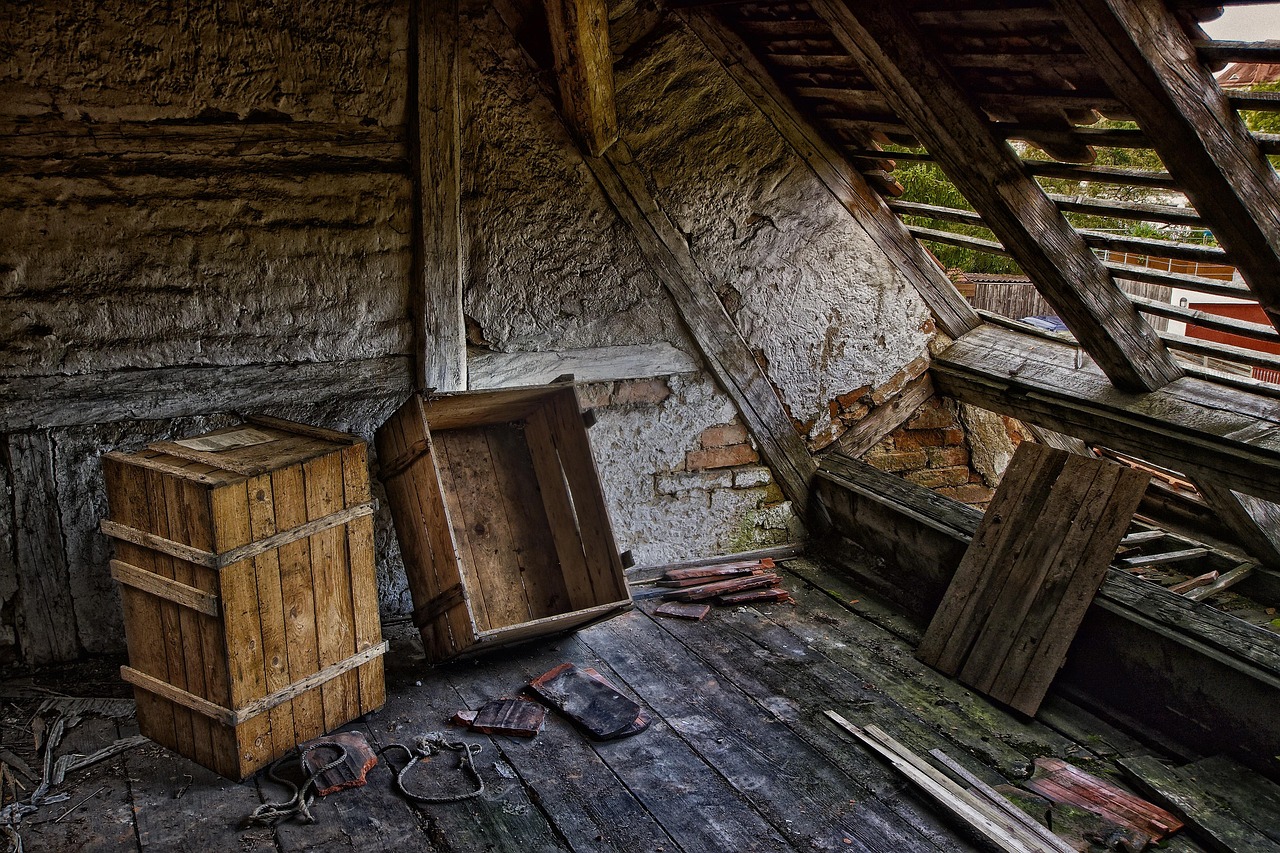
barefoot toe box collapse is the first checkpoint buyers should lock before they approve a supplier, budget, or production slot. If you are a private label manager looking into barefoot shoes, you have probably seen the photos by now. A customer posts a side-by-side shot of a shoe after three months of wear — the toe box has caved in, the upper looks wrinkled, and the shape is gone. The reviews call it cheap. The return rate climbs. And you are stuck wondering if the problem is your design or your factory. The real answer is neither. Barefoot toe box collapse is a manufacturing spec issue, and it is almost always caused by a single material mismatch.
Most factories in Jinjiang default to a 0.6-0.8mm thermoplastic toe puff that costs $0.03-$0.05 per pair. That material works fine in a standard sneaker that bends maybe 45 degrees at the forefoot. But a barefoot shoe demands a full 180-degree flex cycle. Under that load, a thermoplastic puff creases permanently. It forms a hard ridge, the upper loses its support, and the toe box collapses. The fix is not adding more material — it is swapping the material architecture entirely. A high-density non-woven spacer mesh recovers 85% of its shape after 50,000 flex cycles and costs roughly $0.15-$0.25 more per pair. That delta is the difference between a 15-20% return rate and a clean first batch.
Why Standard Sneaker Toe Puffs Fail in Barefoot Shoes
The wrong toe puff material causes 80% of collapsed barefoot toe boxes.
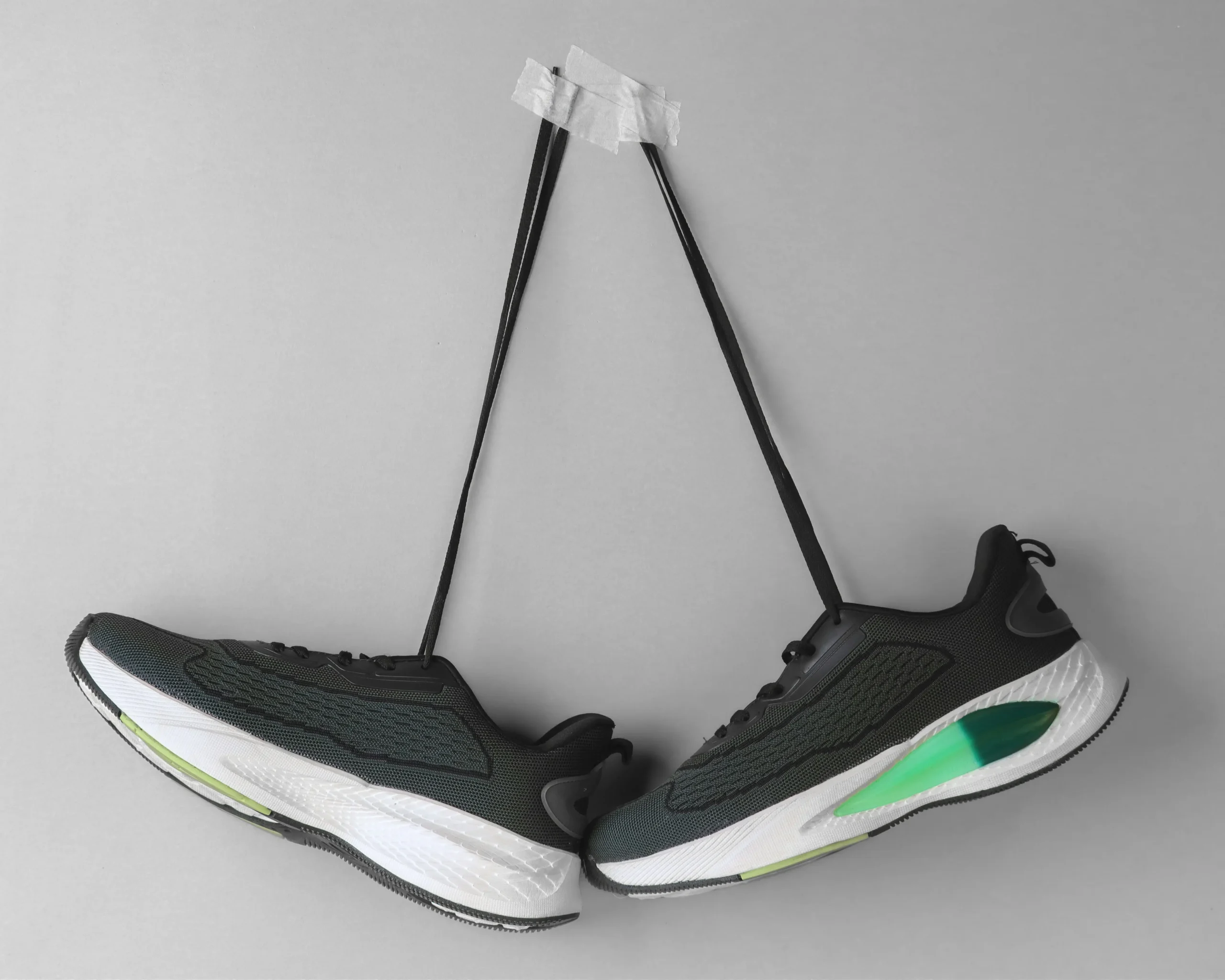
Standard sneakers limit forefoot flex to 45-60 degrees using a rigid shank. Barefoot shoes demand a full 180-degree fold at the metatarsal heads. Thermoplastic toe puffs, designed for that limited range, crease permanently at the fold line in barefoot construction. That crease creates a hard ridge inside the toe box. The upper caves inward around that ridge, and the ridge rubs against the top of the toes. Those two failure modes — structural collapse and dorsal irritation — drive the 15-20% return rate that kills private label margins.
Internal factory data shows 80% of barefoot toe box collapse cases trace directly to this single material mismatch. It is not a sizing error. It is not a last shape problem. It is a 0.6-0.8mm thermoplastic puff that was never meant to bend that far.
- Thermoplastic puff failure threshold: 5,000-10,000 barefoot flex cycles before permanent crease forms. After that, shape recovery is near zero.
- Non-woven spacer mesh threshold: 50,000+ cycles with 85% shape recovery. The mesh fibers compress and reorient under load, then spring back when the foot straightens.
- Cost delta per pair: Thermoplastic: $0.03-$0.05. Non-woven mesh: $0.18-$0.30 ($0.15-$0.25 increase).
- Return cost per collapsed pair: $8-$12 including reverse logistics and restocking. At 15% return rate on 1,000 pairs, that is $1,200-$1,800 in losses vs. $150-$250 in material upgrade.
Factories default to thermoplastic because it is universal in Jinjiang at that price point and the buyer's tech pack almost never specifies toe puff material. The fix is not thicker thermoplastic — adding a second layer doubles the crease rigidity and makes collapse worse. The fix is a fundamentally different material architecture: high-density non-woven spacer mesh that moves with the foot instead of fighting it.
The OEM Fix: Swapping Thermoplastic for Non-Woven Mesh
Swapping thermoplastic for non-woven mesh adds $0.15–0.25 per pair but eliminates 15–20% return rates.
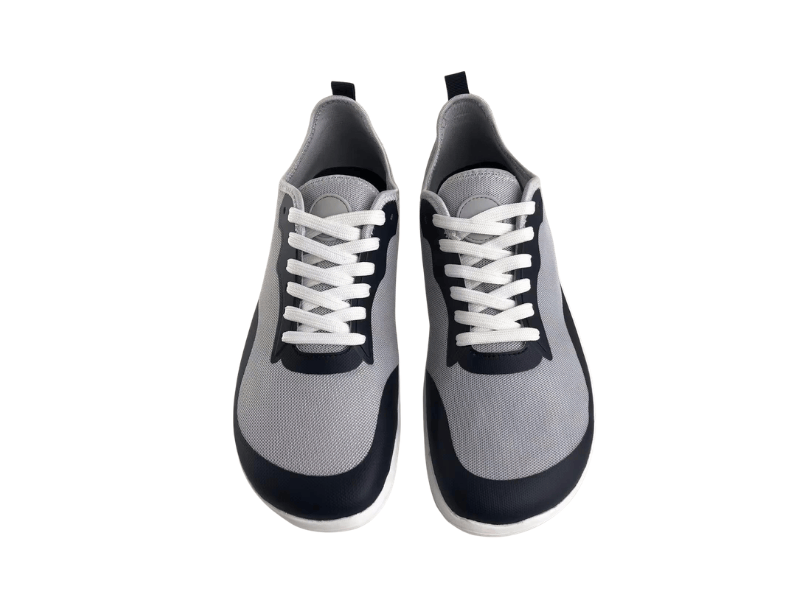
The standard thermoplastic toe puff—0.6 to 0.8 mm thick, costing $0.03 to $0.05 per pair—is designed for sneakers that flex 45 to 60 degrees. In a barefoot shoe, the forefoot bends 180 degrees with every step. That material creases permanently after 5,000 to 10,000 cycles, forming a hard ridge that collapses the toe box inward and rubs the dorsal toes. Internal factory data shows 80% of collapsed toe boxes trace directly to this single material mismatch.
The fix is not a thicker thermoplastic layer. Adding a second layer doubles the crease rigidity and makes the collapse worse. The correct replacement is a high-density non-woven spacer mesh—a three-dimensional skeletal structure that deforms under load and recovers 85% of its original shape after 50,000 flex cycles. It costs $0.18 to $0.30 per pair, a delta of roughly $0.15 to $0.25 over thermoplastic.
- Flex endurance: Thermoplastic fails at 5,000–10,000 cycles. Non-woven mesh exceeds 50,000 cycles with 85% shape recovery.
- Failure mode: Thermoplastic develops permanent crease ridges that collapse the toe box. Mesh fibers compress and reorient, then pull the upper back to contour when the foot straightens.
- Breathability: Non-woven mesh is porous, reducing moisture buildup inside the toe box. Thermoplastic puffs are solid films that trap heat and sweat.
Here is the math that matters to a private label buyer. A 1,000-pair order with a 15% collapse-related return rate means 150 returned pairs. At $8 to $12 per return (reverse logistics, restocking, brand damage), that is $1,200 to $1,800 in losses. Upgrading all 1,000 pairs to non-woven mesh costs $150 to $250. The material upgrade saves $1,050 to $1,550 on the first order alone—before accounting for repeat customer trust.
Most factories in Jinjiang stock only thermoplastic because it is universal and cheap. They will use it unless your tech pack explicitly specifies non-woven spacer mesh by name. If your factory cannot produce a material specification sheet listing the toe puff composition, or cannot show a cross-section photo of a cut-sample toe box with the reinforcement layer visible, they are defaulting to the cheapest option in inventory. That is how collapsed toe boxes enter your bulk order.
Adjusting Lasting Tension to Prevent Initial Slack
Lasting tension below 2.5 kg/cm² guarantees toe box collapse — even with the best materials.
Most barefoot shoe factories run their lasting machines at 1.8–2.2 kg/cm², because that's the standard setting for sneakers with rigid toe puffs. In a barefoot shoe, where the forefoot must flex 180 degrees, that leftover slack in the upper becomes a structural failure point. The material doesn't tear — it folds inward under load, collapsing the toe box onto the wearer's toes.
The fix is not guesswork. You need a digitally controlled toe-lasting machine that can hold tension between 2.5 and 3.0 kg/cm² across the entire forepart. Below that, you get slack. Above 3.0, you risk stretching the upper material or distorting the seam lines. This is a machine calibration issue, not a worker skill issue. If your factory uses manual pull-over lasting, they cannot achieve this tolerance.
Here's the kicker: even with correct lasting tension, if the factory skips the hot-cold toe molding step, the toe box contour will drift between sample and bulk. The sample gets hand attention — the production line does not.
- Hot-cold molding specs: 80–90°C hot mold for 10–20 seconds, then immediate transfer to a <0°C cold mold for another 10–20 seconds. This locks the three-dimensional toe shape before full lasting.
- What skipping it costs you: The sample looks perfect. The bulk order shows inconsistent toe contours — some pairs wrinkled, some misshapen. That triggers 15–20% return rates at your cost.
- Audit checklist before ordering: Ask for lasting machine specifications (manual vs. pneumatic vs. CNC). Request a video of the toe-lasting process on a barefoot last. Require a pre-production sample flex-tested to at least 10,000 cycles. If the factory cannot provide these, they are not equipped for barefoot production.
The bottom line: lasting tension and hot-cold molding are two independent variables. Get either one wrong, and your toe box fails. Get both right, and you eliminate the most common cause of returns in barefoot footwear.
Conclusion
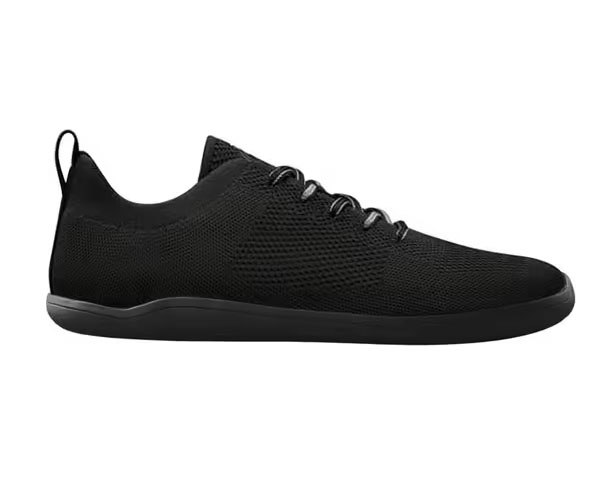
Toe box collapse is not a design flaw — it is a manufacturing spec failure. Thermoplastic puffs at $0.03 per pair and low lasting tension below 2.5 kg/cm2 guarantee a 15-20% return rate. Swapping to non-woven spacer mesh and enforcing hot-cold molding eliminates that risk for an extra $0.20 per pair.
Review the material specs on your current tech pack and confirm your factory can execute the full protocol. If they cannot, the next batch will repeat the same failure.
Frequently Asked Questions
What causes the toe box to collapse on barefoot shoes?
Toe box collapse is primarily caused by using rigid thermoplastic toe puffs that crease under extreme 180-degree forefoot flex. Standard 0.6-0.8mm puffs are designed for limited flex and permanently deform in barefoot shoes. Request non-woven mesh to prevent this failure.
Can a collapsed barefoot shoe toe box be repaired?
No. Once a thermoplastic toe puff creases or delaminates from the upper, structural integrity is permanently lost. Prevention during manufacturing is the only reliable fix.
What upper material prevents toe sagging in wide toe box shoes?
A high-density non-woven spacer mesh fused to the inside of the upper prevents sagging while maintaining flexibility. This material achieves 85% shape recovery after 50,000 flex cycles. Specify this mesh in your material spec sheet.
How do I verify my factory uses the correct toe puff material?
Request a material specification sheet listing toe puff composition before production. Demand a crease test on a sample pair bent to 180 degrees to confirm no permanent deformation. Reject any factory that cannot provide this documentation.
Does the hot-cold toe molding step add significant production time?
No. The full cycle is 20-40 seconds per pair and integrates into the pre-lasting line. Confirm your factory includes this step in the SOP.
Leave a Comment
Ask a sourcing question, add your view, or request follow-up from our team. We keep the form short so it feels natural inside the article page.