Barefoot Shoe Wear Test and Sample Approval Plan for Brands — the checks that decide whether a quote, sample, or shipment can be approved
read more...
Production scheduling, QC checkpoints, and ISO 9001 process notes from Keytop's factory floor. 50,000 pairs monthly. Know what happens before your order ships.
Keytop Factory • Industry InsightsBarefoot Shoe Manufacturing | OEM Process Insights
Short answer: a kids' barefoot shoe strap can fail because the hook-and-loop closure loses peel or shear performance, the surface becomes contaminated, the tape separates, the stitching pulls out, or the strap geometry applies load in the wrong direction. Identify the...
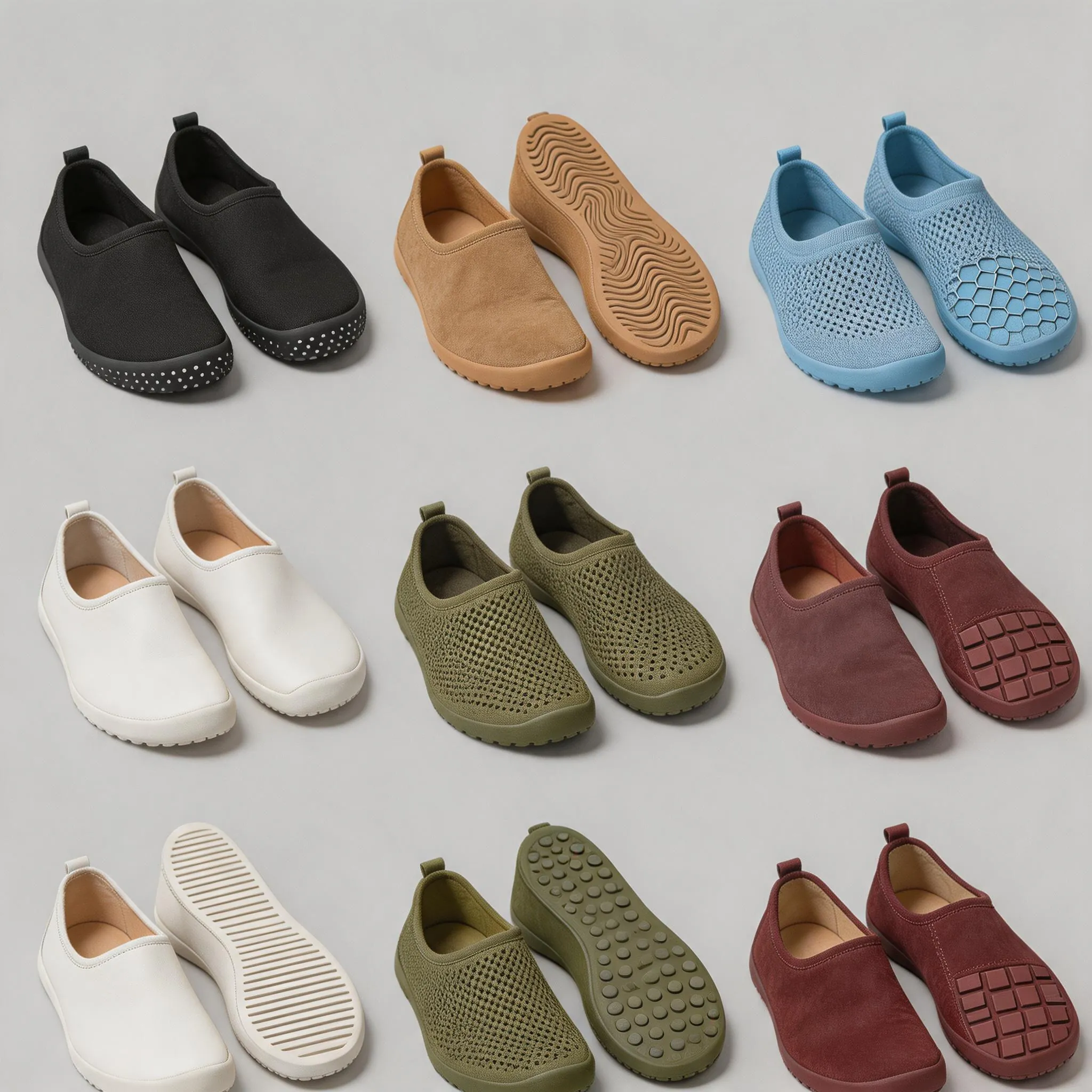
Short answer: heel-counter collapse is a backpart system failure, not simply a request for a harder insert. Diagnose the stiffener, upper, lining, bond area, topline geometry and lasting condition together. The approved repair should define component properties,...
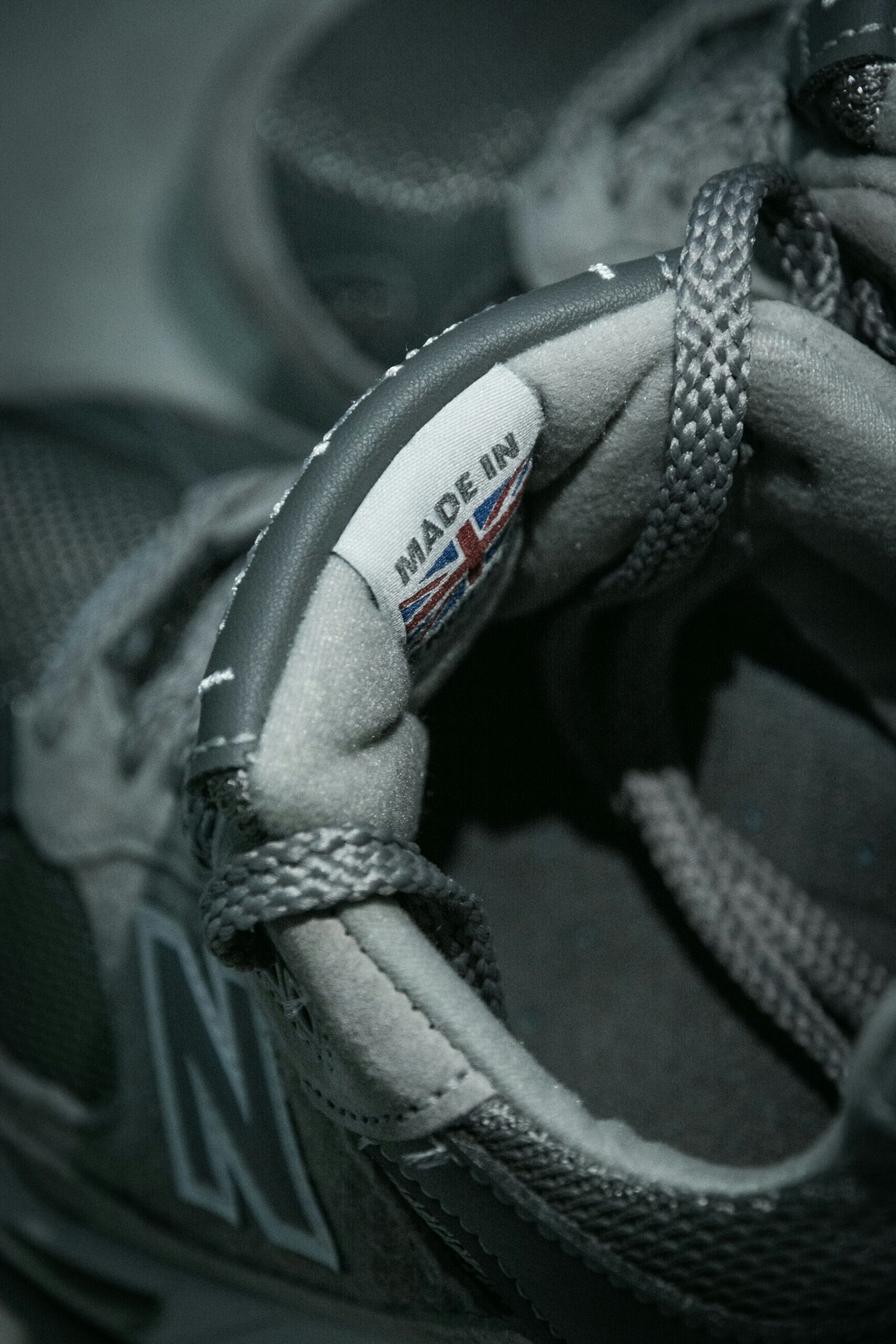
Short answer: a heel-lining tear is usually a system problem involving collar geometry, counter edge, lining selection, seam placement, entry friction and fit. Do not approve a thicker lining as the default correction. Map the damage location, reproduce the wear...
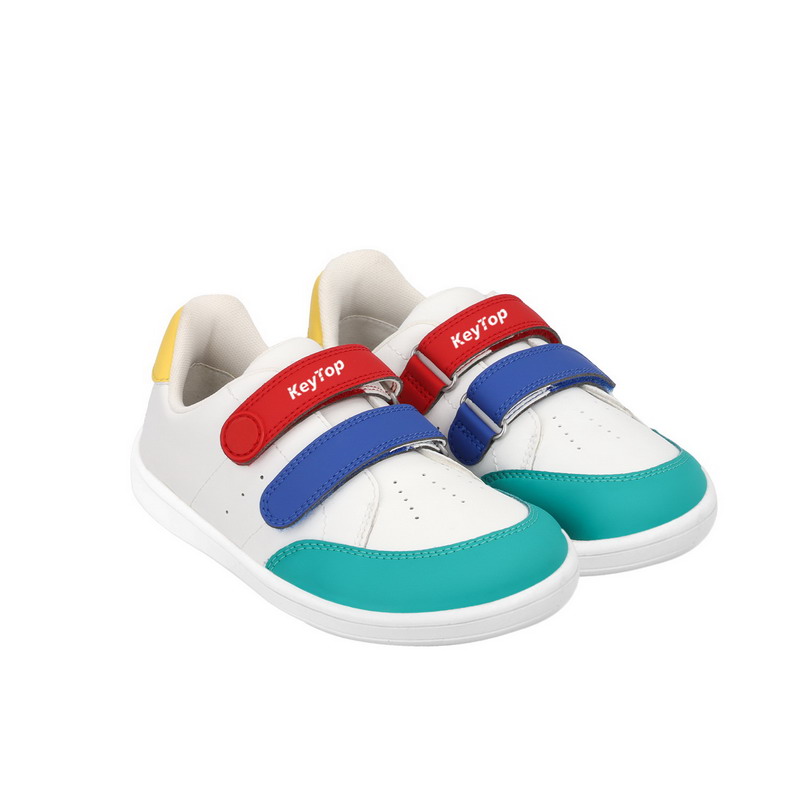
Short answer: an eyelet tear is usually a load-path problem in the upper assembly. Identify whether the material tears, the seam opens, the reinforcement separates or the eyelet edge damages the lace zone. Then revise the patch, edge finish or eyelet layout and test...
Short answer: a pull tab can fail because the tab material ruptures, the seam breaks, stitches pull through the upper, reinforcement separates, or the attachment sits outside the intended load path. The repair starts by identifying which interface failed, then...