Short answer: a pull tab can fail because the tab material ruptures, the seam breaks, stitches pull through the upper, reinforcement separates, or the attachment sits outside the intended load path. The repair starts by identifying which interface failed, then...
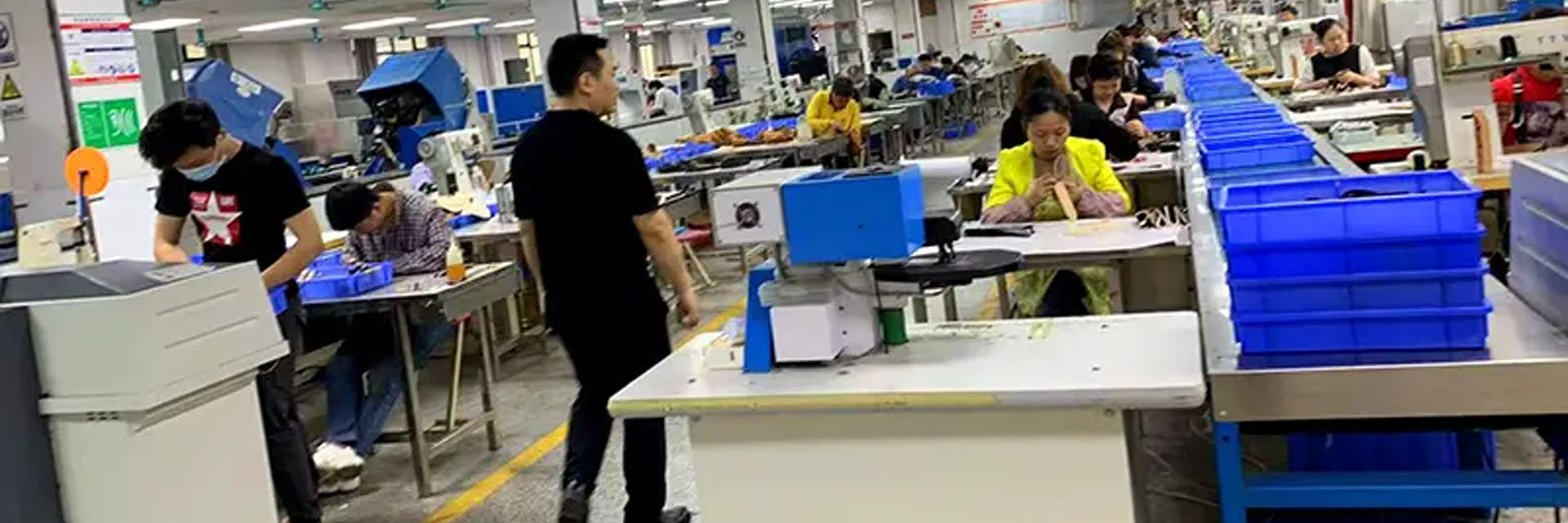
Production scheduling, QC checkpoints, and ISO 9001 process notes from Keytop's factory floor. 50,000 pairs monthly. Know what happens before your order ships.Barefoot Shoe Manufacturing | OEM Process Insights
Barefoot Shoe Toe Box Collapse: Root-Cause Guide
Barefoot Sandal Strap Rip: 3 Factory Fixes
Short answer: a sandal strap rip must be traced to the strap material, seam, anchor, slot, hardware or sole junction. Approve the exact attachment as a complete assembly, then control strap lot, cutting direction, stitch or bond process, anchor position and...
Barefoot Shoe Upper–Sole Separation: Buyer Inspection and Factory Controls
Short answer: upper–sole separation should be diagnosed from the failed interface, not from a generic glue assumption. Examine where the opening begins, which surface retains adhesive, whether the substrate tears, and whether the separation follows a flex or geometry...
Barefoot Shoe Odor Control: OEM Material and Sample Guide
Barefoot Boot Eyelet Wear: Factory Diagnosis and Fixes
Short answer: boot eyelet wear can start as eyelet rotation, pull-through, upper tearing, coating damage or lace abrasion at a sharp edge. The factory fix should control the hole, eyelet geometry, setting process, backing reinforcement, lace compatibility and load...
Barefoot Shoe Sole Punctures: 3 Factory Fixes
Short answer: first identify whether the damage is a puncture, cut, tear, abrasion loss or flex crack. Each failure has a different load path. A factory fix may involve compound selection, local geometry, tread design, reinforcement and flex-zone placement, but no...