
The sourcing record for trail barefoot shoes outsole material comparison is incomplete until it supports this Choose the right product type, structure, material, or specification.
Trail outsole choice is compound versus geometry: grip comes from one and durability from the other, and a thin sole cannot maximize both.
Buyer summary: For trail barefoot shoes outsole material comparison, buyers should choose the right product type, structure, material, or specification.
Define the Buyer Decision for Trail Barefoot Shoes Outsole Material Comparison
| Option | Best fit | Trade-off | Risk to avoid | Verification | Follow-up |
|---|---|---|---|---|---|
| Current specification: 60-65 Shore A rubber compound | Trail barefoot shoes needing grip and durability on mixed terrain | Higher abrasion resistance but less flexibility for technical trails | Compound may crack in cold conditions if not properly formulated | Request material data sheet with Shore A test results and cold-flex data | Confirm compound meets applicable market compliance evidence and your target temperature range |
| Alternative specification: 55-60 Shore A rubber compound | Shoes for soft or wet trails where flexibility and traction are priority | Better ground feel and grip but faster tread wear on rocky surfaces | Softer compound may wear unevenly under heavy loads or aggressive use | Check abrasion loss per ISO 4649 and compare to your wear test samples | Request a wear-test sample pair for 50 km trail run before bulk approval |
| Custom option: Recycled rubber blend with 55-65 Shore A range | Brands targeting eco-certified or GRS-labeled trail barefoot shoes | Lower carbon footprint but may require longer curing time and higher MOQ | Recycled content can vary batch to batch, affecting consistency | Ask for GRS certificate and batch-level Shore A test reports | Confirm MOQ of 500 pairs per color per style and lead time of 45-60 days for custom blend |
| Safer fallback: Standard 60-65 Shore A rubber with proven mold | First-time trail barefoot shoe buyers or fast-track production runs | No customization but uses existing tooling, reducing sample time to 7-14 days | May not differentiate your brand in a crowded market | Verify mold compatibility with your upper design and outsole pattern | Request stock style samples (50-100 pairs) to test fit and performance before custom order |
Evaluate the decision criteria as one decision scope. Use this decision matrix as an approval sequence, not as a supplier claim. For current specification: 60-65 shore a rubber compound, a poor decision can mean compound may crack in cold conditions if not properly formulated. Request material data sheet with Shore A test results and cold-flex data, then confirm compound meets applicable market compliance evidence and your target temperature range.
For the current specification: 60-65 shore a rubber compound checkpoint, keep the supplier response, marked sample, approved specification, quotation, and approval owner under the same revision number. If the evidence conflicts with the approved record, hold the quote, sample, or production release until the deviation is explained in writing. Carry the signed decision record into the purchase order, production handoff, shipment release, and later reorder review so every team works from the same baseline.
Supplier proof to verify
Ask the factory for a material data sheet that includes Shore A hardness, abrasion loss, and cold-flex test results. For recycled blends, request the GRS certificate and batch-level consistency reports. These documents confirm the outsole compound meets your trail performance requirements and avoids quality drift between sample and bulk production.
Use cases that fit
The 60-65 Shore A compound works best for all-terrain trail barefoot shoes where durability and grip are critical. The softer 55-60 Shore A option suits wet or technical trails where flexibility and ground feel matter more. Recycled blends fit eco-conscious brands targeting GRS certification, while the standard compound is ideal for first-time buyers needing fast sample turnaround.
RFQ and sample checks
When sending the RFQ, specify the target Shore A range and request a material data sheet. For custom blends, confirm the MOQ of 500 pairs per color per style and lead time of 45-60 days. Before bulk production, approve a sample pair after a 50 km trail test to verify grip, wear, and flexibility against your specifications.
Confirm Product and Order Scope
| Criteria | Baseline option | Confirmed option | Buyer meaning | Risk to avoid | Follow-up |
|---|---|---|---|---|---|
| Specification details | 6mm stack height, zero-drop, rubber compound with 60-70 Shore A hardness | 8mm stack height, zero-drop, rubber compound with 65-75 Shore A hardness | Option A suits technical trails needing ground feel; Option B offers more cushion for longer distances. | Wrong stack height can cause instability or inadequate protection on rocky terrain. | Confirm trail type and average run distance before selecting compound. |
| Cost driver | Standard rubber compound, lower tooling cost, MOQ 500 pairs per color per style | High-traction rubber with added silica, higher tooling cost, MOQ 500 pairs per color per style | Option A reduces per-pair cost by a supplier-quoted adjustment; Option B improves wet-grip performance at a premium. | Choosing Option B without verifying price per pair may inflate landed cost unexpectedly. | Request RFQ for both compounds to compare per-pair pricing and tooling amortization. |
| Quality control | Abrasion test per applicable market compliance evidence, tear strength per applicable market compliance evidence, sample approval required | Abrasion test per ISO 4649, tear strength per ISO 34-1, sample approval required | Option A follows US standards; Option B follows international standards, both acceptable for trail use. | Without specifying test method, supplier may use a less stringent standard, risking outsole durability. | Specify test method in RFQ and request test reports with sample submission. |
| Approval risk | Sample approval before bulk production, written sign-off on compound and hardness | Sample approval before bulk production, written sign-off on compound, hardness, and tread pattern | Option B adds tread pattern verification, reducing risk of grip mismatch with intended terrain. | Skipping tread pattern approval may lead to poor traction on loose or wet surfaces. | Include tread pattern drawing in sample approval document for Option B. |
| Verification method | Visual inspection and Shore A durometer check at factory QC bench | Visual inspection, Shore A durometer check, and slip-resistance test per applicable market compliance evidence | Option B adds slip-resistance data, critical for wet trail conditions. | Option A may miss grip issues that only appear in wet or muddy conditions. | Request slip-resistance test report for Option B before bulk production. |
Evaluate Confirm Product and Order Scope as one decision scope. Use this comparison table as an approval sequence, not as a supplier claim. For specification details, a poor decision can mean wrong stack height can cause instability or inadequate protection on rocky terrain. Request written proof and compare it with the approved sample or specification, then confirm trail type and average run distance before selecting compound.
Decision criteria to confirm
Compare outsole material options by stack height, compound hardness, and test standards. For trail barefoot shoes, a 6mm stack with 60-70 Shore A rubber balances ground feel and protection. Confirm your terrain type and average run distance to select the right compound. This check prevents instability or inadequate grip on rocky or wet trails.
RFQ details to send
Specify the exact rubber compound, hardness range, and test method in your RFQ. Include MOQ of 500 pairs per color per style for custom production. Request per-pair pricing for both standard and high-traction compounds to compare landed costs. This input ensures the factory quotes the correct material and avoids unexpected cost increases.
Production handoff details
After sample approval, verify that the production outsole matches the approved compound and hardness. Use a Shore A durometer at the QC bench during the first production run. For wet-trail orders, request a slip-resistance test report. This handoff check prevents quality drift between sample and bulk, protecting your reorder consistency.
RFQ checkpoint
Ask B2B buyers to share product category, target quantity, market, timeline, and reference files for a practical quote.
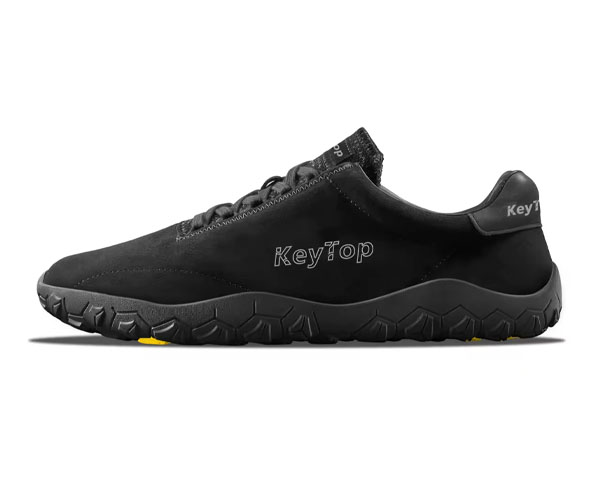
Build the Verification Checklist
At this process checkpoint, you must have a finalized outsole material comparison table that confirms your top two candidates before moving to sample handoff. Use this ordered list to verify specs, cost, production risk, factory execution, and quote request readiness.
- Specs Confirmation: Confirm outsole hardness (Shore A), tread depth (mm), and abrasion resistance (DIN) for each candidate. Request the factory’s test report for the specific compound.
- Cost & MOQ Alignment: Verify that the per-pair cost difference between materials (e.g., Vibram vs. proprietary rubber) fits your target margin. Ensure MOQ per SKU is within your initial order volume.
- Production Risk Assessment: Identify any known molding or adhesion issues for the chosen outsole. For example, some high-traction compounds may require longer cooling time, affecting cycle time.
- Factory Execution Check: Confirm the factory has produced this exact outsole material in the last 6 months. Request a reference order or sample from that production run.
- quote request & Sample Handoff: Prepare a clean quote request document that includes the outsole spec, target price, and delivery window. Attach the comparison table and request a pre-production sample for wear testing.
Once all five items are checked, you can proceed to sample handoff with confidence. For more on our OEM process, visit our barefoot shoe OEM and ODM services.
Compare Quote and Production Assumptions
When barefoot shoe manufacturing for indie brands specs are unclear, your quote may reflect assumptions that lead to cost overruns or performance failures. A rubber compound that differs by just a few points in durometer can alter traction and durability, affecting your trail shoe’s market reputation. To avoid this, verify three checkpoints during quote request and sample handoff.
Supplier evidence to request
Request documented evidence of the outsole compound’s abrasion resistance and wet traction from a third-party lab. Ask: ‘Can you provide a test report confirming the rubber meets our specified hardness and slip resistance?’ This ensures the quote is based on verified material properties, not assumptions.
Sample approval evidence
Before approving a sample, confirm that the outsole’s lug depth and pattern match your trail requirements. Use a buyer verification question: ‘Does this sample use the exact compound and mold we specified in the quote request?’ This prevents production from starting with unapproved variations.
Reorder control records
For repeat orders, require a signed approval record that ties the outsole spec to the original sample. Ask: ‘How do you ensure the reorder uses the same compound batch and mold as the approved sample?’ This reduces risk of material substitution or mold wear affecting consistency.
| Checkpoint | Buyer Verification Question | Production Risk Addressed |
|---|---|---|
| Supplier proof | Can you provide a test report confirming our specified hardness and slip resistance? | Unverified material properties in quote |
| Sample approval | Does this sample use the exact compound and mold from the RFQ? | Unapproved variations in production |
| Reorder control | How do you ensure reorder uses the same compound batch and mold? | Material substitution or mold wear |
By integrating these checks into your quote request and sample handoff, you align cost, minimum order, and execution with verified specs, reducing production surprises.
Run the Review Before Approval
At this process checkpoint, you must have a confirmed outsole material comparison table that confirms your top two candidates based on quote request-confirmed requirements. Without a confirmed outsole specification, your quote may shift by a supplier-quoted adjustment after sampling, eroding your margin.
Questions to send back to the supplier
- What is the exact outsole material compound (e.g., rubber type, durometer) used in the sample pair?
- Does the material meet the abrasion resistance threshold specified in your quote request? Provide test data from a third-party lab.
- What is the minimum order quantity (minimum order) for this outsole material, and how does it affect unit cost?
- What is the lead time for tooling and production of this outsole, and are there any known production risks (e.g., shrinkage, delamination)?
- Can the supplier provide a sample of the outsole material for your own in-house testing before bulk production?
When to revise, escalate, or reject
Use the following decision matrix as an approval sequence, not as a supplier scorecard. Evaluate each criterion in order; if any fails, revise the spec, escalate to a senior buyer, or reject the sample.
| Criteria | Pass | Fail |
|---|---|---|
| Material matches RFQ spec (compound, durometer) | Proceed to next criterion | Revise spec or request corrected sample |
| Abrasion resistance meets RFQ threshold | Proceed to next criterion | Escalate to supplier for alternative compound |
| MOQ and cost within budget | Proceed to next criterion | Reject or negotiate lower MOQ |
| Production risk acceptable (no known defects) | Proceed to next criterion | Reject sample; request risk mitigation plan |
| Sample handoff complete with test data | Approve for bulk | Request missing data before approval |
After passing all criteria, you can confidently move to the next stage: bulk production order placement. For more on our OEM process, see Keytop barefoot shoe factory.
Move from Review to RFQ or Sample
Your outsole material comparison table now shows measurable test results—abrasion loss, wet traction coefficient, and flex fatigue cycles—from a certified third-party lab. This data replaces unverified product numbers and lets you confirm which compound meets your trail performance requirements before committing to a production run.
Inputs to include in the next message
- Your confirmed outsole material choice (e.g., rubber compound with verified wet traction above the agreed threshold).
- Target unit price range and estimated annual volume (e.g., 5,000–10,000 pairs per style).
- Preferred sample quantity (e.g., 2–3 pairs per size run for fit and durability testing).
- Desired lead time for first sample delivery (e.g., after quote request acceptance).
Ownership and sign-off for the next gate
Assign one person from your team to approve the final outsole specification and sample request. This owner will review the lab report, confirm the material matches your trail use case, and sign the quote request document. Without this sign-off, the factory cannot proceed to sampling, and your timeline may slip by several weeks.
Before sending the quote request, verify with the factory that the outsole compound is available at the minimum order you discussed. Ask: “Can you confirm the compound is in stock and the sample mold is ready for this material?” This question ensures no hidden setup delays.
Once the quote request is signed, the factory will issue a proforma invoice for the sample fee and shipping. Payment triggers the sample production queue. Track the sample delivery date against your product launch calendar.
Source check: ISO 2859-1 sampling inspection standard; What Are Barefoot Shoes | Complete Guide; The Ultimate Guide to Shoes Material Sourcing: What Really Work….
In conclusion
The sourcing decision for trail barefoot shoe outsoles comes down to verifying the compound specification, comparing cost and minimum order against your order volume, and documenting the supplier’s test data before any sample approval. Quality drift between sample and bulk production remains the most common risk, so you should validate the outsole material data sheet and physical test results at the quote request stage. Once you have approved a sample that matches your chosen outsole material—whether rubber, EVA, or a hybrid—you can shortlist a supplier and proceed to the sample handoff with confidence.
To request a quote for trail barefoot shoes, use trail barefoot shoes to confirm the final specification, quote assumptions, sample approval, QC evidence, approval risk, and supplier follow-up before bulk order.
Trail Barefoot Shoes Outsole Material Comparison FAQ
What should buyers confirm first?
Buyers should first confirm the outsole compound specification—rubber type, durometer, and lug depth—against their trail terrain requirements. Compare the cost and minimum order impact: custom rubber compounds may require a 500-pair minimum per color per style, while stock outsole options can be sampled faster. Verify the supplier’s experience with trail-specific outsoles and request a material data sheet to assess abrasion resistance and wet traction.
Which proof should be retained for approval and reorders?
Retain the signed sample approval document that includes the outsole compound, durometer reading, and lug pattern confirmation. For reorders, keep the approved sample and the corresponding QC test report showing abrasion and adhesion results. This proof ensures the factory reproduces the exact outsole specification and avoids material substitution or performance drift.
Which warning signs should stop the order?
Stop the order if the supplier cannot provide a material data sheet or a physical sample for outsole compound verification. Another warning sign is a quoted lead time that conflicts with the standard 30–45 days for production without a clear explanation. Also halt if the factory refuses to document the outsole specification in the sample approval form, as this increases risk of inconsistent quality in bulk.
quote request handoff: Ask B2B buyers to share product category, target quantity, market, timeline, and reference files for a practical quote. Send Specs for Review.
Leave a Comment
Ask a sourcing question, add your view, or request follow-up from our team. We keep the form short so it feels natural inside the article page.