Key takeaways
- A barefoot boot sample approval needs one controlled sample record; otherwise a supplier can quote one construction while the fit sample proves another.
- For a barefoot boot sample, the useful factory reply states which fit, construction, material, and wear checks must pass before bulk production.
- Use this guide to align fit, construction, materials, quality evidence, and commercial terms before bulk production.
A barefoot boot sample approval needs one controlled sample record; otherwise a supplier can quote one construction while the fit sample proves another.
For a barefoot boot sample, the useful factory reply states which fit, construction, material, and wear checks must pass before bulk production.
Use this guide to align fit, construction, materials, quality evidence, and commercial terms before bulk production.
What makes a barefoot boot sample ready for approval?
A barefoot boot sample is ready only when the buyer has approved its end use, fit, materials, construction, and bulk-control evidence. The cost impact of unresolved material, testing, tooling, or construction changes should be confirmed in the quotation before approval.
| Check point | Defect or approval risk | Verification method | Approval standard | buyer follow-up |
|---|---|---|---|---|
| Climate and use | A visually correct boot may not suit cold, wet, urban, or light-outdoor conditions. | Compare the end-use brief with material and construction evidence. | The approved file names the intended conditions and any required test method. | Request missing proof or revise the specification before sample sign-off. |
| Fit and barefoot geometry | Toe-box, heel hold, flex point, stack height, or 0mm drop may differ from the selling promise. | Measure the sample and record fit comments against the approved last and size specification. | All buyer-approved fit points and accepted tolerances are written into the sample record. | Approve the selected size evidence or request another sample. |
| Construction and performance | Appearance approval may be mistaken for bonding, traction, flex, or water-resistance approval. | Use separate visual and performance checks with named inspection or test methods. | Every product claim has a pass/fail basis and supporting proof where required. | Close failed checks before bulk release. |
The RFQ should also cover bulk change control: Attach the file to the RFQ and purchase-order approval path.
Approve against the intended climate and use
Write the end-use conditions into the sample record and request evidence for any performance claim that matters to the market. If a waterproof or cold-weather claim needs a specific destination-market test, name the method in the RFQ.
Separate appearance approval from performance proof
Use separate sign-off lines for appearance, fit, construction, and performance so a styling approval cannot release unverified technical claims.
Record open items before release
Do not release the sample while substitutions, test results, fit comments, MOQ assumptions, or packaging details remain ambiguous. Request written factory confirmation before deposit-backed production.
How should fit and barefoot function be checked?
- Confirm toe-box width, vamp height, and heel counter hold on target last: Barefoot boots need natural toe splay without excess heel lift or instep pressure Wear-test with target sock; check toe clearance, lace closure range, heel slip Fit claims fail at retail, causing returns, size disputes, and remake requests Record pass-fail comments by size run and revise last or upper pattern
- Check shaft height, collar opening, and ankle articulation during walking and squatting: Boot shaft geometry can restrict dorsiflexion or create entry issues across foot types Measure collar circumference and shaft height; flex-test on foot through full gait Difficult entry, ankle rubbing, and restricted movement reduce sample approval confidence Approve only after collar, topline, or shaft pattern adjustments are re-sampled
- Verify 0mm drop build, forefoot flexibility, and sole bend point alignment: Barefoot function depends on level platform and flex at the metatarsal line Measure heel-forefoot height difference; hand-flex and on-foot bend against outsole marks Noncompliant barefoot positioning leads to rejection, claims exposure, and reorder hesitation Freeze bottom construction only after measurements and flex behavior match tech pack
- Confirm upper, sole, stitching, and bonding match approved sample specification: Sample fit approval is invalid if bulk construction or material execution changes later Run incoming, in-line, and final inspection against approved sample and tech pack Bulk variance causes approval disputes, shipment delays, and avoidable claim negotiations Set written QC checkpoints for materials, assembly, finishing, packing, and final release
Keep these checks in the same approval record: use signed sample, measurement sheet, and wear-test record as approval standard: Written approval controls interpretation gaps between development, production, and inspection teams Cross-check sample comments, size specs, photos, and buyer sign-off before bulk launch Verbal approvals create ambiguity, increasing chargeback risk and corrective action cost Issue final approval file before deposit-backed production and retain for pre-shipment inspection; Assess whether fit deviations require re-sample before custom production commitment: Barefoot boot errors become expensive after confirming custom production at 500 pairs minimum Compare open issues against commercial tolerance, brand claims, and intended sales channel Premature approval locks defects into bulk order, raising return exposure and dead stock Hold approval, request corrective sample, or downgrade to base-model ODM review.
Compare toe space, instep volume and heel hold with the approved last and size set; record fitting comments and sample photos. Check shaft height, opening and collar contact during entry and bend-walk trials, and record the wearer’s observations. After lasting and outsole attachment, record the agreed drop measurements and flex checks against the specification. Keep unresolved differences on the revision list before sign-off.
Toe space, instep volume, and heel hold
Use toe space, instep volume, and heel hold to compare the physical shoe sample with the approved fit target, construction notes, material specification, and intended use.
Shaft height, opening, and ankle movement
Add shaft height, opening, and ankle movement to the RFQ with the last or fit reference, size range, materials, construction details, and sample acceptance criteria so the supplier can return comparable evidence.
Zero-drop geometry and flex behavior
Before approving the barefoot boot sample, record the measured fit, component specifications, test observations, revision owner, and signed production reference.
Review barefoot shoes product route before sending the RFQ.
RFQ checkpoint
Send boot height, intended climate and use, size run, upper and lining direction, waterproofing requirement, outsole target, quantity, branding, and sample acceptance method with your RFQ email.
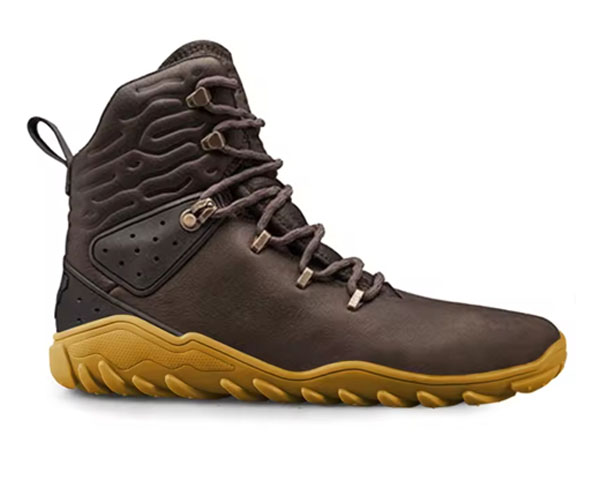
How should waterproofing requirements be verified?
- Define claimed water resistance level, construction type, and sample test scope: Quote, material selection, and approval criteria change by protection target Require written spec covering exposure condition, duration, entry points, and exclusions Sample approval based on vague claim leads to bulk dispute Issue a waterproofing requirement sheet before sample sign-off
- Review seam sealing, gusset height, membrane placement, and lasting path continuity: Leakage usually occurs at stitched joins, tongue openings, or lasting transitions Inspect cut sections, construction notes, and sample internals with factory confirmation Boot passes appearance review but fails wear or water entry checks Approve only after construction points are marked on sample records
- Request laboratory or factory test evidence without treating submission as automatic pass: A report supports review, but method and scope may not match use case Ask for test method, sample condition, result format, and tested construction reference Buyer accepts irrelevant evidence and misses mismatch before production deposit Match submitted evidence against approved specification and intended market claim
- Confirm incoming material check, in-line inspection, and final inspection for waterproofing points: Waterproof performance can degrade after sample stage through process variation Request QC checkpoints for membrane handling, seam treatment, and finished boot inspection Approved sample standard is not maintained in bulk production Add waterproofing checkpoints to pre-production and final inspection plan
Keep these checks in the same approval record: use visual construction review plus agreed water-resistance testing on approval samples: Construction review alone cannot confirm performance under repeated flex or exposure Combine teardown inspection, controlled water test, and documented observation criteria Hidden leakage path is missed until after shipment or market launch Set sample approval to conditional pending method-aligned verification evidence; Assess claim exposure, rework cost, and launch delay if waterproofing remains unverified: Boot waterproof failures create returns, claim disputes, and replacement liability Review market claim wording, inspection evidence gaps, and corrective action feasibility Brand commits to bulk order with unresolved technical and commercial risk Hold written approval and deposit until gaps are closed or claim narrowed.
For any water-resistance or waterproof requirement, define the intended protection level and agreed test before approval. Identify the upper, seams, gusset, any membrane joins and bottom attachment included in the test specimen. Separate pending tests from completed results, and record the conditions, observations and acceptance decision for the specified construction.
Review barefoot shoe OEM and ODM services before sending the RFQ.
For each warning sign, ask what proof resolves it and what correction is needed before the order moves forward.
Which materials and components need cold-weather review?
- Upper, lining, insulation, and moisture management: Cold-weather comfort depends on warmth retention without trapping sweat or delaying drying. Review material spec sheets, wear-test sample, and confirm seam, gusset, and lining build.
- Outsole compound, lug pattern, and flex trade-offs: Winter traction must balance grip, low-temperature flexibility, and barefoot ground feel. Check outsole hardness at low temperature, bend sample manually, inspect lug depth and spacing.
- Eyelets, hooks, reinforcements, and abrasion points: Metal parts and high-wear zones often fail first under wet, cold, abrasive conditions. Inspect hardware attachment, pull-test reinforcement areas, and review toe, heel, and rand coverage.
- Quality control: Cold-weather materials add assembly variation, so approval needs tighter incoming and in-line checks. Confirm incoming material check, in-line inspection, final inspection, and approval record process. Bulk output differs from approved sample in warmth, flex, or component durability.
Keep these checks in the same approval record: verification method: Buyer approval is stronger when test method and pass criteria are defined early. Use material review, sample wear trial, flex check, hardware inspection, and photo sign-off. Subjective approvals create dispute risk during production, inspection, or reorder comparison. The risk is that Unclear winter-use expectations can trigger redesign, delay, or claim exposure after launch. Confirm target climate, use case, upper package, outsole priority, and acceptable flex range. Sample passes internal review but fails end-market traction, warmth, or durability expectations.
For a cold-use boot, review the upper, lining and any insulation against the agreed use conditions. Record material specifications and the sample trial observations for moisture, warmth and flex comfort. Compare outsole bending and traction checks under the agreed conditions. Inspect hardware and reinforcement positions during the trial, record rubbing or damage, and request a revision where the sample does not meet the specification.
Review barefoot shoe manufacturing for indie brands before sending the RFQ.
For each warning sign, ask what proof resolves it and what correction is needed before the order moves forward.
Barefoot boot sample approval checklist
- Check the last, toe-box width, flex location and upper lasting against the agreed boot specification. Review the size-set fitting records, inspect the stitched construction and measure sole drop. Record any mismatch, request a revision and re-evaluate the sample before written approval.
- Request test plan, material swatches, BOM, and signed sample review record: Evidence fields prevent verbal approvals and expose unsupported waterproofing or material claims Match sample materials to BOM, log requested lab tests, file dated approval notes Bulk production may proceed on unverified materials, colorways, or performance assumptions Hold approval until documents and test-request responsibilities are assigned
- Record revision status, approved counter-sample, release date, and production hold points: Change-control fields stop factory and buyer teams using different sample versions Check version code on sample, tech pack, BOM, carton marks, and approval form Uncontrolled revisions can trigger mixed construction, claim disputes, and shipment delays Issue final signed release pack before deposit-backed bulk production starts
- Confirm incoming material check, in-line inspection, and final inspection checkpoints: QC checkpoints reduce scale-up drift between approved sample and mass production output Request factory QC flow, inspection records, defect criteria, and export support scope Approved sample may not represent bulk consistency, causing claims and rework cost Align inspection plan and acceptance criteria in purchase order documents
Keep these checks in the same approval record: use measurement review, wear test, visual inspection, and document cross-check together: One verification method alone misses functional, cosmetic, or document-control nonconformities Compare sample against tech pack, approval comments, size specs, and test requests Partial verification can approve hidden fit, bonding, or specification mismatches Require combined verification sign-off from buying, development, and QA teams; Assess approval exposure if tooling, materials, or construction remain conditionally accepted: Conditional approval often increases reorder variability and claim allocation disputes List open points, owner, closure date, and effect on OEM or ODM timeline Premature release can extend production beyond standard path or require remake costs Approve only with closed critical items and documented residual-risk acceptance.
Review Keytop Barefoot Shoes barefoot shoe factory before sending the RFQ.
Send a boot-ready RFQ
- What written sample approval criteria define fit, flex, outsole, upper, and finish acceptance? Locks the approval standard before quotation, sampling, and deposit-backed production release. Factory requests a signed spec pack and confirms measurable approval checkpoints.
- Which confirmed execution details cover materials, branding, packaging, colorway, size run, and lead-time path? Confirms the factory is quoting the correct construction and production route. Factory restates all execution details, including sample timing.
- How will approved samples be sealed, referenced, and matched on reorders and bulk production? Creates the control document linking sample approval to future production consistency. Factory keeps a signed approval sample, BOM record, and reorder reference standard.
- What barefoot boot OEM or ODM capability supports this construction and required monthly output? Tests whether the supplier can execute the boot build at commercial scale. Factory shows barefoot-focused process, sample development flow, and relevant certifications.
Resolve these questions before approval: what verification method will confirm sample compliance before bulk production starts? Defines how buyer approval converts from visual opinion into a repeatable inspection gate. Factory names sample review, material check, in-line inspection, and final inspection controls. What approval risks remain open after sample sign-off, and who owns each corrective action? Surfaces residual risk before committing deposit, production slot, and launch timing. Factory discloses open points, tolerance limits, and written closure actions before bulk start.
In conclusion
- Quality control: Confirms sample matches approval gate before deposit-backed bulk production starts. Review incoming, in-line, and final inspection checkpoints with sample records. Bulk output may drift from approved boot fit, finish, or construction. Request written QC flow, defect criteria, and approval sign-off format.
- Verification method: Sets objective acceptance rules for barefoot boot sample approval decisions. Measure stack height, confirm 0mm drop, inspect wide toe box, flex, bonding. Approval may rely on subjective comments and create supplier-buyer disputes. Issue a signed sample checklist with pass-fail comments and reference photos.
- Commercial risk: Identifies commercial exposure before confirming custom production at MOQ level. Check unresolved fit, material, labeling, packaging, and outsole performance deviations. Incorrect sample approval can lock defects into 500-pair custom production runs. Hold approval until all open deviations are closed in writing.
- Prevents verbal approvals from becoming undocumented production assumptions. Compare approved sample notes against PO, tech pack, artwork, and packaging files. Factory may produce to outdated specifications or unconfirmed buyer revisions. Send consolidated approval package and require supplier confirmation before deposit.
- Supplier capability: Tests whether supplier can repeat sample quality at production scale. Confirm sample development process, feasibility review, certifications, and bulk inspection controls. Supplier may deliver acceptable samples but inconsistent bulk execution. Request capability proof tied to barefoot boot construction and QC process.
- Specification details: Locks measurable barefoot boot requirements before tooling and material commitment. Confirm stack height 6-8mm, 0mm drop, materials, branding, sizes, packaging. Missing specifications create quote errors, remake cost, and shipment delays. Freeze final specification sheet and attach it to sample approval.
- No documented in-line and final checks for sample-critical boot points: Bulk output may drift from approved fit, flex, sole bond, and finish Require the supplier to map incoming, in-line, and final inspection checkpoints QC checklist covering upper alignment, outsole bonding, zero-drop confirmation, and appearance review Hold approval until the control plan matches the approved sample standard
- Sample approval relies on photos only, without physical verification criteria: Visual approval misses flex behavior, internal construction, and dimensional deviation Set a written verification method before sign-off and define pass-fail criteria Measurement sheet, wear-test notes, flex test record, and approved sample comments Approve only after physical sample review against written specification points
- Supplier asks for bulk approval without written sample sign-off record: Disputes over changes, defects, or liability become difficult to enforce Use written approval referencing version, colorway, materials, and construction details Signed sample approval record with date, revision code, and confirmed material list Do not release deposit-backed production until approval documentation is complete
- Open issues remain after sample comments, but buyer receives no closure log: Unresolved defects can transfer directly into production and delay shipment acceptance Request a comment-by-comment closure report before granting final approval Revised sample photos, correction log, and supplier confirmation for each issue raised Escalate unresolved items and require a corrected confirmation sample if needed
- Supplier cannot explain feasibility limits for materials, tooling, or construction changes: Quoted sample may be unrepeatable at production scale or target quality Test supplier capability through requirement review and material feasibility questions Feasibility assessment, sample development plan, and applicable OEM or ODM production path Shortlist suppliers that can document process controls and repeatability for bulk orders
- Sample spec sheet omits stack height, drop, material callouts, or tolerance notes: Approval standards stay subjective and create mismatch between sample and bulk Issue a complete specification pack with measurable construction and material requirements Approved tech pack showing zero-drop, stack range, materials, color, branding, and packaging Freeze the specification version before bulk quote confirmation and production release
For each warning sign, ask what proof resolves it and what correction is needed before the order moves forward.
Frequently asked questions
What lead time should buyers confirm before approving barefoot boot sample approval checklist?
A sample normally takes 10–21 calendar days after design confirmation, and bulk production is 45–60 calendar days after sample approval and deposit. A retailer should reserve time for fit, material, and any required performance review, then ask the factory to reconfirm lead time after the approved boot specification is frozen.
What MOQ should buyers confirm before approving barefoot boot sample approval checklist?
Custom production is planned at 500 pairs per color per style. Cost drivers include upper and lining materials, outsole route, tooling, testing, branding, packaging, sample revisions, and freight. Ask the quotation to separate fixed development cost from unit cost and confirm which changes would reset MOQ or timing.
Which sample or QC proof should buyers request?
Define climate and use, compare fit and construction with the controlled specification, and require evidence for waterproof, cold-weather, traction, or durability claims that affect the sales promise. The supplier should show how incoming materials, in-line assembly, and final goods will be checked against the approved sample.
Procurement note: Send boot height, intended climate and use, size run, upper and lining direction, waterproofing requirement, outsole target, quantity, branding, and sample acceptance method with your RFQ email. Contact the team.
Primary references
These sources define the test methods and regulatory context referred to in this article.
- EU Directive 94/11/EC — Footwear material labelling — Labelling rules for upper, lining and sock, and outersole materials sold to EU consumers.
- ECHA — REACH Annex XVII restrictions — Current restrictions include substances in consumer footwear and textile components.
- ISO 14021:2026 — Self-declared environmental claims — Requirements and documentation principles for environmental claims on products and packaging.
Leave a Comment
Ask a sourcing question, add your view, or request follow-up from our team.