A barefoot shoe pre-shipment inspection is a lot-specific check of finished or near-finished goods before the buyer authorizes release. It confirms whether the identified production lot matches the approved product, packing, and evidence rules. It does not replace product development, laboratory testing, in-process control, regulatory review, or the commercial terms that decide payment and freight booking.
Use the SHIP-HOLD sequence: Sampling plan and lot identity, High-risk size and color coverage, Inspection of fit, function, and appearance, Packaging and labels, then Hold, Ownership, Lot confirmation, and Decision. The result is not merely “pass” or “fail”; it is a traceable release record tied to one PO, one revision, and one inspected lot.
A requirement review before quotation and a material and construction feasibility check belong upstream. Before inspection, freeze the approved sample or specification, defect classifications, measurement methods, sampling instruction, size-color breakdown, carton plan, and decision owners. If any of those inputs is missing, the inspection can count defects yet still certify the wrong basis.
Key Takeaways
- Define the lot, approved revision, sampling instruction, defect classes, and decision owner before units are selected.
- A passing AQL result does not by itself release a lot; size-color coverage, barefoot-specific checks, packaging evidence, and deviations still matter.
- Keep one evidence index linking every measurement, defect photo, carton, disposition, and reinspection result to the inspected lot.
S — Sampling Plan and Lot Identity
Start by proving which lot is being inspected and how units will be selected. A report cannot support release when the PO, style, color, size range, production quantity, packed quantity, carton range, or approved revision is ambiguous.
The official ISO 2859-1:2026 page identifies the current standard as Edition 3, published in January 2026. ISO states that it replaces the 1999 edition and its amendments, adds skip-lot sampling procedures, and updates guidance for applying sampling strategies. That evolution matters because inherited inspection templates may still cite the withdrawn 1999 basis. The 2026 edition remains a sampling framework, not a universal barefoot-shoe acceptance rule: the buyer still has to approve the lot definition, inspection level, AQL or other acceptance basis, defect classes, switching rules, and any critical-defect rule before selection begins.
Sampling and identity checklist
- Lock the lot: record PO, style/SKU, color, size run, order quantity, available quantity, packed quantity, carton numbers, production location, and inspection date. If the available goods do not match the declared lot, stop and correct the lot record before drawing units.
- Lock the basis: attach the approved sample or signed specification revision, grading chart, material and color references, packaging artwork, and defect classification. An obsolete reference makes every later result unreliable.
- Lock the selection: write the sampling instruction before opening cartons, then record which cartons, sizes, and colors supplied the sample. Do not substitute only clean or convenient units.
- Lock the decision rule: state how critical, major, and minor findings are classified and who can accept a deviation. “Inspector judgment” without the buyer-approved rule is not a release standard.
Stop and reopen the sampling decision when any of these red flags appears:
- The physical carton range or available quantity differs from the declared lot.
- The inspection file points to an unsigned, superseded, or unidentified specification.
- Selected units cannot be traced back to carton, color, and size.
- Defect classes, acceptance limits, or decision authority are still undefined.
Map the lot to the correct barefoot shoe product range before approving inspection inputs.
H — High-Risk Size and Color Coverage
A statistically drawn sample can still leave a commercial blind spot if the inspected units do not show which sizes, colors, cartons, and construction variants were covered. Build a coverage map before judging the lot, then use the map to identify where evidence is thin.
| Coverage question | Proof to attach | Action if absent |
|---|---|---|
| Were the declared colors, materials, and construction variants represented? | Sample-selection sheet tied to carton, SKU, color, and component revision | Expand or redirect selection before release |
| Did the sample expose grading risk rather than only the easiest middle size? | Size coverage against the approved grading chart, including buyer-selected boundaries or priority sizes | Add targeted size checks; do not infer the range from one size |
| Were units drawn across the available carton range? | Carton-selection record and photos showing opened carton identifiers | Redraw from the lot or document why coverage changed |
Figure 1. Coverage proof is separate from the sampling count: both must be visible in the release file.
A practical footwear PSI also checks assortment, product dimensions and construction, function, workmanship, labeling, and packaging; the Pro QC footwear inspection overview is one verified commercial reference for that broader coverage. Use it as a checklist prompt, not as a substitute for the buyer’s approved specification.
Execution-evidence method and boundary
Record one sampled pair under a unique sample ID, then record every observed defect as a separate row with lot ID, PO, SKU, color, size, carton, defect family, severity, photo ID, disposition owner, and reinspection result. Because one pair may contain several observations, a defect-family distribution uses all defect rows as its denominator and must not be presented as a pair-level defect rate.
For comparable lots only, calculate first-pass release rate as lots released at the first inspection divided by lots inspected. Measure inspection decision time from the recorded inspection start timestamp to the buyer’s signed release, hold, or rejection timestamp. Keep reworked lots and first-pass lots distinguishable.
Compare the coverage ledger with the barefoot running shoes manufacturer when the inspected lot uses a running-shoe construction.
RFQ checkpoint
Send your PO, lot identity, size-color breakdown, approved limits, sampling plan, and current inspection evidence for a pre-shipment release review.
I — Inspect Fit, Function, and Appearance
Inspect against buyer-approved methods and limits, not descriptive labels. “Zero drop,” “wide toe box,” or “flexible” names an intended product direction; none proves that the sampled pairs match the signed geometry, construction, or workmanship record.
| Inspection lane | Check and evidence | Hold trigger |
|---|---|---|
| Fit-related geometry | Verify size marking, usable internal length or agreed fit dimension, forefoot space, and heel/forefoot stack relationship with the specified tools and landmarks; photograph the reading and sample ID | Out-of-limit result, wrong method, missing calibration status, or size-range pattern that cannot be explained |
| Construction and function | Compare outsole alignment, bonding, stitching, flex location, fastenings, sockliner seating, left/right construction, and buyer-specified functional checks with the approved reference | Safety-relevant finding, unapproved component, repeated major defect, or test condition that differs from the approved instruction |
| Appearance and pair consistency | Check shade, contamination, scars, glue, symmetry, logo position, finishing, and pair matching under the agreed viewing condition | Defect count exceeds the approved rule or the pair cannot be matched to the same color, size, and revision |
Figure 2. Barefoot-specific geometry is one lane inside a broader construction, function, and appearance inspection.
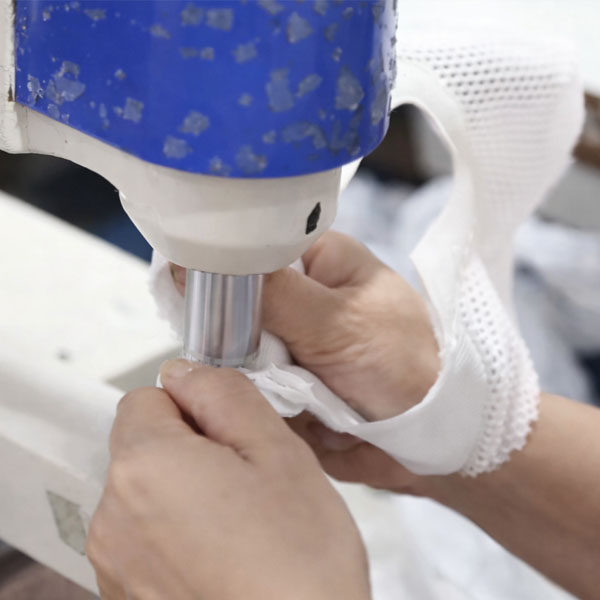
The following images provide process context only and do not prove that a named lot passed inspection.
Footwear inspection references commonly separate dimension and construction checks from workmanship defects; the verified GIS footwear checklist and defect overview provides an external example. The buyer’s signed limits and defect definitions remain controlling.
If one finding suggests a systemic cause—such as the same bonding gap, size label mismatch, or outsole shift across cartons—stop treating it as an isolated cosmetic observation. Ask for containment, root-cause ownership, and a defined reinspection basis before authorizing release. For a development program, connect the inspection handoff to barefoot shoe manufacturing for indie brands.
P — Packaging, Pairing, and Label Verification
A conforming shoe can still become a nonconforming shipment when the wrong left/right pair, size label, carton quantity, barcode, artwork, or shipping mark is packed. Inspect the packed identity chain from shoe to pair, inner box, master carton, and packing list.
Carton identity and pair matching
Open selected cartons and reconcile shoe size, left/right pair, color, SKU, box label, pair quantity, carton number, and packing-list line. Photograph the open carton before rearranging it. Hold the affected carton range when mixed sizes, mixed revisions, or unmatched pairs appear; do not correct the sampled box and assume the rest are sound.
Size, artwork, barcode, and shipping marks
Compare every printed element with the buyer-approved file or data record: product name, size system, SKU, barcode value, color, country or handling marks where applicable, carton dimensions, and logo placement. Scanning a barcode is stronger evidence than checking that bars are merely present. Any regulatory or destination-specific marking still needs separate buyer or compliance approval.
Packing evidence before carton seal
Capture the layer arrangement, protective materials, accessories, count, carton weight or dimensions when specified, seal condition, and final marks. Reconcile packed quantity with the PO and carton plan; a split lot, rework quantity, or changed assortment can alter both inspection timing and the final shipment total. Confirm the inspection and reinspection window before dispatch planning rather than turning the production lead-time promise into an automatic release date.
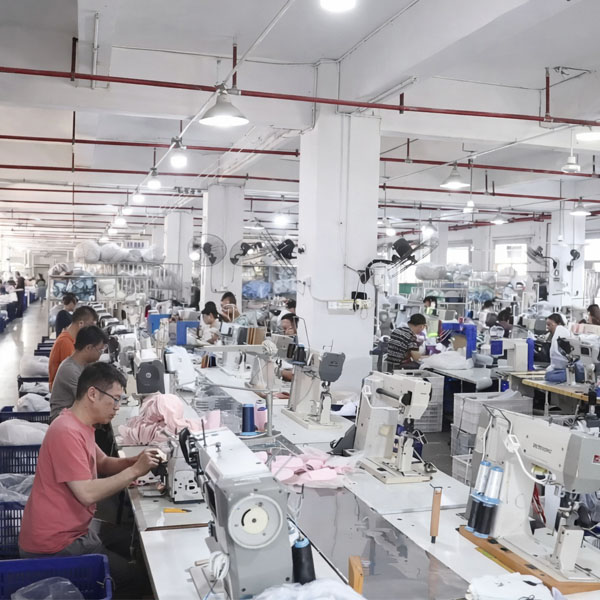
The commercial minimum and production schedule belong in the PO and approved quote. Packaging inspection verifies the actual lot against those records; it does not renegotiate MOQ or excuse a late or incomplete lot. Use the blog for related buyer-control topics.
H/O/L/D — Hold, Ownership, Lot, and Decision
From a factory-side judgment, the lot remains on hold until the final inspection output tells the buyer what happens next, who owns it, which lot the action covers, and what evidence can reopen the decision. A defect list without disposition ownership leaves the shipment in an unsafe gray zone.
Treat the release file as a production approval gate and an approval record: it must preserve the inspected scope, exceptions, owner, and signed outcome.
Buyer questions before the inspection closes
- Which exact PO, lot, carton range, styles, colors, and sizes does this result cover? Require the final report and photo index to answer before release.
- Who classifies defects and who can approve a deviation? Name the inspector, factory corrective-action owner, and accountable buyer approver.
- What containment applies outside the inspected sample? State whether the factory will rework, sort, replace, segregate, or present the lot again.
- What evidence is required for reinspection? Define the corrected scope, new sample basis, closed defect log, and updated photo record.
| Decision | Owner and evidence | Release condition |
|---|---|---|
| Release identified lot | Buyer approver signs the report, deviations, and lot identity | All approved rules are met and no blocking exception remains |
| Rework or full-lot sort, then reinspect | Factory owns containment and correction; inspector verifies the new basis | Corrected scope and reinspection evidence meet the written rule |
| Reject or keep on hold | Buyer records the rejection or unresolved deviation; factory proposes disposition | No shipment release until a new buyer decision is documented |
Hold, reject, or reopen the decision when any of these conditions remains:
- A critical finding, unapproved substitution, or identity mismatch has no accepted disposition.
- The sample or coverage record cannot support the declared lot.
- Rework was performed but the corrected scope and reinspection basis are unclear.
- The factory, inspector, and buyer records disagree on defect count, affected cartons, or approval revision.
A capable supplier makes this evidence retrievable and repeatable; inspect the control record, not a claim of “strict QC.” Keep the final control record with the sourcing file so later orders can retrieve the same evidence.
Conclusion — Release Only the Identified Lot
SHIP-HOLD closes the path from sampling to release: confirm the Sampling plan and lot, map High-risk size and color coverage, Inspect fit-related geometry, function, construction, and appearance, verify Packaging and labels, then record Hold status, Ownership, Lot scope, and the final Decision.
Keep the inspection ledger after shipment. On the next comparable lot, review first-pass release rate, defect mix, repeat findings, rework causes, and reinspection outcomes using the same field definitions. That creates buyer-owned evidence without turning a single inspection or undocumented estimate into a public benchmark.
Send your specs with the PO, lot breakdown, approved limits, sample instruction, current defect evidence, packaging files, and decision owners. Ask for a sample inspection packet through the project contact route before the final lot is presented.
SHIP-HOLD Inspection FAQs
Can a passing AQL result release a barefoot shoe lot by itself?
No. An AQL-based result addresses the agreed attribute-sampling decision for the defined lot. Release still depends on correct lot identity, approved defect classes and limits, required barefoot-specific measurements, construction and function checks, packaging evidence, closed deviations, and the buyer’s authority under the PO.
Which sizes and colors need inspection coverage?
Use the approved lot breakdown and risk map. Record representation across declared colors, materials, carton ranges, and buyer-selected boundary or high-volume sizes; do not assume one middle size represents the entire grade. If the random sample misses a commercially important variant, document targeted supplementary checks and keep them distinct from the formal sampling result.
What evidence should be attached to a hold or release decision?
Attach the signed inspection report, lot and carton identity, sampling and coverage record, measurement sheets, defect log, photo index, approved references, packaging checks, deviation decisions, corrective-action owner, and reinspection result where applicable. The file should let another reviewer reconstruct why that specific lot was held, rejected, reworked, or released.
RFQ handoff: Send your PO, lot identity, size-color breakdown, approved limits, sampling plan, and current inspection evidence for a pre-shipment release review. Send Specs for Review.
Leave a Comment
Ask a sourcing question, add your view, or request follow-up from our team.