Barefoot sandal sample approval checklist becomes difficult to approve when fit, size grading, materials, construction, and packing assumptions are split across different messages.
For barefoot sandal sample approval checklist, supplier review should connect the intended use, last and fit target, materials, sample evidence, and size-run approval in one record.
The sections below turn those decisions into sample checks, supplier questions, and RFQ inputs for footwear production.
What makes a barefoot sandal sample ready for approval?
A barefoot sandal sample is ready only when intended use, strap security, fit, footbed and outsole construction, appearance, and bulk controls are recorded in one approval file. The buyer should also confirm whether the chosen specification stays inside the quoted custom MOQ and cost assumptions.
| Check point | Defect or approval risk | Verification method | Approval standard | buyer follow-up |
|---|---|---|---|---|
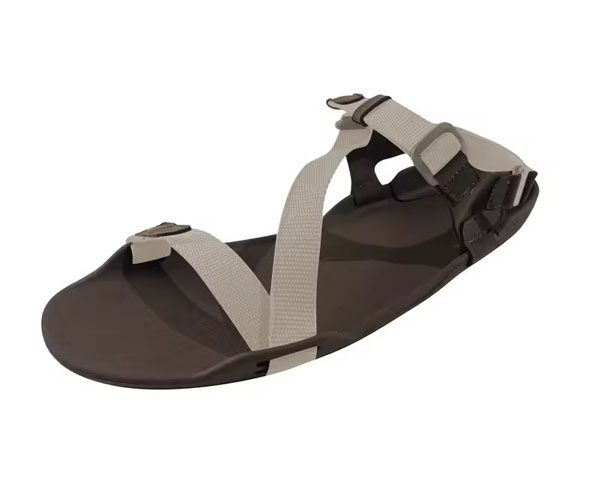
| Intended use and strap route | Wrong strap placement can create movement, pressure, or edge irritation. | Compare anchor locations with the drawing and conduct a wear check across the selected sizes. | Placement, material, width, reinforcement, and left-right consistency are approved. | Revise the strap route or sign the controlled drawing. |
| Footbed, outsole, and bonding | Material or bonding changes can alter flex, grip, feel, and durability. | Check material swatches, thickness, 0mm drop, surface, edge finish, flex, and bonding method. | The sample matches the approved material and construction file. | Request proof or a revised sample before bulk approval. |
| Appearance and branding | Color, logo, label, or packaging may be approved while construction remains open. | Use separate visual and technical sign-off lines. | Artwork, color reference, labeling, and packaging versions are named. | Close artwork changes without treating them as technical approval. |
The RFQ should also cover bulk change control: Attach it to the RFQ and production release.
Approve the intended use and strap route first
Define the user and walking conditions, then verify strap placement and security through measurement and wear checks rather than photographs alone.
Separate cosmetic approval from construction approval
Use separate sign-offs for color and branding, fit and strap route, and footbed, outsole, flex, and bonding.
Record unresolved items before production
Keep open substitutions, test requirements, size comments, packaging details, and commercial impact visible until the factory confirms them in writing.
How should strap anchoring and fit be checked?
- Map strap anchor location, pull angle, and backing reinforcement on sample pair: Incorrect anchor geometry shifts load, twists footbed, and shortens wear life Mark anchor points, apply directional hand pull, inspect hidden stitch or patch reinforcement Strap tear-out, edge distortion, and repeat fit complaints after bulk shipment Require revised pattern or reinforcement spec and approve only updated counter-sample
- Check forefoot pressure, adjustment range, and heel hold during walking trial: Balanced tension must secure foot without hotspots or heel lift Test on target foot forms and live wearers; confirm buckle or hook-and-loop range Pressure marks, unstable gait, high return exposure, and poor size acceptance Reset strap length or placement and request fit comments on revised sample
- Review strap fit progression from smallest to largest approved size set: Graded patterns can change instep tension and heel retention across sizes Compare full size run or key break sizes; measure strap effective length and overlap Good salesman sample but inconsistent bulk fit in larger or smaller sizes Approve only after grading corrections and signed size-set fit confirmation
- Confirm incoming, in-line, and final inspection points for strap assembly consistency: Strap position errors are cheaper to catch before outsole bonding and packing Ask for QC checkpoints, defect criteria, and sample approval control record Mixed-quality shipment, rework cost, and delayed delivery after final inspection failure Add anchoring and fit checkpoints to bulk QC plan and inspection standard
Keep these checks in the same approval record: use visual marking, pull test, wear trial, and size-set review together: Single-method checks miss hidden reinforcement gaps or grade-related fit deviation Record photos, pull direction results, wearer notes, and measured strap tolerances Approval based on appearance only, with bulk performance issues discovered late Issue written sample approval comments with required verification evidence attached; Assess whether strap issues need material change, pattern change, or tooling review: Root cause determines sample timing and bulk readiness under OEM or ODM path Ask factory to separate construction fix from material fix before resubmission Premature approval triggers production defects, delay claims, or disputed responsibility Hold deposit-backed bulk production until written sample approval is completed.
Record strap anchor positions, pull angles and reinforcement details with marked sample photos and the agreed construction specification. During the sample trial, record contact pressure, adjustment range and heel hold. Compare strap length, anchor spacing and closure position across the size set, including the smallest and largest sizes. Resolve the recorded differences before written sample approval.
Anchor position, pull direction, and reinforcement
For barefoot sandal sample approval checklist, use anchor position, pull direction, and reinforcement to compare the physical shoe sample with the approved fit target, construction notes, material specification, and intended use.
Strap pressure, adjustability, and heel security
Add strap pressure, adjustability, and heel security to the RFQ with the last or fit reference, size range, materials, construction details, and sample acceptance criteria so the supplier can return comparable evidence.
Fit changes across the size run
Compare the physical sample with the approved material, zero-drop geometry, width, size grading, and construction notes before bulk production.
Review barefoot shoe product range before sending the RFQ.
RFQ checkpoint
Send your sandal type, strap route, footbed and outsole direction, size run, intended use, material, branding, quantity, packaging, and sample acceptance method for review.
How should footbed geometry and flex be reviewed?
- Confirm toe splay outline, standing platform width, and perimeter edge clearance: Protects barefoot toe function and prevents overhang complaints across size grading Trace foot on sample, load wear test, and measure margin around forefoot Toe crowding, edge contact, size disputes, and sample rework before approval Issue graded width comments and require revised outsole or footbed drawing
- Check forefoot bend point and resistance to manual torsion: Barefoot sandals must flex with metatarsal break without unstable midfoot twisting Hand-flex repeatedly at ball line and compare left-right torsional recovery Gait interference, strap instability, and bulk returns from inconsistent wear feel Approve target flex zone and request material or groove adjustment sample
- Review footbed texture, lining contact, and pressure feel under load: Surface finish affects slip control, skin comfort, and perceived barefoot quality Sockless wear test, damp-foot rub check, and standing pressure feedback review Hot spots, foot slippage, odor retention, and rejected samples after trials Lock top-cover specification and request lining or texture substitution if needed
- Confirm sample matches approved spec through incoming, in-line, and final inspection: Geometry and flex can drift after material changes or line-setting adjustments Review QC records against approval sample and inspect paired size consistency Bulk lot variance, claim exposure, and delayed shipment release due to reinspection Require written approval standard and hold production until QC checkpoints align
Keep these checks in the same approval record: use documented sample sign-off with measurements, photos, and wear-test notes: Written verification reduces interpretation gaps between development and bulk production teams Approve marked sample card, dimension sheet, and buyer comment closure list Uncontrolled revisions, repeated sampling, and supplier-buyer disputes over acceptance criteria Release signed approval pack before deposit-backed bulk production starts; Assess whether unresolved geometry or flex issues justify another sample round: Early approval of borderline samples raises commercial risk in custom production runs Compare open issues against intended market use, tolerance needs, and reorder viability Large-volume nonconformance on 500 pairs per color per style minimums Delay approval, prioritize corrective sample, and reconfirm feasibility by RFQ.
Compare the toe outline and foot platform with the agreed size specification, and record any toe overhang observed during the fit trial. Record where the sandal bends and how it twists using the agreed check method; compare the results with the buyer’s acceptance criteria. Note slippery or abrasive surfaces, heat-related wearer feedback and detectable lining edges. Resolve material or construction changes before approving the bulk specification.
Review barefoot shoe OEM and ODM services before sending the RFQ.
For each warning sign, ask what proof resolves it and what correction is needed before the order moves forward.
Which bonding and finish details require evidence?
- Bond lines, edge lift, and adhesive process controls: Weak bonding drives early delamination, claims, and costly bulk rework exposure. Review sample bond-line photos, edge-flex checks, and adhesive work instructions. Approved sample may pass visually but fail during wear or transit.
- Material preparation and environmental conditions: Surface prep and workshop conditions directly affect adhesive wet-out and cure. Confirm cleaning, roughing, primer use, temperature, and humidity control records. Inconsistent prep causes variable adhesion between sample pairs and production lots.
- Color, edge finish, logo, and packaging consistency: Mismatch against approved standard creates brand inconsistency and receiving disputes. Compare sample to approved swatch, artwork file, edge trim, and pack spec. Bulk goods may be commercially usable but noncompliant with brand presentation.
- Quality control: Defined QC gates reduce hidden variation before deposit-backed bulk production starts. Confirm incoming, in-line, and final inspection checkpoints with acceptance records. Defects shift downstream, raising remake cost and shipment delay risk.
Keep these checks in the same approval record: verification method: Approval decisions need objective evidence, not supplier verbal confirmation alone. Use signed sample, dated photos, measurement notes, and test observations. Ambiguous standards create approval disputes and inconsistent repeat orders later. Convert each finish requirement into a written pass-fail approval checklist. The risk is that Unclear sign-off can lock buyers into nonconforming bulk output at custom MOQ. Check whether approvals are written before deposit and before production booking. For custom barefoot sandals, 500 pairs per color per style may be exposed.
Record gaps, squeeze-out or edge lift in the sample bond line and resolve the observations against the agreed bonding standard. Ask which preparation and processing conditions apply to the actual upper, footbed and outsole materials, and agree the records needed to evaluate repeatability. Compare color, edge paint, logo placement and packaging with the approved reference. Keep unresolved differences on the revision list before sign-off.
Review barefoot shoe manufacturing for indie brands before sending the RFQ.
For each warning sign, ask what proof resolves it and what correction is needed before the order moves forward.
Barefoot sandal sample approval checklist
- Confirm toe-box width, strap placement, zero-drop, and outsole flex on approved sample: Fit and construction errors in samples transfer directly into bulk tooling and QC disputes Wear-test both feet, measure sole thickness, and compare to signed tech pack Bulk pairs may fail barefoot positioning, causing returns, rework, or launch delay Record fit deviations and request corrected confirmation sample before production release
- Capture size-run grading notes, measurement sheet, photos, and wear-test evidence by size: Approval without size-run evidence leaves grading accuracy and fit consistency unproven Review full measurement table, size-set photos, and buyer comments for each checked size Commercial sizes may fit differently, creating imbalance across the ordered size ratio Request size-set confirmation and retain signed evidence file with PO records
- Lock revision number, approval date, approved materials, logo file, and release condition: Change-control gaps cause factory execution against outdated sample, artwork, or material selections Match sample tag, BOM, artwork, and approval email against current purchase specification Unauthorized changes can trigger claim exposure, delay deposit release, and disrupt production planning Issue written sample approval referencing final revision before deposit-backed bulk production
- Confirm incoming, in-line, and final inspection points for sandal-specific workmanship defects: Defined QC gates reduce disagreement over strap bonding, edge finishing, and pair matching Request factory inspection checklist and defect criteria aligned with approved sample standard Undetected workmanship variation may pass internally and surface only at pre-shipment stage Approve defect criteria in writing and require inspection records with shipment file
Keep these checks in the same approval record: use physical sample comparison, measurement check, and documented sign-off for approval: A repeatable verification method limits subjective judgments between buyer, developer, and factory Compare sample to tech pack, BOM, and reference photos under controlled review notes Subjective approval can lead to conflicting standards during bulk inspection and claims handling Adopt one master approval file as the inspection benchmark for production and final QA; Assess approval risk by tooling dependency, custom materials, and unresolved fit comments: Risk grading helps buyers decide whether to release standard production or require another sample loop Review open issues against production path: base-model ODM or full OEM development Premature approval may extend production beyond standard timelines or increase correction cost If risk remains open, hold bulk release and confirm revised sample plan by RFQ.
Review Keytop Barefoot Shoes barefoot shoe factory before sending the RFQ.
Send a sandal-ready RFQ
- What approved sandal specification and acceptance criteria will govern sampling and bulk? Locks construction targets, fit standards, material scope, and pass-fail approval basis. Factory requests tech pack, size set, material notes, and written approval criteria.
- Can the factory confirm sample path, materials, branding, and production execution details? Separates feasible ODM customization from full OEM work and avoids quoting errors. Factory states applicable sample route, lead time range, artwork files, and feasibility limits.
- What sample approval record will control bulk production and future reorders? Creates a production master so repeat orders match the signed reference sample. Factory keeps sealed approval sample, color standard, size comments, and revision history.
- What barefoot sandal capability and order path fits our volume and customization scope? Tests whether supplier can support MOQ, development complexity, and production continuity. Supplier aligns order path to stock or custom MOQ and explains sample-to-bulk process.
Resolve these questions before approval: how will the factory verify fit, material conformity, and inspection before shipment? Verification method shows whether approval depends on evidence, not verbal assurance. Factory confirms material check, in-line inspection, final inspection, and approval documentation. Which approval-stage issues would trigger remake, delay, or reorder instability? Exposes high-impact risks before deposit-backed bulk production begins. Factory flags tooling dependence, special materials, artwork issues, and tolerance-sensitive components. Late-stage changes force sample resets, longer lead times, or inconsistent replenishment.
In conclusion
- Quality control plan covers incoming, in-line, and final sandal inspections: Confirms sample approval standards can transfer into bulk production controls Request QC flow, inspection records, and written sample approval gate Approved sample may not match bulk output or shipment consistency Add mandatory inspection checkpoints and tolerance sign-off to PO
- Verification method uses measured outsole, strap, fit, and flex checks: Prevents approval based only on photos or subjective wear comments Compare sample against tech pack, size spec, and physical measurements Commercial approval may overlook zero-drop or fit deviations Issue a sample review sheet with pass-fail criteria by item
- Approval risk is assessed before deposit-backed bulk production release: Written sign-off reduces dispute exposure on custom barefoot sandal orders Confirm unresolved deviations, substitute materials, and pending labelling items Buyer inherits cost, delay, or claim risk after production starts Hold bulk approval until all deviations are closed in writing
- Buyer follow-up includes corrective actions, revised sample, and approval deadline: Keeps development aligned with purchase timing and production path Track supplier response, remake scope, and updated sample schedule Open issues can slip into production or miss launch windows Set written closure dates and require revised sample confirmation
- Supplier capability matches barefoot sandal construction and custom production scope: Capability fit affects feasibility, repeatability, and MOQ compliance Review material feasibility check, sample process, and custom MOQ terms Factory may accept project but fail on execution consistency Confirm OEM or ODM path and RFQ feasibility before approval
- Specification details define stack height, zero-drop, materials, branding, and packaging: Clear specifications prevent assumption gaps between sample and order Cross-check approved sample with tech pack, artwork, and carton marks Mismatch can trigger remake costs, claim disputes, or shipment delays Freeze final spec pack before deposit and production booking
- No incoming, in-line, and final inspection checkpoints defined for sandal samples: Defects in strap alignment, bonding, or outsole finish may pass into approval Require a written sample QC plan covering material check, assembly check, and final review QC workflow, sample inspection record, defect photos, and approval gate sequence Hold sample sign-off until documented QC checkpoints and defect standards are confirmed
- Supplier relies only on visual review without measurable sample verification criteria: Buyer and factory may approve different fit, flex, or construction standards Set measurable approval criteria for size, weight, sole thickness, and strap positioning Marked-up tech pack, measurement sheet, wear-test notes, and signed approval comments Issue a revision-controlled approval checklist and require factory confirmation before remake
- Sample approved from photos only without physical fit and wear confirmation: Comfort, toe-box shape, flex, and fastening performance may fail in production Approve only after physical sample review, on-foot check, and use-case assessment Couriered confirmation sample, fit test feedback, and signed sample approval record Pause bulk commitment until physical approval is completed in writing
- Buyer feedback is informal and not tied to revision version control: Old comments can be missed, causing repeat defects in the next sample round Consolidate comments by version, point-by-point, with clear accept or revise decisions Revision log, annotated photos, updated tech pack, and sample change summary Send one master comment sheet and require supplier acknowledgment against each item
- Factory cannot explain feasibility review for materials and sandal construction: Unsupported design details can trigger delays, rework, or unstable bulk quality Ask for a pre-quotation feasibility check on materials, construction, and branding details Feasibility feedback, material alternatives, process notes, and sample development scope Shortlist suppliers only after they confirm manufacturability before sample development
- Sample specification omits stack height, zero-drop, materials, or branding details: Approval may cover appearance only, not the functional barefoot sandal requirements Lock full sample specifications including 4-6mm stack height and 0mm drop requirements Complete tech pack, BOM, outsole spec, logo placement file, and packaging brief Do not approve the sample until all specifications match the signed reference
For each warning sign, ask what proof resolves it and what correction is needed before the order moves forward.
Frequently asked questions
Why Do Retailers And Wholesalers Choose custom Sandals?
Custom sandals allow buyers to control fit, strap route, materials, sole feel, branding, packaging, and channel positioning around one approved specification. The approval risk is treating customization as logo placement only; request a sample and written production file that also controls construction, grading, and quality checks.
Which sample or QC proof should buyers request?
Compare the same specification across each production path. Custom production is 500 pairs per color per style; a sample normally takes 10–21 calendar days after design confirmation. Cost drivers include materials, tooling, strap construction, branding, testing, packaging, revisions, and freight, so ask for separate quote lines and exclusions.
What should buyers verify before approving barefoot sandal sample approval?
Check strap anchoring, fit, footbed and outsole materials, 0mm drop, planned stack height, bonding, flex, grip, branding, and packaging against the approved file. Ask the supplier to confirm incoming-material, in-line, and final inspection methods and how any substitution will be submitted for approval.
Ask whether the quoted quantity, sample quantity, and reorder quantity use the same minimum order basis, and record any price tier or bulk-order condition.
Ask the supplier to confirm production lead time after specifications and sample approval are fixed, plus the date when packing and delivery handoff can start.
Procurement note: Send your sandal type, strap route, footbed and outsole direction, size run, intended use, material, branding, quantity, packaging, and sample acceptance method for review. Contact the team.
Primary references
These sources define the test methods and regulatory context referred to in this article.
- ISO 24263:2020 — Attachment strength of straps and accessories — Test method for straps joined to soles, hooks, eyelets and trims.
- ISO 2859-1:2026 — AQL sampling by attributes — Lot-by-lot sampling schemes and acceptance or rejection thresholds.
Leave a Comment
Ask a sourcing question, add your view, or request follow-up from our team.