Kids barefoot shoes private label size needs a written specification before the buyer can plan custom artwork, dielines, samples, finishes, and production handoff; otherwise suppliers may quote different product and approval assumptions.
Private label kids programs need the size run locked before artwork, because a wider size range changes the packaging and the carton.
Buyer summary: For kids barefoot shoes private label size, lock measurable specifications, application constraints, supplier evidence, and the next approval action before comparing options.
Quick Decision: Lock the Custom Order Scope
| Option | Best fit | Trade-off | Risk to avoid | Verification | Follow-up |
|---|---|---|---|---|---|
| Kids barefoot shoes, full private-label size run | Brand launch needing consistent 4mm stack and zero-drop across sizes | Custom production starts at 500 pairs per color per style | Size grading errors can distort toe box fit in small sizes | Check graded last measurements, outsole drawings, and signed fit sample | Approve size curve, colorway, branding placement, and carton allocation |
| Kids barefoot shoes, reduced first size run | Testing demand while limiting SKU spread and inventory exposure | Narrow sizing may reduce reach without lowering custom color MOQ | Unbalanced curve can leave core sizes short during first sell-through | Compare forecast, size curve, and packing ratio before RFQ | Document included sizes and request quote against the narrowed curve |
| ODM base-model kids barefoot shoe with private label | Existing fit platform matches the brief | Changes stay closer to available pattern, sole, and material choices | Too many revisions can push project toward full OEM development | Check sample against 4mm stack, zero-drop, logo, and packaging needs | Mark acceptable base-model limits before opening artwork and swatch approvals |
For kids barefoot shoes, full private-label size run, a poor decision can mean size grading errors can distort toe box fit in small sizes. Ask the supplier to check graded last measurements, outsole drawings, and signed fit sample.
Preserve the kids barefoot shoes, full private-label size run decision under one revision number: keep the supplier response, marked sample, approved specification, quotation, and approval owner together. If the evidence conflicts with the approved record, hold the quote, sample, or production release until the deviation is explained in writing. Once the buyer and designated technical authority have accepted the evidence, carry the signed approval record into the purchase order, production handoff, shipment release, and later reorder review so every team works from the same baseline.
Product, Material, and Construction Choices
Before RFQ handoff, a signed sample approval record must tie the confirmed size run (e.g., EU 19–38) to the last, stacking, and outsole mold. Without this record, production risk increases because material and construction choices remain unverified.
Use this checklist during sample review:
- ☐ Confirm the last matches the target size run and barefoot toe shape.
- ☐ Verify outsole mold dimensions against the size run chart.
- ☐ Approve material stack: upper, lining, insole, outsole.
- ☐ Check stitching and glue points for durability.
- ☐ Sign the sample approval record before bulk production.
For material decisions, ask the factory: “Which outsole compound do you recommend for the EU 19–38 size run, and what is the minimum order quantity per color?”
| Decision | Buyer Verification Question |
|---|---|
| Last selection | Does the last match the target size run and barefoot toe shape? |
| Outsole mold | Are the mold dimensions confirmed for the size run? |
| Material stack | What are the upper, lining, insole, and outsole materials? |
| Sample approval | Is the signed sample approval record ready? |
After the checklist and table, the buyer can hand off the quote request with confirmed specs, reducing production risk and ensuring factory execution aligns with the private label barefoot shoes for ecommerce sellers program.
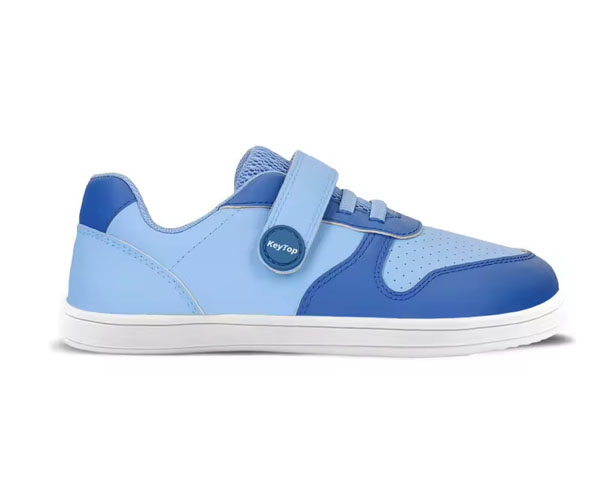
Artwork, Branding, and Packaging Inputs
- Final artwork file for logo placement and colorway labeling: Late artwork edits can trigger reprint, scrap, or packaging mismatch. Buyer brand owner and factory sample room approve the marked sample. Check signed sample photos against print proof and packing artwork. Freeze artwork file before bulk purchase order and inspection plan.
- Packaging dieline, barcode, care label, and carton mark approval: Unapproved packaging changes can delay warehouse release and retailer booking. Buyer operations and factory packaging lead sign the proof. Compare approved dieline with warehouse packing photo before shipment. Send corrected packaging pack only after written buyer approval.
- Path-specific timing for artwork, sample change, and packaging approval: Generic timing hides rework windows and can miss launch bookings. Buyer merchandiser and Keytop Barefoot Shoes project contact approve quoted timing. Require supplier-confirmed timing in the written quotation for each path. Hold deposit approval until quotation states the chosen path timing.
- Change log for kids barefoot shoes branding and packaging decisions: Untracked approvals cause disputed files, wrong cartons, and chargeback exposure. Buyer sourcing owner signs after finance and brand checks close. Match every change request with date-stamped written approval record. Issue one consolidated approval note before sample sign-off moves forward.
Sample Approval and Change Control
During quote review, you need a signed sample approval record that ties the kids barefoot shoes private label size run artwork, size grid, and finish specifications to a single sample revision. Without this, a supplier can approve a visual sample while the bulk order drifts on size grading, logo placement, or material substitution. The checks below turn that risk into a shortlist decision.
- Confirm the size run and artwork file are locked before sample production. Request the supplier to confirm the exact size range (e.g., EU 19-38), logo placement, and finish method (embroidery, screen print, or heat transfer) in writing. The risk of skipping this step is a sample that fits the wrong size grading or uses the wrong branding file, requiring a second round and delaying the quote.
- Request a physical sample with a signed measurement sheet for the exact size and construction submitted. In the sample room, the QC team should verify stack height, zero-drop, toe-box width, and closure alignment against the approved spec. If the records reference a different batch or last, hold the shortlist decision until the evidence is reconciled.
- Document the approval decision in writing: mark the sample ID, revision number, deviations (if any), and the name of the person who approved it. The supplier should provide a dated sample approval form. Keep this record with the quote request so the same checks support reorder and production handoff.
- Establish a change control rule: if artwork, material, size, or finish changes after sample approval, the supplier must reopen the affected checks and provide a revised sample or written deviation approval. Do not allow a verbal change to become the production baseline.
Carry the signed record into the custom barefoot shoe development process so bulk inspection uses the approved revision. Advance only suppliers whose evidence identifies the reviewed footwear and responsible owner.
Cost, MOQ, and Lead-Time Trade-Offs
- Approve size-run specification sheet: Confirmed EU 19–38 size run, stack height, and material for kids barefoot shoes. Signed specification sheet with approved size-grading and construction notes. Missing size-run approval causes rework and sample delays. File approved spec with quote request package.
- Verify MOQ and cost per size bracket: Quoted quantity per color per style for custom production. Quotation showing cost per pair by size bracket and total MOQ. Under-ordering a size bracket triggers production imbalance. Compare quote against budget and adjust size-run quantities.
- Confirm production timeline: Selected production path: ODM base model or full OEM tooling. Written timeline with path-specific milestones and approval gates. Generic lead-time claims hide tooling or material delays. Request supplier-confirmed timing in written quotation.
- Document quality control checkpoints: Approved sample and inspection criteria for smallest and largest sizes. QC plan with in-process and final inspection points per size. Missing QC checkpoints per size can lead to fit failures across the run. Review QC plan before deposit release.
- Review cost driver assumptions: Material grade, sole mold, and packaging specifications. Cost breakdown showing material, tooling, and labor per pair. Unverified cost drivers inflate final invoice. Cross-check cost drivers against approved spec sheet.
RFQ Handoff and Supplier Questions
- Can the supplier produce the target size run (e.g., EU 19–38) for kids barefoot shoes with consistent last grading? Ensures the factory has the molds and tooling to scale each size without proportion drift. Supplier provides a size-grading chart and confirms last availability for all requested sizes. Inconsistent grading leads to fit failures, returns, and brand reputation damage. Request a size-run sample set covering the smallest and largest intended sizes.
- What is the supplier’s MOQ per size per color for custom kids barefoot shoes? Confirms whether the order volume aligns with your budget and inventory plan. Supplier states 500 pairs per color per style for custom production, with mixed-size flexibility. Hidden per-size MOQs can force overstock or unplanned minimums. Document the minimum order breakdown in the quote request and confirm in writing before sample approval.
- Does the supplier have a written sample approval process before bulk production? Prevents production start without buyer sign-off, reducing costly rework. Supplier provides a sample approval form and requires signed record before deposit. Missing approval gate can lead to off-spec product and delayed delivery. Require a signed sample approval record as a condition for bulk production release.
- How does the supplier verify sole adhesion and material durability for kids barefoot shoes? Kids’ footwear demands higher abrasion and peel resistance to withstand active use. Supplier performs peel tests and abrasion checks on each production lot. Weak adhesion causes sole separation, safety hazards, and liability claims. Request test reports for peel strength and abrasion resistance before bulk order.
References: ISO 2859-1 sampling procedures for inspection by attributes; Private Label Kids Shoes Manufacturing Guide 2026.
In conclusion
A private-label kids barefoot shoe program is ready for quote request only when the size run, construction, materials, artwork, packing, and approval route are written into one buyer specification. Ask the supplier to map its grading record to the target sizes, then review a representative pre-production sample at both ends of the planned size range. The buyer check should cover internal length and width, zero-drop construction, flexibility, toe shape, material callouts, workmanship, labeling, and packing against the approved record.
Use kids barefoot shoes as the commercial route when the supplier can return a quote, size-run evidence, and a named sample approval owner. Treat material choice, size coverage, construction, artwork, packing, quantity, and the level of customization as quote drivers to confirm, not as assumed prices. If any proof conflicts with the specification, revise the quote request or keep the supplier off the shortlist; if it aligns, lock the approved sample and revision before bulk production.
Frequently Asked Questions
What inputs should buyers confirm for kids barefoot shoes private label size?
It depends on the size run range you target, typically EU 19–38 for children. Check the supplier’s existing last shapes and width options to confirm they match your intended age group, and compare the cost per pair across the full size curve before requesting a quote.
What sample evidence is needed for kids barefoot shoes private label size?
Request a full size-run sample set covering the smallest to largest EU sizes you plan to offer. Verify the zero-drop sole thickness, toe-box width, and insole length against your spec sheet, and document any fit deviations in a sample approval record before moving to production.
What should be included in a kids barefoot shoes private label size RFQ?
Your quote request should list the target size run (e.g., EU 19–38), stack height (4mm for kids barefoot shoes), drop (0mm), and material requirements. Include the minimum order per color per style, confirm lead time for custom production, and ask the supplier to specify their sample approval process and QC checks for each size.
What is your MOQ?
For custom kids barefoot shoes, the minimum order is 500 pairs per color per style.
Who is private label right for?
Private label is right for buyers who want to sell kids barefoot shoes under their own brand without developing a new shoe from scratch. You should have a confirmed size run, a sample approval record, and a signed quote request that ties your spec, cost, and lead time expectations before placing a deposit.
quote request handoff: Send Specs for Review.
Leave a Comment
Ask a sourcing question, add your view, or request follow-up from our team.