A custom barefoot shoe material specification must be written down before the buyer can decide whether the material fits the use case, specs, MOQ, sample approval path, and supplier quote process; otherwise suppliers may quote different product and approval assumptions.
Material choice on a barefoot shoe is judged by flexibility retained after wear, not by how the spec sheet reads at cutting.
Buyer summary: Use custom made barefoot shoes material specification only after its specification, application fit, sample route, quantity rule, and supplier exceptions have been confirmed in writing.
Top Picks at a Glance
Compare the rows below against one RFQ revision. Each row should identify the requirement, approval evidence, and buyer action before production.
| Requirement | Factory control | Evidence to verify | Order risk | RFQ follow-up |
|---|---|---|---|---|
| Material / substrate | Incoming material check against approved swatch and specification sheet. | Cross-reference supplier mill certificate with approved material swatch. | Substandard or substituted material alters fit, durability, or zero-drop properties. | Request swatch card and mill certs before sample approval. |
| Sample approval | Written sample sign-off required before deposit-backed bulk production. | Compare fit, material, and construction against approved spec and reference sample. | Bulk production without signed sample approval may deviate from agreed spec. | Approve sample in writing and retain one sealed reference pair. |
| MOQ and order quantity | Custom production: 500 pairs per color per style. | Confirm MOQ in quote and verify order quantity matches production path. | Under-ordering or mixing colors below MOQ stalls production or triggers repricing. | Check MOQ for your order type and confirm quantity before RFQ close. |
Read the rows as one approval sequence. Start with material / substrate because substandard or substituted material alters fit, durability, or zero-drop properties. Verify it by asking the supplier to cross-reference supplier mill certificate with approved material swatch. Then resolve sample approval: bulk production without signed sample approval may deviate from agreed spec, so approve the sample in writing and retain one sealed reference pair. Finish with MOQ and order quantity: confirm MOQ in the quote, verify that the order quantity matches the production path, and check the MOQ for your order type before the RFQ closes.
For a barefoot-shoe program, number the last drawing, outsole stack specification, material swatch card, and sealed fit sample as one SPEC-LOCK revision. A change to toe-box geometry, zero-drop construction, upper stretch, or outsole compound opens a new approval round; the buyer records the affected SKU and signs the revised reference before cutting begins. The purchase order should cite that SPEC-LOCK revision so production and reorder teams compare the same physical and dimensional baseline.
ISO 2859-1 provides sampling procedures for lot-by-lot inspection by attributes. For production approval, align the inspection plan with ISO 2859-1 sampling procedures. Pantone’s physical Formula Guide is a production reference for spot-color specification and approval. Where color is specified, approve it against a physical Pantone Formula Guide rather than an on-screen value.
How We Evaluated the Options
| Option | Best fit | Trade-off | Risk to avoid | Verification | Follow-up |
|---|---|---|---|---|---|
| Full-grain leather upper | Durable, breathable barefoot styles requiring natural material and premium feel. | Higher material cost and longer sourcing lead time compared to synthetics. | Substituted leather grade or finish can alter fit, breathability, or zero-drop geometry. | Cross-reference supplier mill certificate with approved swatch and measure thickness against spec. | Approve swatch in writing and retain sealed reference before production. |
| Microfiber synthetic upper | Lightweight, vegan-friendly runs with consistent color and lower unit cost. | Reduced abrasion resistance and shape retention versus leather. | Out-of-spec stretch or thickness can cause lasting defects and uneven toe-box. | Check thickness gauge reading and stretch test report against tech pack. | Sign off on first production roll and keep photo of tension test. |
| Rubber outsole compound (4mm stack) | Trail or running barefoot shoes requiring ground feel and grip on varied terrain. | Limited abrasion resistance for high-mileage use; may wear faster than 6mm compound. | Incorrect durometer changes flexibility, grip, and stack height measurement. | Request durometer test certificate and flex sample matched to approved compound spec. | Confirm compound formula in writing and approve first outsole sample. |
| Zero-drop lasting board construction | Any barefoot shoe where 0mm heel-to-toe drop is a non-negotiable spec. | Requires specialized lasting board and skilled labor; longer setup on new patterns. | Incorrect board thickness or lasting method can introduce unintended drop. | Measure lasted upper on a zero-drop gauge and compare to approved last specification. | Approve first sample before bulk, document board thickness and lasting method. |
For full-grain leather upper, a poor decision can mean substituted leather grade or finish can alter fit, breathability, or zero-drop geometry. Ask the supplier to cross-reference supplier mill certificate with approved swatch and measure thickness against spec, then approve swatch in writing and retain sealed reference before production. For microfiber synthetic upper, a poor decision can mean out-of-spec stretch or thickness can cause lasting defects and uneven toe-box. Ask the supplier to check thickness gauge reading and stretch test report against tech pack, then sign off on first production roll and keep photo of tension test. For rubber outsole compound (4mm stack), a poor decision can mean incorrect durometer changes flexibility, grip, and stack height measurement. Ask the supplier to provide durometer test certificate and flex sample matched to approved compound spec, then confirm compound formula in writing and approve first outsole sample.
Use a barefoot material decision record that links each upper, lining, lasting-board and outsole option to the approved swatch or component sample. If a supplier proposes a substitute, require a marked comparison showing which fit, flexibility, bonding and appearance checks must be repeated. Release the alternative only after the buyer updates the component code and signs the comparison; otherwise the original specification remains controlling.
RFQ checkpoint
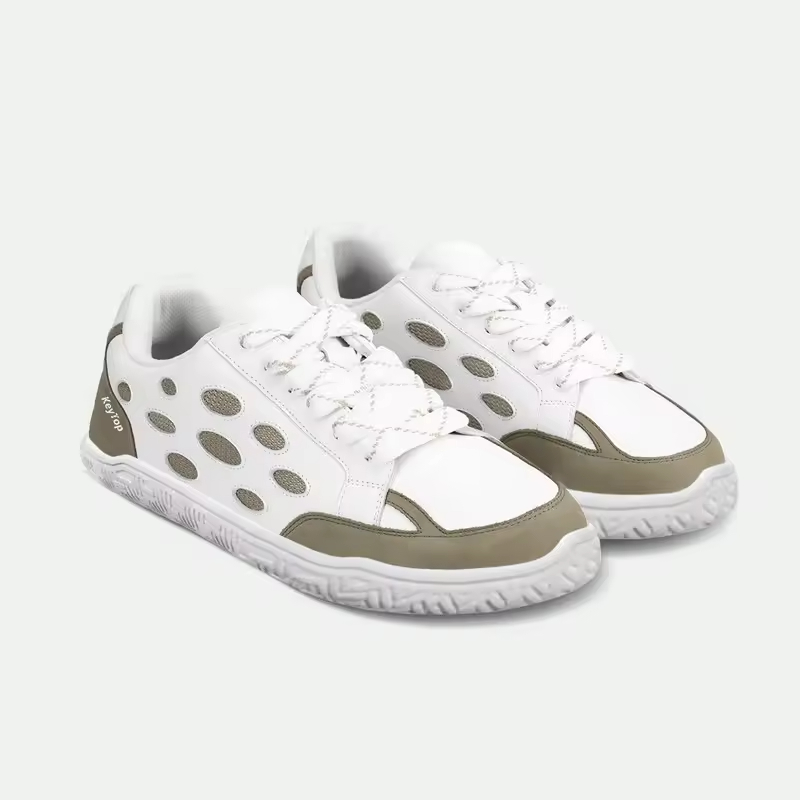
Best Overall Recommendation
- What is the written sample approval process before bulk production? Bulk production without signed sample approval may deviate from agreed spec. Supplier confirms they require a signed approval on a sealed reference sample before production starts. Proceeding without approval can result in color, material, or geometry differences not caught until final inspection. Approve sample in writing and retain one sealed reference pair; document revision number.
- What is the minimum order and lead time for custom barefoot running shoes with your specified material? Minimum order and lead time affect order planning and cash flow. Supplier states minimum order of 500 pairs per color per style and lead time of 45–60 days for bulk production after sample approval. Assuming lower minimum order or shorter lead time can delay production or require renegotiation. Confirm minimum order in quote and verify lead time with supplier's production schedule before quote request close.
- How is the outsole compound durometer verified against the tech pack? Incorrect durometer changes flexibility, grip, and stack height measurement. Supplier provides durometer test certificate and a flex sample matched to the approved compound spec. Without verification, outsole may be too hard or too soft, affecting performance and safety. Request durometer test certificate and flex sample; confirm compound formula in writing.
- What is the procedure if the material certificate does not match the approved swatch? Non-conforming material can cause production delays and quality issues. Supplier has a written deviation procedure: they halt production, notify buyer, and provide corrective options. Ignoring a mismatch can lead to bulk production with wrong material, requiring rework or rejection. Hold production until supplier explains deviation in writing; approve corrected material or reject and reorder.
Best Value Recommendation
At this checkpoint, ensure you have a finalized material specification sheet that includes verified supplier proof for each component.
Supplier proof to verify
Keytop Barefoot Shoes, a Jinjiang-based B2B OEM/ODM manufacturer, provides material test reports and factory audits upon request. Verify that the supplier can deliver consistent quality for custom made barefoot shoes, balancing cost and production risk.
Use cases that fit
For casual wear, full-grain leather offers durability; for athletic use, lightweight mesh reduces production risk. Match material specs to the intended use case to optimize cost and factory execution.
RFQ and sample checks
In your quote request, specify material type, thickness, and sustainability requirements. During sample handoff, check for stitching consistency and sole flexibility. This ensures the factory can execute the custom made barefoot shoes material specification accurately. Learn more about our barefoot shoe manufacturing for indie brands.
Buying Guide
Choose a supplier that backs every material claim with visible evidence. The shortlist depends on documented proof—mill certificates, test reports, sealed reference samples. Verify this before requesting a quote.
Decision criteria to confirm
- Check whether the supplier provides a mill certificate for each upper material, a thickness gauge reading, and a durometer test for the outsole.
- Risk: substituted material alters fit and durability.
- Verification: request these documents with the quote request and compare against the approved swatch.
- shortlist only suppliers that supply written evidence with the first quote.
RFQ details to send
- Include material type, thickness tolerance, test method, minimum order, and lead time in the quote request.
- Ask the supplier to confirm these in writing and provide a sample development timeline.
- Verification: cross-check the response against the tech pack.
- hold the quote request until every spec field is closed with a named evidence owner.
Production handoff details
- Approve the sample in writing and retain a sealed reference pair before bulk production.
- In the sample room, compare the physical sample against the approved tech pack and record any deviation.
- Verification: require incoming material inspection, in-line QC, and final inspection that reference the same revision.
- sign the sample approval record and link it to the purchase order.
For additional sourcing controls, review the blog before closing the quote request. Use the shoe tech pack checklist to structure your quote request inputs.
In conclusion
The final approval for your custom barefoot shoes material specification rests on having a sealed reference sample, a signed approval record, and supplier-issued test certificates for each component. Before production begins, cross-check the mill certificate, thickness gauge reading, durometer test, and flex sample against your tech pack, then document the revision number and approval owner. This synthesis closes the procurement loop: every material claim must be backed by verifiable evidence, and every deviation must be explained in writing before the order proceeds.
Keytop Barefoot Shoes, a Jinjiang-based barefoot-only OEM/ODM manufacturer, supports this approval workflow with material test reports, sealed reference samples, and a named project contact from sample to bulk shipment. To move forward, shortlist a supplier that can deliver this level of documented proof and commit to zero-drop, wide-toe-box construction from the first sample.
To shortlist a supplier, visit custom barefoot shoe development and confirm the final specification, quote assumptions, sample approval, QC evidence, approval risk, and supplier follow-up before bulk order.
Frequently Asked Questions
What should buyers confirm before ordering custom made barefoot shoes material specification?
Buyers must confirm material type, thickness tolerance, and test method against their approved tech pack before ordering. Unless the supplier provides a mill certificate and sealed reference sample, the buyer should verify these during sample development. For custom production, minimum order is 500 pairs per color per style. Samples take 10–21 days; bulk production takes 45–60 days after sample approval. Select a supplier with zero-drop experience and approve the sample in writing to reduce risk.
How should buyers compare MOQ, lead time, and quote terms?
Buyers should compare minimum order per color per style, lead time based on sample approval, and payment terms from the quote request. The custom minimum order is 500 pairs per color per style. Lead time for samples is 10–21 days, and bulk production 45–60 days after sample approval. Verify factory experience with zero-drop and confirm material specs and unit costs in the quote to avoid later changes.
What sample, quality, or supplier checks reduce risk?
Request a sample—samples take 10–21 days—and approve it in writing before bulk production. Unless the supplier provides inline and final inspection reports, the buyer should arrange a third-party inspection. Compare the sample against your material spec sheet and retain a sealed reference pair. Audit the factory for ISO 9001 certification or an amfori BSCI audit report to reduce supplier risk. Confirm production lead time after specifications and sample approval are fixed.
quote request handoff: Send Specs for Review.
Leave a Comment
Ask a sourcing question, add your view, or request follow-up from our team.