
Wholesale barefoot shoes distributor reorder becomes difficult to approve when fit, size grading, materials, construction, and packing assumptions are split across different messages.
For wholesale barefoot shoes distributor reorder, supplier review should connect the intended use, last and fit target, materials, sample evidence, and size-run approval in one record.
The sections below turn those decisions into sample checks, supplier questions, and RFQ inputs for footwear production.
Distributor reorder route: hold requirement review before quotation for the SKU and size mix, complete a material and construction feasibility check on every changed style, use sample development before bulk production for new revisions, and keep written sample approval before deposit-backed bulk production in the reorder file.
Set the procurement decision and approval boundary
Build a distributor assortment from controlled product families and reorder rules, not from a collection of attractive samples. The first decision is which variables may differ by model and which baseline should remain consistent.
| Specification | Quality control | Verification method | Risk to avoid | Buyer action |
|---|---|---|---|---|
| Fit and last baseline | Name the fit reference and size logic used for each family | Compare labeled wear samples and the approved measurement record | Mixed fit assumptions can increase returns and make reorders inconsistent | Group only models whose fit basis is documented |
| Outsole and flexibility route | Record the outsole identity, stack construction, and intended flex behavior | Flex and wear the physical sample using the agreed check method | A visually similar sole can behave differently in use | Retain the approved sole and construction reference |
| Upper and seasonal use | State material package, lining, closure, and intended selling season | Inspect the sample and supplier material record under the same revision | Unclear seasonal positioning can create the wrong inventory mix | Mark each model as confirmed, alternative, or open |
| SKU and colorway structure | List model, color, size run, label, and pack as separate controlled fields | Reconcile the assortment sheet with sample labels and returned quote lines | Duplicate or missing variants can distort quantities and reorder records | Issue one signed assortment revision to all bidders |
| Retail and shipping pack | Define unit labels, pair orientation, inserts, protection, and carton identification | Open and inspect a packed sample for each pack route | Inconsistent packs create relabeling and receiving work | Attach the accepted pack record to the order handoff |
Ask suppliers to answer against the same assortment revision and expose proposed substitutions. Shortlist a route only when its sample identity, returned line item, approval owner, and buyer follow-up can be traced together.
Use the Set the procurement decision and approval boundary table as a decision aid for this H2 only. Select the rows that change the choice, record the proof needed for approval, and leave unrelated commercial topics to their assigned sections.
Confirm buyer-owned specifications before supplier review
- Compare the production sample to the signed spec sheet and fit test record. Sample approval without written evidence or deviation log cannot be enforced at bulk production. Supplier provides a marked sample, signed spec sheet, and fit test result under the same RFQ revision. Bulk production may proceed against an unapproved sample, causing geometry or fit rejection. Hold quote and sample release until the supplier explains any deviation in writing.
- Verify that the material data sheet and supplier declaration match the approved material specification. Unapproved material substitution affects durability, flexibility, and barefoot shoe performance. Material data sheet and supplier declaration are submitted and match the approved spec. Substituted material may fail during wear testing or cause batch rejection at pre-shipment inspection. Request material data sheet and supplier declaration before approving first production sample.
- Check that the finish or color matches the color standard and spectrophotometer reading. Visual comparison alone cannot guarantee color consistency across production lots. Supplier provides a spectrophotometer reading and color standard that match the approved sample. Color deviation may cause customer returns or brand inconsistency in reorder lots. Request color standard and approve first production sample before bulk production.
- Confirm that the lot identity, PO, style, color, size range, and approved revision are unambiguous. A pre-shipment inspection cannot certify release when the lot basis is ambiguous. Supplier provides a coverage map showing which sizes, colors, and cartons were inspected. Inspection may certify the wrong lot, causing shipment of non-conforming goods. Verify lot identity and coverage map before authorizing shipment release.
Use barefoot shoes to align the related specifications and RFQ inputs.
RFQ checkpoint
Ask B2B buyers to share product category, target quantity, market, timeline, and reference files for a practical quote.
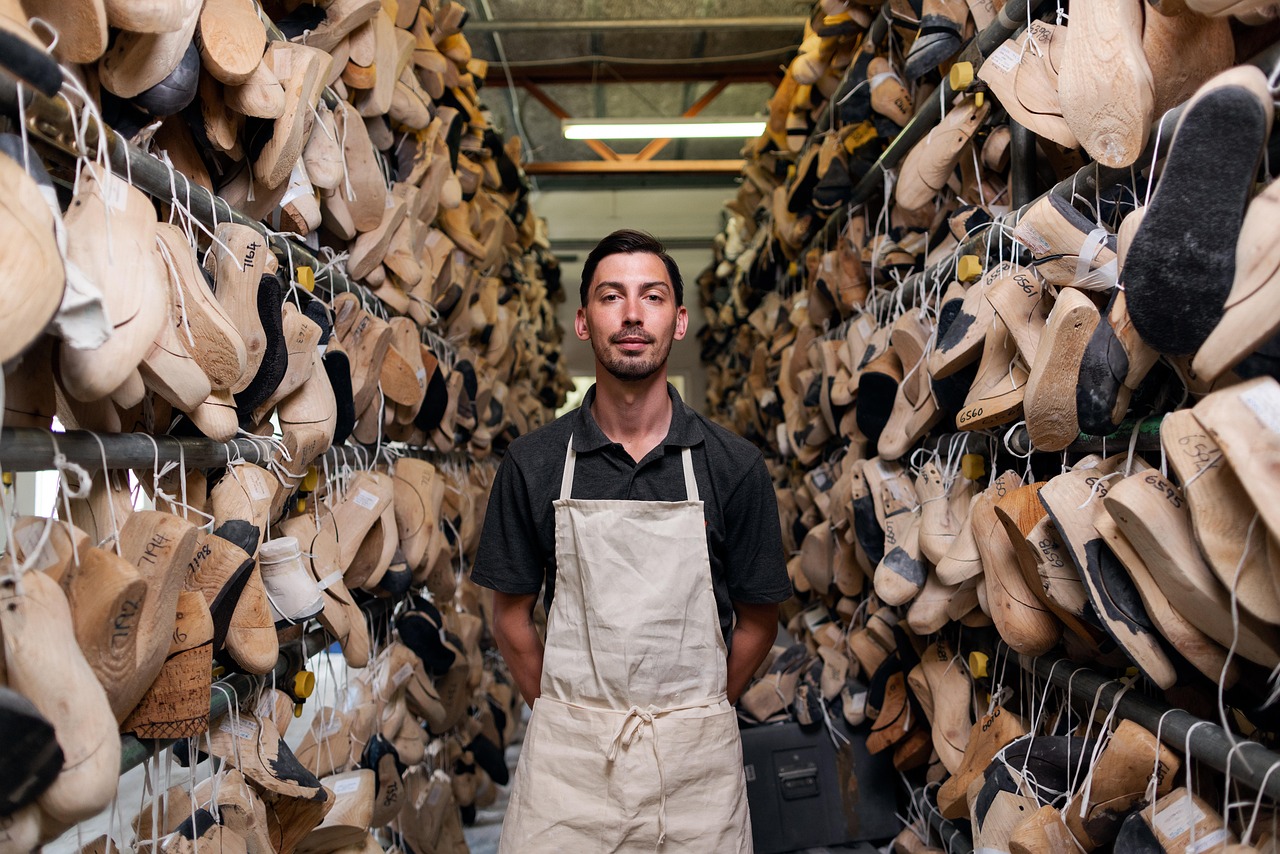
Build the distributor assortment record
- Verify the approved sample revision number matches the reorder request. The quote is only comparable when the version, sample, and packing details are locked to one revision. Request a signed measurement sheet and material certificate for the exact revision submitted. Supplier can quote one capability while the sample proves another, and the buyer absorbs the mismatch cost. Shortlist only suppliers who can produce a signed measurement sheet and material certificate for the exact revision.
- Confirm the production lead time for the reorder against the approved sample timeline. Standard production lead time is 30 to 45 calendar days after sample approval and deposit; stock orders ship within 7 days. For custom production, lead time is 30-45 days; for stock styles, 7 days after confirmation. Unverified lead time assumptions cause missed retail windows and distributor backorder penalties. Request the supplier to confirm the applicable production path and lead time in writing.
- Document the MOQ for the reorder based on the product type and customization level. Custom production requires 500 pairs per color per style; stock styles range from 50 to 100 pairs subject to inventory. For custom barefoot shoes, MOQ is 500 pairs per color per style; for stock styles, 50-100 pairs. Ordering below MOQ delays production or triggers unplanned tooling charges. Confirm the product type (stock vs. custom) and verify the MOQ with the supplier before issuing the RFQ.
- Check that the QC evidence—material certificate, flex test, and fit-test record—ties to the approved sample revision. A visual pass without these documents is not approval; it is a reference that cannot protect the bulk order. Request a signed measurement sheet, material certificate, and change-control log for the exact revision. Unapproved material substitutions affect durability or flexibility, leading to returns or chargebacks. Require incoming material inspection, in-line QC, and final inspection that reference the same revision.
Review barefoot shoes manufacturer.
Request supplier evidence without assuming capability
A comparable quote for wholesale barefoot shoes distributor reorder starts with a signed sample approval record that ties the approved construction, material, and finish to one revision. Without this record, a supplier can quote one capability while the sample proves another, and the buyer absorbs the mismatch cost.
Request a signed measurement sheet and material certificate for the exact sample revision submitted. If the records reference a different batch or compound, hold the shortlist decision until the evidence is reconciled. In the factory sample room, the QC team should produce a flex test certificate and color-standard comparison for the same revision. Verify that the supplier maintains a written change-control gate: any material substitution, tooling adjustment, or process change after sample approval requires written buyer re-approval. Carry the signed evidence file into the custom barefoot shoe development process so the same checks support quote comparison, sample approval, and later reorders.
Review quote or sample evidence before approval
Before sampling, the shortlist-ready evidence file should tie each approved spec—material, construction, finish, and packing—to a single sample revision. Without this file, a supplier can quote one capability while the sample proves another, and the buyer absorbs the mismatch cost on reorder.
Acceptance points are the documented checks that confirm the sample matches the approved spec. Unresolved risks are the gaps that remain open—unapproved material substitutions, missing measurement sheets, or a change-control log that does not name the revision. A sample that passes visual inspection but lacks a signed measurement sheet or material certificate is not approved; it is a visual reference that cannot protect the bulk order.
- Verify the sample revision matches the RFQ revision. If the sample tag references a different batch or compound, hold the shortlist decision until the supplier reconciles the evidence in writing.
- Request a signed measurement sheet and material certificate for the exact sample submitted. Compare the recorded dimensions and material codes against the approved spec sheet; any deviation signals a cost driver or production risk that should be resolved before approval.
- In the factory sample room, the QC team should produce a flex test certificate and color-standard comparison for the same revision. If the records reference a different test method or color standard, the buyer should decide whether to accept the deviation or request a revised sample.
- Document every unresolved risk—missing evidence, unapproved substitution, or open deviation—in the approval record. Assign a named owner and due date for each open item before releasing the sample for bulk production.
Carry the signed approval record into the purchase order and production handoff. For related sourcing controls, review the blog for additional buyer checklists.
Freeze changes for bulk production or repeat orders
The quote is only comparable when the version, sample, SKU, and packing details are locked to one revision. Without this freeze, a supplier can quote a prior spec while producing from a later change, and the buyer pays for the mismatch on reorder.
Document every change to material, construction, color, or packing against the original approved sample. If the supplier substitutes a compound or adjusts a tool, require written re-approval before bulk production. In the factory sample room, the QC team should produce a signed measurement sheet and material certificate for the exact revision. The risk to avoid is accepting a visual sample that drifts on size grading or logo placement. Verify by comparing the production sample to the signed spec sheet and fit test. Carry the frozen record into the RFQ so the same checks support reorder.
Prepare a comparable RFQ and handoff record
Before production release, the RFQ and handoff record should lock every buyer input that affects price, sample timing, or approval risk. Without this freeze, a supplier can quote one specification while the bulk order proves another, and the distributor absorbs the reorder mismatch cost.
Buyer inputs to send to the supplier
Send these inputs as one controlled file so the factory can answer on the same basis. Each missing field creates a gap that the supplier will fill with its own assumption, making quotes non‑comparable.
- Style‑color‑size grid and reorder quantity per line. The supplier prices material, tooling, and labor differently for each variant. Without a line‑level grid, the quote may cover only the most common size, leaving cost gaps for less‑ordered sizes.
- Approved sample revision and signed measurement sheet. The sample is the reference for geometry, fit, and finish. The measurement sheet proves that the production sample matches the approved spec.
- Material, construction, and finish specifications with supporting test certificates. Unapproved material substitution changes durability, flexibility, and color. Send the approved material swatch, upper‑lining‑outsole stack, and any required flex or abrasion test result.
- Artwork, branding, and packaging specs with signed approval. Logo placement, label type, retail box design, and packing method affect tooling cost and production lead time. Include the approved artwork file, dieline, and packaging mock‑up.
Additional RFQ items include destination, delivery terms, and QC inspection method. The quote should state the incoterm, port, and final delivery point. Also specify the inspection standard (AQL, defect classes, sampling plan) and whether the buyer will use a third‑party inspector.
Carry this frozen record into the wholesale RFQ so every supplier answers the same baseline. If any input changes after the quote, reopen the affected line and request a revised price or lead time before production approval.
Use wholesale for the applicable product specifications and RFQ inputs.
Record the handoff decision
Keep the controlled input revision, open exceptions, evidence received, approval owner, and buyer follow-up in the same handoff record. This lets procurement compare the supplier response against the approved baseline before quote, sample, or production release.
Buyer questions about wholesale barefoot shoes distributor reorder
Quote drift starts when a supplier answers a different revision than the one the buyer approved. The control is a written sample approval record that ties every spec—material, construction, finish, and packing—to one revision before the RFQ is issued.
What must be confirmed before quotation?
Confirm the exact product revision, material type and source, construction method, color or finish standard, packing specification, and artwork status. Each missing input lets the supplier assume a baseline, making quotes non-comparable. The risk is a price that looks competitive but covers a different shoe. Verify by requesting a signed spec sheet and material certificate for the intended revision before asking for a price.
What evidence belongs in sample approval?
Sample approval requires a signed measurement sheet, material certificate, and color-standard comparison for the exact revision submitted. In the factory sample room, the QC team should produce a flex test certificate and fit-test record for the same revision. A visual pass without these documents is not approval; it is a reference that cannot protect the bulk order. Carry the signed record into the RFQ so every supplier answers the same baseline.
Conclusion and next procurement action
The practical decision is to verify that every supplier answer ties to the same approved sample revision before comparing cost or lead time. Without a signed sample approval record that locks material, construction, finish, and packing to one revision, the quote comparison, MOQ assessment, and production timeline are all built on an unverified baseline. Shortlist only those suppliers who can produce a signed measurement sheet, material certificate, and change-control log for the exact revision submitted, then carry that frozen record into the RFQ and production handoff to protect the reorder from mismatch cost.
To request a quote, visit wholesale and confirm the final specification, quote assumptions, sample approval, QC evidence, approval risk, and supplier follow-up before bulk order.
Barefoot shoes distributor reorder FAQ
What should a buyer confirm for barefoot shoes distributor reorder?
Approval is appropriate only when the buyer first confirms that the reorder references the exact approved sample revision—material, construction, finish, and packing—from the prior order. Without a signed sample approval record tied to that revision, the supplier can quote one spec while producing from a later change, and the distributor absorbs the mismatch cost. Verify by requesting a signed measurement sheet and material certificate for the intended revision before asking for a price. For custom production, the minimum order quantity is 500 pairs per color per style; for stock styles, the range is 50 to 100 pairs subject to inventory and mixed-size availability. Standard production lead time is 30 to 45 calendar days after sample approval and deposit. The main risk is quote drift: a price that looks competitive but covers a different shoe. To request a quote, send the frozen spec record and ask the supplier to confirm the same revision.
What evidence should a supplier provide for barefoot shoes distributor reorder?
The supplier should provide a signed measurement sheet, material certificate, and change-control log for the exact sample revision submitted. These documents tie the approved construction, material, and finish to one revision, protecting the reorder from mismatch cost. The risk is accepting a visual sample that drifts on size grading or logo placement. Verify by comparing the production sample to the signed spec sheet and fit test. For stock styles, the MOQ is 50 to 100 pairs subject to inventory; for custom production, it is 500 pairs per color per style. Lead time for standard production is 30 to 45 calendar days after sample approval and deposit. Request these documents during the RFQ process and carry the signed evidence file into the purchase order and production handoff.
How should changes be recorded before production or reorder?
Document every change to material, construction, color, or packing against the original approved sample revision. If the supplier substitutes a compound or adjusts a tool, require written buyer re-approval before bulk production. The risk is that an unapproved substitution affects durability or flexibility. Verify by requesting a signed spec sheet and material certificate for the intended revision before asking for a price. For custom production, the MOQ is 500 pairs per color per style; standard production lead time is 30 to 45 calendar days after sample approval and deposit. Carry the frozen record into the RFQ so every supplier answers the same baseline. If any input changes after the quote, reopen the affected line and request a revised price or lead time before production approval.
What is the shelf life of your products?
The buyer should confirm the shelf life with the supplier during the RFQ or sample approval process, as it depends on the specific material, construction, and storage conditions. For stock styles, the MOQ is 50 to 100 pairs subject to inventory; for custom production, it is 500 pairs per color per style. Standard production lead time is 30 to 45 calendar days after sample approval and deposit. The risk is that unverified shelf life claims lead to premature product degradation. Verify by requesting a material data sheet and supplier declaration for the intended revision. Request this information in the RFQ and carry the confirmed shelf life into the purchase order and production handoff.
RFQ handoff: Ask B2B buyers to share product category, target quantity, market, timeline, and reference files for a practical quote. Send Specs for Review.
Leave a Comment
Ask a sourcing question, add your view, or request follow-up from our team. We keep the form short so it feels natural inside the article page.