
Barefoot shoe wholesale assortment planning is the controlled allocation of styles, colors, sizes, widths, and replenishment roles before a buyer commits inventory. It is not a list of attractive models. The file must show which route each line uses, what evidence closes it, and which sales signal will later justify keeping or dropping it.
Use RANGE-LOCK: Route, Assortment role, Numeric depth, Gate evidence, Economic boundary, Ledger, Owner, Change control, and Keep-or-exit decision. Each stage produces a field that can be checked again at sample approval, purchase order, receiving, and reorder review.
This guide covers assortment architecture, stock-versus-custom routing, size-color allocation, quote boundaries, sample evidence, and reorder records. It does not forecast consumer demand, set retail prices, guarantee inventory availability, replace a buyer’s merchandising model, or approve a product specification.
Key Takeaways
- Separate stock, existing-base customization, and full custom development before comparing quantity or timing.
- Allocate the buy by style, color, size, and width line. A single total hides both minimum-order and availability risk.
- Release only variants tied to an approved sample, named evidence, and a written exception owner.
- Measure sell-through and coverage from a stable ledger. No public Keytop assortment-performance dataset is available here, so no result is claimed.
Why This Choice Matters
A wholesale range fails when category breadth, variant depth, and evidence are decided in separate files. RANGE-LOCK starts with one table that states the allowed status for each assortment variable, the risk if it remains open, and the record needed before the line enters the buy.
| Assortment variable | Allowed status or range | Risk if wrong | Verification and buyer follow-up |
|---|---|---|---|
| Commercial route | Stock, existing-base customization, or full custom development | Quantity, timing, and available options are compared on incompatible bases | Require the route on every line and move mixed routes into separate RFQ lanes |
| Merchandising role | Core, seasonal, test, replenishment, or exit candidate | A test item receives core depth or a core item receives token depth | Name the role, review date, and decision owner before allocating pairs |
| Variant grid | Style, color, size, and width lines with totals | One total hides unavailable sizes or a minimum that applies at another level | Reconcile every line to the written availability or production response |
| Approval evidence | Approved sample, material record, measurement method, pack basis, and revision | The sellable line describes a different shoe from the approved baseline | Hold the variant until the evidence index and controlling revision agree |
Decision table 1. RANGE-LOCK intake fields. Replace open text with a route, role, variant grid, and evidence status before purchase approval.
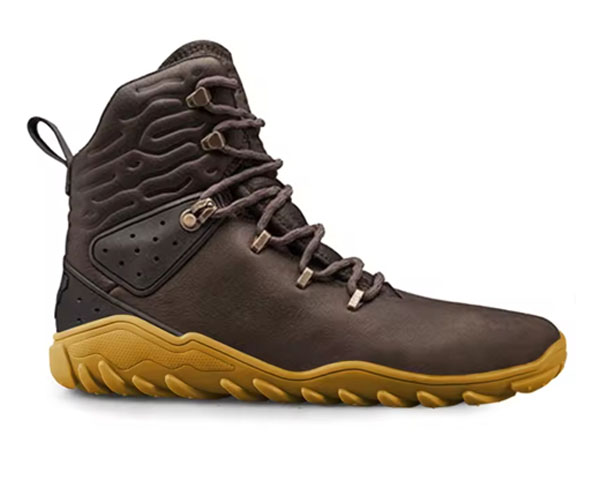
Map every candidate line to the barefoot shoe product range before the quantity grid is issued.
Key Buying Factors
Choose the route before allocating depth. Stock styles are useful for a small availability-led test. Custom production is useful when the buyer needs controlled material, color, branding, or packaging. Product-family routes belong in separate rows when their fit, use case, or sample evidence differs. Record the cost basis and included work on the same route row before comparing options.
| Route option | Best fit | Commercial boundary | Risk if mixed | Evidence and buyer follow-up |
|---|---|---|---|---|
| Stock styles | Availability-led test or replenishment using an existing product | Approved project fact: 50–100 pairs, subject to inventory and mixed-size availability | A total is accepted before the requested size mix is reserved | Request a dated stock list, variant reservation, and confirmation of the exact product revision |
| Existing-base customization | Branding or option changes on a proven base model | Sample and production timing must identify the existing-base route | A change treated as cosmetic alters material, fit, tooling, or testing scope | Request feasibility notes, marked changes, and a controlled sample before bulk approval |
| Full custom development | New design, pattern, special material, or tooling-dependent program | Approved project fact: 500 pairs per color per style for custom production | A new-development line is compared with a stock line as though they include the same work | Require a feasibility review, sample route, included-work list, and written approval sequence |
| Product-family lane | Running, trail, kids, casual, training, boots, or sandals with a distinct buyer role | Depth is allocated by the buyer’s use case and variant plan, not by a universal mix | Different fit or wear expectations are hidden inside one generic range | Tie each lane to its sample evidence, size grid, and keep-or-exit date |
Decision table 2. Route comparison for keeping stock, existing-base, full-custom, and product-family decisions on comparable commercial and evidence bases.
Process evolution: a style-level buy sheet is not enough for variant-led retail operations. RANGE-LOCK makes the review unit the style-color-size-width line and keeps its identifier stable through receiving and reorder analysis. GS1 barcode guidance provides the downstream item-identification context, but the buyer still owns the assortment hierarchy and performance definitions. A RepSpark assortment-planning discussion also treats size and line planning as return-risk controls; use it as market context, not proof of this range’s results.
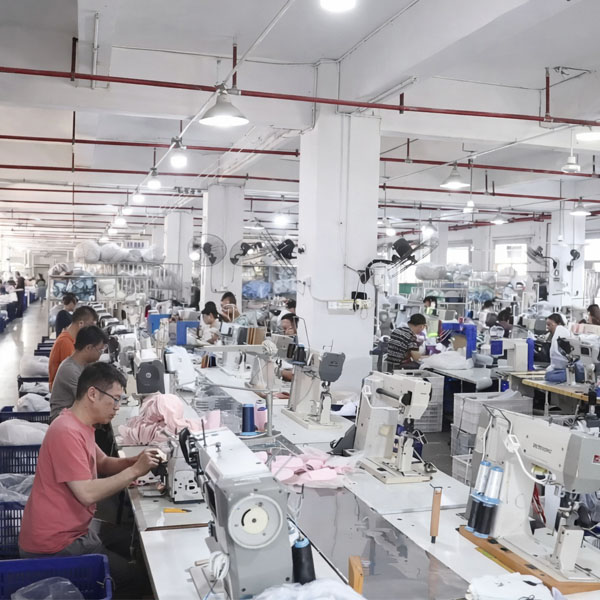
Separate performance lanes with the barefoot running shoes manufacturer when running use is part of the range.
RFQ checkpoint
Ask buyers to send product family, quantity, size range, upper/sole/material direction, branding, packaging, sample, QC, and timeline details for review.
Comparison of Common Options
Use these questions after the route matrix and before sample approval. A useful factory-side answer names the exact line, controlling file, evidence, exception, production handoff, and owner.
- Which assortment role does this variant serve? The answer should be core, seasonal, test, replenishment, or exit candidate. The risk is allocating depth without a review rule. Expect a role owner and decision date, then hold the line if neither exists.
- Which commercial route controls the line? Expect stock, existing-base customization, or full custom development. The risk is comparing incompatible minimums or included work. Require the route on the RFQ and separate mixed routes.
- Which sample and revision define the sellable product? Expect the sample ID, material record, fit or measurement basis, packing reference, and approval date. The risk is buying a line that no longer matches its evidence. Reopen approval when any controlled input changes.
- Which signal will support a reorder? Expect a stable ledger field for received, sold, returned, on-hand, and unavailable variant lines. The risk is reordering from revenue or total units alone. Agree on the formula and review window before launch.
Move lines that need material, branding, or construction changes into custom barefoot shoe development before the comparison is finalized.
Common Buying Mistakes
The common failure is not choosing the wrong category. It is allowing the route, quantity basis, evidence, and reorder logic to drift between planning, quotation, sampling, and receiving. RANGE-LOCK keeps each style-color-size-width line on one route and gives it an explicit review outcome.
Material and specification fit
- Stock: use the approved project range of 50–100 pairs only as a starting scope, subject to dated inventory and mixed-size availability. Do not treat that range as a reserved assortment.
- Existing-base customization: require the changed options, included work, sample route, and current quotation in writing. Do not inherit the stock minimum or a full-custom minimum by assumption.
- Full custom: use the approved project fact of 500 pairs per color per style, then confirm material, tooling, branding, packaging, sample, and inspection scope in the current quotation.
MOQ, cost structure, and lead time
Resolve these questions before approval: do not treat an image or product name as the controlling specification. When a material, component, size grid, width, or finish changes, mark every affected variant and reopen the required sample or evidence review before purchase approval.
Supplier reliability and quality checks.
| Review signal | Required record | Do not infer | Buyer action |
|---|---|---|---|
| Sell-through | Units sold and units received for the same variant and review window | A low result means the product itself is wrong | Check stockouts, launch date, returns, and unavailable sizes before changing depth |
| Weeks of cover | On-hand units and average weekly sales over a named window | One window suits seasonal and core lines equally | Set the review window and reorder owner by assortment role |
| Variant fulfillment | Requested and fulfilled style-color-size-width lines | The total pair count proves the requested mix was available | Separate supply gaps from demand before keeping or exiting the line |
Decision table 3. Keep-or-exit records. Set the formula, review window, and decision owner before the assortment launches.
Reproducible method: variant sell-through rate = units sold for the variant ÷ units received for the same variant × 100. Weeks of cover = on-hand units ÷ average weekly units sold over the stated review window. Variant fulfillment rate = fulfilled style-color-size-width lines ÷ requested lines × 100. Record returns and stockouts separately so they do not masquerade as demand. Keytop has not supplied a permissioned public assortment-performance dataset for this article, so no percentage, average, improvement, or benchmark result is claimed.
Keep the formula, review date, and exception record together. The blog provide related procurement-control routes; they do not replace the current route-specific commercial response, lead time, or approval record.
Shortlist Checklist
- Which route and assortment role control every line? This matters because stock, existing-base, and full-custom work carry different quantity and evidence gates. Ask the supplier or factory for a line-level route response and mark each line core, seasonal, test, replenishment, or exit. Mixing routes can produce a quote that cannot be compared or fulfilled; split them before shortlisting.
- Which variant grid is the factory actually confirming? A total pair count can hide unavailable sizes, widths, or colors. Request a written style-color-size-width grid with the quantity unit and availability or production status for each line. Without that record, the buyer risks approving depth that does not match the deliverable mix; reconcile the grid before quote approval.
- Which evidence defines the sellable product? The approved sample or exact stock revision must agree with the material record, measurement basis, branding file, pack reference, and inspection handoff. A product name or image alone can leave the factory using a different revision; request the evidence index and close every mismatch before purchase approval.
- How will the buyer make the keep-or-exit decision? Ask for a stable SKU identifier and maintain received, sold, returned, unavailable, fulfilled, and on-hand records over a named review window. Changing the denominator can turn a supply gap into a false demand signal; agree on the formula, owner, and review date before the assortment launches.
A line is ready for wholesale shortlisting only when route, role, variant grid, evidence, quote boundary, ledger, owner, change control, and keep-or-exit rule can be traced to dated records. An unresolved field stays open; it is not converted into an assumption.
- Decision matrix: choose the barefoot shoe assortment planning route only after product fit, customization scope, quote assumptions, sample approval, and reorder control are comparable.
- Best-for check: match the barefoot shoe assortment planning route to the use case and approved specification before comparing price.
- Trade-off check: compare buyer control, development scope, cost drivers, lead-time assumptions, quality risk, and repeat-order consistency.
In conclusion
A wholesale assortment is ready to shortlist when RANGE-LOCK is complete: the commercial route is explicit, each line has a merchandising role and numeric depth, the evidence points to the controlling product revision, quote boundaries are current, ledger definitions are stable, and a named owner controls changes.
The purchase decision should preserve those same fields through sample approval, purchase order, receiving, and reorder review. If a route, specification, or performance definition changes, reopen the affected gate instead of silently carrying the old approval forward.
The wholesale is the matching commercial handoff for a buyer who needs the factory to review product families, the style-color-size-width grid, stock/existing-base/full-custom choice, quantities, material and packaging scope, sample status, and target timing. Sending only a generic contact request risks another non-comparable response; submit those fields for a written requirement review before quote or sample approval.
Frequently Asked Questions
What should buyers confirm before ordering barefoot shoe wholesale assortment planning?
Confirm the route for every style-color-size-width line first. For a stock route, the approved project range is 50–100 pairs, subject to dated inventory and mixed-size availability. For full custom production, the approved project fact is 500 pairs per color per style. Existing-base customization needs its own written feasibility, sample, quantity, and included-work response. Do not use one route’s quantity or timing as the default for another.
How should buyers compare MOQ, lead time, and quote terms?
Compare like with like: stock against a dated availability response, existing-base changes against a marked change list, and full custom against a development scope. Ask each quotation to state the unit of the minimum, included and excluded work, sample gate, production-start trigger, validity, currency, Incoterm if applicable, and payment schedule. There is no universal payment split or lead-time promise in this article; final terms depend on the current signed quotation.
What sample, quality, or supplier checks reduce risk?
Close the line with an approved sample or exact stock revision, material and color records, the agreed fit or measurement basis, branding and packing references, and a dated deviation decision where needed. Inspection records should identify the same controlling revision. A management-system or social-audit certificate, if requested, must be checked for current status, named organization, scope, site, and applicability; its title alone is not product-conformity evidence. Reopen the relevant gate when the material, component, last or pattern, size grid, width, color, branding, packaging, product revision, or commercial route changes.
RFQ handoff: Ask buyers to send product family, quantity, size range, upper/sole/material direction, branding, packaging, sample, QC, and timeline details for review. Send Specs for Review.
Leave a Comment
Ask a sourcing question, add your view, or request follow-up from our team. We keep the form short so it feels natural inside the article page.