
A factory can quote one construction while the fit sample proves another if buyers never freeze intended use, size-run rules, and approval ownership before sampling.
A usable factory answer states which fit, construction, material, and wear checks must pass before bulk production.
Use the checkpoints below to align fit evidence, construction notes, QC proof, and commercial assumptions before bulk production.
Direct answer: Approve barefoot sandal footbed material oem only when intended use, construction or material route, measured sample, packing method, and quote assumptions sit on the same written revision—not when a catalog photo and a unit price arrive in separate chats.
Use a written sourcing sequence that covers Requirement review before quotation; keep each checkpoint tied to the quote revision, sample evidence, approval owner, and bulk-production handoff.
Define the Sandal Use Case and Footbed Feel Target
The comparison turns on two dimensions: the buyer’s intended surface and the desired footbed recovery after repeated load. A trail sandal needs higher compression recovery than a casual walk model, and the cost driver shifts with material choice—EVA is lighter and cheaper, rubber is heavier and more durable. Annie, who manages OEM and ODM projects at Keytop Barefoot Shoes in Jinjiang, sees buyers lose time when they skip this step and approve a sample that feels right in the office but fails after 200 steps on gravel. To avoid this, document the primary surface (pavement, trail, wet tile) and the acceptable compression set range before requesting a quote.
| Option | Best Fit | approval risk | Verification Check | buyer follow-up |
|---|---|---|---|---|
| EVA foam footbed | Casual, low-mileage use on pavement | Compression set after 500 steps can flatten the intended barefoot feel, increasing returns | Request supplier’s compression set test report at buyer-approved temperature and recovery time | Include compression set limit and hardness range in RFQ |
| Rubber footbed | Trail, wet, or high-mileage use | Higher material cost and weight; bonding failure with upper can cause delamination | Request cross-section sample to verify layer adhesion and thickness consistency | Ask supplier for bonding compatibility test report before sample development |
| Layered EVA + rubber | Hybrid use: casual with occasional trail | Layer separation under repeated flex; inconsistent thickness across the footbed | Measure thickness at forefoot, midfoot, heel; compare against sealed reference | Approve only after cross-section sample passes adhesion and thickness check |
After comparing options, shortlist only suppliers who provide a documented compression set test method and a sealed reference sample. Attach the use case and feel target to the RFQ so the supplier can confirm material feasibility before quoting. This step prevents approving a footbed that performs well in a catalog but fails in your intended conditions.
Compare Footbed Material Options
Use this comparison to shortlist suppliers by matching footbed material to your intended surface and compression recovery needs. Annie, who manages OEM and ODM projects at Keytop Barefoot Shoes in Jinjiang, sees buyers lose time when they approve a sample that feels right in the office but fails after repeated load on gravel or wet tile. The wrong material choice shifts cost and performance: EVA is lighter and cheaper but may not recover as well as rubber under heavy use. Document your primary surface and acceptable compression set range before requesting a quote.
| Option | Use Case | Tradeoff | Risk to Avoid | Verification Check |
|---|---|---|---|---|
| EVA Compression Molded | Casual walk, pavement, light use | Lightweight, low cost; lower compression recovery than rubber | Footbed flattens after repeated load, altering barefoot feel | Request supplier’s documented compression set test at your target temperature |
| Natural Rubber | Trail, wet tile, high-wear surfaces | Heavier, more durable; higher compression recovery | Higher cost and weight may not suit casual use | Compare supplier’s Shore C hardness range and thickness tolerance against your sealed reference sample |
After comparing, shortlist only suppliers who provide a documented test method and acceptable range for compression set, measured against a sealed reference sample. Attach the use case and feel target to the RFQ so the supplier can confirm material feasibility before quoting. This step prevents approving a footbed that performs well in a catalog but fails in your intended conditions. For more on production capabilities, see our barefoot shoe OEM and ODM services.
RFQ checkpoint
Share product category, target quantity, market, timeline, and reference files for a practical quote
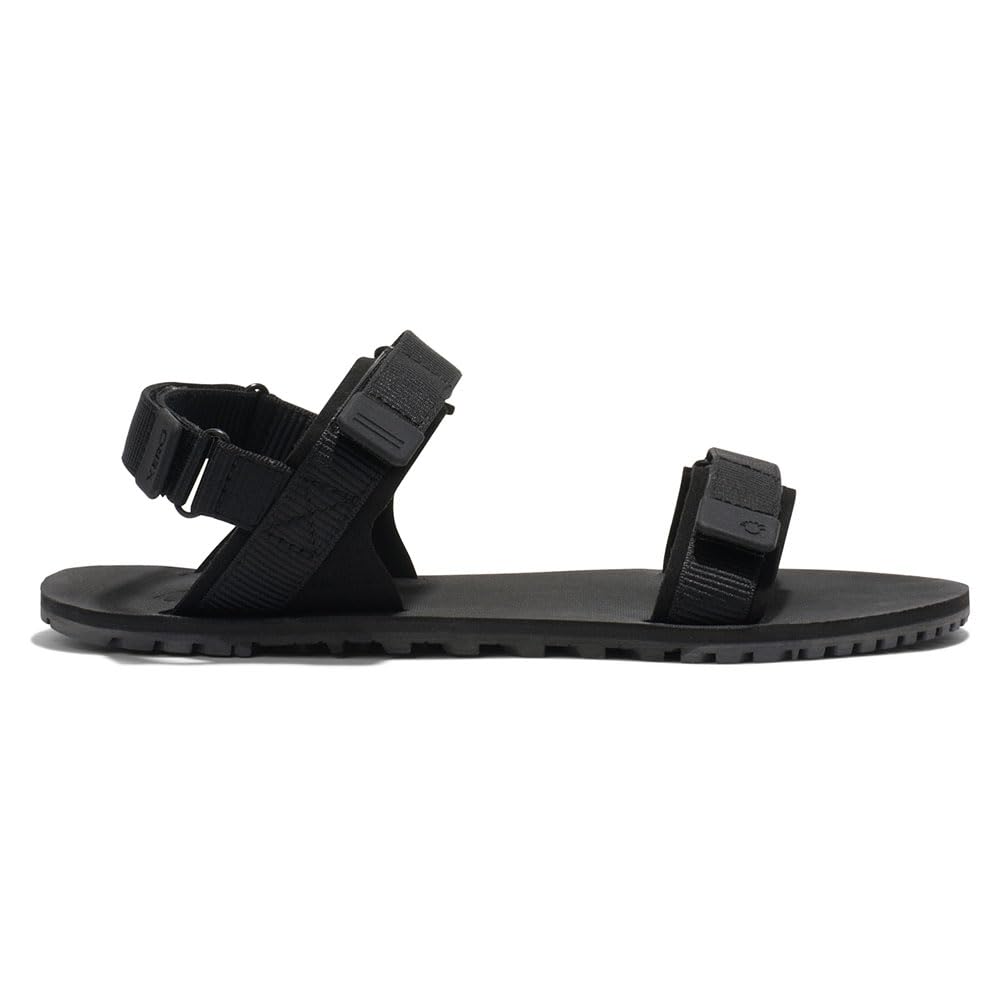
Specify Thickness Hardness and Compression Limits
The approval record for your barefoot sandal footbed must include a signed spec sheet that lists the buyer-confirmed thickness, Shore C hardness, and compression set limit. Annie, who manages OEM and ODM projects at Keytop Barefoot Shoes in Jinjiang, has seen buyers approve a sample that feels right in the office only to discover after repeated load that the footbed flattens or edges collapse. To avoid this, document these three values in the RFQ and request the supplier’s written confirmation before sample development.
Use clear measurement points and sample conditions
Define the measurement points—forefoot, midfoot, heel—and the test conditions (temperature, load, cycle count) in the RFQ. Without a documented method, the supplier may use a different protocol, making the sample non-comparable to bulk production. Request the supplier’s written test method and confirm it matches your RFQ before approving the sample.
Record acceptable recovery and permanent-set signs
After the compression cycle, remeasure the same points and compare the before-and-after thickness. The footbed must return to the agreed percentage of its original thickness; anything less indicates permanent deformation. Visually inspect edges for rounding, collapse, or cracking. Document the results on a sample tag and attach them to the RFQ. This record becomes the baseline for sample approval and bulk production.
| Spec Field | Buyer Action | Risk if Ignored |
|---|---|---|
| Thickness | Confirm measurement points and tolerance in RFQ | Bulk footbeds may be thinner, altering ground feel |
| Shore C Hardness | Obtain supplier’s test report for the approved sample | Softer or harder material changes feel and durability |
| Compression Set | Document before-and-after thickness at agreed points | Footbed may flatten permanently, causing returns |
After completing these checks, attach the documented spec sheet and inspection notes to the RFQ. This record becomes the baseline for sample approval and bulk production. For more on aligning specifications with production, see our barefoot shoe product range.
Run Wear and Compression Sample Checks
During quote review, the output that must exist before the next stage is a documented comparison of the footbed’s before-and-after dimensions and a visual inspection for edge collapse, surface damage, or delamination. Annie, who manages OEM and ODM projects at Keytop Barefoot Shoes in Jinjiang, has seen buyers approve a sample that feels correct in the office only to discover after a few hundred steps that the footbed has flattened or the edges have rolled. To avoid this, run these two checks on every sample before approving the quote.
Compare before-and-after dimensions and feel
Measure the footbed thickness and Shore C hardness at three points (forefoot, midfoot, heel) before any load. Then apply a controlled compression cycle—for example, a buyer-defined number of steps on a test surface or a mechanical press at the buyer-approved temperature. After the cycle, remeasure the same points. The footbed should return to at least the agreed percentage of its original thickness; anything less indicates permanent deformation. Document the before-and-after values on a sample tag and compare them to the RFQ-confirmed spec. This check turns a subjective feel into a verifiable dimension.
Inspect edge collapse surface damage and delamination
Visually inspect the footbed edges for rounding, collapse, or cracking. Run a fingernail across the surface to detect peeling or separation between layers. For sandal footbeds, edge collapse is a common failure mode that alters the intended ground contact and can cause instability. If the sample shows any edge rounding or surface damage, request a revised sample before proceeding. This inspection prevents approving a footbed that looks acceptable in a photo but fails under load.
- Measure footbed thickness and Shore C hardness before and after a buyer-defined compression cycle.
- Document the before-and-after values on a sample tag and compare to the RFQ-confirmed spec.
- Visually inspect edges for rounding, collapse, or cracking after the compression cycle.
- Run a fingernail across the surface to detect peeling or delamination.
Additional RFQ items include if any check fails, request a revised sample before approving the quote.
After completing these checks, attach the documented before-and-after values and inspection notes to the RFQ. This record becomes the baseline for sample approval and bulk production. For more on aligning production with buyer specifications, see barefoot shoe manufacturing for indie brands.
Control Footbed Consistency in Bulk Orders
Without a sealed reference sample and a documented measurement method, bulk orders risk footbed compression variance that can alter the intended barefoot feel and increase returns. To avoid this, freeze the approved material and construction by keeping a physical reference sample and a written spec sheet that includes compression set, hardness, and thickness. For each incoming batch, verify that the footbed matches the reference using the same test method. For repeat orders, ask the supplier to confirm the material batch number and production date, and request a compression test report from the same lab used during approval. This process turns a subjective feel into a verifiable spec, reducing production risk and ensuring consistent quality across shipments.
Freeze the approved material and construction
When you approve a sample, store one sealed unit as the master reference. Document the material type, hardness (e.g., Shore A), compression set target, and thickness. This record becomes the basis for every RFQ and purchase order.
Set incoming batch and repeat-order verification
For each new batch, request a compression test report from the supplier and compare the results to your reference. If the values deviate, ask the supplier to explain the variance and provide corrective action before shipment. For repeat orders, confirm that the material formulation and production process remain unchanged.
Use Keytop barefoot shoe factory to place control footbed consistency in bulk orders in the wider buying path.
Conclusion: Choose the Footbed by Measured Use-Case Fit
The final approval for your barefoot sandal footbed comes down to one comparison: does the supplier’s documented compression set, Shore C hardness, and thickness tolerance match your sealed reference sample? Annie, who manages OEM and ODM projects at Keytop Barefoot Shoes in Jinjiang, has seen buyers approve a footbed that feels right in the office only to discover after repeated load that the material flattens or edges collapse. To avoid this, verify that the supplier provides a written spec sheet and a compression test report from the same lab used during approval. Compare the material batch number and production date against the approved sample. If any value deviates, hold the order and request a corrected sample or written explanation before bulk production.
This procurement checkpoint protects your specification, cost, and quality from the first inquiry through bulk production. The cost driver is the material choice—EVA is lighter and cheaper, rubber is heavier and more durable—but the supplier’s capability to document and repeat the agreed compression set is what gates your shortlist. For a quote or sample, visit our barefoot sandals manufacturer page and attach your use case, feel target, and approved reference sample. This turns a subjective feel into a verifiable spec, reducing production risk and ensuring consistent quality across shipments.
Barefoot Sandal Footbed FAQ
What should buyers verify before approving barefoot sandal footbed material?
Buyers should verify that the supplier provides a documented test method and acceptable range for compression set, measured against a sealed reference sample. Confirm the Shore C hardness range and thickness tolerance in the RFQ, and request the supplier’s ISO 815 test report to compare against the approved sample before bulk production.
Which sample or QC proof should buyers request?
Collect a sealed reference sample with a signed spec sheet that includes compression set limit, hardness, and thickness measurement points. For QC proof, ask for a compression test report from the same lab used during approval, and verify that the material batch number and production date match the approved sample.
Sandal footbed molding — eva compression molding Why does EVA domination compression molding for sandals?
EVA compression molding is common for sandal footbeds because it allows consistent density and shape in bulk production. Buyers should ask the supplier for a documented compression set test at the buyer-approved temperature and response time, and compare the results against the sealed reference sample to ensure the footbed returns to its original thickness after load.
If you’re comparing suppliers, don’t start with “How cheap can you make this?
Instead, start by defining the use case and footbed feel target, then request the supplier’s documented test method and acceptable range for compression set. Compare the results against your approved reference sample, and confirm the material batch number and production date in the RFQ to ensure consistent quality across shipments.
Primary references
These sources define test methods or regulatory context. Set pass/fail limits in the buyer-approved specification; a linked standard does not prove that a specific sample passed.
- ISO 9001:2015 — Quality management systems — QMS requirements for controlled processes, records and continual improvement.
- ISO 2859-1:2026 — AQL sampling by attributes — Lot-by-lot sampling schemes and acceptance or rejection thresholds.
Leave a Comment
Ask a sourcing question, add your view, or request follow-up from our team. We keep the form short so it feels natural inside the article page.