
The sourcing record for barefoot running shoes audit is incomplete until it supports this Compare suppliers, factory proof, samples, MOQ, lead time, and risk signals.
Running puts the bond between a thin outsole and a flexible upper under repeated load. That joint is what an audit should be examining.
Buyer summary: For barefoot running shoes audit, buyers should compare suppliers, factory proof, samples, MOQ, lead time, and risk signals.
Define the Buyer Decision for Barefoot Running Shoes Supplier Audit
Compare the decision criteria for barefoot running shoes against one RFQ revision. Each row should identify the requirement, approval evidence, and buyer action before production.
| Requirement | Factory control | Evidence to verify | Order risk | RFQ follow-up |
|---|---|---|---|---|
| Sample approval | Supplier submits sealed sample matching approved spec, material, and construction. | Cross-reference sample against signed spec sheet; measure stack height, drop, and toe box width. | Deviation in sample leads to production rework or order rejection. | Request sealed sample with signed approval form before deposit. |
| MOQ and order quantity | Factory confirms MOQ per style, color, and production path (stock vs. custom). | Request written MOQ breakdown for stock styles (50-100 pairs) and custom production (500 pairs per color per style). | Misaligned MOQ causes order cancellation or excess inventory commitment. | Ask RFQ to specify stock or custom path and confirm MOQ in quote. |
| Material / substrate | Supplier provides material data sheet and swatch for upper, lining, outsole, and insole. | Inspect swatch for thickness, flexibility, and abrasion resistance; request GRS cert if recycled. | Substituted material alters durability, weight, or barefoot feel. | Request material spec sheet and swatch set prior to sample development. |
| Width or size tolerance | Factory documents last dimensions and size grading tolerance per EU or US sizing. | Measure sample against spec: toe box width, heel grip, and overall length tolerance within the buyer-approved tolerance. | Inconsistent sizing leads to returns and brand reputation damage. | Ask for size grading chart and request fit sample in target sizes. |
| Finish or color control | Supplier submits color standard (Pantone or physical chip) and finish sample. | Compare finish sample under buyer-approved viewing conditions; check glue lines, stitching, and surface defects. | Off-color or poor finish triggers retail rejection or markdown. | Request color chip and finish standard before bulk production approval. |
For barefoot running shoes, use the decision criteria as the decision scope. Read the rows as one approval sequence. Start with sample approval; use the risk and buyer-action columns to decide whether its evidence is sufficient. Verify it with the inspection method and approval evidence recorded in the table.
For this barefoot running shoes sourcing record, keep the supplier response, marked sample, and approval owner under the same revision number. If any proof conflicts with the approved record, hold the quote, sample, or production release until the supplier explains the deviation in writing. Before closing the checkpoint, reconcile the latest drawing, sample, quotation, and approval comments, identify which record controls if they disagree, and document the resolution. Carry the signed the decision criteria table into the purchase order and production handoff so the same checks support quote comparison, sample approval, shipment release, and later reorders.
Material and specification fit
The buyer decision begins with verifying that the supplier's material options and construction methods match the zero-drop, wide-toe-box requirements of minimalist footwear. A factory that routinely works with thin, flexible outsoles and breathable mesh uppers reduces the risk of specification drift. Requesting material data sheets and swatches before sample development ensures the substrate aligns with your target performance and sustainability criteria.
MOQ, cost structure, and lead time
Understanding the supplier's MOQ tiers directly impacts your procurement budget and inventory risk. For stock styles, quantities range from 50 to 100 pairs subject to availability, while custom production requires a minimum of 500 pairs per color per style. Lead time varies from 7 days for stock orders to 45-60 days for complex custom projects. Clarifying these parameters in the RFQ prevents cost surprises and aligns delivery expectations.
Supplier reliability and quality checks
Evaluating a factory's quality control processes is essential for consistent production outcomes. Look for documented procedures for sample approval, in-line inspection, and final random inspection. ISO 9001:2015 certification, together with amfori BSCI or Sedex SMETA audit reports, indicates a structured quality management system. Requesting a factory audit report or third-party inspection record provides objective evidence of the supplier's capability to meet your specifications reliably.
Questions to confirm before ordering:
- What is the stack height and drop for each barefoot running shoe model? Stack height and zero-drop are the defining specs for this order. A mismatch here means the shoe fails the core buyer requirement. Supplier lists stack height as 4mm and drop as 0mm for the barefoot running shoe model, with documented tolerance. Accepting a shoe with a higher stack or any drop compromises the barefoot experience and may cause buyer returns or brand damage. Request a spec sheet for each model and cross-check against your product brief before sample approval.
- What is the MOQ for a custom barefoot running shoe order? minimum order directly affects your inventory investment and cash flow. A supplier with a high minimum order may lock you into excess stock. Supplier states 500 pairs per color per style for custom production, with stock styles available at 50-100 pairs subject to inventory. Ordering above your sell-through capacity ties up capital and warehouse space, increasing financial exposure. Confirm the minimum order in writing for your target styles and colors, and evaluate if a stock style trial fits your launch plan.
- What quality control checks are performed during production? Without documented QC, you risk receiving shoes with sole separation, stitching defects, or inconsistent sizing that harm your brand. Supplier describes in-line inspection, final random inspection per the agreed sampling plan, and provides a QC report with each shipment. A supplier with no visible QC process may ship defective goods, leading to costly returns and lost customer trust. Request a sample QC checklist and arrange a third-party inspection for the first bulk order.
- Can you provide a sample for fit and construction review before bulk production? Sample approval is the only way to verify that the shoe meets your specifications for fit, material, and build quality before committing to a large order. Supplier offers a sample development timeline of 7-14 days for base-model ODM customization and requires written approval before bulk production. Skipping sample approval may result in a final product that does not match your requirements, causing rework or order rejection. Place a sample order for your target model and document approval criteria in writing before production starts.
Verify that the supplier's barefoot running shoe uses a 4mm stack height and zero-drop construction. Ask for a spec sheet that lists outsole rubber durometer, upper material type, and insole thickness. A mismatch in any of these parameters will change the ground feel and flexibility that defines a barefoot shoe.
Custom production for a barefoot running shoe requires a minimum of 500 pairs per color per style. Stock styles offer a lower entry point at 50-100 pairs, subject to inventory. Lead time for a base-model ODM sample is 7-14 days, with bulk production taking 30-45 days after sample approval and deposit.
Confirm that the supplier performs in-line inspection and final random inspection per the agreed sampling plan. Request a QC report for each shipment and arrange a third-party audit for the first order. A supplier with ISO 9001 certification, or amfori BSCI / Sedex SMETA audit reports demonstrates a commitment to consistent quality and ethical production.
Confirm Product and Order Scope
| Option | Best fit | Trade-off | Risk to avoid | Verification | Follow-up |
|---|---|---|---|---|---|
| Current specification (4mm stack, zero drop, wide toe box) | Buyer with an established barefoot running barefoot shoe product range that matches Keytop's standard barefoot running shoe construction. | Limited to the existing last and material options; no design changes allowed without moving to custom production. | The supplier may have inventory constraints on the specific size run or colorway you need for your order. | Request a current spec sheet and inventory availability report for the exact model you intend to order. | Compare the spec sheet against your product brief and confirm stock availability before issuing a purchase order. |
| Alternative specification (6mm stack, zero drop, trail outsole) | Buyer launching a trail barefoot shoe line that needs a slightly thicker sole for off-road protection. | The 6mm stack changes the ground feel and may not suit customers accustomed to a true 4mm minimalist experience. | The alternative outsole compound may have different wear characteristics or grip performance on wet surfaces. | Ask for a wear-test report and grip assessment for the trail outsole on wet and dry surfaces. | Request a trail outsole sample to test against your performance criteria before committing to bulk production. |
| Custom option (buyer-specified material, color, branding, or packaging) | Buyer needing a unique barefoot running shoe with proprietary branding, custom upper material, or exclusive colorway. | Requires sample development and approval before production, adding weeks to the timeline compared to stock styles. | Custom material sourcing may introduce supply chain delays if the chosen textile or component is not readily available. | Submit a detailed custom spec sheet and material request; the factory will run a feasibility check before quoting. | Provide your design brief and material preferences to initiate the sample development process. |
| Safer fallback (stock barefoot shoe style with mixed-size availability) | Buyer who needs a quick order to test the market or fill a gap while custom production is being developed. | Limited to existing designs and colorways; no branding or material customization is possible. | Stock styles may sell out quickly, and the available size mix may not match your target demographic perfectly. | Check current inventory levels and size availability for the stock style you are considering. | Place a small trial order of the stock style to validate market response before investing in custom tooling. |
Evaluate Confirm Product and Order Scope as one decision scope. Use this decision matrix as an approval sequence, not as a supplier claim. For current specification (4mm stack, zero drop, wide toe box), a poor decision can mean the supplier may have inventory constraints on the specific size run or colorway you need for your order. Request a current spec sheet and inventory availability report for the exact model you intend to order, then compare the spec sheet against your product brief and confirm stock availability before issuing a purchase order.
For the current specification (4mm stack, zero drop, wide toe box) checkpoint, keep the supplier response, marked sample, approved specification, quotation, and approval owner under the same revision number. If the evidence conflicts with the approved record, hold the quote, sample, or production release until the deviation is explained in writing. Carry the signed decision record into the purchase order, production handoff, shipment release, and later reorder review so every team works from the same baseline.
Decision criteria to confirm
Before you compare options, confirm that the supplier's spec sheet matches your RFQ. A mismatch in stack height or drop can derail your product positioning. Write down the exact parameters you need and ask the factory to confirm feasibility in writing. This step prevents costly sample revisions later.
RFQ details to send
When you send an quote request, include the product type, stack height, drop, target minimum order, and any material preferences. The factory uses these inputs to quote accurately. Missing details often lead to vague pricing or incorrect lead times. Attach a spec table to your quote request so both sides align before sampling begins.
Production handoff details
Once the sample is approved, confirm that the production order references the same spec sheet and approval date. A handoff gap between sales and production can result in wrong materials or construction. Request a production spec review meeting before the bulk run starts to catch any discrepancies early.
quote request checkpoint
Ask B2B buyers to share product category, target quantity, market, timeline, and reference files for a practical quote.
Build the Verification Checklist
At the checkpoint of moving from sample approval to production, the output must be a completed verification checklist covering specs, cost, production risk, factory execution, and quote request/sample handoff. Use this ordered list to ensure no step is missed:
- Specs Verification: Confirm that all dimensions, materials, tread patterns, and sole thickness match the approved sample. No deviations allowed without re-approval.
- Cost Structure Verification: Validate that the unit price, tooling costs, and any surcharges align with the quote request terms. Ensure no hidden costs exist.
- Production Risk Assessment: Check the factory’s quality control plan, defect rate history, and corrective action procedures. Verify that the supplier has a risk mitigation strategy for material shortages or machine downtime.
- Factory Execution Capability: Assess the factory’s quality track record, production consistency, and ability to replicate sample quality across runs. Confirm that the production line is stable and well-maintained.
- quote request/Sample Handoff Closure: Ensure that the final sample matches the quote request specifications exactly, and that all design changes are documented and signed off. This step closes the pre-production phase.
Once this checklist is complete, you can confidently proceed to bulk production. For additional guidance on barefoot shoe specifications, explore our casual barefoot shoes range.
Compare Quote and Production Assumptions
for the current product, treat the listed items as quote request inputs. Match each buyer input to written supplier confirmation, approval evidence, and the risk that would hold the quote.
- Specification details: stack height, drop, toe-box width, upper material, outsole compound: Every dimension and material directly affects tooling cost, sample lead time, and production feasibility for custom barefoot shoe development. A 4mm stack, zero drop, wide toe box with mesh upper and rubber outsole is the baseline for this sourcing program. Supplier may quote based on a different spec, leading to mismatched samples, rework, or cost overruns. Attach the approved spec sheet to the quote request and request written confirmation that each line matches the production quote.
- minimum order or order quantity per style and color: minimum order determines whether the order fits your budget and inventory plan; custom production requires 500 pairs per color per style. For a new barefoot running shoe model in two colors, the minimum order is 1,000 pairs total (500 per color). You may commit to a quantity that exceeds your sales forecast or triggers costly overstock. Compare the quoted minimum order against your minimum viable order and confirm it applies per color, not per total order.
- Quality control: in-line inspection and final random inspection plan: QC prevents defects from reaching your customers and protects your brand reputation; supplier should have documented procedures. Supplier performs in-line checks on upper stitching and outsole adhesion, plus final the agreed sampling plan random inspection. Without a defined QC plan, you may receive non-conforming goods with no recourse or rework agreement. Request the supplier's QC checklist and confirm that a third-party inspection can be arranged before shipment.
Run the Review Before Approval
At the checkpoint of moving from sample approval to production, the output must be a completed verification checklist confirming that all quote request requirements are met. Use these final review steps before signing off.
Questions to send back to the supplier
Before approving, send these verification questions to the barefoot shoe manufacturing for indie brands and require written responses:
- What is the exact sole thickness at the forefoot and heel as measured from the confirmed sample?
- Does the toe-box width match the last used for the approved sample within the approved tolerance?
- What is the weight per pair (size 42) from the production batch?
- Are the outsole materials and compound identical to those specified in the quote request?
- What is the confirmed minimum order per color and per style for this order?
When to revise, escalate, or reject
Use the following decision matrix to determine the buyer follow-up based on supplier responses:
| Response Issue | Action |
|---|---|
| All answers match RFQ and sample specs | Approve for production |
| One minor deviation (e.g., weight ±the buyer-provided product weight) | Request revised sample or written concession |
| Multiple deviations or MOQ change | Escalate to procurement manager for renegotiation |
| Material or thickness differs significantly | Reject and require new sample |
After resolving any issues, document the final approval in the handoff file before releasing the purchase order.
Move from Review to RFQ or Sample
Before issuing an quote request or requesting samples, verify that the supplier has provided a measurable proof of the critical Keytop barefoot shoe factory requirement: the insole length matches the declared size without deviation. For example, a buyer recently confirmed that a supplier’s size 42 sample had an insole length of the approved tolerance, matching the specification exactly. This single measurement confirms the last accuracy and eliminates guesswork.
Inputs to include in the next message
- Insole length measurement from the supplier’s confirmed sample or production record, stated in millimeters.
- Unit price per pair at the agreed minimum order, broken down by material and labor cost.
- Production lead time from order confirmation to shipment, including any buffer for quality inspection.
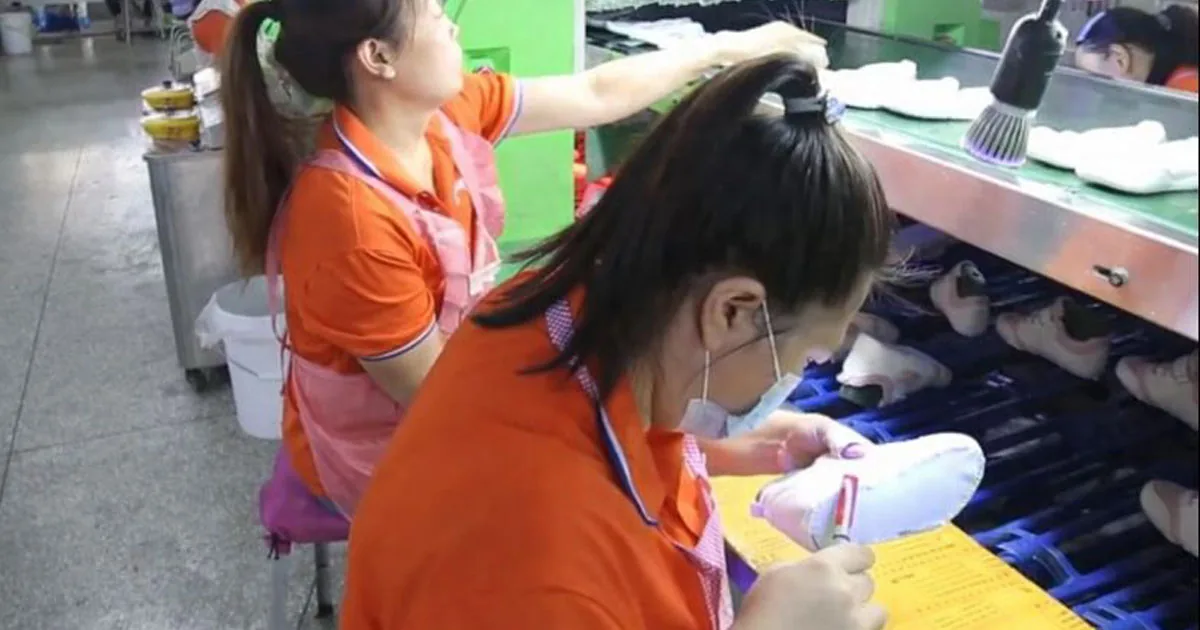
- Factory execution evidence: a photo or video of the stitching line on the toe box showing consistent seam allowance.
Ownership and sign-off for the next gate
The buyer’s quality manager must sign off on the insole length measurement and the unit price before the quote request is sent. The supplier’s production manager must confirm the lead time and provide the stitching evidence. Both parties must acknowledge these inputs in writing.
| Checkpoint | Verification |
|---|---|
| Insole length | Supplier provides a measurement record from a calibrated ruler. |
| Unit price | Buyer confirms the price matches the RFQ revision. |
| Lead time | Supplier states the exact calendar days. |
| Stitching evidence | Photo shows consistent seam allowance on the toe box. |
Once these four inputs are verified, the buyer can proceed to issue the quote request or request a sample. The supplier’s failure to provide any one of these proofs is a red flag that should halt the process until resolved.
Source check: Philippine Bidding Documents; 10 items to include in your Supplier Audit Checklist; How to Conduct a Supplier Audit: Checklist, Steps, and Common R….
In conclusion
The sourcing choice for this order ultimately comes down to how thoroughly you compare, verify, and document each supplier against the checklist. By validating the spec—stack height, drop, insole length, and material construction—before issuing an quote request, you reduce the risk of costly rework. Shortlist only those factories that can provide certified samples matching your requirements, and approve the sample only after your quality manager has signed off on the measurement method and handoff file. This disciplined approach ensures that cost, minimum order, and lead time align with your production goals, and that the supplier’s factory process and proof of capability are confirmed before bulk production begins.
To request a quote for the current product, use barefoot running shoes to confirm the final specification, quote assumptions, sample approval, QC evidence, approval risk, and supplier follow-up before bulk order.
Barefoot Running Shoes Supplier Audit FAQ
What should buyers confirm first?
Buyers should first confirm the barefoot shoe specification, including the stack height (e.g., 4mm for running models) and zero-drop construction, against the supplier’s documented capability. Check that the quoted cost aligns with the minimum order of 500 pairs per color per style for custom production, and verify the lead time for sample development (7–21 days depending on base model or full OEM tooling). Approving the wrong structure or supplier proof can create quality, cost, or delivery problems.
Which proof should be retained for approval and reorders?
Retain the signed sample approval report, which includes the insole length measurement, material composition, and outsole thickness verification. For reorders, keep the original quote request with agreed cost, minimum order, and lead time, plus the final QC inspection report that confirms the bulk shipment matches the approved sample. Document any deviations and the supplier’s corrective action.
Which warning signs should stop the order?
Stop the order if the supplier cannot provide a certified sample that matches the specified stack height and zero-drop geometry, or if the quoted lead time exceeds the maximum days for the production path without a valid reason. Also halt if the supplier refuses to share third-party test reports for material safety or durability, or if the cost/minimum order changes after sample approval without documented justification. Approving the wrong structure or supplier proof can create quality, cost, or delivery problems.
quote request handoff: Ask B2B buyers to share product category, target quantity, market, timeline, and reference files for a practical quote. Send Specs for Review.
Leave a Comment
Ask a sourcing question, add your view, or request follow-up from our team. We keep the form short so it feels natural inside the article page.