A trail barefoot shoe sample approval checklist can become hard to compare when specs, quote assumptions, samples, and approval responsibility sit in different messages.
For a trail barefoot shoe sample approval, the supplier answer should turn the buyer's use case into written specs, sample checks, and quote assumptions.
The article below turns that sourcing question into buyer checks, supplier proof requests, and RFQ handoff details.
How should terrain define trail shoe sample approval?
| Use case | Recommended choice | Spec note | Cost or MOQ note | Risk to avoid | Follow-up |
|---|---|---|---|---|---|
| Name the surface, moisture, distance, and load conditions | Approve against a written terrain matrix, not a generic trail sample | State rock, packed dirt, mud, wet grip, test distance, pack load | Clear conditions reduce resampling; custom trail barefoot shoes start at 500 pairs | Undefined use conditions cause outsole, upper, and flex mismatches at approval | Issue a sample brief with terrain matrix and approval test scenario |
| Separate universal checks from terrain-specific proof | Use two approval gates: baseline construction checks and terrain validation | Baseline covers fit, 0mm drop, bonding, symmetry; terrain covers grip and drainage | Early separation avoids changing all components after terrain failure in sampling | Mixing check types hides root cause and delays corrective action ownership | Request a checklist showing common QC points and terrain-specific proof items |
| Set pass criteria before requesting the sample | Lock pass-fail criteria in writing before sample room starts work | Define acceptable grip, toe splay, flex feel, water behavior, and wear evidence | Written criteria help choose ODM base-model sampling when requirements fit | Post-sample criteria changes trigger avoidable revisions, timing drift, and quote resets | Approve a pre-sample requirement sheet before quotation and material booking |
The RFQ should also cover specification details: Ask for a full sample specification sheet with materials and outsole details; Quality control: Request the factory QC flow and sample inspection record before sign-off.
- Document terrain test matrix by surface, moisture, distance, and carried load condition. Wear-test protocol listing dry rock, wet mud, gravel distance, pack weight. Supplier confirms trail use generally without named terrain or loading inputs.
- Approve only after universal specifications and terrain-specific proof are reviewed separately. Two-part checklist covering baseline specs first, then terrain-specific validation evidence. One merged checklist mixes fit, outsole grip, and drainage without priority. Supplier submits separate baseline approval sheet and terrain-use proof record.
- Freeze written pass criteria before sample launch to prevent subjective approval changes. Signed sample standard stating grip, flex, drainage, fit, and cosmetic limits. Buyer requests sample first and plans to decide standards after receipt.
- Verify trail barefoot specifications match approved stack height, zero-drop, materials, and outsole intent. Specification sheet with 6mm stack, 0mm drop, material callouts, outsole drawing. Tech pack lists style concept only, without measurable construction details.
Keep these checks in the same approval record: require evidence of incoming, in-line, and final inspection controls before bulk approval. QC workflow, inspection records, and ISO 9001 management-system confirmation. Factory states quality is checked but provides no stage-by-stage records. Assess approval risk by linking sample deviations to bulk feasibility and production path. Feasibility review noting ODM base-model limits, OEM tooling risks, and correction cycle. Supplier accepts all revisions without discussing mold, material, or timeline impact.
Supporting evidence should address dry hardpack, wet roots, loose gravel, descent distance, carried pack weight: Test matrix names surface, moisture state, route length, gradient, and load case Approval without use-case conditions shifts traction and flex disputes into production Issue one written wear-test brief and require sample feedback by condition; Mixed-trail programs need baseline checks plus terrain-specific field evidence: Separate universal fit, zero-drop, stack, bonding checks from terrain proof Combined checklists hide whether failure is general construction or terrain mismatch Split sample report into lab-style approval items and trail-condition validation items; Pre-sample RFQs should define acceptance rules for trail barefoot performance: Pass criteria cover grip retention, sole flex, toe splay, drainage, and upper stability Late criteria changes trigger resampling, tooling revision, and avoidable approval delay Approve thresholds internally before requesting ODM or full OEM sample development.
Name the surface, moisture, distance, and load conditions
For a trail barefoot shoe sample approval, name the surface, moisture, distance, and load conditions, then compare the physical shoe sample with the approved fit target, construction notes, material specification, and intended use.
Separate universal checks from terrain-specific proof
Separate universal checks from terrain-specific proof in the RFQ, and add the last or fit reference, size range, materials, construction details, and sample acceptance criteria so the supplier can return comparable evidence.
Set pass criteria before requesting the sample
Before approving the trail barefoot shoe sample, record the measured fit, component specifications, test observations, revision owner, and signed production reference.
How should lug geometry and grip be reviewed?
- Confirm lug depth, spacing, orientation, and forefoot or heel contact coverage. Traction intent, mud shedding, stability, and wear pattern depend on layout. Request outsole drawing and sample photos showing central, edge, and braking lugs.
- Define priority surfaces: wet rock, loose dirt, hardpack, gravel, or mixed trail. Grip performance requires trade-offs; one geometry rarely optimizes every condition. State whether procurement priority is wet grip, mud release, durability, or road crossover.
- Check outsole flex points, torsional behavior, and compound hardness questions. Barefoot trail shoes need ground feel without compound choices undermining grip. Ask whether flex grooves align with metatarsal bend and compound changes alter feel.
- Record outsole specification: trail barefoot shoe, 6mm stack height, 0mm drop. Quote accuracy depends on locked geometry, construction, and barefoot platform parameters. Include outsole material, lug drawing revision, sample size, colorway, and branding method.
MOQ changes by sourcing model and directly affects quotation viability. Custom requires 500 pairs per color per style. Confirm sample and bulk lead time. Tooling scope and customization level determine approval calendar and launch risk. Samples usually take 10–21 calendar days after design confirmation.
Review barefoot shoe product range before sending the RFQ.
RFQ checkpoint
Send target terrain, distance and use, size run, outsole and lug direction, protection requirement, upper material, drainage requirement, quantity, branding, and sample test plan by RFQ email.
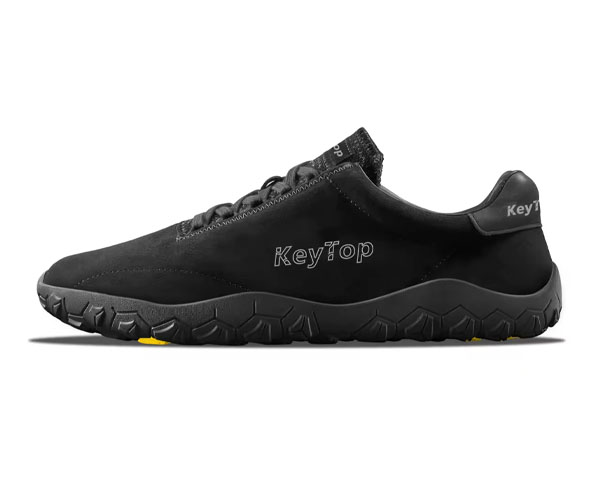
How should rock protection balance ground feel?
- Define stack, plate, insert, and zonal rock-shield layout for sample. Protection method changes tooling, material cost, flexibility, and approval criteria. Trail barefoot spec baseline is 6mm stack, 0mm drop; confirm added shield zone.
- Check forefoot bend line and midfoot torsional resistance on approved sample. Rock protection can block toe-off flexibility or over-stiffen trail handling. Approve whether plate stops before met heads or uses segmented forefoot coverage.
- State target use case, terrain severity, and wearer tolerance for underfoot feel. There is no universal protection package across hiking, running, and casual trail use. Specify whether brief prioritizes sharp-rock protection, proprioception retention, or mixed-terrain compromise.
- List protection component material, thickness, position, attachment, and tolerance requirements. Quote accuracy depends on construction-level details, not general protection requests. Confirm plate or insert material type, coverage map, stack effect, and lasting method.
The written approval record should cover production path and quantity before requesting protected trail sample quotation. MOQ differs between stock options and custom trail barefoot development. Custom trail barefoot shoes are 500 pairs per color per style. Buyer budgets against non-applicable volume and delays internal approval routing. Confirm sample and production lead time by applicable development route. Protection changes may fit a base-model ODM or require full OEM sampling. Sample is 10–21 calendar days after design confirmation.
Review casual barefoot shoes before sending the RFQ.
Which upper, drainage, and fit details need approval?
- Mark toe rand, sidewall overlays, collar height, and gusseted tongue coverage. Controls trail abrasion exposure, debris ingress, and upper durability before tooling release. Approve TPU toe bumper extent, medial rock guard, and tongue gusset attachment points.
- Confirm drain port locations, lining absorbency, mesh openness, and drying-speed priorities. Drainage layout affects water evacuation, dry-back time, and upper life in wet trails. Approve sidewall drain windows, non-absorbent lining option, and quick-dry mesh versus protection trade-off.
- Approve toe-box allowance, eyestay lockdown, heel counter behavior, and downhill foot migration. Trail barefoot fit must balance natural splay with secure retention on descents. Confirm wide forefoot shape, midfoot lace pressure range, and heel grip with thin socks.
- List stack height, drop, upper materials, outsole pattern, size range, and branding method. Quote accuracy depends on complete construction scope and approved performance specifications. Trail barefoot shoe spec shows 6mm stack height, 0mm drop, and buyer-confirmed upper bill.
MOQ changes by supply path, affecting launch budgeting, color count, and SKU plan. Custom trail barefoot shoes require 500 pairs per color per style. Confirm sample path and bulk path separately before approving calendar commitments. Lead time depends on project complexity. Sample is 10–21 calendar days after design confirmation; bulk production is 45–60 calendar days after sample approval and deposit.
Review barefoot shoe OEM and ODM services before sending the RFQ.
Trail barefoot shoe sample test matrix
- Confirm terrain profile, outsole target, stack/drop, and size run before sample booking. Completed trail use brief covering terrain mix, 6mm stack, 0mm drop, lug target. Buyer sends only photos or general trail use description without measurable inputs.
- Request structured wear-test observations with pass/fail fields for fit, traction, flex, and upper hold. Sample test form listing routes, duration, testers, defect photos, and disposition notes. Feedback arrives as informal comments without route details or defect classification.
- Lock revision history, approval owner, and bulk-release gate before any sample sign-off. Change log showing version code, approved amendments, signatory, and bulk production release status. Edits are discussed in chat only and sample versions are not controlled.
- Define how each requirement will be verified: lab test, wear trial, dimensional check, or sample comparison. Verification matrix mapping each specification to method, tolerance, sample source, and responsible party. Factory states items are checked but provides no method or acceptance basis.
Keep these checks in the same approval record: require incoming, in-line, and final inspection checkpoints tied to approved sample standard. QC plan showing material inspection, assembly checkpoints, final audit, and defect classification. Supplier mentions general inspection capability without checkpoint sequence or sample standard reference. Validate supplier can execute barefoot trail construction, sample development, and approval-controlled bulk production. Factory capability summary covering OEM/ODM path, sample process, ISO 9001, and certifications. Supplier claims broad footwear experience but no barefoot-specific process or approval gate.
Supporting evidence should address terrain profile, outsole spec, lug depth, stack and zero-drop target: Aligns sample build with trail use case and quote feasibility review State dry rock, loose gravel, mud, 6mm stack, 0mm drop Sample may pass office review but fail intended trail traction Issue RFQ notes with terrain matrix and required construction limits; Requested wear tests, defect observations, pass criteria, photo record fields: Creates comparable sample feedback across teams and approval rounds Record flex point cracking, toe splay, grip loss, delamination, fit comments Feedback stays subjective, delaying corrective action and requote decisions Standardize sample evaluation form before dispatch to testers; Revision ID, approved BOM, change owner, release date, sign-off status: Prevents untracked sample changes entering costing or bulk production release Version B upper mesh swap approved; outsole unchanged; buyer sign-off pending Factory may quote or produce against obsolete sample specification Lock current revision and require written approval before bulk release.
Review barefoot shoe manufacturing for indie brands before sending the RFQ.
Send a terrain-ready RFQ
Shortlist the factory only when its quote path matches your terrain use case, sample controls, and proof standard. For trail barefoot shoes, a weak RFQ creates the wrong outsole, upper, or protection balance, which then shows up as bad samples, slower approvals, and reorder disputes instead of a clean production release.
- State terrain, target user, and failure points to avoid.
- Lock core specs, branding method, and packaging scope.
- Request factory proof for material review, QC, and sample timing.
- Approve the sample against written checkpoints before deposit.
Define the requirement and success criteria
Your RFQ should define the terrain first, then the shoe. Confirm zero-drop construction and the trail barefoot baseline of 6mm stack height. Add the use case that drives trade-offs: wet trail drainage, loose-surface grip, rock contact, or abrasion on the upper. If you skip this, suppliers may quote the same visual style with very different sole feel or protection, making sample comparison meaningless.
Supporting evidence should address outsole intent, upper material proposal, and drainage approach. State branding method by position, since not every logo process fits every material. Use the custom MOQ floor correctly: 500 pairs per color per style.
Confirm execution details with the factory
Strong supplier signals are process signals. Confirm requirement review before quotation, material and construction feasibility check, and sample development before bulk production. Ask which checks the factory will run on this project: incoming material inspection, in-line inspection, final inspection, plus flex, abrasion, bonding, colorfastness, and critical seam checks where applicable. A supplier that cannot name the control points usually cannot protect consistency.
Approve samples and control reorder risk
Do not release production from a visual sample alone. Require written sample approval before deposit-backed bulk production, then keep the signed sample record as the reorder reference. Sample development can run about 10–21 calendar days after design confirmation. Keytop Barefoot Shoes’ bulk production window is 45–60 calendar days after sample approval and deposit. Confirm the project schedule in the quotation. Final shortlist action: send the RFQ only to factories that accept written sample sign-off, buyer-specified final inspection, and a fixed reorder reference sample.
In conclusion
A trail barefoot shoe sample should not be approved from appearance alone. The signed record should connect the intended terrain to fit, flex, outsole grip, drainage, upper security, material choices, labeling, packaging, and the exact checks that will be repeated during bulk production.
For a custom trail program, confirm the 500-pair-per-color-per-style custom MOQ in the quotation, together with size allocation and sample path. Cost drivers include outsole or tooling route, upper material, reinforcement, testing, branding, packaging, revisions, and freight. Confirm supplier capability for the selected construction before approval.
The approval risk is releasing production while terrain-test, fit, material, or substitution questions remain open. Use the trail barefoot shoes product route to validate the commercial specification, then send the approved sample requirements and verification questions through the RFQ before bulk production.
Frequently asked questions
What lead time should buyers confirm before approving a trail barefoot shoe sample?
A sample normally takes 10–21 calendar days after design confirmation, and bulk production is 45–60 calendar days after sample approval and deposit. Retailers should reserve additional time for terrain trials and ask the factory to reconfirm lead time after outsole, upper, materials, and test requirements are fixed.
What MOQ should buyers confirm before approving a trail barefoot shoe sample?
Custom production is 500 pairs per color per style. Cost drivers include outsole or tooling route, upper materials, reinforcement, drainage construction, testing, branding, packaging, sample revisions, and freight. Compare those quote lines before changing specification to reach a target price.
Can quality remain stable?
Quality is more controllable when the buyer and supplier use one signed sample, one specification version, and defined incoming-material, in-line, and final inspection checkpoints. The approval risk is approving appearance while leaving grip, fit, flex, drainage, or material substitutions open; require written change control before bulk release.
Review Keytop Barefoot Shoes barefoot shoe factory before sending the RFQ.
Procurement note: Send target terrain, distance and use, size run, outsole and lug direction, protection requirement, upper material, drainage requirement, quantity, branding, and sample test plan by RFQ email. Contact the team.
Primary references
These sources define the test methods and regulatory context referred to in this article.
- ISO 17707:2005 — Outsole flex resistance — Assesses how outsole material and tread affect cut growth during flexing.
- ISO 20871:2018 — Outsole abrasion resistance — Abrasion-resistance test method for outsoles, irrespective of material.
- ISO 13287:2019 — Footwear slip-resistance test method — A PPE-footwear method that can also inform development tests for sole components; it does not certify casual footwear by itself.
Leave a Comment
Ask a sourcing question, add your view, or request follow-up from our team.