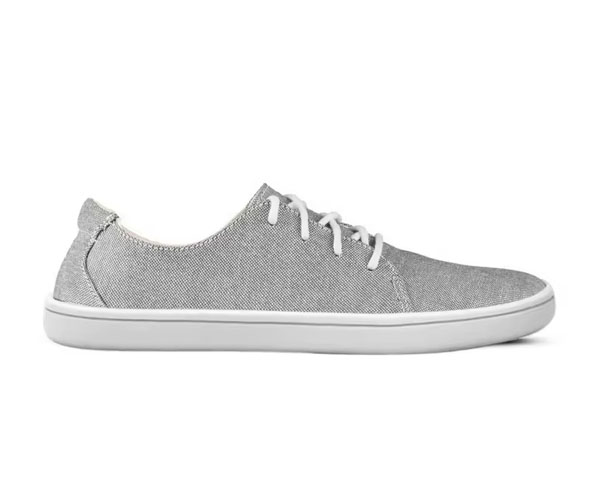
Wide Toe Box Shoe Size Grading OEM: Specs and RFQ Checklist

by Keytop Editorial Team | Jul 11, 2026 | Barefoot Boot | 0 comments

A wide toe box shoe size grading OEM can become hard to compare when specs, quote assumptions, samples, and approval responsibility sit in different messages.

For wide toe box shoe size grading OEM, the supplier answer should turn the buyer's use case into written specs, sample checks, and quote assumptions.

The article below turns that sourcing question into buyer checks, supplier proof requests, and RFQ handoff details.

How should buyers approve a wide toe box size run?

For wide toe box shoe size grading OEM, use this table to turn How should buyers approve a wide toe box size run? into specific RFQ lines, sample checks, approval risks, and supplier follow-up questions.

Specification Quality control Verification method Risk to avoid Buyer action
Width or size tolerance Control length grading separately from forefoot width and toe-box volume. Measure outsole, insole, girth, and fit against signed reference sample. Approving only size labels can cause inconsistent wide-fit across sizes. Request a graded size chart and approve one signed fit reference.
Adjacent-size grading balance Check that width, girth, toe-box volume, and heel hold change consistently through the size run. Measure a boundary size, midpoint size, and largest size with the same method and fit-test notes. A correct base size can still produce narrow small sizes or unstable large sizes after grading. Request a graded measurement chart and written approval comments for the sampled sizes.
Sample approval Written sample approval required before deposit-backed bulk production starts. Wear-test confirmation sample, then sign comments on fit, width, and volume. Unapproved fit adjustments may shift toe shape, volume, or comfort. Ask for ODM sample in 7-14 days or full OEM in 10-21 days.

The RFQ should also cover MOQ and order quantity: Request RFQ with size ratio: stock 50-100 pairs or custom 500.

Start with a signed fit reference, not a generic width label

Compare the physical sample with the approved material, zero-drop geometry, width, size grading, and construction notes before bulk production.

Separate length grading from width and volume control

Add separate length grading from width and volume control to the RFQ with the last or fit reference, size range, materials, construction details, and sample acceptance criteria so the supplier can return comparable evidence.

Define who can approve fit changes

Compare the physical sample with the approved material, zero-drop geometry, width, size grading, and construction notes before bulk production.

Which measurements belong in the grading matrix?

  • Toe splay width by size and ball girth grading increments. Controls wide-toe-box fit consistency without oversizing length across the run. Provide last forefoot width, toe spring, and ball girth per size. Supplier may widen pattern unevenly, causing toe crowding or excess volume.
  • Instep circumference, vamp height, and heel grip tolerance by size. Balances entry ease with rearfoot retention on zero-drop wide-fit constructions. State instep grade rules, collar opening, heel seat width, and counter hold.
  • Inside length, flex groove location, and upper lasting tension by size. Prevents size progression errors that shift bend point or distort upper fit. Define internal length allowance, met flex alignment, and lasting tension standard.
  • Size system, fit tolerance, last data, materials, and test requirements. A complete RFQ reduces quote revisions and feasibility disputes before sampling. List Mondopoint or regional sizes, target tolerances, upper package, outsole thickness. Quotation may exclude required controls, tests, or grading-related development work.

Keep these checks in the same approval record: order path: stock styles or custom production quantity by color/style. MOQ determines whether the factory can quote inventory-based or OEM pricing. Stock styles usually 50-100 pairs subject to inventory; custom 500 pairs per color per style. Required sample and bulk timing based on ODM or full OEM path. Lead time changes with base-model use, tooling needs, and approval sequence. Base-model samples 7-14 days; full OEM samples 10-21 days; bulk 30-60 days after approval.

Review barefoot shoe OEM and ODM services before sending the RFQ.

RFQ checkpoint

Review the supplier route for wide toe box shoe size grading OEM

Ask buyers to send the target size run, reference last or fit sample, foot measurements, upper construction, intended use, quantity, and approval method. RFQ email is required.

Review Barefoot Shoes Product Route

Wide toe box barefoot shoe reference for OEM size grading approval

How should adjacent sizes be checked on samples?

  • Select boundary and midpoint sizes for graded sample review: Grade may hold at core size but fail at size extremes Buyer technician, sample room, and factory pattern engineer Measure smallest, midpoint, and largest sample with one approved spec sheet Issue graded-size sample request and log pass or correction by size
  • Use one measurement method across every sample round: Method changes create false deltas and disputed fit conclusions Buyer QA lead and factory QC supervisor Confirm same measuring points, lasting condition, and tool setup each round Freeze measurement SOP in approval comments before next resubmission
  • Record on-foot findings separately from dimensional checks: Wear feedback can be confused with grading or construction variance Fit approver, merchandiser, and development manager Compare wear-test notes against dimensional report in separate approval records Request pattern or material adjustment only against the relevant failure type
  • Quality control for adjacent-size grading consistency: Bulk output may drift between sizes despite approved confirmation sample Factory QA manager and buyer quality representative Review incoming, in-line, and final inspection records by approved size set Add graded-size checkpoints to bulk QC plan before deposit-backed production

Keep these checks in the same approval record: lead time impact of adjacent-size sample confirmation: Extra size checks can extend sampling on OEM or tooling-dependent projects Merchandiser, buyer planner, and factory development team Confirm whether project follows base-model ODM or full OEM sample timeline Revise calendar after RFQ and sample plan confirm required size range; Approval risk if adjacent sizes are not checked early: Late grading issues can trigger resampling, material exposure, or production hold Buying office approver and factory account manager Verify written sample approval covers checked sizes before bulk deposit release Hold bulk approval until size-range exceptions and tolerances are documented.

The written approval record should cover smallest, largest, and one midpoint sample sizes for grading review. Boundary and midpoint checks expose non-linear grading before bulk confirmation. Lock one measurement SOP, tools, and reference points for every sample round. Consistent method keeps quote, sample, and approval data commercially comparable. Separate wear-test comments from lab-style dimensional measurement records. Fit feel and physical dimensions solve different approval and liability questions.

Review barefoot running shoes product route before sending the RFQ.

What changes can distort fit after grading?

Option Best fit Trade-off Risk to avoid Verification Follow-up
Upper pattern and material changes When grading keeps toe-box intent but upper materials or seam placements change. Material substitution may require pattern compensation and another sample approval cycle. Same last can fit differently after lamination, overlay, stitch, or reinforcement changes. Check graded pattern, material thickness, stretch direction, and wear-test sample by size. Freeze upper bill of materials before size-set approval and bulk confirmation.
Sole, strobel, lining, and padding changes When outsole, strobel board, lining foam, or collar padding differs by size. Component revisions improve stability or comfort but can reduce internal volume consistency. Underfoot package or padding buildup can narrow forefoot and alter zero-drop feel. Measure internal length, forefoot girth, stack build, and component cross-sections by size. Request full component stack specification and approve a representative size set.
Tolerance stacking between components When multiple acceptable variances can accumulate across upper, lasting, and bottoming. Standard factory tolerances support throughput but raise fit variation across production runs. Individually acceptable parts can combine into out-of-spec fit at finished pair level. Review tolerance sheet, lasted upper measurements, and final inspection criteria by size. Set critical-to-fit tolerances in writing and link them to inspection release rules.

The RFQ should also cover specification details: Submit RFQ pack with last standard, size chart, and critical fit checkpoints. cost drivers: Compare ODM base-model route versus full OEM route before approving development budget.

Review barefoot shoe manufacturing for indie brands before sending the RFQ.

Use the table under What changes can distort fit after grading? to compare supplier answers for what changes can distort fit after grading? against the same approval criteria. The buyer should turn the selected rows into written RFQ lines: final structure, material, artwork, finish, packing, sample owner, and supplier evidence. If a row cannot be confirmed before sampling, keep it out of the bulk order decision until cost, lead time, and QC impact are clarified.

Wide toe box OEM size-grading approval matrix

  • Lock grade rule, last width, toe spring, outsole and insole dimensions by size: Uncontrolled grading shifts forefoot fit, tooling match, and size continuity Buyer developer, pattern technician, sample room, and factory merchandiser Compare approved spec sheet, graded patterns, last data, and size-set measurements Issue frozen grading matrix with revision code before sample confirmation
  • Request size-set samples, graded patterns, measurement report, fit comments, and tooling references: Approving from one size only can hide width spread and balance issues Buyer fit team, QA lead, sample room manager, and sourcing owner Review consecutive sizes for girth, toe allowance, upper alignment, and outsole match Hold written sample approval until size-set evidence is complete
  • Record ECO number, revision date, effective lot, affected SKUs, and disposition of old stock: Late changes can mix specifications across sample, bulk, and repeat orders Buyer sourcing manager, factory PMC, QA manager, and document control Check release notice against BOM, tech pack, cutting files, and work orders Release only one active revision and quarantine superseded documents
  • Set incoming, in-line, and final inspection checks for grading consistency and fit-critical points: Weak control allows size drift, mismatched components, and shipment claims exposure Factory QA manager, buyer QA, and production manager Confirm measurement tolerances, first-article checks, and inspection records by size range Add grading checkpoints to QC plan before bulk cutting starts

The written approval record should cover sample path and production path before approving grading-related changes: Tooling or pattern revisions can extend sample and bulk release timing Buyer planner, merchandiser, sample coordinator, and production scheduler Match change scope to ODM base-model sample or full OEM sample route Rebaseline calendar using RFQ-confirmed sample and production lead times; Classify approval as minor, moderate, or major by tooling, fit, and documentation impact: Underestimating change severity increases remake risk, delay risk, and cost exposure Sourcing owner, technical owner, factory engineering, and QA approver Assess whether change affects last, mold, pattern grade, materials, or packaging only Escalate major changes to new sample round and revised quote review.

Supporting evidence should address lock grading rule, reference size, width increments, toe allowance, last code. Prevents supplier quoting against a different fit basis or width progression. Request graded sample set, measurement report, fit photos, wear-test comments. Confirms the factory can replicate wide toe box geometry across sizes. Define revision code, approval date, released size range, tooling status, owner. Controls which grading file, last, and pattern version enters production.

Review Keytop barefoot shoe factory before sending the RFQ.

Send a grading-ready RFQ

  • What size system, toe allowance, width targets, and grading increments apply by size run? Locks the fit specification before quotation, sampling, and mold or pattern adjustments. Factory requests size chart, target foot measurements, and tolerance approval per size.
  • Which last, outsole, and upper components change across sizes, and who approves deviations? Confirms factory execution rules for grading-ready production and size-linked material consumption. Supplier defines graded parts, unchanged parts, approval gates, and sample path.
  • Will you provide size-set samples, sealed sample records, and reorder reference measurements? Controls bulk approval and preserves a measurable standard for repeat production orders. Factory offers written sample approval, retained reference sample, and measurement archive.
  • What barefoot grading experience and quality systems support wide toe box OEM development? Tests whether the supplier can execute zero-drop, wide-fit requirements at production level. Supplier cites requirement review, feasibility check, sample development, and ISO 9001:2015.

Resolve these questions before approval: how will graded dimensions, fit consistency, and approved tolerances be verified before shipment? Defines the inspection method buyers need to validate size-run compliance, not claims. Factory confirms incoming, in-line, final inspection, plus measurement checks against approval records. What approval risks remain if grading changes, tooling changes, or materials change after sample sign-off? Surfaces commercial exposure before deposit-backed production starts on an approved sample basis. Supplier flags lead-time, sample, and production impacts by ODM versus full OEM path.

In conclusion

For wide toe box shoe size grading OEM, the next procurement action is a written RFQ and sample approval record, not only a preferred style or unit price. Confirm the specification, MOQ assumption, artwork version, supplier capability, sample approval method, QC checkpoint, approval risk, and quote follow-up before bulk production.

If any material, structure, logo, finish, packing detail, or supplier proof changes, ask the supplier to update the quote and sample record before approving production.

Frequently asked questions

What lead time should buyers confirm before approving wide toe box shoe size grading OEM?

Lead time depends on the selected production path: confirmed stock can ship within 7 calendar days, an existing-base-model ODM sample normally takes 7-14 days, a full OEM sample takes 10-21 days, and standard bulk production is 30-45 days after written sample approval and deposit. Retailers should reserve time for size-set review and ask the factory to reconfirm the schedule after the last, materials, and size range are fixed.

What MOQ should buyers confirm before approving wide toe box shoe size grading OEM?

Stock styles may start at 50-100 pairs subject to inventory and mixed-size availability; custom OEM or ODM production is 500 pairs per color per style. Cost drivers include a new last or outsole, size-range breadth, materials, tooling, branding, packaging, testing, sample revisions, and freight. Ask for separate quote lines so a lower unit price does not hide development or grading cost.

How Do I Find the Right Size in Wide Toe Box Sneakers?

Use the approved last, inside length, ball girth, toe-box shape, instep volume, heel hold, and fit-test comments rather than relying on a country-size conversion alone. The exact grade increment and tolerance should come from the controlled technical file; request representative size samples and record all approved changes before bulk grading.

Procurement note: Ask buyers to send the target size run, reference last or fit sample, foot measurements, upper construction, intended use, quantity, and approval method. RFQ email is required. Contact the team.

Join the Conversation

Leave a Comment

Ask a sourcing question, add your view, or request follow-up from our team. We keep the form short so it feels natural inside the article page.


    Chat with us