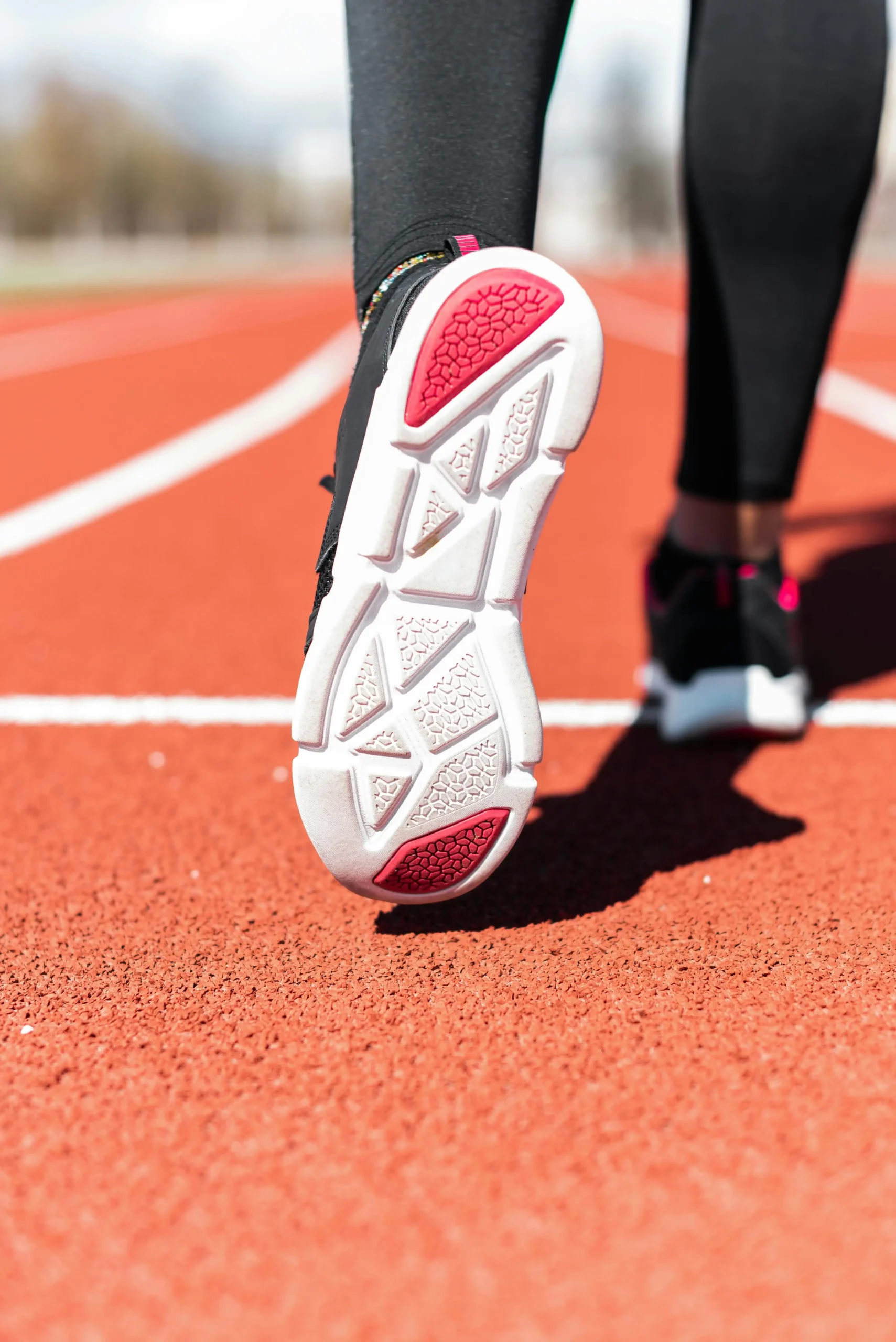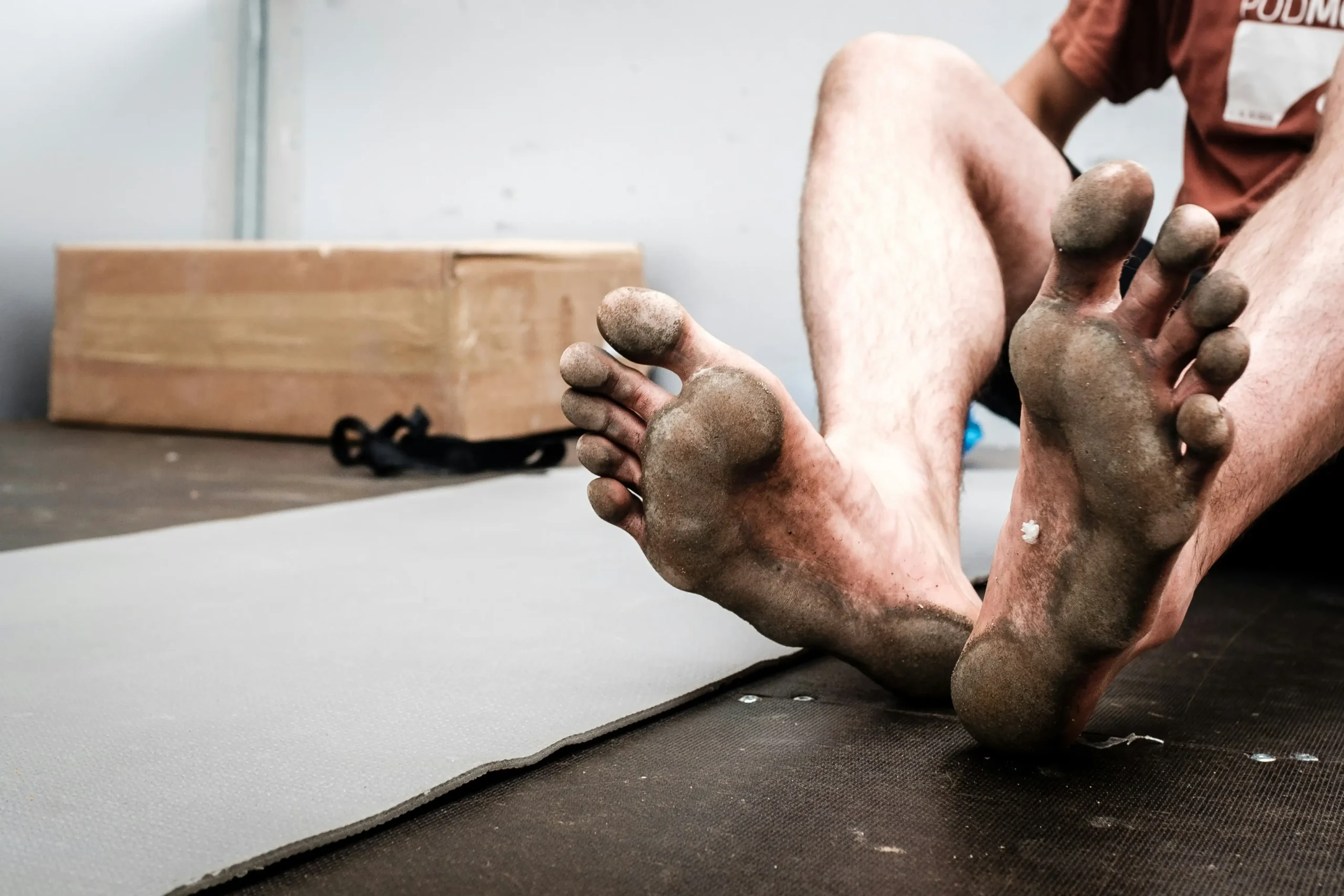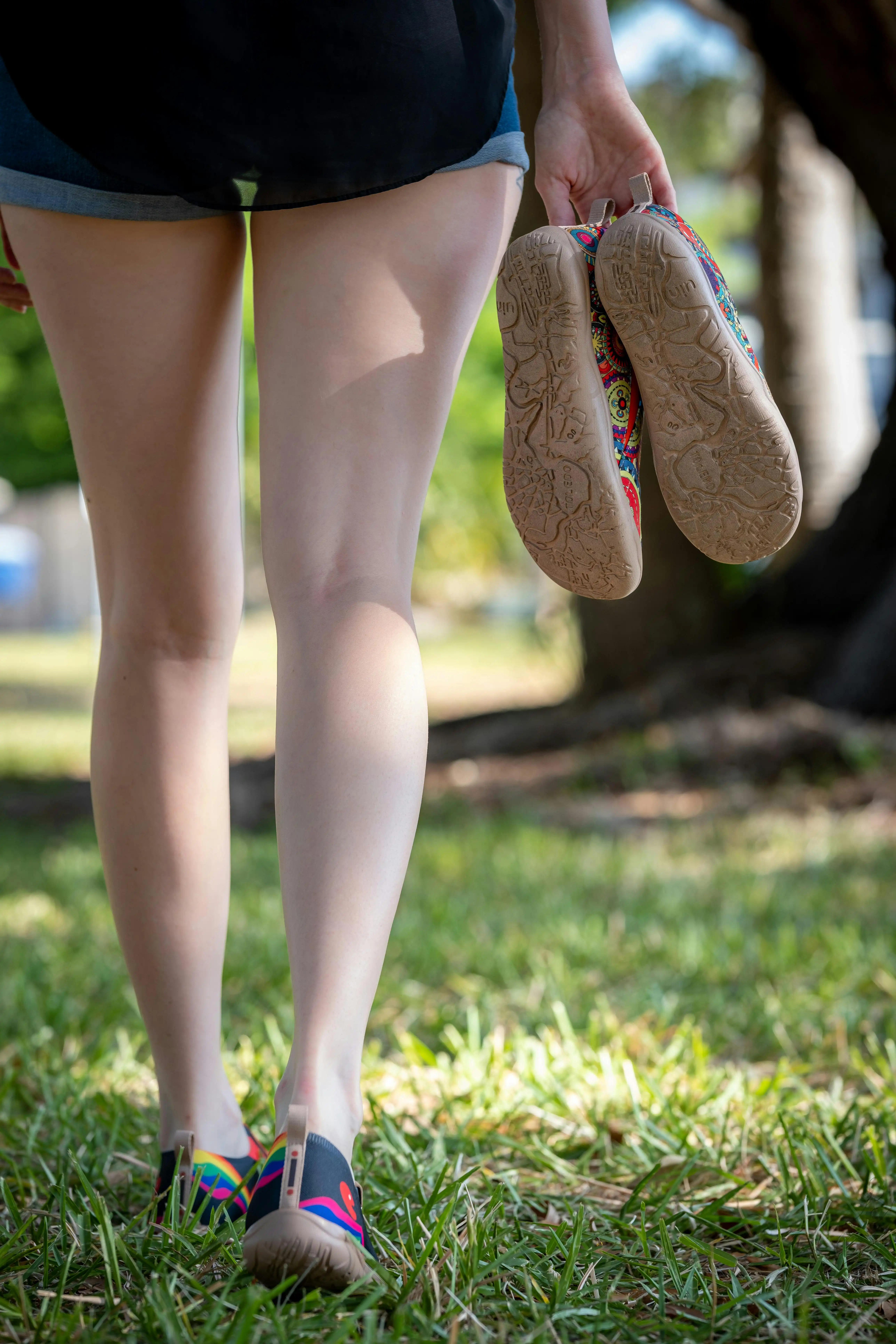
Short answer: sole delamination is separation at the upper-to-sole bond or between layers of a sole unit. The repair depends on where separation begins and what the fracture surface shows. Control material compatibility, surface preparation, activation, open time,...
How to source barefoot shoes from China. MOQ, lead times, factory vetting, and quality checks — practical guides written from Keytop's production floor.Barefoot Shoe Sourcing Guide | Keytop Manufacturing Blog
Barefoot Shoe Sole Cracking: OEM Test and QC Guide
Short answer: sole cracking needs a failure-location diagnosis before a material change. Mark the crack, section the failed area and decide whether the problem is cut growth in the outsole, flex stress at a groove or separation at the bond line. Then test the same...
Barefoot Sandals Strap Rip? 3 OEM Fixes
Short answer: use a strap-failure inspection to identify whether the weak point is the strap, seam, slot, hardware or sole anchor. Do not approve a repair from appearance alone. Compare the corrected sample under the same attachment method, then connect the result to...
Barefoot Shoes Sizing: 3 OEM Fit Fixes
Short answer: a barefoot-shoe fit problem cannot be fixed by converting an EU size into a US size. The approval pack must connect four things: the target foot measurements, the last dimensions, the effective space inside the finished shoe and the grading rule across...
Barefoot Shoe Lace Fraying: OEM Material & Eyelet QC
Short answer: lace fraying is a system failure between the lace, eyelet and lacing path. Approve the lace construction first, inspect every contact edge, then test the production lace against the production eyelet. Heat-sealing a damaged tip may repair one sample, but...
Barefoot Shoe Pull Tab Tearing: Factory Diagnosis and Fixes
Short answer: a tearing pull tab should be diagnosed at the exact failure interface: webbing rupture, seam break, stitch pull-through, upper tear or reinforcement separation. The factory repair must control the load path, material direction, insertion depth, seam...
Barefoot Shoes Odor Prevention: 3 OEM Material Fixes
Short answer: an OEM factory cannot honestly promise an odor-free barefoot shoe. It can reduce avoidable odor risk by selecting linings and insocks that manage moisture, making wet components easy to remove and dry, controlling material contamination, and testing any...
Barefoot Shoe Toe-Box Rubbing: Factory Diagnosis and Controls
Short answer: toe-box rubbing is localized contact caused by one or more factors: effective shoe length, last width or height, toe shape, upper pattern, seam placement, reinforcement, lining, material behavior and lasting. Locate the contact zone first, then change...
Barefoot Shoes OEM: 3 Factory-Level Sole Peel Fixes
Short answer: sole peeling is controlled by the complete bonding process, not by asking for “stronger glue.” Lock the upper and sole preparation, adhesive and primer system, activation and pressing conditions, and a finished-shoe adhesion test after the agreed ageing...
Barefoot Shoes OEM Mold & Mildew Fixes: 3 Factory Solutions
Short answer: mold and mildew risk in an OEM barefoot-shoe order is controlled by moisture, not by perfume or an unsupported “anti-mold” claim. The buyer and factory need a written release gate for dry materials, a packing trial that matches the real route, and...