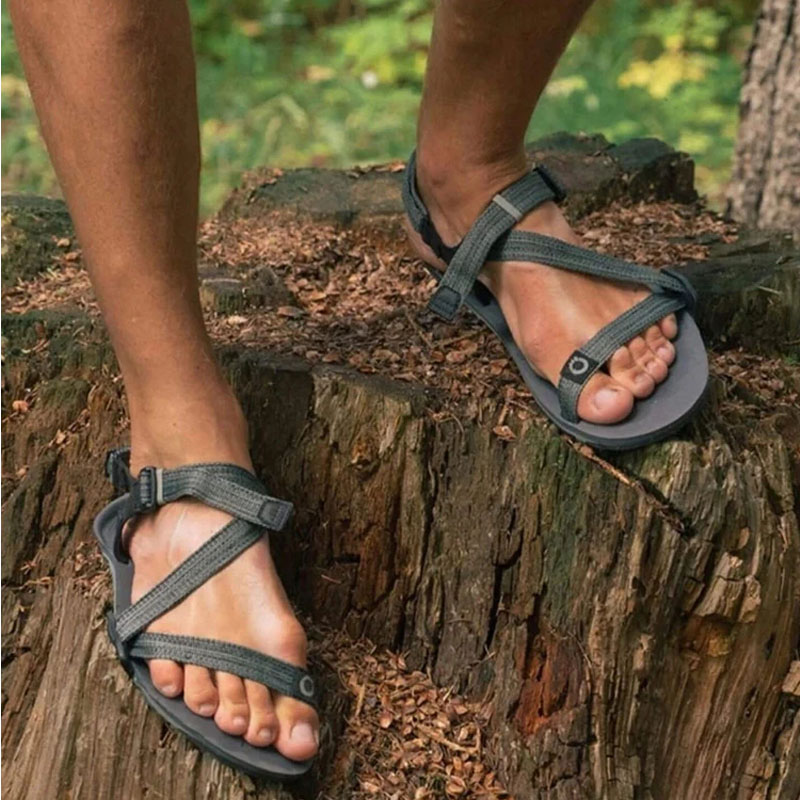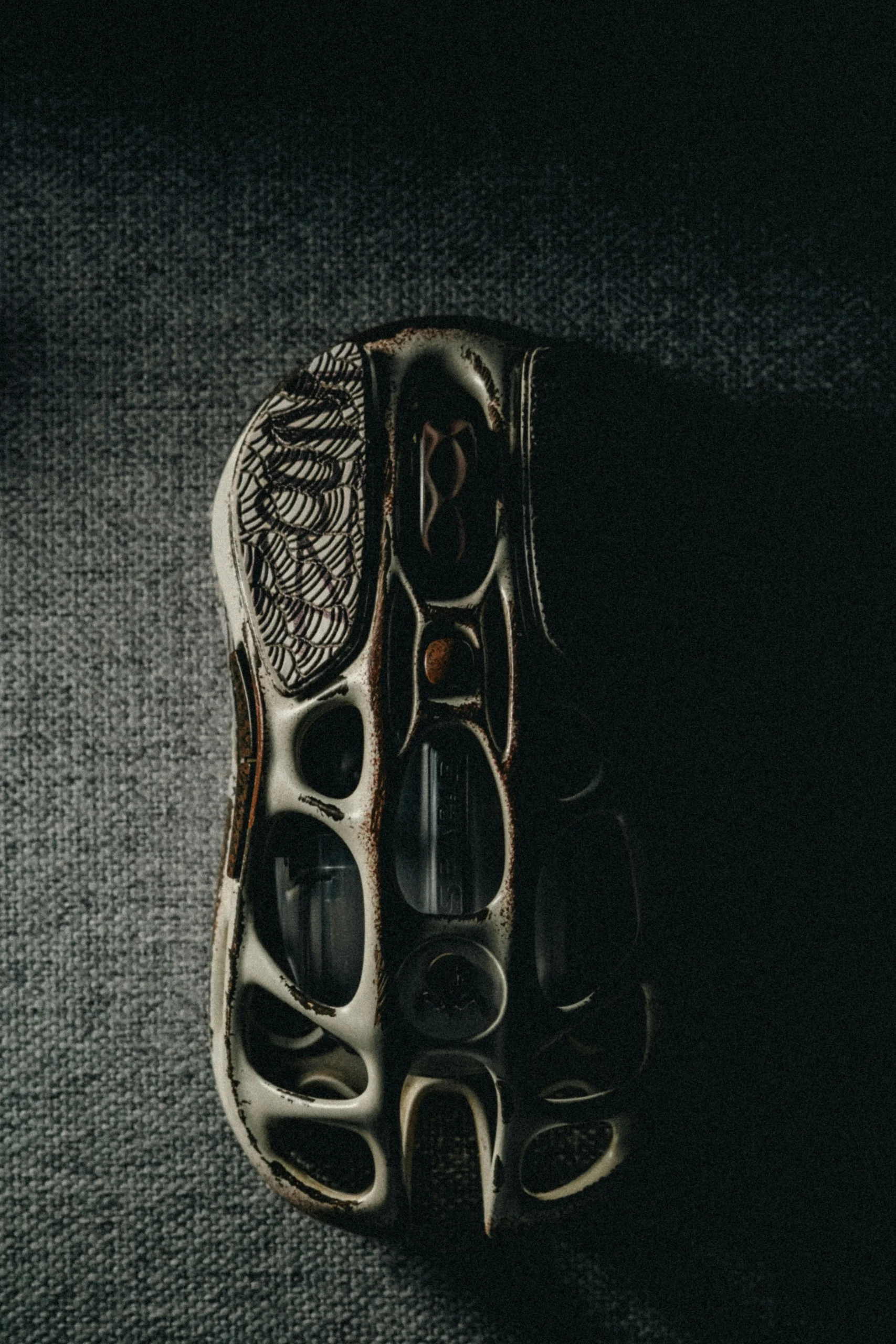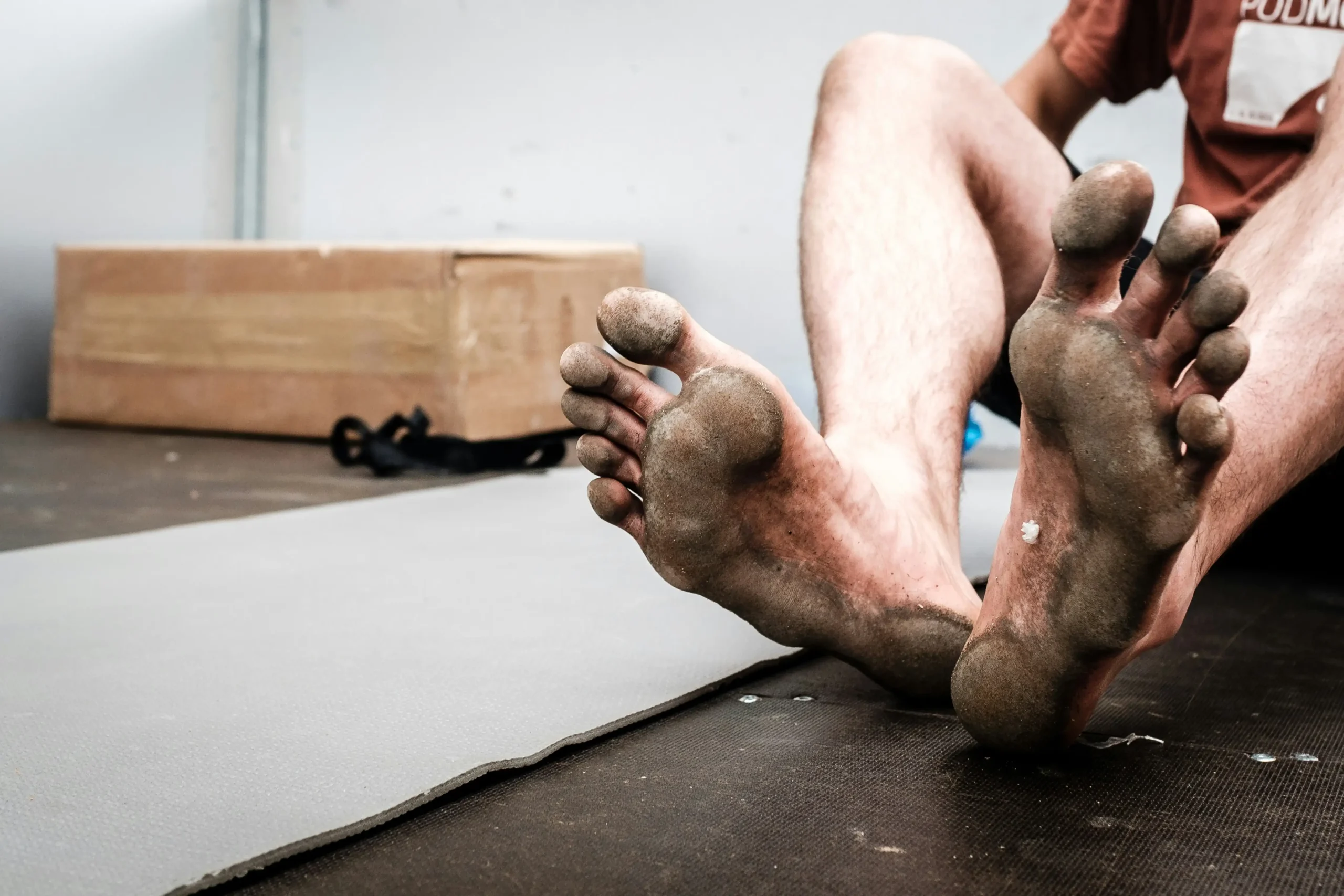
Short answer: a soft barefoot toe box is not automatically defective. The problem is an uncontrolled change in shape that conflicts with the approved design or reduces usable toe space. Fix it by defining the target profile, selecting the reinforcement package for...
How to source barefoot shoes from China. MOQ, lead times, factory vetting, and quality checks — practical guides written from Keytop's production floor.Barefoot Shoe Sourcing Guide | Keytop Manufacturing Blog
Barefoot Shoe Toe-Box Rub: OEM Sample Approval Checklist
Barefoot Shoes OEM: Fix Outsole Wet Grip
Short answer: wet grip cannot be fixed by naming one rubber hardness, tread depth or coefficient of friction. The buyer must define the intended surface, contaminant, use case and test method, then approve the outsole compound and tread as one system. Bulk control...
Barefoot Shoe OEM Last Development: Geometry and Approval Guide
Short answer: A barefoot shoe OEM last should be approved through measurable geometry, representative-size grading and finished in-shoe evidence. Toe shape, internal length, width, height, heel, instep and bottom profile must work with the pattern, upper, lining,...
Barefoot Shoe Sole Thickness: How to Set the Specification
Short answer: sole thickness should be specified as a measurement map, not a single marketing number. Separate outsole, midsole, insole and total stack; then validate thickness together with compound, hardness method, flex, abrasion, tear and intended use. Durometer...
Barefoot Shoes Smell: Material, Drying and Claim Controls
Short answer: reduce barefoot shoe odor by controlling moisture retention, drying access and material claims. Start with the removable insock, lining and enclosed foam. Test wet/dry behavior on the production materials, give buyers clear care instructions and support...
Barefoot Shoes Mesh Tearing: Fixing Bulk QC
Short answer: mesh tearing in bulk footwear is controlled by the complete upper system. Identify whether the failure starts in the mesh, laminate, seam, reinforcement edge or lasting area. Then approve material direction, pattern strain, seam construction and...
Barefoot Shoes Water Damage: 3 Factory Fixes
Short answer: “waterproof,” “water-resistant” and “quick-drying” are different product claims. For an OEM barefoot shoe, define the claim and test method first, then control the upper, seams, tongue, sole bond and care instructions as one system. A coating on the...
Barefoot Shoes Toe Box Rubbing: Factory Fix
Short answer: toe-box rubbing is usually a fit-system problem, not a single lining problem. Review the target foot data, last dimensions, pattern allowance, toe shape, seam placement and material behavior together. Approve the result through controlled fitting samples...
Barefoot Shoe Laces Dig In: Factory Fit Fixes
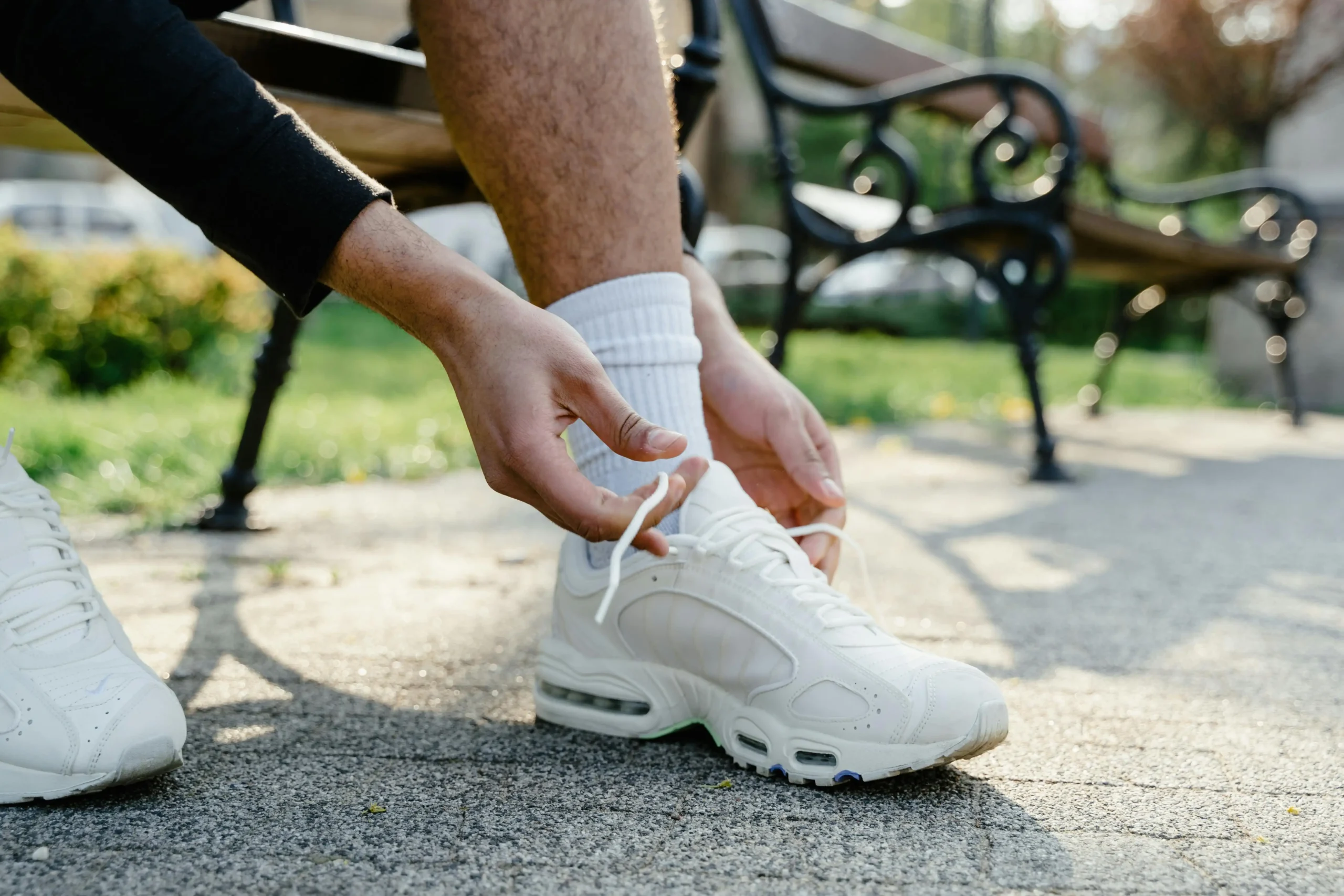
Short answer: when barefoot shoe laces dig into the instep, check the fit volume, lace path, tongue construction and lace-to-eyelet system together. A softer or wider lace may reduce a pressure point, but it cannot correct a last that is too shallow or a tongue that...