Key takeaways
- Short answer: A private-label barefoot shoe program needs a controlled product base, branding specification, label and packaging file, sample approval record and reorder baseline.
- Private label can involve a logo and box on an existing shoe, selected changes to an ODM platform, or a wider custom program.
- Ask for the current platform specification before choosing colors.
Short answer: A private-label barefoot shoe program needs a controlled product base, branding specification, label and packaging file, sample approval record and reorder baseline. Confirm what can change on the selected platform before artwork begins, then approve decoration on the production material and packaging on the final dieline.
Private label can involve a logo and box on an existing shoe, selected changes to an ODM platform, or a wider custom program. The buyer should label the route so product development, branding and commercial assumptions remain clear.
Choose and identify the product base
| Route | Product scope | Buyer must freeze | Approval focus |
|---|---|---|---|
| Existing platform | Available style with defined branding options | Style code, revision, materials, sizes and changes | Exact product identity and decoration |
| Modified platform | Existing geometry with selected product changes | Baseline and numbered change list | Affected construction interfaces |
| Custom development | Buyer-specific last, pattern, sole or combined route | Full technical brief and responsibilities | Geometry, tooling, samples and handoff |
Ask for the current platform specification before choosing colors. A catalog image does not establish last, material, sole, size range or component availability.
Review the ecommerce and private-label route and use the private-label quotation checklist to prepare comparable inputs.
Create the branding specification
- Editable vector artwork and approved text.
- Decoration method for the exact material.
- Logo size, position and alignment landmarks.
- Color reference and viewing condition.
- Surface preparation and process limitations.
- Finish, edge and durability evidence required.
- Approved strike-off, component or finished sample code.
A method that works on one synthetic, textile or rubber reference may behave differently on another finish or backing. Approve the decoration on the actual production material, then reconfirm it on the finished shoe.
Map branding locations
| Location | Control fields | Interaction to check |
|---|---|---|
| Upper | Method, size, position, color and surface | Flex, seams and reinforcement |
| Tongue | Patch, print, weave or label construction | Foam, binding and lace coverage |
| Sockliner | Print area, ink, color and orientation | Abrasion, moisture and removability |
| Outsole | Molded, printed or applied mark | Tread, flex and tooling scope |
| Pull tab or trim | Material, weave, dimensions and attachment | Seam strength and usable function |
Do not position artwork by a screenshot alone. Use named landmarks and dimensions that can be checked during sample and production inspection.
Build the label file
- Brand and product name.
- Size system and market conversion.
- Material or origin wording required for the market.
- Care information and approved languages.
- Importer, responsible party or other required entity fields.
- Barcode, SKU and color identifiers.
- Label material, position, dimensions and artwork revision.
The buyer’s compliance owner should review requirements for each destination market. The factory can check artwork against the approved file, but legal wording should not be inferred from an older product.
Create the packaging specification
| Packaging level | Fields to freeze | Approval evidence |
|---|---|---|
| In-shoe materials | Tissue, supports, bags and component placement | Packed sample and material references |
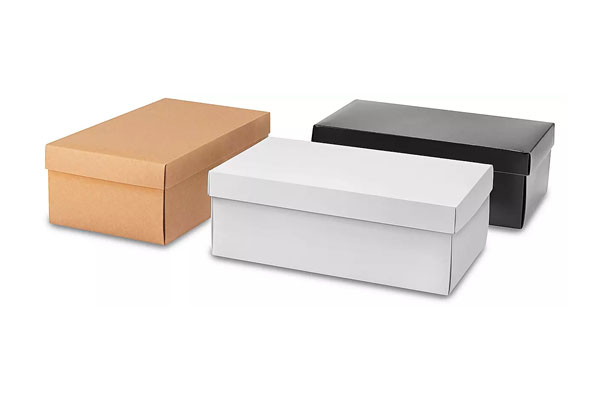
| Retail box | Dieline, board, print, finish, ventilation and closure | White sample and printed sample |
| Box label | SKU, size, color, barcode and position | Scan and artwork verification |
| Insert | Copy, languages, dimensions and material | Approved proof and packed sample |
| Master carton | Dimensions, marks, assortment and sealing | Packing record and carton sample |
| Pallet or shipment unit | Stacking and route requirements where used | Approved logistics file |
ISO 780 addresses graphical symbols for handling and storage of packages. ISO 18601 covers general requirements for packaging and the environment. Review the official scopes and apply the standards relevant to the program and market.
Approve artwork before committing production materials
- Approve the editable source and copy.
- Confirm dieline, dimensions and print or decoration method.
- Review a digital proof for content and position.
- Review a physical strike-off or packaging sample where required.
- Approve the finished shoe and packed sample.
- Freeze the artwork revision and link it to the SKU.
Separate proof approval from physical approval. A screen proof can confirm content and layout but cannot establish material, finish, color response, barcode operation or packed-product fit.
Use a private-label sample gate
| Gate | Evidence | Decision |
|---|---|---|
| Product base | Style, revision, last, materials and size range | Approve the platform |
| Branding | Actual-material decoration and placement record | Approve artwork execution |
| Labels | Content, dimensions, location and scan check | Approve market and SKU identity |
| Packaging | Physical box, insert and carton sample | Approve packed-product route |
| Representative sizes | Shoe, box and label matching | Release the assortment |
| Pre-production | Frozen file and signed sample | Release bulk checkpoints |
Use the sample approval workflow so product, branding and packaging comments share one controlled revision.
Build the reorder baseline
- Product platform and approved revision.
- Material, color and decoration references.
- Artwork files and approval dates.
- Size-color SKU matrix.
- Label, box, insert and carton revisions.
- Approved samples and inspection records.
- Current change declaration and component availability.
A reorder should use a new comparison record. Preserve the earlier baseline and document authorized changes instead of overwriting the old file.
Prepare the private-label RFQ
Send the product route, exact base style or technical file, sizes, colors, quantity, logo pack, labels, packaging, target markets, sample stages and inspection requirements. Ask the quotation to identify included changes, development work, tooling, proofs, physical samples, packaging and exclusions.
Keytop Barefoot Shoes project facts
Keytop Barefoot Shoes was founded in 2006. Custom OEM and ODM production starts at 500 pairs per color and style. Samples are normally developed in 10–21 days after the product base, materials, sizes, artwork, packaging and other required inputs are confirmed. Keytop Barefoot Shoes also holds ISO 9001 certification, offers GRS-certified recycled material options for eligible styles and has completed amfori BSCI and Sedex (SMETA) social audits; buyers should verify current scope and relevance for the program.
Method and limits
This guide is a private-label approval framework. It does not establish stock availability, a lower order quantity, pricing, payment terms, packaging compliance or production timing. Confirm those fields for the exact product, market and order.
FAQ
Can a buyer approve a logo from a digital mockup?
A mockup can approve layout intent. Approve color, finish, placement and interaction on the actual production material and finished sample.
Does private label mean the product geometry is custom?
Not necessarily. An existing-platform program can retain the last, pattern and sole while changing permitted branding and packaging fields.
What should be preserved for a reorder?
Preserve the product revision, material references, artwork, SKU matrix, labels, packaging files, approved samples, inspection record and change declaration.
Send the selected product base, branding pack, packaging brief and size-color matrix to discuss a private-label program.
Leave a Comment
Ask a sourcing question, add your view, or request follow-up from our team.